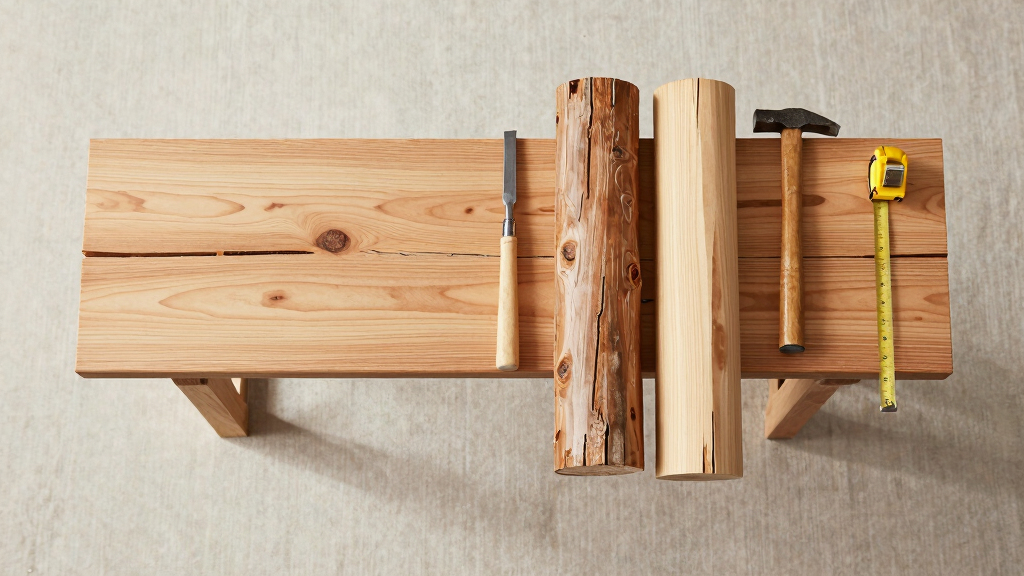
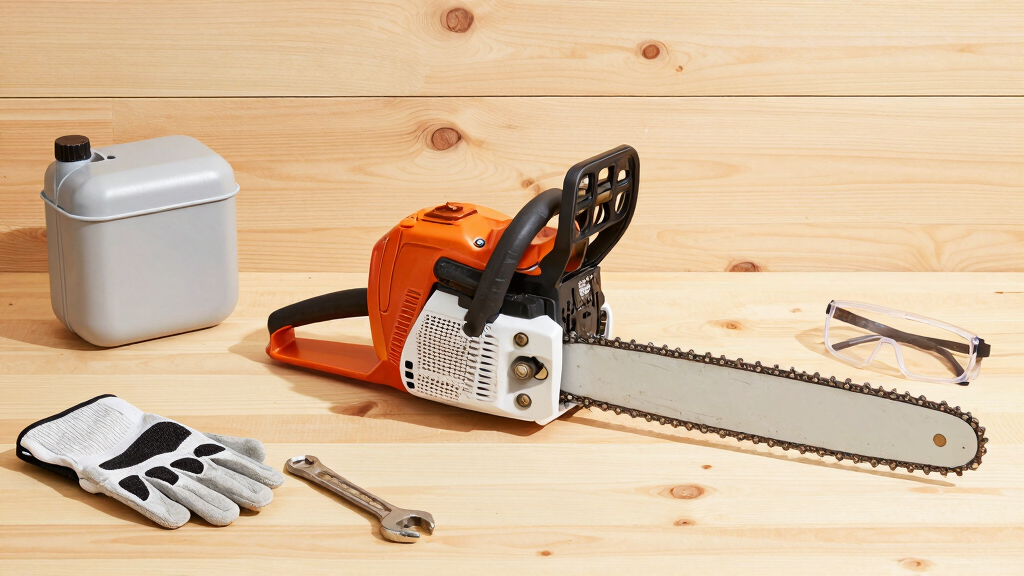
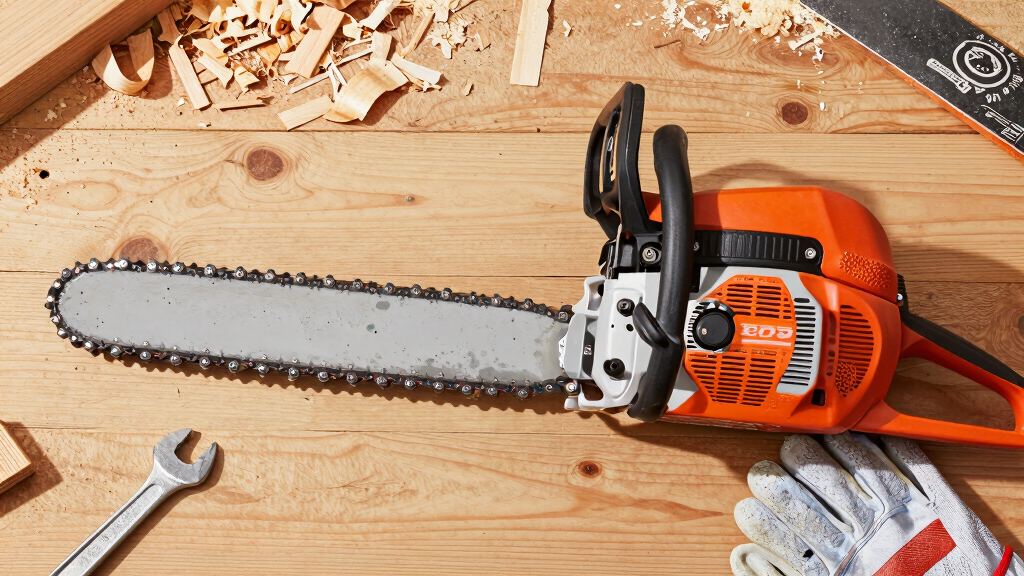
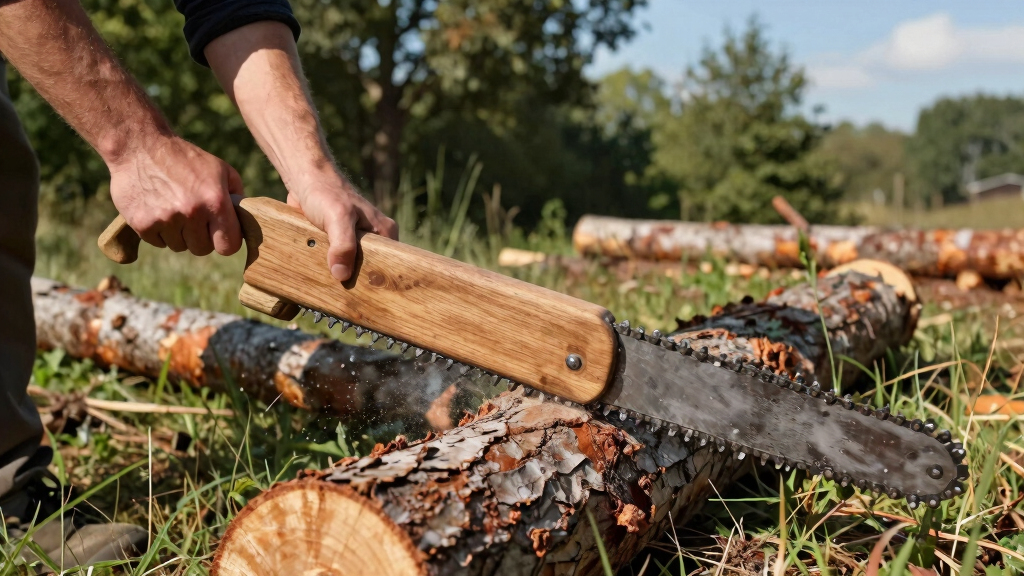
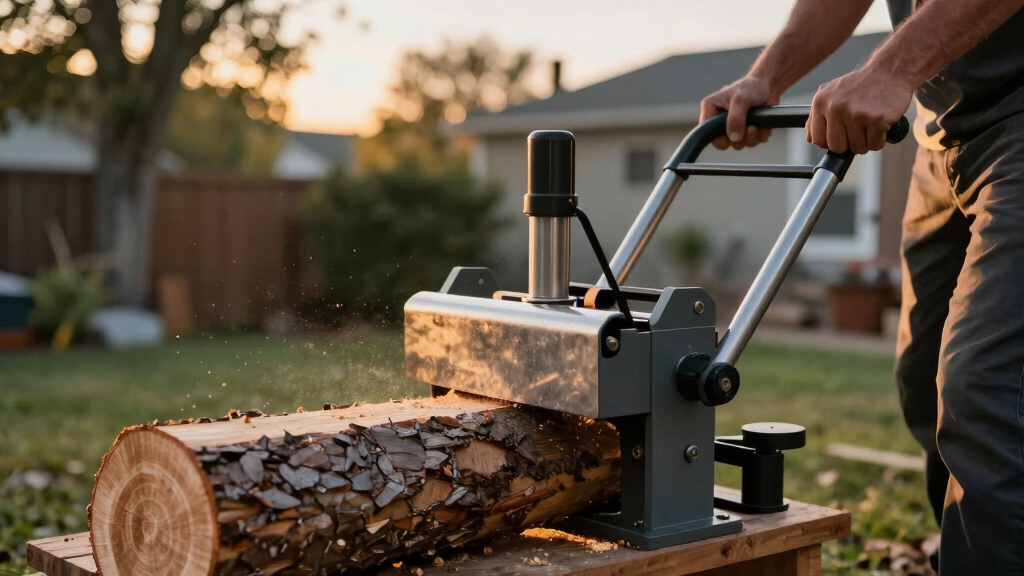
Discover why certain woods like elm, oak, and pine resist splitting. Learn practical tips to handle stubborn logs and avoid surprises during your projects.
Browsing Category
Chainsaws & Log Splitting
33 posts
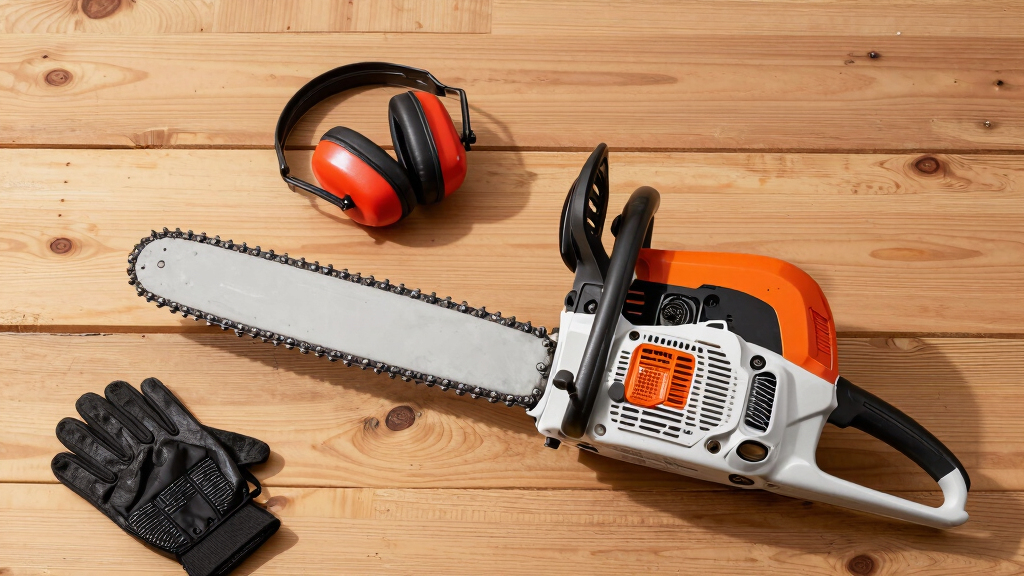
Storing a Gas Chainsaw for the Off-Season: Fuel, Bar and Chain Care
Learn practical tips to store your gas chainsaw safely during off-season. Manage fuel, protect the bar and chain, and keep your saw ready for next time.
Chainsaw Bar and Chain Oil: What It Does and What to Use
Discover what chainsaw bar and chain oil does, the best types to use, and tips to keep your chainsaw running smoothly for years. Practical advice inside.
Bucking Logs on Uneven Ground Without Pinching Your Bar
Learn proven techniques and tools to buck logs on uneven terrain safely and efficiently, avoiding bar pinching and equipment damage. Essential tips for landowners and pros.
Chainsaw Kickback: What Causes It and How to Prevent It
Discover what causes chainsaw kickback and how to prevent it. Learn practical tips to stay safe and keep your cuts smooth. Essential safety guide.
How to Season Firewood Faster: Stacking, Moisture Targets and Airflow
Learn proven methods to speed up firewood seasoning. Discover stacking tricks, moisture targets, and airflow strategies for faster, safer drying.
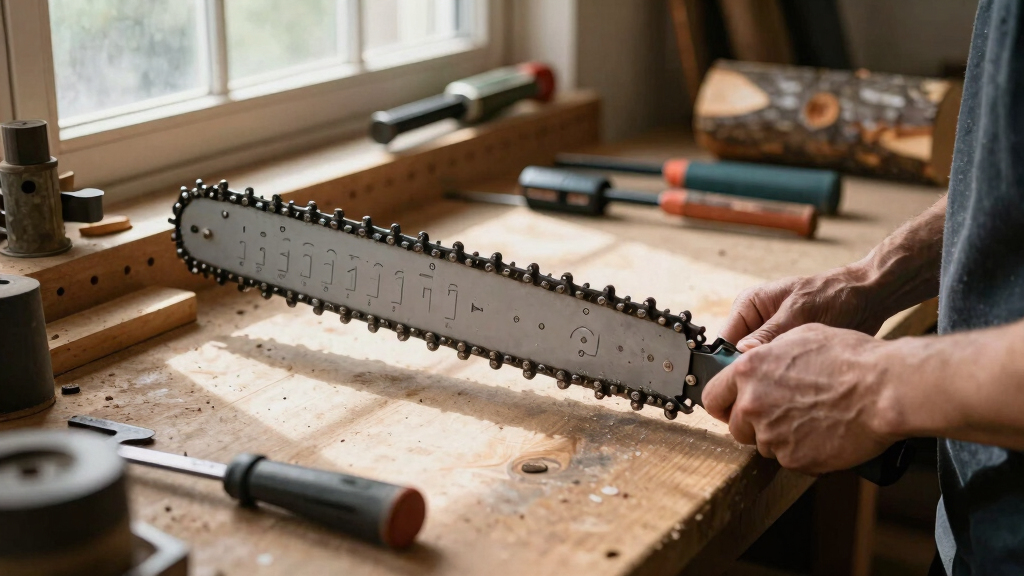
Chainsaw Chain Sharpening by Hand: File Sizes and Angles
Master hand sharpening with the right file sizes and angles. Learn practical tips to keep your chainsaw cutting smoothly and safely every time.
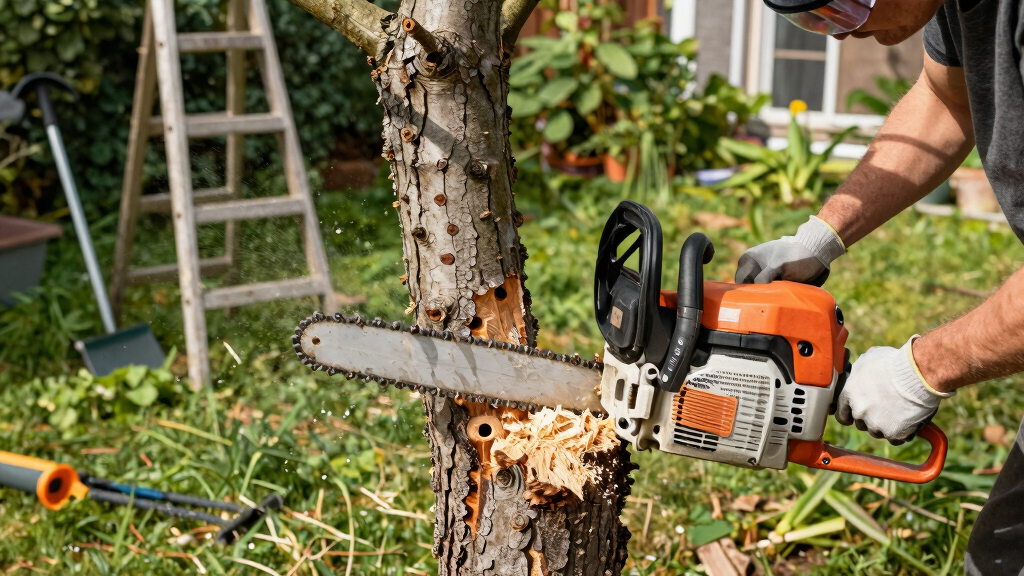
Felling a Backyard Tree Safely: Notch Cuts, Hinges and Escape Routes
Learn how to fell a tree safely in your backyard with expert tips on notch cuts, hinges, and escape routes. Protect yourself and your property today.
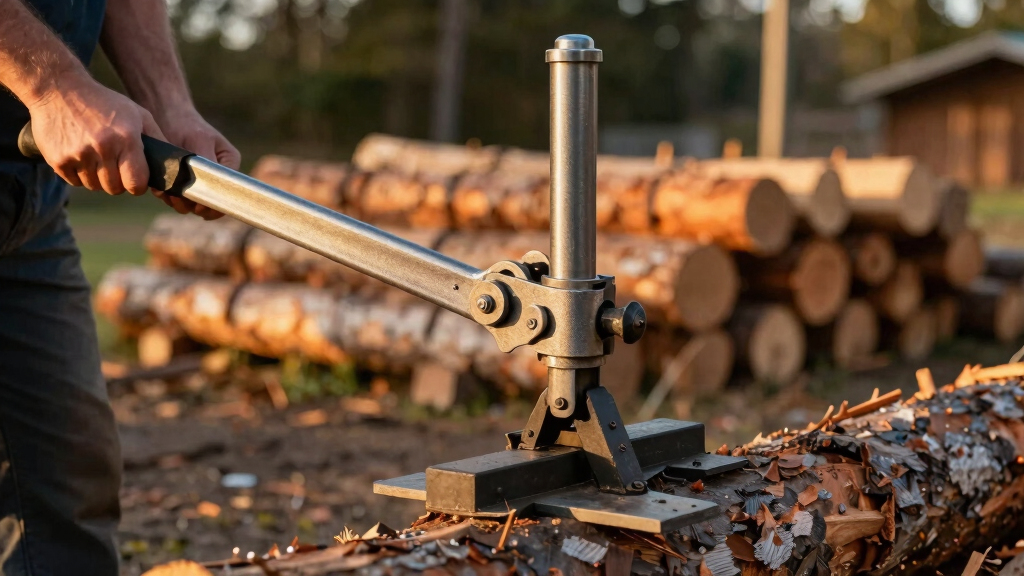
Kinetic vs Hydraulic Log Splitters: Cycle Times and Tradeoffs
Discover the real differences in cycle times and tradeoffs between kinetic and hydraulic log splitters. Find out which suits your needs best today.
Log Splitter Tonnage Explained: How Much Force Your Wood Needs
Discover how to choose the right log splitter tonnage. Learn what force you need for different wood types, sizes, and conditions—avoid jams and damage.