TL;DR

Get business pricing on tools and workshop supplies
- Business-only prices and quantity discounts
- Tax-exempt purchasing
- Multiple users, one account, clear invoices
Chainsaw kickback happens when the tip of the bar contacts wood, causing a sudden jerk upward and backward. Using safety features, proper techniques, and regular maintenance drastically cuts the risk. Staying aware and trained makes all the difference.
Ever felt that sudden jolt when your chainsaw jerks back just as you’re about to finish a cut? That’s kickback — a forceful, unpredictable movement that’s responsible for many chainsaw injuries. If you own or operate a chainsaw, understanding what causes kickback and how to prevent it can save you from a nasty accident.
This guide breaks down the main causes behind kickback, shares real-world tips to keep it in check, and explains how modern safety features make a difference. Whether you’re a weekend DIYer or a property-care pro, staying informed is your best defense against this common hazard.
Most chainsaw kickback occurs when the tip of the bar contacts wood or gets pinched—staying away from the tip is your best defense.
Modern chainsaws with safety features like chain brakes and low-kickback bars significantly lower injury risks, but responsible operation remains essential.
Regular maintenance — keeping chains sharp and tensioned — cuts down the chances of snagging or unexpected jerks.
Proper technique, including avoiding the tip and cutting at correct angles, is the simplest way to prevent kickback incidents.
Staying calm and reacting properly during a kickback can prevent serious injuries and control the saw better.
What Exactly Is Chainsaw Kickback and Why Should You Care?
Kickback is a sudden, forceful upward and backward movement of the chainsaw bar. It happens when the tip of the bar strikes wood or gets pinched, causing the saw to jerk unexpectedly. This force can be intense enough to cause serious injuries or even amputations in worst-case scenarios.
Understanding why it occurs is crucial because it reveals the inherent risks of chainsaw operation. The unpredictability of kickback can turn a routine cut into a dangerous situation within milliseconds. Recognizing the conditions that lead to kickback helps you develop better control, reduces panic responses, and allows for quicker, safer reactions. Ultimately, this knowledge empowers you to make smarter decisions in the moment, minimizing injury risk and extending the lifespan of your equipment.
As an affiliate, we earn on qualifying purchases.
The Top Causes of Chainsaw Kickback — Spot the Triggers
Kickback primarily occurs due to contact with the upper quarter of the bar’s nose, especially during improper cuts. But beyond just listing causes, understanding why these triggers matter helps you appreciate their implications. For example, contact with the nose often happens when cutting at awkward angles or when the operator’s technique is off, increasing the chance of sudden, uncontrolled movements. This can lead to injuries that range from minor cuts to severe trauma.
Pinching or jamming the chain occurs when the saw’s bar gets caught in tight spaces, causing an abrupt reversal of force. Using dull or loose chains not only makes cutting harder but also increases the likelihood of snagging, which can lead to unpredictable jerks. Recognizing these causes allows you to identify risky situations before they escalate. For instance, knowing that a dull chain increases snagging risk encourages regular maintenance, which is a trade-off: more effort and cost upfront but significantly safer operation. Similarly, understanding that improper technique heightens kickback risk emphasizes the importance of training and skill development. These insights help you weigh the tradeoffs between speed, safety, and equipment maintenance, ultimately fostering safer habits.
Here’s a quick rundown of the biggest triggers, along with why they matter:
- Contact with the bar’s tip: Most frequent cause, especially when cutting at awkward angles. It’s a reminder that precision and awareness are key to avoiding sudden, forceful movements.
- Pinching or jamming: When the chain gets stuck, it can cause a rapid jerk backward. Recognizing tight spots and avoiding over-tightening your chain can prevent this.
- Improper technique: Cutting with the tip or at unsafe angles increases risk because it puts the saw in vulnerable positions. Proper technique reduces strain and unexpected reactions.
- Worn or damaged chain: Dull teeth or loose tension make snagging more likely, which can cause sudden jerks. Regular maintenance is a tradeoff—more time and effort for safer, smoother cuts.
- Lack of safety features: Absence or malfunction of chain brakes increases risk, but understanding how these features work and maintaining them effectively enhances safety.
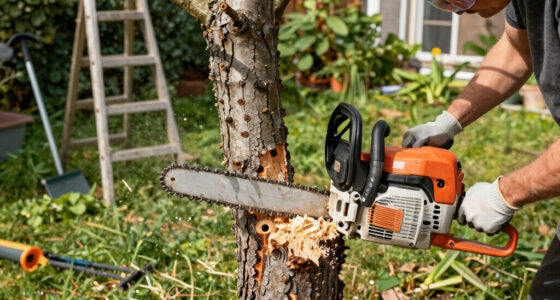
Picture this: you’re trimming a stubborn limb, and the tip of your saw bumps a knot. The saw jerks upward, potentially causing injury or loss of control. Recognizing this as a classic trigger underscores why understanding these causes matters — it’s your first line of defense in preventing accidents.
As an affiliate, we earn on qualifying purchases.
How Modern Chainsaws Are Safer — Tech That Cuts the Risk
Newer chainsaws come loaded with safety features that drastically cut kickback risk. Chain brakes, low-kickback chains, and specialized bars make a real difference. But understanding why these features matter deepens your appreciation for their role in safety.
For example, many models now include a chain brake that instantly stops the chain if kickback occurs. This isn’t just a convenience — it’s a critical safety mechanism that prevents the saw from jerking uncontrollably and causing injury. Similarly, bars designed with rounded nose tips or bumper spikes serve as physical barriers, reducing accidental contact with the wood and thus lowering kickback chances. These innovations are engineered to address common causes of kickback, effectively acting as safeguards against operator error or unexpected snagging.
Compared to older models, these technological advances can reduce injury risk by up to 50% — a significant reduction that can mean the difference between a safe job and a serious accident. However, technology alone isn’t enough. Proper training, awareness, and maintenance are essential complements. Think of these features as a safety net that catches you if your technique falters, but your skill and vigilance are what truly keep you safe. The tradeoff is clear: investing in safer equipment and learning how to use it properly offers long-term benefits that outweigh the initial effort or expense.
As an affiliate, we earn on qualifying purchases.
Prevent Kickback Like a Pro — 5 Practical Tips You Need
Prevention is all about cultivating good habits and understanding the tradeoffs involved. Here are five proven ways to stay safe and keep kickback at bay, along with explanations of why these tips matter and how they impact your safety:
- Use low-kickback chains and bars: These are specifically designed to reduce the chance of contact with the nose during cuts. While they may slightly compromise cutting speed or efficiency, the safety gains far outweigh the minor drawbacks, especially for less experienced users.
- Avoid using the tip of the bar: Stick to the bottom or middle of the chain for controlled, safe cuts. This simple adjustment minimizes the risk of sudden jerks, but it requires awareness and discipline to maintain during work.
- Maintain your chainsaw: Keep the chain sharp, properly tensioned, and check safety features regularly. Well-maintained equipment reduces the likelihood of snagging and unexpected movements, which can cause injuries. The tradeoff involves initial effort and routine checks but results in smoother, safer operation over time.
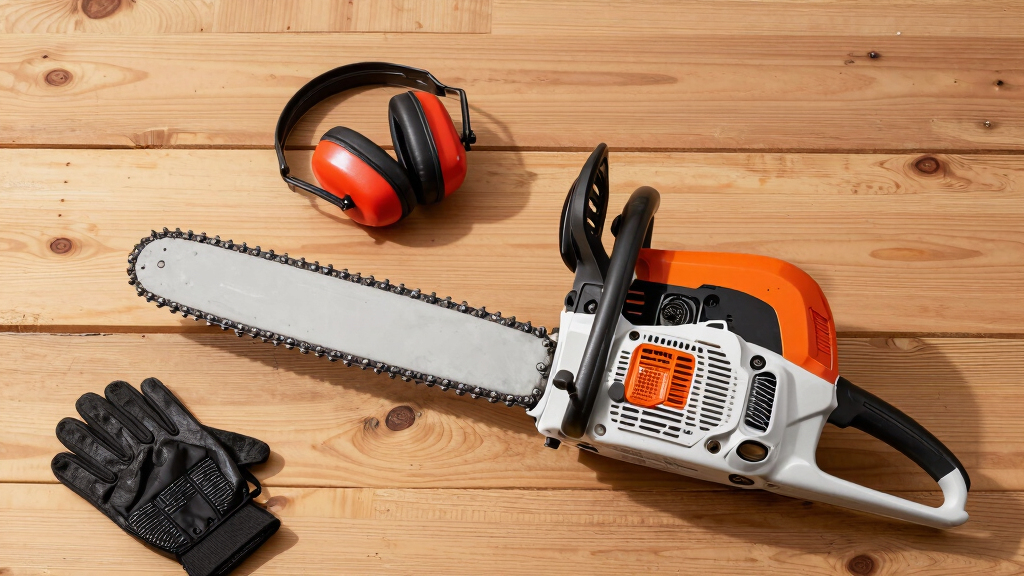
- Wear full safety gear: Gloves, eye protection, chainsaw chaps, and a helmet with a face shield aren’t just recommended — they are essential. Proper gear can prevent or lessen injuries from unexpected kickback or accidents, making it a critical investment in your safety.
- Follow proper cutting techniques: Use smooth, controlled motions, and avoid cutting at unsafe angles or with the tip. Developing good technique may take practice, but it significantly reduces the chances of triggering kickback and enhances overall control.
Imagine you’re felling a 20-foot pine. By keeping your hands firm, cutting at the correct angle, and not forcing the saw, you’re creating a safer environment for yourself. These practices might require effort initially, but they pay off by preventing accidents and ensuring cleaner cuts. Remember: safety isn’t just a checklist — it’s a mindset that keeps you injury-free and confident in your skills.
As an affiliate, we earn on qualifying purchases.
What You Should Do If Kickback Happens — Stay Calm & React Smart
If your chainsaw jerks upward or backward unexpectedly, your first instinct might be to yank it away. However, this reaction can worsen injuries or cause loss of control. Instead, focus on staying calm and reacting in a way that minimizes harm. Grip the saw firmly with both hands, keep your body steady, and don’t fight the force — let the saw come to a complete stop before repositioning. This controlled response helps prevent further injury and maintains your balance.
For example, if the saw kicks back while cutting a thick branch, avoid yanking or twisting the saw aggressively. Instead, hold on tight, let it finish its movement, and then carefully set it down. Trying to wrestle the saw during kickback often increases the severity of injuries or causes you to lose control, leading to more accidents.
Remember: your instinct may be to pull away quickly, but doing so can lead to cuts or falls. Staying calm and controlled during a kickback incident is your best strategy for injury prevention. Practicing this reaction in a safe environment — like during training or low-risk cuts — helps you respond instinctively when real danger strikes. Safety isn’t just about gear; it’s about your reactions under pressure, which can be the difference between a minor incident and a serious injury.
Frequently Asked Questions
What exactly causes chainsaw kickback?
Kickback happens mainly when the tip of the chainsaw contacts wood or gets pinched, causing a sudden upward and backward jerk. The most common trigger is contact with the nose of the bar during improper cutting techniques.How can I prevent kickback while using a chainsaw?
Use low-kickback chains and bars, avoid cutting with the tip, keep your chain sharp and tensioned, wear proper safety gear, and follow correct cutting techniques for better control.Are modern chainsaws safer than older models?
Yes, newer chainsaws include safety features like chain brakes, reduced-kickback bars, and better design elements that significantly lower injury risks.What safety gear should I wear?
Always wear gloves, eye protection, chainsaw chaps, and a helmet with a face shield. Proper gear is your first line of defense against injury.Can kickback be completely eliminated?
While it can’t be totally eradicated, following safety protocols, using the right equipment, and practicing good technique greatly reduces the chance of kickback happening.Conclusion
Kickback is a dangerous but manageable risk if you know what triggers it and how to prevent it. Using safety features, maintaining your equipment, and practicing good technique turn a risky job into a controlled, safe task.
Remember: a calm reaction and respect for your chainsaw save lives. Keep safety gear on, stay alert, and cut with confidence — your safety depends on it.
Halloween Picks
halloween
As an affiliate, we earn on qualifying purchases.