TL;DR

Get business pricing on tools and workshop supplies
- Business-only prices and quantity discounts
- Tax-exempt purchasing
- Multiple users, one account, clear invoices
To season firewood faster, focus on stacking for airflow, aiming for moisture below 20%, and placing your wood in a sunny, breezy spot. Modern moisture meters and innovative racks help speed the process, saving you months of waiting.
Ever had a pile of firewood that just refuses to dry? You’re not alone. Seasoning firewood can take a year or more if you don’t stack it right. But what if you could cut that time in half? With a few simple tweaks — better stacking, targeting the right moisture level, and controlling airflow — you can have dry, ready-to-burn wood way sooner. This isn’t about fancy equipment; it’s about understanding what really moves moisture out of your logs.
In this guide, I’ll show you clear, practical steps to turn that wet stack into dry, crackling firewood faster. Whether you’re a weekend warrior or a seasoned pro, these tips will help you burn cleaner, safer, and more efficiently — all while saving a few months’ worth of patience.
Stack logs loosely in a crisscross or pallet style for maximum airflow.
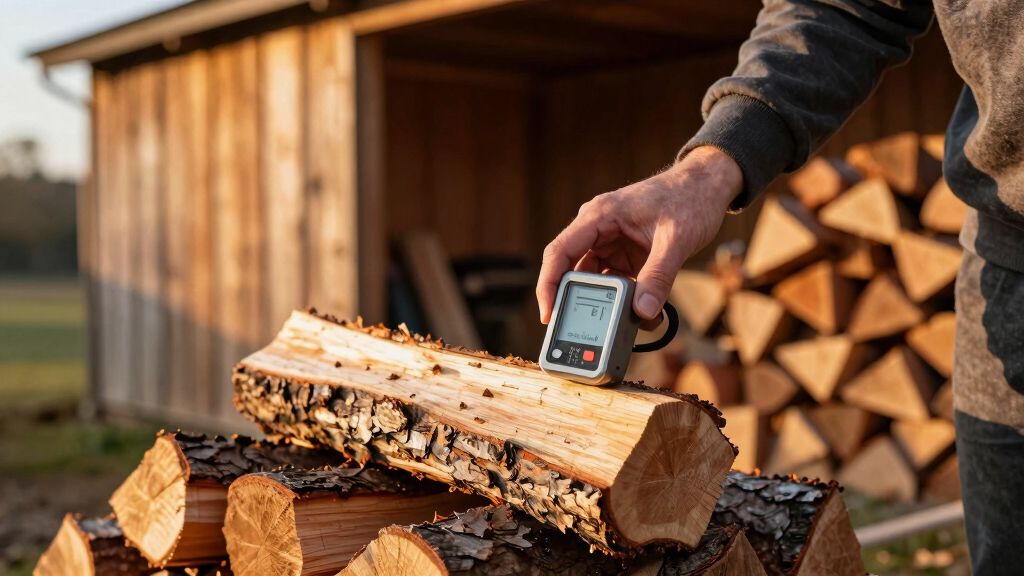
Use a moisture meter to verify when firewood drops below 20% moisture content.
Place your stack in a sunny, windy spot for faster drying.
Cover the top with a breathable tarp, leaving sides open for air movement.
Avoid packing logs too tightly or covering sides, which traps moisture.
Boost Airflow to Speed Up Drying — Here’s How to Stack Like a Pro
Proper airflow is the secret sauce in quickening firewood seasoning. When logs are tightly packed or stacked in shady, enclosed spaces, moisture becomes trapped, creating a damp environment that slows evaporation. This can lead to mold, rot, and even pests if left too long. Conversely, a well-ventilated stack allows moisture to escape efficiently, reducing drying time and improving fire quality.
Choosing the right stacking pattern is crucial. For instance, a crisscross or lattice pattern promotes maximum airflow because it creates open channels around each log, allowing air to circulate freely in all directions. Elevating the stack on pallets or cinder blocks prevents contact with damp ground, which can introduce additional moisture and hinder drying. Leaving gaps of about 2 inches between logs isn’t just about space — it’s about creating a passive ventilation system that accelerates moisture evaporation from the logs’ interior to the outside environment.
Think of your logs as tiny, breathing entities. The better they can ‘breathe,’ the faster they dry. This tradeoff involves balancing stability and airflow: too loose, and the stack may topple; too tight, and airflow diminishes. Finding that sweet spot is key to efficient seasoning, especially in humid climates where poor ventilation can extend drying times significantly.
As an affiliate, we earn on qualifying purchases.
Master Moisture Targets — Know When Your Firewood Is Ready to Burn
Understanding the importance of moisture content is fundamental because it directly impacts combustion quality, safety, and efficiency. When firewood contains more than 20% moisture, it produces more smoke, creosote buildup, and less heat. Over time, this excess water also causes the wood to decay faster and can lead to mold or pests, which compromise both the fire’s performance and your home’s health.
Using a moisture meter isn’t just about accuracy; it’s about making informed decisions. For example, freshly cut oak can have a moisture content of 50-60%, which is too high for burning. Proper seasoning—through stacking, airflow, and environmental factors—reduces this to below 20%, making the wood safer, cleaner, and more efficient to burn. Achieving this target means your fire will produce less creosote, reducing chimney fires and maintenance costs, and your home heating will be more effective.
It’s also worth noting that different woods dry at different rates due to density and grain structure. Hardwoods like hickory or oak take longer to reach ideal moisture levels compared to softwoods like pine. This understanding helps you plan your seasoning schedule and avoid burning wood that’s not fully dried, which can cause more smoke and less heat output. In essence, mastering moisture measurement allows you to optimize your firewood for maximum performance and safety.
As an affiliate, we earn on qualifying purchases.
Choose the Right Spot: Sun, Wind, and Cover — The Perfect Environment
Location is more than just convenience; it’s a critical factor in how quickly your firewood dries. Sunlight provides heat that accelerates moisture evaporation, while wind acts as a drying agent by carrying moisture away from the logs’ surface. Shaded or humid areas trap moisture, prolonging the seasoning process and increasing the risk of mold and rot.
Positioning your stack on a south-facing yard ensures maximum sun exposure, which heats the logs and promotes faster drying. A steady breeze further enhances this effect by continuously removing evaporated moisture from the vicinity of the logs. Covering the top with a breathable tarp or a sloped roof prevents rain and dew from rewetting the wood, but leaving the sides open ensures airflow isn’t compromised. This setup strikes a balance between protection and ventilation, essential for efficient seasoning.
Think of your drying environment as a greenhouse: sunlight and wind are your allies in speeding up the process, while a good cover shields against unexpected rain without suffocating airflow. The tradeoffs involve ensuring sufficient protection from weather while maintaining enough ventilation to prevent moisture buildup. The right spot and setup can cut your seasoning time significantly, especially in less-than-ideal climates.
firewood drying cover breathable tarp
As an affiliate, we earn on qualifying purchases.
As an affiliate, we earn on qualifying purchases.
Frequently Asked Questions
How do I know when firewood is fully seasoned?
Use a moisture meter — when your logs hit 20% moisture or less, they’re ready. Visually, look for cracks in the ends, a dull gray color, and a lighter weight. These signs mean less water inside, and safer, cleaner burning.
Can I speed up seasoning without a moisture meter?
Yes, but it’s less precise. Look for cracks, a dull color, and a lighter feel. Keep in mind, these clues are estimates. Using a moisture meter is the best way to be sure your wood is dry enough to burn efficiently and safely.
What’s the fastest way to season firewood?
Stack logs in a crisscross or pallet setup in a sunny, breezy spot. Cover the top with a breathable tarp, leave sides open, and check moisture regularly. This approach can cut seasoning time in half compared to traditional methods.
Does wood type affect drying time?
Yes. Softwoods like pine or poplar season faster — typically 4-6 months — while hardwoods like oak or hickory take closer to a year. Choose your wood based on your timeline and burning needs.
As an affiliate, we earn on qualifying purchases.
Conclusion
Speeding up firewood seasoning isn’t magic — it’s about smart stacking and environment control. If you want dry, burn-ready wood faster, focus on airflow, moisture targets, and placement. A little effort now saves you months of waiting, and makes every fire burn cleaner and hotter.
Remember: your logs are like little moisture sponges. Keep them exposed to sun, wind, and space, and they’ll dry out faster. Your future self will thank you with a crackling fire and a warm home.
Fall yard work Picks
leaf blowers
As an affiliate, we earn on qualifying purchases.