TL;DR

Get business pricing on tools and workshop supplies
- Business-only prices and quantity discounts
- Tax-exempt purchasing
- Multiple users, one account, clear invoices
Battery chainsaws typically cut between 0.5 and 2 cords of firewood per charge, depending on battery size, wood type, and user technique. Advances in battery tech now make them more capable for small to medium tasks, but they still have limits compared to gas-powered saws.
Ever wonder how far a battery chainsaw can really go in a day of firewood chopping? The truth is, these tools have come a long way from their early days of limited runtime. Today’s models can cut a surprising amount—if you know what to expect. No more guessing games or overestimating your battery’s might.
In this guide, you’ll see how cords per charge translate into real-world firewood work, what influences those numbers, and how to choose a battery chainsaw that matches your needs. Whether you’re stacking firewood for winter or just cleaning up a fallen tree, understanding this metric helps you work smarter, not harder.
Modern lithium-ion batteries can cut over 1 cord of firewood per charge in ideal conditions.
Battery capacity (Ah) and wood type dramatically influence cords per charge—larger capacity and softer woods deliver more runtime.
Higher voltage batteries offer more power but must be paired with sufficient capacity to maximize cords per charge.
Cold weather reduces battery efficiency; storing batteries warm can maintain better runtime.
Proper maintenance—sharp chains, clean bars, and storage—extends your cords per charge and overall tool life.
What battery chainsaws really deliver
Modern cordless saws can process a meaningful stack of firewood—but the headline number changes with battery energy, wood density, chain condition, temperature and technique. Use cords per charge as a planning range, not a laboratory promise.
A cord is volume. A charge is your work window.
“Cords per charge” estimates how much stacked firewood a saw can help process before its battery needs recharging. It turns abstract battery specifications into a practical scheduling tool.
The standard volume of one full cord: 4 feet high × 4 feet wide × 8 feet long.
Plan battery support
For larger stacks, expect a battery swap or a charging break before the work is complete.
A productive session
A capable setup can streamline small-to-medium household firewood jobs with less downtime.
Best-case territory
High-capacity batteries, efficient cutting and favorable wood may push output toward the upper range.
Balance the system
Power, runtime and tool weight should match the wood and the scale of the job.
Why the same battery produces different stacks
No single specification predicts field performance. Stored energy sets the ceiling; wood resistance and cutting efficiency determine how quickly that energy is spent.
More Ah usually means more cuts
A larger amp-hour rating stores more energy at the same voltage, extending the work window—at the cost of added weight and price.
Hardwood consumes more energy
Dense oak or hickory demands more from the motor than pine or cedar, reducing the volume processed on one charge.
Every clean cut protects runtime
A sharp chain, clean bar and steady feed reduce resistance. Forcing a dull chain wastes energy as heat and friction.
Illustrative output by battery configuration
Illustrative comparison based on the supplied example data. Real output varies with log diameter, species, moisture, temperature, chain condition and operator technique.
Power opens the cut. Capacity keeps it going.
Voltage indicates power potential, but it does not guarantee longer runtime. Compare the battery’s approximate watt-hours to understand the energy available to sustain that power.
Think of voltage as delivery pressure and amp-hours as stored capacity. The combination—not either figure alone—shapes the potential work per charge.
Three saw profiles, three different workdays
Higher-voltage, larger-capacity examples deliver more output and recharge faster, but usually add purchase cost and carrying weight.
| Example model | Voltage | Capacity | Bar size | Cords / charge | Recharge | Job fit |
|---|---|---|---|---|---|---|
| Model A | 40V | 2.0 Ah | 14″ | 0.5 cord | 1 hour | |
| Model B | 60V | 3.0 Ah | 16″ | 1 cord | 40 min | |
| Model C | 80V | 4.0 Ah | 18″ | 1.5 cords | 30 min |
The models are illustrative profiles, not product claims. Treat the figures as a framework for comparing specifications and workload fit.
Turn battery energy into more usable firewood
The most efficient workflow protects every link between stored energy and the finished stack.
Warm battery
Store the pack in a dry, moderate environment before cold-weather work.
Sharp chain
A clean cutting edge reduces drag, heat and unnecessary motor load.
Right log size
Process manageable sections instead of repeatedly forcing oversized cuts.
Steady feed
Let the chain work at a controlled pace without excessive pressure.
More cord count
Lower resistance preserves energy for additional cuts before charging.
Low temperatures slow battery chemistry and can reduce available capacity. Keep spare batteries warm and dry until needed, then allow packs to return to the manufacturer’s recommended temperature before charging.
Choose for the woodpile you actually have
Battery chainsaws now make strong sense for homeowner and light professional firewood work. Large-scale processing and very dense timber may still favor gas power or a multi-battery strategy.
Prioritize low weight
For cleanup, limbing and occasional softwood, a smaller pack can provide sufficient runtime with easier handling.
Balance volts and Ah
Match enough power for the log diameter with enough stored energy to avoid frequent interruptions.
Build a battery system
A rapid charger and rotating packs may matter more than chasing one optimistic cords-per-charge claim.
What Does ‘Cords per Charge’ Actually Mean for Firewood Cutting?
“Cords per charge” tells you how much firewood you can cut before the battery runs out. A cord equals 128 cubic feet of stacked wood—roughly a full pickup truck bed. If your chainsaw cuts through about 0.5 to 1 cord per charge, you’re looking at a solid day’s work for small to medium tasks.
Understanding why this matters helps you plan your work more effectively. For instance, if you only get half a cord per charge, you might need multiple batteries or plan for recharging breaks, which can extend your total work time. Conversely, a chainsaw that cuts a full cord per charge streamlines your workflow, reducing downtime and increasing productivity. The key takeaway is that cords per charge directly impact how efficiently you can complete your firewood tasks, especially when dealing with large quantities or tight schedules. Knowing this helps you select a tool that balances power, battery life, and weight for optimal performance.
As an affiliate, we earn on qualifying purchases.
How Battery Capacity and Wood Type Impact Your Cords per Charge
Battery capacity, measured in amp-hours (Ah), is crucial because it essentially determines how much energy your chainsaw can store. A higher Ah rating means more stored energy, which generally translates to longer cutting times and more cords per charge. However, this isn’t the only factor at play. The type of wood significantly influences how efficiently you can use that energy. Softwoods like pine or cedar are less dense, allowing the chainsaw to slice through quickly and use less battery power per log. Hardwoods like oak or hickory, on the other hand, are much denser, requiring more effort and energy, which reduces the total cords you can cut per charge.
For example, even with a high-capacity battery, cutting a dense hardwood like oak will drain your battery faster than cutting softwood. This means that selecting the right combination of battery capacity and knowing your typical wood type is essential. If you frequently work with hardwoods, investing in a larger capacity battery or a more powerful model can save time and reduce frustration. Conversely, if your tasks mostly involve softwoods, a smaller, lighter battery might suffice, making your tool easier to handle without sacrificing too much runtime. The tradeoff is often weight and cost—larger batteries add weight and expense, but they can significantly increase your productivity and reduce downtime.
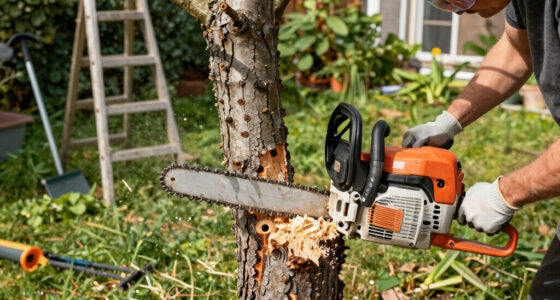
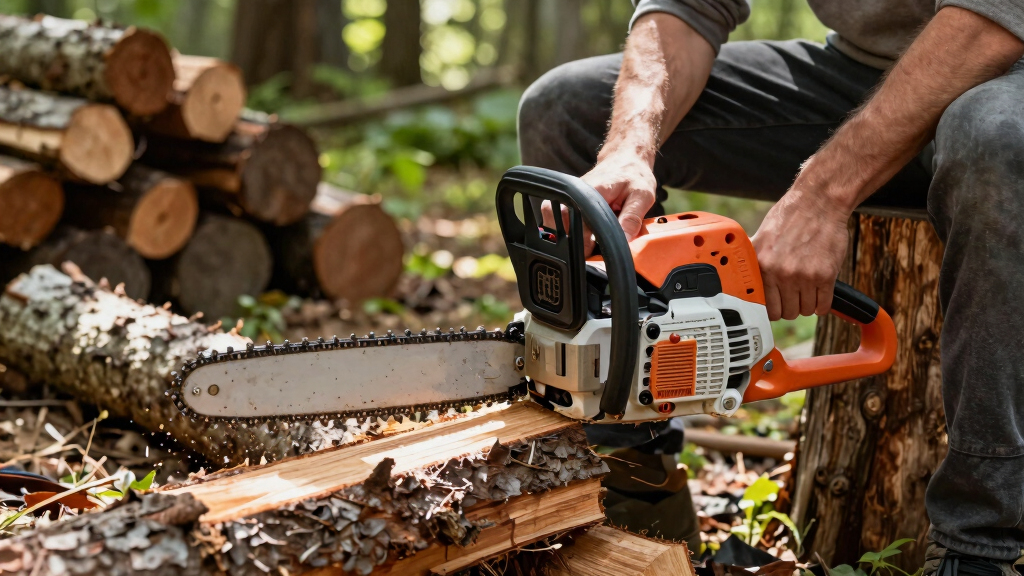
cordless chainsaw with high battery capacity
As an affiliate, we earn on qualifying purchases.
As an affiliate, we earn on qualifying purchases.
Battery Voltage vs. Runtime: What Really Matters?
Battery voltage—like 40V, 60V, or 80V—serves as an indicator of the power potential of your chainsaw. Higher voltage generally means more cutting power, which is especially useful when tackling tougher, thicker logs. However, voltage alone doesn’t guarantee longer runtime. The real determinant of how many cords you can cut per charge lies in the combination of voltage and capacity (Ah). For instance, a 60V/2Ah chainsaw might have less runtime than a 40V/4Ah model, despite the higher voltage. This is because the capacity determines how much energy is available during operation.
Think of voltage as the size of the engine—more horsepower can mean more force but not necessarily longer operation time. The capacity is like the fuel tank—larger tanks hold more energy, allowing longer work sessions. Both factors are important: high voltage provides the power needed for tough cuts, while sufficient Ah ensures that power can be sustained over time. Manufacturers that combine high voltage with large capacity batteries optimize for both power and runtime, effectively increasing cords per charge. When choosing a chainsaw, consider both aspects to match your typical workload—power for heavy-duty cuts and capacity for longer operation without interruption.
As an affiliate, we earn on qualifying purchases.
Comparing Battery Chainsaws: How Do They Stack Up?
| Model | Battery Voltage | Capacity (Ah) | Bar Size | Cords per Charge | Recharging Time |
|---|---|---|---|---|---|
| Model A | 40V | 2.0 | 14″ | 0.5 cords | 1 hour |
| Model B | 60V | 3.0 | 16″ | 1 cord | 40 min |
| Model C | 80V | 4.0 | 18″ | 1.5 cords | 30 min |
This table demonstrates how higher voltage and capacity can boost cords per charge, but it also highlights the tradeoffs involved. Larger batteries and higher voltage models tend to be heavier and more expensive, which can impact maneuverability and ease of use. When selecting a chainsaw, consider your typical workload—if you’re mostly handling small logs or occasional tasks, a lighter, less powerful model may be sufficient. For frequent, larger jobs, investing in a higher-capacity, higher-voltage saw can significantly improve productivity. The key is balancing power, weight, and cost to match your specific firewood needs, ensuring you don’t overspend on features you don’t require, or undershoot your capacity when tackling bigger jobs.
As an affiliate, we earn on qualifying purchases.
Real-World Tips for Maximizing Your Cord Count
- Keep your chain sharp. Dull chains not only slow down your cutting but also cause the motor to work harder, draining your battery faster. A sharp chain reduces resistance, making each cut more efficient and extending your cords per charge.
- Use proper technique—cut at a steady, controlled pace without forcing the saw. Rushing or applying excessive pressure increases resistance and consumes more battery power, decreasing overall runtime. Good technique preserves your equipment and improves safety as well.
- Work in manageable log sizes. Larger logs require more effort and energy, which can quickly deplete your battery. Splitting big logs into smaller sections before cutting allows for more efficient use of your battery capacity and reduces fatigue.
- Store batteries in a cool, dry place. Cold temperatures slow down chemical reactions inside the battery, reducing runtime and overall capacity. Proper storage helps maintain optimal performance and prolongs battery life.
- Upgrade to higher capacity batteries if your tasks demand more. While heavier and more expensive, larger capacity batteries provide more energy, enabling you to cut more cords per charge and reducing the need for frequent recharging sessions. This investment pays off during intensive projects or long workdays.
Imagine a homeowner in winter. They start with a fresh, sharp chain, and a fully charged 60V/3Ah battery. By following these tips—working in smaller logs, maintaining their equipment, and storing batteries properly—they can cut around 1 cord of soft pine efficiently in a few hours. This approach minimizes fatigue and maximizes their cords per charge, illustrating how preparation and proper technique directly influence your productivity and the overall efficiency of your firewood work.
Can Battery Chainsaws Handle Heavy-Duty Firewood Tasks?
Battery chainsaws are excellent for small to medium jobs, offering convenience and quiet operation. However, when it comes to heavy-duty, dense hardwood cutting—such as large oak trunks or continuous processing—these tools face inherent limitations. The primary challenge is that batteries, even high-capacity ones, can’t sustain the intense power draw needed for prolonged heavy-duty work without overheating or rapidly depleting. The motor’s power output, while sufficient for lighter tasks, may struggle to maintain speed and torque on large, dense logs.
For example, attempting to cut a 24-inch oak trunk with a battery chainsaw will likely result in slower progress, increased battery drain, and potential overheating. The saw might slow down significantly or require multiple recharges, which interrupts workflow and extends project time. This is a tradeoff: while battery chainsaws excel in convenience and lower emissions, they are not designed to replace gas-powered saws for demanding, continuous heavy-duty tasks. For regular, large-scale firewood processing, investing in a gas chainsaw ensures faster, more reliable performance, especially when dealing with the toughest woods or large volumes. Recognizing these limits helps you choose the right tool for your specific needs, balancing convenience with capability.
Weather and Battery Life: What You Need to Know
Cold weather can significantly impair your chainsaw’s performance, often reducing your cords per charge by up to 50%. This is because low temperatures slow down the chemical reactions inside lithium-ion batteries, diminishing their capacity and efficiency. In practical terms, you might find yourself needing to recharge more frequently or experiencing shorter cutting sessions. This can be frustrating if you’re unprepared or unaware of the impact weather has on your equipment.
Storing batteries in warmer environments, such as inside a pocket or heated shed, helps maintain their chemistry and prolongs their effective runtime. Additionally, pre-warming batteries before use—by keeping them close to your body or in a warm place—can prevent performance drops during cold conditions. Working in mild weather not only extends your cords per charge but also reduces the risk of battery failure or damage caused by freezing temperatures. Being mindful of weather conditions allows you to plan your work schedule better, ensuring you get the most out of each charge and complete your firewood tasks efficiently. Ultimately, understanding and mitigating cold weather effects helps maintain consistent performance and prevents unexpected delays.
Maintaining Your Battery Chainsaw for Maximum Cord Counts
Proper maintenance of your battery chainsaw is essential for maximizing cords per charge and extending the tool’s overall lifespan. Regularly sharpening the chain ensures it cuts efficiently, reducing resistance and battery drain. A dull chain requires more power to make each cut, which shortens runtime and increases wear on the motor. Cleaning debris from the bar and chain, and checking for damage or wear, keeps the saw operating smoothly and prevents energy-wasting issues.
Battery care is just as important. Recharge batteries before they are fully drained, as deep discharges can reduce capacity over time. Avoid leaving batteries in extreme temperatures—heat accelerates chemical degradation, while cold slows down reactions—both of which impair performance. When not in use, store batteries in a cool, dry environment, ideally at around 50% charge to preserve their health. These practices help ensure consistent power delivery, allowing you to cut more cords per charge and prolong the life of your equipment. Think of your battery like a valuable resource that needs regular attention—proper maintenance translates into more efficient work sessions and fewer unexpected failures, ultimately saving you time and money.
Frequently Asked Questions
How many cords can a typical battery chainsaw cut per charge?
Most models cut between 0.5 and 2 cords per charge, depending on battery capacity, wood type, and user technique. Softwoods and smaller logs extend runtime, while dense hardwoods reduce it.
How long does it take to recharge the batteries?
Recharging times vary from about 30 minutes with rapid chargers to several hours for standard ones. Planning recharge breaks keeps your workflow smooth.
Are battery chainsaws powerful enough for heavy-duty firewood processing?
They handle small to medium jobs well but struggle with large, dense logs or continuous heavy-duty work. For those, gas chainsaws remain more reliable and faster.
How does cold weather affect battery chainsaw performance?
Cold temperatures can slash runtime by up to 50%. Keeping batteries warm—like in a pocket—helps maintain better efficiency and more cords per charge.
What maintenance does a battery chainsaw need?
Regularly sharpen and clean the chain, store batteries properly, and check for any debris or damage. Well-maintained tools cut more efficiently and last longer.
Conclusion
Battery chainsaws now pack surprising punch, making them a practical choice for many firewood tasks. They’re not a perfect replacement for gas saws on heavy-duty jobs, but for most homeowners, they deliver enough cords per charge to get the job done.
Pick the right battery size, keep your chain sharp, and work in moderate weather for best results. As technology advances, these tools will only get better—making firewood work cleaner, quieter, and less hassle.
Halloween Picks
halloween
As an affiliate, we earn on qualifying purchases.