
TL;DR

Get business pricing on tools and workshop supplies
- Business-only prices and quantity discounts
- Tax-exempt purchasing
- Multiple users, one account, clear invoices
Some woods, especially elm and oak, resist splitting due to dense grain and internal stresses. Knowing their traits lets you pick better tools and methods, making splitting safer and easier.
Wood splitting isn’t just about swinging an axe. It’s about understanding what makes some logs stubborn. Ever grab a heavy elm or oak and feel like it’s fighting back? That’s no accident. Different woods have distinct behaviors based on their structure and moisture. Knowing why some logs resist can save you time, effort, and a few bruised knuckles.
This guide dives into what causes these differences—grain patterns, moisture, internal stresses—and how to deal with them head-on. Whether you’re stacking firewood or preparing logs for a project, understanding these tricks will make your job smoother and safer.
Elm’s interlocked grain makes it highly resistant and prone to fighting back during splitting.
Moisture content influences ease: green wood splits easier but risks warping; dry wood is stable but stubborn.
Inspect logs for knots and checks—these defects can cause unpredictable behavior and tool damage.
Use sharp tools, proper wedges, and techniques like soaking to manage tough woods effectively.
Always prioritize safety: wear PPE, secure logs, and avoid overexertion or misstrikes.
Why Some Wood Fights Back: The Grain and Density Secrets
Elm, oak, and pine each have their own personality when it comes to splitting. Elm’s interlocked grain creates a natural resistance, making it tough for an axe or wedge to pry it apart. Oak’s dense, tight fibers are like trying to split a concrete block—hard, stubborn, and requiring sharp tools and patience. Pine, being softer, generally splits easier but can still surprise you if the grain runs along the log or if there are knots.
For example, a seasoned logger once described splitting elm as trying to rip apart a tangled ball of yarn. The fibers resist, twist, and sometimes cause the log to “fight back,” bouncing your wedge out or cracking unpredictably.
Understanding grain orientation and density helps you pick the right approach: a sharp, heavy axe for oak, wedges for elm, and gentle persuasion for pine. Recognizing these properties is crucial because they directly influence the effort required and the safety of your work. For instance, trying to force a stubborn log with dull tools or improper technique can lead to accidents or damage to your equipment. By understanding the specific resistance traits, you can tailor your approach, reducing effort and minimizing risks.
wood splitting wedges for oak and elm
As an affiliate, we earn on qualifying purchases.
As an affiliate, we earn on qualifying purchases.
Moisture Content: Why Green Wood Is Easier (But Trickier Too)
Green wood, fresh from the tree, contains a lot of moisture. This moisture acts like a lubricant, making the fibers slide apart more easily. That’s why green logs often split with less effort. But beware—wet wood can warp or crack unpredictably as it dries, or sometimes cause internal tension that makes splitting a gamble. The internal stresses from uneven drying or rapid moisture loss can cause the wood to crack or split in unexpected ways, sometimes even when you’re not applying force. This unpredictability can be dangerous, as sudden shifts might cause tools to slip or logs to kick back.
For example, a homeowner once soaked a large pine log overnight and easily split it the next day. But that same pine, when dried out, became a stubborn, crack-prone beast that refused to split cleanly. This illustrates how moisture can temporarily ease the process but also introduce new challenges.
So, if you’re facing a stubborn dry oak, soaking it for a day or two might soften it enough to make splitting smoother. However, it’s important to consider that dried wood holds more internal stress, which can release suddenly when you split it, causing unpredictable cracks or even small explosions if the tension is high enough. Understanding the tradeoff—ease of splitting vs. potential hazards—is key to safe and effective work.
As an affiliate, we earn on qualifying purchases.
Internal Stresses and Defects: The Hidden Saboteurs
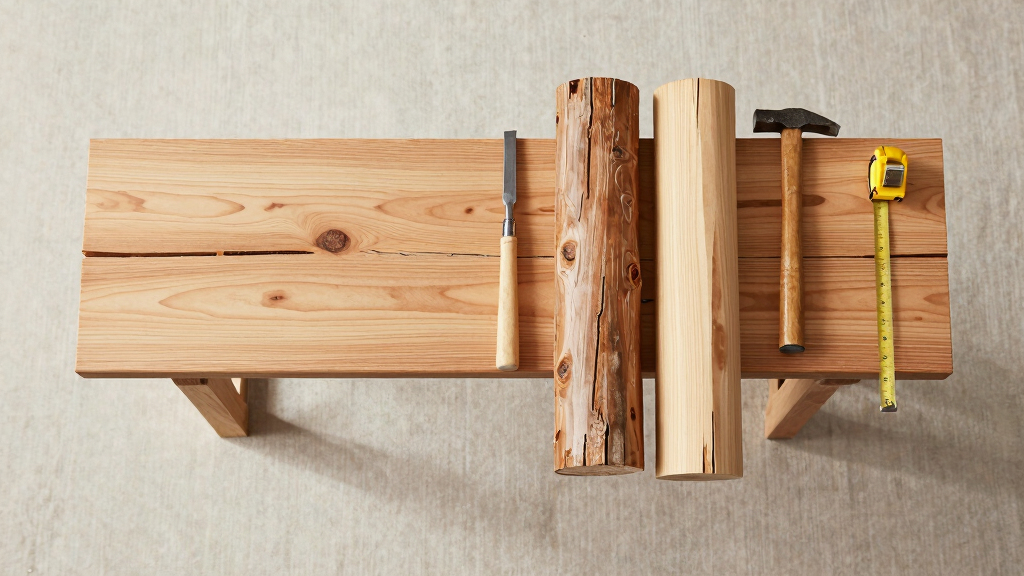
Knots, checks, and growth defects are like landmines in your logs. They cause sudden shifts or resistance during splitting. For example, a knot in oak can redirect your wedge, causing it to bounce or even shatter, especially if the knot is dense or tightly embedded. Checks—those cracks that run along the grain—can open up unexpectedly, making the split unpredictable and sometimes dangerous if the wood suddenly snaps or kicks back. These internal flaws are often hidden beneath the surface, but their presence can dramatically alter how a log responds to splitting forces.
Internal tension from improper drying or irregular growth patterns adds another layer of difficulty. A log might look perfect on the outside but harbor hidden stresses that cause it to split erratically or fight back. When you encounter these defects, the risks increase: tools can break, or logs can suddenly kick back, causing injury. Recognizing these issues early by inspecting for knots, checks, and irregular grain patterns allows you to plan your approach better, choosing the right tools and techniques to mitigate potential hazards. Ignoring internal defects can lead to wasted effort, damaged equipment, or worse, personal injury.
As an affiliate, we earn on qualifying purchases.
Tools and Techniques to Tame the Toughest Logs
When wood fights back, your tools are your best allies. For stubborn elm or oak, sharpen your axe until it’s razor-sharp—dull blades increase the risk of slipping and require more force, which can be dangerous. Use a heavy splitting wedge, and consider a hydraulic log splitter if the job gets tough. For pine or softer woods, gentle taps with a lighter axe or mallet often suffice, reducing fatigue and risk of mishandling. The key is to match your tools to the resistance level, ensuring efficient and safe splitting.
Pro tip: split along the grain whenever possible. For interlocked woods like elm, start with a smaller wedge to create a crack, then widen it gradually. Soaking logs beforehand can also soften fibers, making them easier to split. Additionally, maintaining proper technique—such as striking at the correct angle and with controlled force—reduces the chance of accidents and tool damage. In one scenario, a homeowner used a 6-pound splitting axe with a 36-inch handle, striking at a 45-degree angle. The result? A clean split in a knotty oak, demonstrating that choosing the right tools and techniques makes all the difference when confronting tough woods.
wood splitting tools for stubborn logs
As an affiliate, we earn on qualifying purchases.
As an affiliate, we earn on qualifying purchases.
Compare: Elm, Oak, and Pine — Who’s the Toughest?
| Feature | Elm | Oak | Pine |
|---|---|---|---|
| Grain Pattern | Interlocked, complex | Very tight, straight | Loose, soft |
| Density | High | Very high | Low |
| Splitting Difficulty | High, fights back | High, needs sharp tools | Low, easy to split |
| Best Technique | Gradual wedges, soaking | Sharp axes, wedges | Light taps, gentle wedges |
Safety First: How to Avoid Injuries When Wood Fights Back
Stubborn wood can surprise you. Always wear safety goggles, gloves, and sturdy boots. Secure logs firmly on a stable surface—never try to split a rolling or unstable piece. When using wedges or axes, strike accurately and avoid overexertion. Remember, a misstrike or a sudden kickback can cause serious injuries. Proper safety gear and secure positioning are your best defenses against accidents.
Safety isn’t just about gear; it’s also about awareness. Always stay alert for unexpected movements or cracks. If a log suddenly snaps or kicks back, step back immediately and reassess your approach. Taking your time and respecting the unpredictability of dense or defect-laden wood can prevent injuries. One experienced logger shared that safety was their top priority—wearing PPE and maintaining sharp tools prevented countless accidents, especially when working with dense woods like oak. Investing in proper safety measures ensures your work remains productive and injury-free.
Frequently Asked Questions
Why does my oak log sometimes crack or split unpredictably?
That’s often due to internal stresses, knots, or checks. Drying unevenly or improper storage can trap tension inside, causing unpredictable splits when you work on it. Recognizing these signs beforehand allows you to adjust your approach—perhaps soaking or carefully splitting around defects—to reduce risks and improve safety.How can I tell if a log is too dry or too green to split easily?
Green logs feel heavier, moist, and sometimes smell fresh or sap-filled. Dried logs are lighter, brittle, and may have cracks or checks. Testing with a small wedge can also reveal how easily it splits. Understanding these indicators helps you decide whether to soak, wait, or proceed carefully, balancing effort and safety.Is it better to soak wood before splitting? Which woods benefit most?
Soaking can soften wood, especially dense hardwoods like oak and elm. It reduces internal tension, making splitting smoother and less forceful. However, over-soaking can introduce new problems like warping or increased internal stresses. The key is to soak just enough to ease splitting without creating new hazards, especially with woods prone to cracking or checking upon drying.What safety gear should I always wear when splitting tough wood?
Wear safety goggles, heavy gloves, steel-toed boots, and long sleeves. Secure the log properly and use well-maintained, sharp tools to prevent slips and injuries. Recognizing the increased risk with dense or defect-laden wood underscores the importance of PPE and proper handling to prevent accidents.What’s the biggest mistake people make when splitting resistant woods?
Using dull tools, rushing, or ignoring internal defects. These mistakes increase the risk of tool damage or injury. Patience, sharp tools, and understanding the wood’s structure—such as avoiding forcing splits through knots or checks—are essential for safe, effective work. Balancing effort with caution ensures successful and injury-free splitting.Conclusion
Some woods are stubborn because of their very nature—dense grains, internal stresses, and defects. Recognizing these traits lets you plan your approach, pick the right tools, and stay safe. A smart splitter adapts, not fights blindly.
Next time you face a stubborn elm or oak, remember: patience, proper technique, and respect for the wood’s fight back. That’s how you turn a challenge into a clean, safe split.
Columbus Day / Indigenous Peoples' Day Picks
long weekend sales
As an affiliate, we earn on qualifying purchases.