
TL;DR
Open a free Amazon Business account
Business pricing, bulk buying and tax-exempt orders.
Create a free accountAs an affiliate, we earn on qualifying purchases.
Freezing temperatures reduce battery capacity and runtime, while gas snow blowers generally handle cold better but face issues like fuel gelling. Knowing these effects helps you choose the right tool for snowy winters.
Winter hits and you’re faced with a stubborn layer of snow. You grab your snow blower, but do you know how freezing temps could alter its performance? Whether you’re dealing with a battery-powered model or a traditional gas machine, cold weather changes the game.
In this guide, you’ll learn exactly what freezing temperatures do to both types of snow blowers. Plus, practical tips to keep your equipment running smoothly through the snowiest months. Knowing these nuances saves you time, frustration, and maybe even some broken parts.
Gas snow blowers handle extreme cold better due to engine design and fuel stability, but require extra maintenance.
Battery snow blowers are increasingly capable, especially with thermal management, but still see reduced runtimes in freezing temps.
Pre-warming batteries and using winter-grade fuel significantly improve performance in cold weather.
Heavy, wet snow challenges both types—timely clearing and proper machine size matter more in winter.
Choosing the right snow blower depends on your climate, snow volume, and willingness to do winter prep.
Battery vs Gas Snow Blowers in the Cold
Freezing temperatures shorten battery runtime and complicate gas-engine starts—but they do not affect both machines equally. The best winter performer depends on temperature, snow density, clearing area and how much preparation you are willing to do.
Two power systems. Two different winter weak points.
Gas usually keeps its heavy-snow advantage in extreme cold. Battery wins on instant operation, quietness and low maintenance—but cold-soaked cells can sharply reduce usable energy.
Gas: robust, but prep-dependent
Combustion engines can deliver sustained power in deep cold and dense snow. The tradeoff is a more demanding start: thick oil, stale fuel, carburetor trouble and poor fuel flow can mean extra pulls, uneven running or a stall.
Use fresh winter-grade gasoline with stabilizer, verify cold-weather oil viscosity and allow a brief warm-up before tackling the plow pile.
Battery: simple, but temperature-sensitive
Lithium-ion chemistry slows as temperatures fall. Voltage can sag under load, available capacity drops and dense snow drains the pack faster. Newer thermal-management systems help keep cells within a more productive temperature range.
Store packs indoors, install them immediately before clearing and keep a second warm battery ready for larger driveways or heavy snowfall.
| Feature | Gas snow blower | Battery snow blower |
|---|---|---|
| Deep-cold output | ✓Strong sustained output when fuel and oil are winter-ready. | ~Usable, but capacity and voltage fall as cells become colder. |
| Start-up | ~Choke, priming and warm-up may be needed. | ✓Push-button start if the battery is warm and charged. |
| Heavy, wet snow | ✓Higher-power models generally sustain auger speed better. | ~Dense snow increases current draw and shortens runtime. |
| Winter upkeep | ✗Fuel care, oil, plugs and carburetor attention add work. | ✓Low mechanical upkeep; battery storage is the priority. |
| Noise & local emissions | ✗Louder, with exhaust fumes and fuel odor. | ✓Quiet operation with no exhaust at the machine. |
| Extreme-cold reliability | ✓Usually favored for long jobs when correctly maintained. | ~Improves significantly with warm packs and thermal control. |
At 0°F, stored energy and usable runtime diverge.
Cold does not necessarily mean a damaged battery. It means slower internal reactions and less energy available under load. Warm storage can preserve much of the performance you paid for.
Illustrative usable battery capacity
Room-temperature baseline compared with common cold-weather outcomes.
Chemistry slows
Cold increases internal resistance, reducing the pack’s ability to release energy quickly under auger load.
Dense snow compounds it
Wet, compacted snow demands more torque, accelerating battery drain and challenging smaller engines too.
Heat changes the result
Indoor storage, insulated compartments and active thermal management help preserve capacity and startup power.
Preparation is the cheapest performance upgrade.
Winter reliability comes from controlling temperature, matching consumables to the season and clearing before snow becomes a dense, frozen mass.
Keep the pack warm
Store batteries in a dry, room-temperature location. Charge according to the manufacturer’s guidance, avoid prolonged outdoor storage and move the pack directly from indoors to the machine.
Stabilize the system
Use fresh seasonal fuel, add stabilizer when appropriate, confirm oil viscosity and inspect the plug, controls and carburetor before the first major storm.
Clear early, size correctly
Do not wait for wet snow to compact or refreeze. Match clearing width, stage count and power to snowfall depth, plow berms and total area.
The cold-weather performance chain
Check temperature, accumulation and whether the snow will be dry, wet or compacted.
Warm battery packs indoors or ready fresh fuel, stabilizer and cold-rated oil.
Start before snow compacts, use manageable passes and reduce speed through dense berms.
Brush off snow, dry the machine and return batteries to protected indoor storage.
The winner changes with the job.
Temperature matters, but clearing area and snow density often matter more. Buy for the hardest routine storm—not the easiest snowfall.
Small to medium residential areas
Best for shorter sessions, moderate snowfall, quiet neighborhoods and owners who can keep packs warm indoors. A spare battery adds useful resilience.
Deep cold, heavy snow, long runs
Best for large driveways, frequent storms, plow piles and extended clearing in sub-zero conditions—provided seasonal maintenance is handled.
Wet snow and major accumulation
For dense snow, the right stage count, intake height, torque and clearing width can outweigh the power-source debate altogether.
Gas remains the safer extreme-cold workhorse. Battery is the cleaner, easier residential option when packs are warm, capacity is sufficient and the snowfall matches the machine.
How Cold Temperatures Affect Gas Snow Blowers (And Why They Still Usually Win)
Gas snow blowers are built for cold. Their engines are designed to fire up and run in freezing temps. A typical gas engine can handle temperatures down to -20°F without much fuss. But that doesn’t mean they’re immune to cold-related issues.
In real-world winter, you’ll see problems like fuel gelling—when the gasoline thickens and clogs the carburetor—making startup tough. Plus, cold air causes oil to thicken, which can strain the engine.
For example, a homeowner in Minnesota might find their gas blower starts after a few extra pulls when temperatures dip below zero, thanks to the engine’s robustness. But if the fuel isn’t stabilized or the oil isn’t rated for cold, it can stall or run unevenly.
Pro tip: Use winter-grade fuel with fuel stabilizer, and run the engine briefly to warm up before plunging into heavy snow.
Understanding these issues matters because they highlight the importance of proper maintenance and preparation. A gas blower’s reliability in cold weather hinges on using the right fuel, oil, and warm-up procedures, which can be the difference between clearing snow smoothly or being stranded in the driveway.
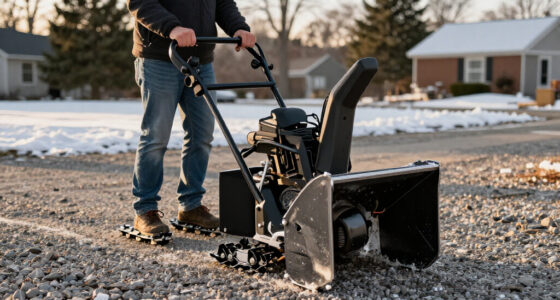
battery powered snow blower with thermal management
As an affiliate, we earn on qualifying purchases.
As an affiliate, we earn on qualifying purchases.
Battery Snow Blowers: What Freezing Temps Do to Power and Runtime
Battery snow blowers depend on lithium-ion cells, which are sensitive to cold. At 0°F, a typical battery can lose about 30-50% of its capacity. That’s like trying to run a marathon with a half-empty tank.
Imagine pressing the start button on a chilly morning—your battery might whimper, not roar. Runtimes shrink, sometimes by 40-60%, because chemical reactions inside slow down in the cold. This isn’t just a minor inconvenience; it can significantly extend your snow removal time, especially if you’re on a tight schedule or facing heavy snowfall.
Some models include thermal management—think of it as a cozy blanket for the battery—that keeps cells warm enough to perform. When batteries are kept warm, their chemical reactions stay active, preserving more of their capacity and ensuring your blower can work as expected.
Tip: Store batteries indoors overnight, and pre-warm them with insulated covers or battery warming pads before use. This simple step can prevent unexpected shutdowns and extend your working time, making winter snow removal less stressful.
Understanding the impact of cold on batteries emphasizes the need for proactive measures. Proper storage and pre-warming aren’t just convenience—they’re essential for maintaining performance and avoiding frustration during winter storms.
As an affiliate, we earn on qualifying purchases.
Comparison Table: Battery vs Gas Snow Blowers in Freezing Temps
| Feature | Gas Snow Blower | Battery Snow Blower |
|---|---|---|
| Performance in cold | Handles -20°F well; fuel gelling can occur, but with proper stabilization, reliability remains high. The engine’s design allows it to operate in extreme cold, but fuel quality and maintenance are critical for consistent performance. | Capacity drops 30-50% at 0°F; runtime shortens significantly. While thermal management can mitigate some loss, batteries still struggle with density and chemical slowdown, affecting overall efficiency. |
| Start-up ease | Requires choke; longer warm-up, but generally reliable if properly maintained. Cold starts may take longer, but engines are designed to handle this. | Instant start; battery may need pre-warming. Cold temperatures can cause batteries to act sluggish, so pre-warming improves reliability and reduces start-up time. |
| Maintenance | Fuel stabilization, oil changes, and winter-specific oil are essential. Proper winter maintenance ensures the engine remains reliable and prevents gelling and freezing issues. | Battery care, proper storage, and regular charging. Neglecting these can lead to reduced capacity and shorter lifespan, especially in freezing conditions. |
| Environmental impact | High emissions, noise, and fuel smell. Less eco-friendly, but proven in harsh conditions. | Quiet, zero emissions, and lower noise levels. Better for the environment and noise-sensitive areas. |
| Reliability in extreme cold | Generally reliable, but fuel gelling and oil viscosity are concerns. Proper maintenance minimizes downtime. | Can struggle in sub-zero unless equipped with thermal management. Advanced models with heating features perform better, but still face capacity reductions in deep cold. |
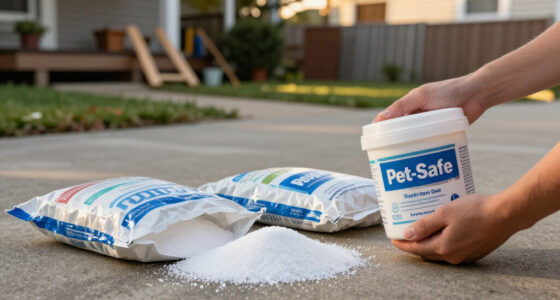
winter-grade fuel for snow blowers
As an affiliate, we earn on qualifying purchases.
As an affiliate, we earn on qualifying purchases.
How to Keep Your Snow Blower Running Smoothly in Freezing Temps
- For gas models, use winter-grade fuel and a fuel stabilizer. Run the engine for 10 minutes before heavy snowfalls. This warms the system and prevents gelling, ensuring reliable starts and operation.
- Keep batteries indoors overnight, and pre-warm with insulated covers or heating pads. This reduces the chemical slowdown inside the cells, maintaining power and prolonging runtime.
- Store batteries in a dry, room-temperature place, and avoid leaving them outside in the cold for long periods. Cold storage accelerates capacity loss and can damage the cells.
- Check oil levels and change to cold-weather oil if necessary. Proper viscosity ensures smoother operation and less strain on the engine or motor in low temperatures.
- Consider investing in models with thermal management features for colder climates. These systems actively warm the battery or engine, providing a significant advantage in prolonged cold snaps.
Think of your snow blower as a snow warrior. Proper prep means fewer breakdowns and longer runtimes, even in the nastiest weather.
Taking these steps minimizes the risk of breakdowns and maximizes efficiency, ensuring you can clear your driveway quickly and safely despite the cold.
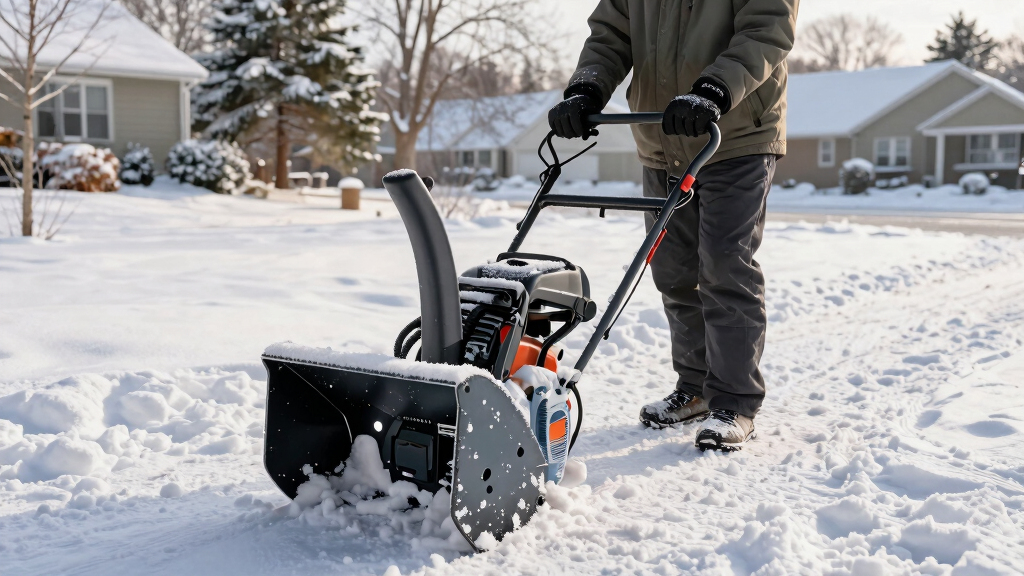
snow blower pre-warming accessories
As an affiliate, we earn on qualifying purchases.
As an affiliate, we earn on qualifying purchases.
Heavy Snow, Light Equipment? Think Again in Freezing Weather
Heavy, wet snow in freezing temps can choke even the best snow blower. Gas models with higher horsepower handle this better, but they need proper maintenance and fuel quality. Battery models might struggle with dense snow, especially in very cold zones.
For example, a homeowner in Alaska faced a 16-inch snowfall. Their gas blower powered through, but their neighbor’s battery blower ran out of juice halfway through. The heavy snow and cold just drained the battery faster.
In extreme cold, sometimes a larger, more powerful gas blower is worth the extra effort—especially for large acreage or frequent storms. Choosing the right size and power is crucial because underpowered equipment can clog or stall, leading to frustration and delays.
Tip: Clear snow early and often. Don’t wait for it to pile up, or you risk overloading your equipment. Regular, smaller passes reduce strain and improve overall efficiency, especially in freezing conditions.
Understanding these tradeoffs helps you select equipment that matches your typical winter weather, avoiding costly breakdowns or incomplete snow removal.
The Bottom Line: Which Snow Blower Wins in Freezing Temps?
In the battle of battery versus gas in cold weather, gas snow blowers still have the edge for reliability in extreme cold. They start easier, run longer in freezing temps, and are less affected by the chill. But battery technology is catching up fast, especially with new thermal management innovations that help mitigate capacity loss.
If you live in a region with mild cold, a battery blower can do the job perfectly, offering convenience and lower emissions. For harsh, prolonged freezes, a gas machine remains the safer choice because of its proven resilience and consistent performance in extreme conditions.
Either way, prep is key. Proper storage, warming, and maintenance make all the difference in winter’s toughest conditions, regardless of the type you choose. Recognizing the tradeoffs allows you to select equipment best suited for your climate and workload, ensuring effective snow removal with fewer headaches.
Frequently Asked Questions
Can a battery snow blower really work in sub-zero temperatures?
Yes, but expect shorter run times. Pre-warming the battery and using models with thermal management can help maintain performance down to -10°F or lower.
Is a gas snow blower more reliable than a battery one in winter?
Generally yes, especially in extreme cold, because gas engines are designed for low temperatures and aren’t affected as much by the chill. However, proper fuel stabilization is critical.
How do I extend my battery’s life in winter?
Store batteries indoors, keep them at room temperature, and pre-warm them with insulated covers or heating pads before use. Also, avoid leaving batteries outside in sub-zero weather for long periods.
What’s the biggest mistake people make with snow blowers in cold weather?
Ignoring proper storage—like leaving fuel in the tank or batteries outside—leads to poor performance and costly repairs. Regular maintenance and winter prep are essential.
Should I switch to a gas blower if I experience frequent heavy snow and cold?
If you face regular heavy, wet snow in freezing conditions, a gas blower with higher horsepower and proper maintenance will handle the workload better. Battery models are improving but still struggle with dense, icy snow in the coldest zones.
Conclusion
When winter’s grip tightens, your choice between battery and gas snow blowers hinges on reliability and climate. Gas models still reign in extreme cold, but battery tech is closing the gap fast—especially with smart prep.
Remember, a well-maintained snow blower, warmed and ready, transforms a snowy headache into a manageable chore. No matter what you choose, staying ahead of the cold will keep your driveway clear and your winter stress low.
Flea & tick season Picks
flea and tick prevention
As an affiliate, we earn on qualifying purchases.