
TL;DR

Get business pricing on tools and workshop supplies
- Business-only prices and quantity discounts
- Tax-exempt purchasing
- Multiple users, one account, clear invoices
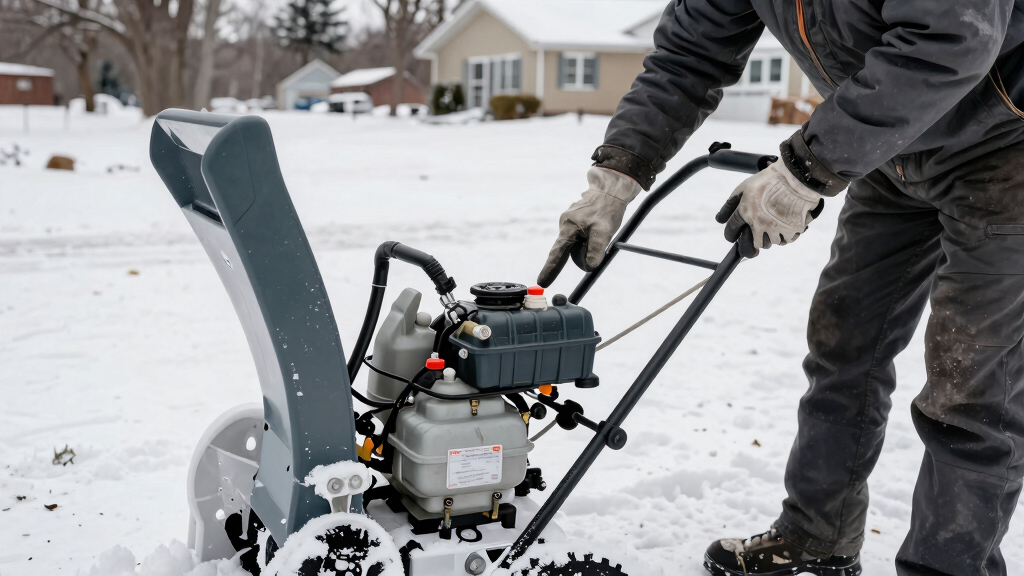
A snow blower that won’t start after storage usually faces issues like old fuel, gummed carburetors, or fouled spark plugs. Regular maintenance and quick fixes—like cleaning the carburetor or replacing the spark plug—can bring it back to life, saving you time and money.
Drain or stabilize fuel before long-term storage to prevent gum buildup.
A clogged carburetor is a common cause of starting issues and can often be cleaned DIY-style.
Inspect and replace the spark plug if it’s fouled or worn for reliable sparks.
Fresh fuel, proper carb maintenance, and spark checks restore snow blower reliability.
Safety precautions are mandatory — never work on a hot engine or without disconnecting spark wires.
Snow Blower Won’t Start After Storage
Carb, fuel and spark fixes for the sputter, cough or complete silence that greets you after a long summer. Most failures trace to three serviceable systems—and the fastest diagnosis starts with the fuel tank.
01 / Root-cause triage
The three culprits behind a silent engine
Combustion needs usable fuel, a correctly metered air-fuel mixture and a strong spark. Storage can compromise all three.
Stale gasoline
Volatile compounds evaporate while oxidation creates gum and varnish. The result may smell sour, appear cloudy or leave sticky residue around the cap and tank.
Won’t start · sputtersGummed carburetor
Old-fuel residue blocks tiny jets and passages, starving the engine or upsetting the precise air-fuel ratio needed for a clean start.
Starts then stalls · runs roughFouled spark plug
Black soot, corrosion, electrode wear or an incorrect gap can weaken or eliminate the spark that ignites the fuel-air mixture.
Weak spark · no ignition02 / Diagnostic priority
Start where the odds are highest
The visual weighting below is a troubleshooting priority—not a model-specific failure-rate study. Fuel and carburetor residue deserve the first inspection.
03 / Recovery sequence
Six steps back to a reliable start
Work from the easiest, highest-probability fix toward deeper disassembly. Check your manual for model-specific procedures and specifications.
04 / Symptom-to-fix matrix
What fixes what?
Match the machine’s behavior to the most likely system, then verify before replacing parts.
| Observed problem | Likely cause | Best first fix | Decision |
|---|---|---|---|
| Engine will not start | Old or degraded fuel | Drain completely; refill with fresh stabilized gasoline | ✓DIY friendly |
| Sputters, surges or stalls | Clogged carburetor jet or passage | Clean carburetor; rebuild if deposits or seals are severe | ~Moderate |
| No spark or weak spark | Fouled, worn or incorrectly gapped plug | Inspect, clean and gap; replace if damaged or eroded | ✓DIY friendly |
| Still dead after basic fixes | Coil, wiring, fuel line or control fault | Test ignition and fuel delivery; consult a technician | ✗Escalate |
Fuel reset
Fuel older than about 30 days can lose volatility, particularly in warm or humid storage. Drain safely into an approved container before refilling.
Carb service
Remove deposits with carburetor cleaner and clear jets without enlarging their openings. A rebuild kit replaces worn gaskets, seals and metering parts.
Spark check
Remove the plug and examine the electrode. Light dirt may clean off; heavy carbon, cracking, corrosion or electrode erosion calls for replacement.
05 / Safety lockout
Safety is step zero
Fuel vapor, moving components, hot surfaces and accidental ignition make shortcuts dangerous. Prepare the workspace before touching the engine.
06 / Storage prevention
Make next winter’s first pull easier
Preventive maintenance before and after storage protects small fuel passages, improves reliability and can extend equipment life.
Drain or stabilize?
If storage exceeds 30 days, follow the manufacturer’s guidance: drain the system or use fresh fuel with the correct stabilizer dose. Some stabilizers can preserve fuel for up to 12 months.
How often to maintain?
Inspect the spark plug, filters, fuel condition, controls and carburetor before storage and again before the snow season begins.
Where should it sit?
Choose a dry, sheltered, ventilated location away from moisture and ignition sources. Clean the unit and follow all fuel-storage safety requirements.
Why Your Snow Blower Won’t Start After Storage — The Real Culprits
Your snow blower’s failure to fire up often traces back to three main offenders: stale fuel, gummed-up carburetor, and fouled spark plug. Old fuel turns to varnish, which is a sticky, resinous deposit that clogs jets and tiny passages, disrupting fuel flow. The carburetor, which is responsible for mixing air and fuel in precise ratios, can become clogged with this varnish, leading to poor or no fuel delivery. Meanwhile, a spark plug can become fouled or worn, preventing a strong spark at the right moment. Recognizing these issues is crucial because each affects the engine’s ability to start and run smoothly. If ignored, they can cause long-term damage, leading to more costly repairs. Addressing them early ensures reliable operation and extends the lifespan of your equipment. Understanding the root cause helps you choose the most effective fix—whether it’s cleaning, replacing, or adjusting components—saving time and money in the process.
Popular right now
Dyson Car+Boat Cordless Handheld Vacuum

Bose QuietComfort True Wireless Earbuds with Active Noise Cancellation, Black

Samsung 48-Inch S90H OLED 4K Smart TV (2026)
As an affiliate, we earn on qualifying purchases.
How to Tell If Old Fuel Is Killing Your Start Attempts
Fuel degrades over time due to evaporation of volatile compounds and chemical changes that produce varnish and gum. After about 30 days of storage, especially in warm or humid conditions, fuel can lose its combustibility and cause starting problems. Recognizing the signs of stale fuel is essential because it directly impacts engine performance. A sour smell, often likened to sour milk or rotten apples, indicates oxidation and microbial growth. A thick, varnish-like residue on the fuel cap or in the tank suggests the fuel has turned into a sticky, resinous mess that won’t burn properly. Using stale fuel can lead to engine sputtering, hesitation, or failure to start altogether. The best practice is to drain old fuel and refill with fresh, stabilized gasoline. Stabilizer additives prevent oxidation and gum formation, maintaining fuel quality over extended periods. This simple step can significantly improve starting reliability, especially after long storage. Regularly inspecting and replacing fuel ensures your snow blower remains ready when you need it, avoiding frustrating delays and potential engine damage caused by improper fuel.
Cleaning or Rebuilding the Carburetor — Your Best Bet for a Smooth Start
The carburetor acts as the engine’s fuel gatekeeper, precisely metering the mixture of air and fuel for optimal combustion. When it’s filled with gunk—residue from old fuel, varnish, or dirt—it can clog the jets and passages, starving the engine of the correct mixture. This often results in difficulty starting, rough running, or stalling. Cleaning or rebuilding the carburetor is essential because it restores proper fuel flow and mixture regulation. Cleaning involves removing the carburetor, soaking it in carburetor cleaner, and manually brushing out the jets and passages to remove deposits. For stubborn buildup, rebuilding with a kit replaces worn gaskets and parts, ensuring the carburetor functions as new. Proper cleaning prevents unnecessary engine strain, improves starting performance, and enhances fuel efficiency. While it may seem tedious, this process is cost-effective and can be done with basic tools and patience. Regular maintenance, including carburetor cleaning before storage and when issues arise, ensures your snow blower starts reliably every winter season, preventing long-term damage and costly repairs.
Spark Plug Troubleshooting — When to Replace or Clean
The spark plug is the engine’s ignition switch, igniting the fuel-air mixture at just the right moment. A fouled or worn spark plug can cause misfires, weak sparks, or no spark at all, making starting difficult or impossible. To diagnose, remove the plug and inspect its electrode for black soot, corrosion, or damage. A heavily carbon-fouled plug indicates excess oil or rich mixture, while a worn or eroded electrode can cause weak sparks. If it’s dirty but otherwise in good shape, cleaning with a wire brush and checking the gap—ideally around 0.025 inches—is often enough to restore function. If the plug is damaged, excessively fouled, or beyond the recommended gap, replacement is the best option. A new spark plug provides a reliable spark, ensuring proper combustion and smooth engine startup. Regular inspection and timely replacement prevent starting issues, improve fuel economy, and extend engine life. Think of it as giving your engine a fresh pair of shoes—simple but effective for reliable performance.
Quick Comparison: Fuel, Carburetor, Spark — What Fixes What?
| Problem | Likely Cause | Fix |
|---|---|---|
| Engine won’t start | Old fuel | Drain and refill with fresh fuel, add stabilizer |
| Engine sputters or stalls | Clogged carburetor | Clean or rebuild carburetor |
| No spark or weak spark | Fouled or worn spark plug | Inspect, clean, or replace spark plug |
Step-by-Step: Getting Your Snow Blower Back in Action
- Drain old fuel if it’s more than 30 days old. Use a siphon or drain plug.
- Refill with fresh, stabilized fuel.
- Remove the spark plug. Inspect for fouling and replace if necessary.
- Remove the carburetor and soak it in cleaner or replace rebuild kit.
- Reassemble and check choke and throttle settings.
- Try starting the engine with the choke on, then adjust as needed.
Safety First: What Not to Do When Fixing Your Snow Blower
Always disconnect spark plug wires before working on the engine. Never work on a hot engine; let it cool down first. Use gloves and eye protection when handling carburetor cleaner or replacing parts. If you’re unsure about opening the carburetor or electrical system, call a professional.
For example, I’ve seen homeowners get a nasty shock or cause more damage by working on a hot, running engine. Safety isn’t optional — it’s the first step to a quick fix.
Frequently Asked Questions
How do I know if my fuel is too old to use?
If your fuel smells sour or varnish-like and appears cloudy or sticky, it’s too old. Drain it out and replace with fresh, stabilized gasoline for reliable starting.Can I clean the carburetor without removing it?
Yes, many homeowners remove the carburetor and soak it in carb cleaner, then brush out jets and passages. For stubborn buildup, rebuilding the carburetor with a kit is often the best route.How often should I perform maintenance on my snow blower?
Check and replace the spark plug, inspect the carburetor, and stabilize fuel before storage. Doing this seasonally keeps your machine reliable year after year.Is it safe to work on my snow blower myself?
Yes, if you follow safety steps: disconnect spark wires, wait for the engine to cool, and wear PPE. For complex repairs or electrical issues, consult a professional.What’s the biggest mistake people make after winter storage?
Many forget to drain or stabilize fuel, leading to clogged carburetors and fouled spark plugs. Proper prep prevents these headaches and ensures quick starts.Conclusion
A stubborn snow blower that refuses to start after storage often masks simple issues. With some basic steps—drain stale fuel, clean the carburetor, and replace a spark plug—you can be back to clearing snow in no time. Regular maintenance and proper storage turn this headache into a quick fix, ensuring your equipment’s ready when winter hits.Think of your snow blower as a trusted tool — treat it right, and it’ll serve you well for many seasons. Now, get out there and make sure that next storm doesn’t catch you unprepared.