
TL;DR

Get business pricing on tools and workshop supplies
- Business-only prices and quantity discounts
- Tax-exempt purchasing
- Multiple users, one account, clear invoices
Single-stage snow blowers are best for small driveways and light snow, while two-stage models excel on larger areas and heavy snowfall. Consider driveway length and snow depth to pick the right tool, saving time and effort.
Winter storms hit, and suddenly, your driveway becomes a battleground of snow and ice. Picking the right snow blower isn’t just about brand or price — it’s about matching your driveway size and typical snowfall. Get it wrong, and you could spend hours shoveling or buy equipment that’s overkill.
In this guide, you’ll see how driveway length and snowfall volume shape your choice between single-stage and two-stage snow blowers. No fluff, just straight talk. Because when the snow piles up, you need a clear plan. Let’s make sure your winter prep is spot-on, so you’re not left freezing behind a mountain of snow.
Driveway length is a key factor—longer driveways benefit from two-stage blowers for efficiency.
Heavy, wet snow demands the power of a two-stage model; single-stage struggles and clogs.
Electric single-stages are great for small driveways and light snow but may fall short in harsh conditions.
Cost and maintenance are worth considering—single-stage models are cheaper and easier to manage.
Safety is critical—always wear PPE and follow manufacturer instructions, especially with larger gas-powered models.
Single-Stage vs Two-Stage Snow Blowers
Match the machine to your driveway length and typical snow load. A compact single-stage clears short, lightly covered pavement quickly; a powerful two-stage earns its space when distance, depth and wet snow multiply the work.
One motion or a two-part power train?
The “stage” count describes how snow travels through the machine. That mechanical difference determines which blower stays productive as snow becomes deeper, wetter and heavier.
Single-stage
One fast-spinning auger gathers snow and throws it through the chute. It is easy to maneuver, store and maintain, but dense snow can overwhelm the single action.
Two-stage
An auger gathers snow while a separate high-speed impeller ejects it. The divided workload keeps material moving through deep drifts and wet end-of-driveway piles.
Driveway length is workload
A longer route repeats every pass, turn and overlap. Wider intake and self-propelled power matter more with every additional foot—especially when the snow is dense.
Relative clearing workload
The 70-foot reality check
Choose for the storm you actually get
Light powder is forgiving. Wet snow above roughly 10–12 inches exposes the limits of a lighter auger, increasing clogging, stalling and repeat passes.
| Decision factor | Single-stage | Two-stage | Practical verdict |
|---|---|---|---|
| Driveway under 50 ft | ✓ Strong fit | ~ Often overkill | Favor compact handling |
| Driveway 50–100+ ft | ~ Slower | ✓ Strong fit | Favor width and propulsion |
| Snow up to 6–8 in | ✓ Efficient | ✓ Capable | Single-stage usually wins on value |
| Wet or 12–24 in snow | ✗ Clog risk | ✓ Designed for it | Two-stage is the clear choice |
| Low storage and upkeep | ✓ Advantage | ✗ More demanding | Electric single-stage is simplest |
| Gravel or uneven surface | ✗ Poor match | ✓ Better control | Use adjustable two-stage skid shoes |
Four checks, one practical answer
Start with the fixed geometry, then add winter intensity. Budget and storage should refine the answer—not erase a genuine need for capacity.
Measure
Record driveway length, width, slope and surface type.
Load
Use typical storm depth and whether snow is dry or wet.
Multiply
Long distance plus deep, dense snow raises capacity needs fast.
Select
Choose intake width, power source and storage footprint.
Your winter-fit verdict
Buy for the demanding recurring storm, not the easiest snowfall of the year. A little extra capacity is useful; unused bulk and maintenance are not.
Choose single-stage electric
Best for paved driveways near 20 feet, snowfall around 6–8 inches, easy storage and low maintenance.
Compare conditions
A capable cordless model may work, but frequent wet storms or slopes can justify stepping up to two-stage.
Choose two-stage
Best for 50–100+ feet, gravel, deep drifts and recurring wet snow where faster clearing repays the cost.
What Do Single-Stage and Two-Stage Snow Blowers Do Differently?
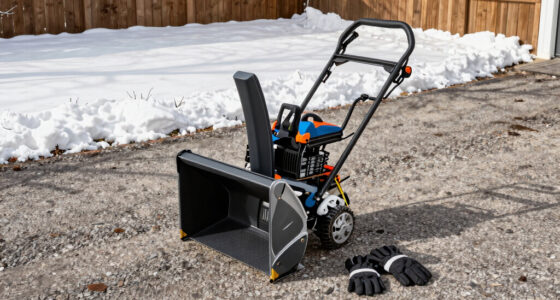
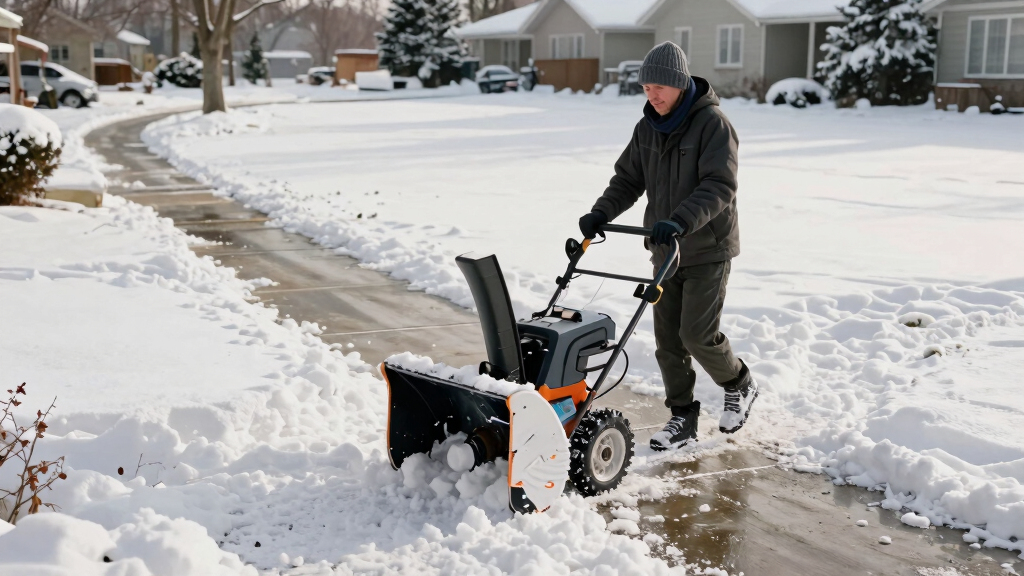
Single-stage snow blowers use an auger that both collects and throws snow. They’re lightweight, compact, and perfect for light to moderate snow—think 6 to 8 inches deep. They’re your quick, easy fix for smaller driveways or walkways.
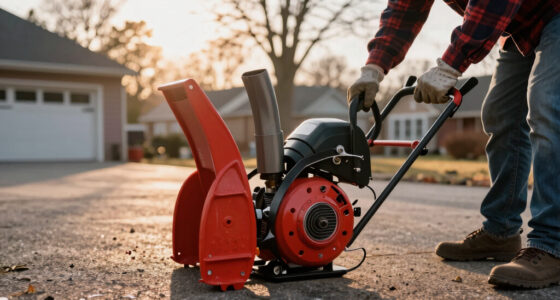
Two-stage models split the work: an auger gathers snow, and a separate impeller throws it out. They’re bigger, heavier, and pack more power. They handle wet, heavy snow—sometimes up to 24 inches deep—and clear larger areas fast. They’re what you need if your driveway stretches over 50 feet or you get frequent, heavy storms.
Popular right now

Ninja Flip Toaster Oven and Air Fryer, 8-in-1, Stainless Steel, SP151

Shark Rocket Pet Plus Corded Stick Vacuum, Bordeaux, HV322

Apple AirPods Pro 3 Wireless Earbuds with Active Noise Cancellation
As an affiliate, we earn on qualifying purchases.
How Driveway Length Dictates Snow Blower Choices
A 20-foot driveway? A single-stage snow blower will probably do the trick. It’s lightweight, easy to handle, and gets the job done in 10-15 minutes. But stretch that driveway to 100 feet or more? You’ll start wishing for a two-stage model.
Two-stage blowers can clear 50% more area per hour thanks to their wider intake (up to 30 inches) and stronger motors. Imagine dragging a single-stage through a long, snow-covered driveway—you’re fighting against the clock and your muscles. Two-stages cut your cleanup time dramatically, especially in heavy snow.
Real-world scenario: A homeowner with a 70-foot driveway in a snowy locale finds that a two-stage clears it in about 20 minutes, while a single-stage takes over 45 minutes—and leaves snow behind.
Snowfall Volume and Snow Blower Power: What You Need to Know
Heavy, wet snow—think 12 inches or more—clogs lighter machines. Single-stage blowers struggle with dense snow because their auger can’t throw wet, heavy material effectively. They tend to clog, stall, or leave snow in piles.
Two-stage models excel here. They handle denser snow with ease, thanks to their powerful motors and larger intake widths. They can clear wet snow down to pavement, reducing clogging and re-clearing.
Example: After a 10-inch snowstorm, a single-stage might clog after a few passes, while a two-stage keeps working smoothly—saving you hours of frustration.
Power Sources Matter: Gas or Electric?
Single-stage snow blowers come in electric and small gas-powered models. Electric ones are quiet, zero emissions, and easy to store—ideal for small driveways and light snow. Gas models pack more punch but are heavier, noisier, and require maintenance.
Two-stage blowers are almost always gas-powered. Their engines need the power to handle heavy snow and larger areas. They’re heavier but built for durability and extended use.
Example: You might pick an electric single-stage for a cozy 20-foot driveway in a snow-light town. But if you have a long, snow-heavy route, a gas-powered two-stage is your best bet.
Recent Trends Making Snow Blowers Smarter and Greener
Electric and battery-powered single-stage blowers are becoming more capable. Advanced batteries now last longer, throw snow farther, and handle moderate storms without breaking a sweat. Some models even include heated handles and LED headlights.
Two-stage models are catching up with larger intake widths, adjustable speeds, and smarter ergonomic features. Plus, electric two-stages are emerging, blending power with eco-friendliness.
Real-world example: A homeowner with a mid-sized driveway in a snowy region upgraded to a cordless electric single-stage, and now clears snow faster without fumes or noise.
Cost, Maintenance, and Storage — What’s the Real Deal?
Single-stage blowers are less expensive, often under $500, and easier to store because they’re compact. They need less maintenance—no oil changes, fewer moving parts.
Two-stage models cost more—often $800 to $2000—and require regular engine maintenance, oil changes, and more storage space. They’re built tough, but keep that in mind.
Example: A homeowner with a small driveway appreciates how a $400 electric single-stage fits easily in the garage, while a large property with a long, snow-prone driveway invests in a $1500 gas two-stage for durability.
Safety Tips for Handling Big Snow Equipment
Larger, gas-powered two-stage blowers pack a punch. Always wear PPE—gloves, goggles, ear protection. Power off and disconnect spark plugs before maintenance. Keep bystanders at a safe distance.
For electric models, avoid water contact and inspect cords regularly. Read the manual—safety features like shut-off switches save lives.
Example: A homeowner who ignored safety gear during maintenance suffered a minor injury. It’s a reminder—respect the power, respect the snow.
Picking the Right Snow Blower for Your Winter Fight
Ask yourself: How long is my driveway? How heavy is my typical snowfall? Do I get wet, dense snow often? Your answers guide your choice. For short, light snow seasons, a single-stage electric is perfect. For long, snowy winters with wet storms, a gas two-stage is king.
Match features to your needs: intake width, engine power, ease of storage, and budget. It’s better to buy slightly over your needs than struggle with the wrong machine all winter.
Example: A rural homeowner with a 100-foot gravel driveway and frequent 18-inch storms chooses a rugged two-stage, saving hours of shoveling each season.
Frequently Asked Questions
Can a single-stage snow blower handle heavy, wet snow?
Single-stage snow blowers often struggle with heavy, wet snow because their augers tend to clog or stall. For dense, heavy snowfall, a two-stage model’s higher power and larger intake width make clearing much easier and faster.
Is an electric snow blower powerful enough for my large driveway?
Electric models work well for small to medium driveways with light to moderate snow. For larger driveways or frequent heavy storms, a gas-powered two-stage blower offers the power and capacity needed for quick, reliable clearing.
How much should I expect to spend on a good snow blower?
Single-stage electric blowers can start around $300-$500, while gas-powered single-stages are usually $400-$700. Two-stage models range from $800 to over $2000, depending on size, features, and power. Think about your driveway size and snow load before investing.
What safety precautions should I follow with larger snow blowers?
Always wear PPE—gloves, goggles, ear protection. Keep bystanders at a safe distance. Power off and disconnect spark plugs before maintenance. Follow the manual’s safety instructions to prevent injuries and accidents.
Conclusion
Choosing the right snow blower turns a winter nightmare into a manageable task. Think about your driveway length, snowfall volume, and snow type. When in doubt, lean towards a two-stage for larger areas or heavy storms, but don’t dismiss the simplicity of a single-stage for lighter, smaller jobs.
Remember, the best snow blower is the one that gets you through winter without drama. Stay prepared, stay safe, and clear that driveway with confidence.