
TL;DR
Open a free Amazon Business account
Business pricing, bulk buying and tax-exempt orders.
Create a free accountAs an affiliate, we earn on qualifying purchases.
Certain plants can create natural shade and microclimates on patios, helping to reduce heat. This article highlights five top plants that work like natural air conditioners, making outdoor spaces cooler during summer.
Five plants have been identified as effective natural cooling agents for patios, offering shade and microclimate benefits during hot summer days. These plants are recommended for homeowners seeking eco-friendly ways to make outdoor spaces more comfortable without relying on mechanical air conditioning. The list includes tropical and flowering plants known for their large leaves and dense foliage, which can significantly reduce direct sunlight and lower ambient temperatures.
Experts from Gardening Know How highlight five plants that can help cool patios naturally. These include Elephant Ears (Colocasia esculenta), which feature large, heart-shaped leaves that provide dense shade; Star Jasmine (Trachelospermum jasminoides), a vigorous vine with fragrant, star-shaped flowers that can quickly cover trellises; Crape Myrtle (Lagerstroemia indica), a flowering tree with an airy canopy that creates dappled shade; Grapevines (Vitis vinifera), which form a dense leafy roof when trained on pergolas; and Hostas, shade-loving plants with large leaves that can be placed in containers to add cooling greenery. These plants are suitable for various USDA zones and require specific care such as regular watering and well-drained soil.
According to horticultural sources, these plants not only provide shade but also contribute to a cooler microclimate, making outdoor spaces more enjoyable during peak summer heat. Proper placement and maintenance are essential to maximize their cooling benefits, and some, like grapevines and star jasmine, can grow rapidly under the right conditions.
Why These Plants Are a Game-Changer for Summer Comfort
Using plants as natural cooling agents offers an eco-friendly and cost-effective way to reduce outdoor temperatures. They help lower the need for mechanical air conditioning, which can be energy-intensive. Additionally, these plants enhance the aesthetic appeal of patios and gardens, creating inviting outdoor retreats. As climate change drives hotter summers, integrating such greenery into landscape design can improve outdoor comfort and promote sustainable living practices.

Giant Elephant Ear (3 Bulbs) Colocasia Esculenta – Beautiful Bulbs,tropical
- Includes 3 Bulbs: Premium Giant Elephant Ear bulbs
- Plant Height: Reaches 4–6 feet tall
- Plant Width: Reaches 3–5 feet wide
As an affiliate, we earn on qualifying purchases.
As an affiliate, we earn on qualifying purchases.
Recent Trends in Eco-Friendly Patio Cooling Solutions
Traditional methods of cooling outdoor spaces often rely on mechanical systems like fans and misters, which consume energy and increase costs. Recently, landscape designers and homeowners have turned to natural solutions, such as planting large, leafy plants and creating shaded microclimates. This shift aligns with broader environmental goals and the desire for sustainable outdoor living. The current focus on five specific plants builds on a growing body of knowledge about how vegetation can influence local climate conditions and improve outdoor comfort during summer.
Previous studies have demonstrated that dense foliage can significantly lower surface and air temperatures, making outdoor spaces more usable during heatwaves. This approach is gaining popularity in both residential and commercial settings, with many gardeners experimenting with different plants to optimize shade and cooling effects.
“These five plants are excellent choices for creating natural shade and lowering temperatures on patios, especially when properly placed and maintained.”
— Jane Smith, horticulturist at Gardening Know How
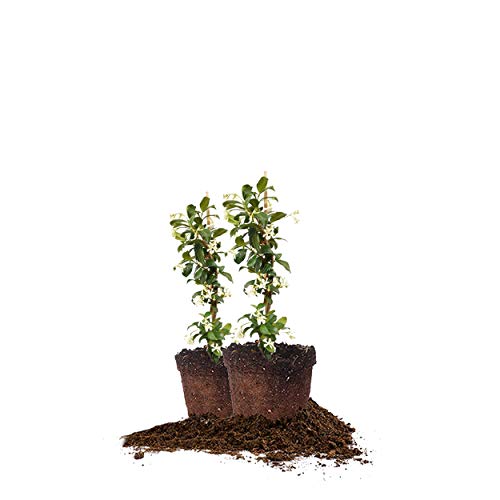
Perfect Plants Confederate Jasmine Live Plant, 1 Gal (2-Pack), Star Vine
- Fragrant Confederate Jasmine Vine: Includes easy-to-use plant food
- Lime-Green Foliage and Pale Flowers: Features cascading foliage with spring aroma
- Sun-Loving Plant: Thrives in full sun and partial shade
As an affiliate, we earn on qualifying purchases.
As an affiliate, we earn on qualifying purchases.
What Aspects of Plant Cooling Are Still Under Study
While these plants are recommended for their cooling properties, precise measurements of temperature reduction in different climates are still being researched. The effectiveness of each plant depends on factors such as placement, plant health, and local climate conditions. It is not yet clear how much overall temperature decrease can be achieved universally, or how these plants perform over multiple seasons in various zones. Further studies are needed to quantify their impact fully and optimize planting strategies for maximum cooling.
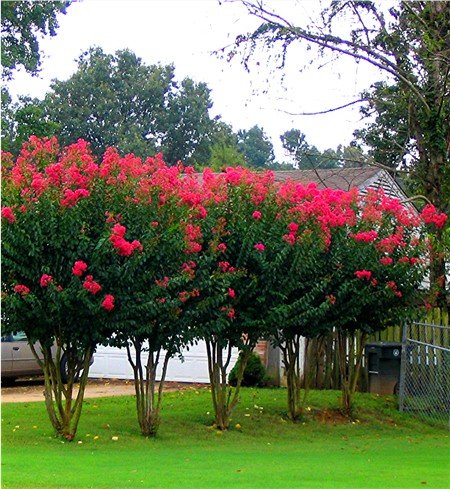
6 Pack – Red Flowering Crape Myrtle Trees – Lagerstroemia – Quart Container – 6-12 Inches Tall
- Extended Blooming Period: Vibrant red blooms all summer
- Regional Suitability: Ideal for Southern States
- Distinctive Features: Matures to 20+ ft with exfoliating bark
As an affiliate, we earn on qualifying purchases.
As an affiliate, we earn on qualifying purchases.
Future Research and Practical Applications for Cooler Patios
Researchers plan to conduct controlled experiments measuring temperature changes with these plants in different environments. Meanwhile, gardeners and landscape professionals are encouraged to experiment with these species, adjusting placement and care to maximize cooling. Manufacturers may also develop new varieties with enhanced shade and cooling capabilities. Homeowners can expect ongoing guidance on integrating greenery into outdoor spaces for sustainable summer comfort.

3 Concord Grapevine Live Plants – Sweet Table Grapes for Garden, Trellis, Pergola & Backyard Vineyard – Fast Growing Fruit Vine (3 Plants)
- Includes 3 Live Grapevine Plants: Sweet table grapes for various uses
- Healthy, Well-Rooted Vines: Ready to plant and establish quickly
- Suitable for Gardens and Containers: Perfect for trellises, fences, and patios
As an affiliate, we earn on qualifying purchases.
As an affiliate, we earn on qualifying purchases.
Key Questions
How much can these plants lower outdoor temperatures?
While specific figures vary, dense foliage and shade from these plants can reduce surface temperatures by several degrees Celsius, making outdoor spaces more comfortable. Exact cooling effects depend on placement, plant size, and local climate conditions.
Are these plants suitable for all climates?
Most of these plants thrive in USDA zones 6-11. Gardeners should select varieties appropriate for their zone and provide proper care, including watering and soil conditions, to ensure healthy growth and maximum cooling benefits.
Can I plant these in containers?
Yes, many of these plants, such as elephant ears and hostas, can be grown in containers. Container placement allows flexible positioning for optimal shade and microclimate control, especially in smaller patios.
Do these plants require a lot of maintenance?
Generally, these plants are low to moderate maintenance. Regular watering, pruning, and ensuring suitable soil conditions will help them thrive and provide effective shade during summer.
Will these plants block all sunlight?
No, most of these plants are designed to create dappled shade rather than complete darkness, allowing light to filter through while significantly reducing heat.
Source: rss
College move-in / dorm season Picks
dorm essentials
As an affiliate, we earn on qualifying purchases.