
TL;DR

Get business pricing on tools and workshop supplies
- Business-only prices and quantity discounts
- Tax-exempt purchasing
- Multiple users, one account, clear invoices
A ratchet strap’s working load limit (WLL) is its rated working capacity under specified conditions; it is not its breaking strength or a cargo-weight allowance for one strap. Read the label, account for the full assembly and anchor points, arrange enough tie-downs to prevent movement, protect the webbing, and recheck the load during the trip.
A strap can feel rock solid in your hands and still be the weak link on the road. The number printed on its label only helps when you know what it rates, and how the strap works with the ratchet, hooks, trailer anchors, and cargo.
This guide explains working load limit (WLL), how it differs from breaking strength, and why a strap’s rating does not tell you how much cargo one strap can safely hold. You’ll learn how to check labels, plan tie-downs for a mower or yard cart, protect webbing from sharp edges, and spot damage before a rough road turns it into a problem.
Think of a tie-down as a team carrying a heavy bench: the team is only as capable as its least secure grip. Once you understand each part’s job, you can make safer choices without guessing from strap color or width.
Use the label’s WLL as the working rating; never treat breaking strength as allowable load.
Check the full assembly from cargo anchor to trailer anchor because the weakest rated or damaged part limits effective capacity.
Plan restraints around cargo weight, shape, friction, movement, anchor points, and tie-down angles; WLL alone does not set the number of straps.
Protect webbing from sharp edges, abrasion, heat, chemicals, twists, and knots, and retire damaged or unlabeled straps.
Recheck both the cargo and the straps after starting and periodically during transport, following relevant rules and manufacturer instructions.
Ratchet Strap Working Load Limits Secure Equipment Safely
A strap’s working load limit (WLL) is its rated capacity under specified conditions. Safe restraint depends on every part of the assembly and how it is arranged for the cargo.
WLL and Breaking Strength
These ratings describe different things. Use the working rating for restraint planning.
- Rated working limit under stated conditions
- Applies to the identified strap or component
- Force at which a component may fail in a test
- Never use it as the allowable load
Check the Whole Assembly
The weakest rated or damaged part limits the effective capacity.
Read the label
Confirm the rating and what component it applies to. Never estimate capacity from color or width.
Trace each connection
Check the webbing, ratchet, hooks, end fittings, and trailer anchor points.
Retire questionable gear
Do not use damaged or unlabeled straps, or assemblies with unsuitable anchors.
Plan Restraint for the Cargo
WLL alone cannot tell you how many straps to use or where to place them.
Consider weight, size, shape, friction, wheels, and likely movement.
Use attachment points intended for securing cargo and check their condition.
Arrange restraints to resist sliding, rolling, and tipping in every direction.
Secure the load without damage, then check straps after starting and periodically during the trip.
Protect the Strap and Cargo
Tie-down angle affects how force is applied: direct restraint and downward pressure do different jobs.
- Use edge protection where sharp edges could cut or abrade webbing.
- Avoid heat, chemicals, knots, twists, and damaged stitching or hardware.
- Prevent cargo from shifting, rolling, or tipping; a wheeled cart may need its wheels secured.
- Several WLLs add together only when the arrangement lets straps share the load as intended.
What a Ratchet Strap’s WLL Tells You
A ratchet strap’s working load limit (WLL) is the maximum load it is rated to restrain under specified conditions. It describes a working rating for the identified strap or component; it does not tell you that one strap can automatically secure cargo of the same weight. For example, a label showing a WLL of 500 pounds does not mean you can load a 500-pound mower on a trailer and call the tie-down plan done.
WLL is different from breaking strength. Breaking strength describes the force at which a component may fail during a test, while WLL is the lower rating intended for working use. A high breaking-strength figure is not permission to load the strap to that figure. Use the WLL and the manufacturer’s instructions for the specific assembly, rather than substituting a larger number from an advertisement or packaging.
The word “working” matters because the rating applies under stated conditions. Knots, twists, damage, poor angles, and unsuitable attachment points can all change how restraint behaves in practice. The label and product documentation are your starting point, much like a mower’s manual is where you check the right oil before a long day cutting acreage.
Before loading, read the label and confirm that you can identify the rating and the component it applies to. If the label is missing or unreadable, don’t guess from the strap’s color or width. A faded label on a strap that has been rattling around in a trailer toolbox is a reason to set it aside, not to estimate its capacity by eye.
Popular right now

Dreame G10 Pro Wet and Dry Vacuum Mop

Breville BES870XL Barista Express Espresso Machine, Brushed Stainless Steel

Dyson V8 Cyclone Cordless Vacuum
As an affiliate, we earn on qualifying purchases.
Why the Weakest Part Sets Your Real Tie-Down Capacity
The lowest-rated component sets the effective capacity of a tie-down assembly. The strap webbing, ratchet, hooks, end fittings, and anchor points all need to be suitable for the job; a strong webbing strap cannot make up for a bent hook or a weak trailer ring. This is why ratchet strap working capacity must be judged as a system rather than by one number alone.
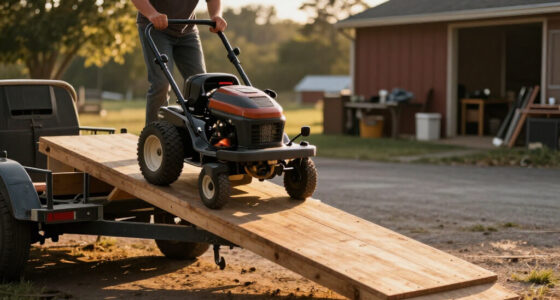
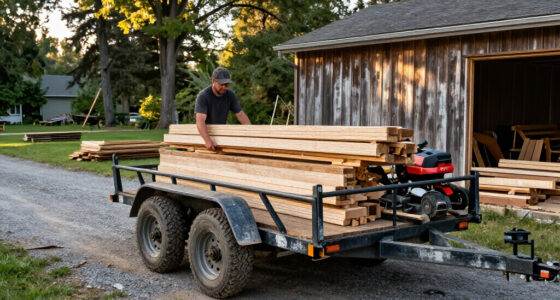
Take a small utility trailer carrying a 300-pound walk-behind mower. If the strap has a higher rating but one hook is damaged, or the trailer’s anchor point is loose, the assembly is limited by that weak spot. The mower may sit still in a driveway, but a pothole can jolt the load sideways and put sudden force on the hook and anchor.
Labels and product documents may list different terms for a strap, component, or tie-down rating. Check what each number describes rather than assuming every figure means the same thing. Where the rating or condition is unclear, follow the manufacturer’s guidance and replace the assembly if you cannot verify that it is suitable.
For a quick check, trace the restraint from cargo to trailer: attachment point, hook or end fitting, ratchet, webbing, and the opposite attachment. A secure-looking strap attached to a questionable ring is like a stout fence gate hanging from a rotten post. The visible part can look reassuring while the connection that matters most gives way.
How to Plan Tie-Downs That Stop Cargo Moving
A safe tie-down plan uses enough properly arranged straps and suitable anchors to stop cargo shifting, rolling, tipping, or sliding in every direction. The number of straps depends on the cargo’s weight, shape, size, friction against the deck, likely movement, tie-down angles, and the rules that apply to your trip. WLL alone cannot give you the answer.
- Identify the load. Note its weight, footprint, shape, and any wheels or loose attachments. A mower with a raised deck and steering wheels needs different restraint planning from a square stack of firewood.
- Choose suitable anchor points. Use attachment points intended for securing cargo and check that they are sound. Don’t hook to a thin rail or loose panel just because it is nearby.
- Arrange restraints to control movement. Plan how the cargo could move forward, backward, sideways, or tip, then place tie-downs to resist those forces.
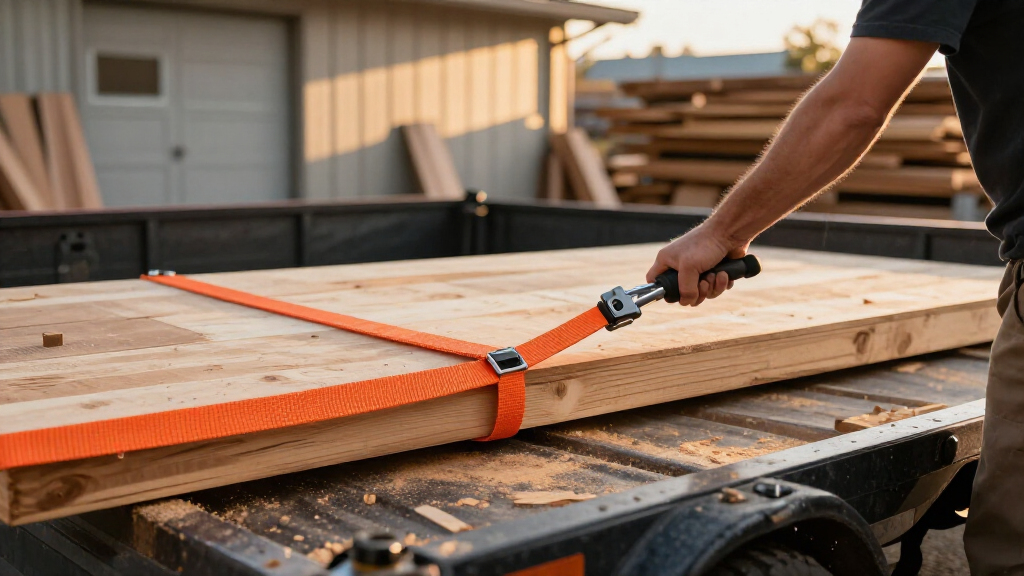
- Tension and inspect. Tighten enough to restrain the load without crushing it, damaging the webbing, or pulling on unsuitable anchors. Follow the manufacturer’s instructions.
For instance, a wheeled garden cart can roll even when its frame looks snug against a strap. Chock its wheels or otherwise prevent rolling, then secure the frame to appropriate trailer anchors. That extra step deals with the cargo’s own movement rather than asking webbing alone to do every job.
Several straps’ WLLs should only be added when their arrangement lets them share the load as intended. Uneven tension, different angles, or poor placement can leave one strap carrying much more force than the others. If the load is awkward or heavy, use applicable rules and competent guidance to plan the restraint.
How Tie-Down Angle Changes the Way a Strap Holds
A tie-down’s angle affects the force it applies, so a strap that presses cargo down does a different job from one that directly restrains cargo between two points. With an over-the-top strap, the downward force helps press the load against the deck; with a direct tie-down, the strap pulls the cargo toward its anchor. A shallow angle can reduce the downward force from an over-the-top strap.
Imagine securing a compact riding mower on a trailer. If the straps run nearly flat across the deck, they may pull sideways without pressing the tires down as effectively as a more suitable over-the-top arrangement. But the correct arrangement depends on the mower’s frame, tie-down points, trailer anchors, and manufacturer instructions; there is no single angle that works for every load.
Straps also need to control movement in more than one direction. A pair that holds a machine from sliding forward may not stop it from tipping sideways or rolling if the wheels remain free. Think of the straps as the laces on a hiking boot: pulling one side tight does not secure the whole fit if the other side can slip.
When securing equipment, study where each strap pulls and what it actually restrains. Avoid sharp turns around a corner that can abrade the webbing, and avoid routing that lets the strap slide off a rounded surface. If the strap bears against an edge, use proper edge protection so the webbing does not saw against metal with every bump.
How to Inspect a Strap Before the Trailer Rolls
Inspect the webbing, stitching, ratchet, hooks, label, and anchor points before each use. Remove a strap from service if you find cuts, fraying, damaged stitching, melted or chemically damaged webbing, bent or cracked hardware, or unreadable identification. Manufacturer inspection criteria take precedence, and an uncertain strap is not worth trusting with a load on a public road.
Look closely where the webbing wraps through the ratchet and where it touches cargo. A strap can look clean from several feet away while fine frays catch the light near a sharp trailer edge. A landscaper loading a mower after a muddy day might also miss grit packed into stitching; dirt can hide damage and abrasion.
Keep straps away from sharp edges, heat, chemicals, knots, and twists. Use edge protection where needed, and feed the webbing through the ratchet as the manufacturer directs. Twisted webbing or a knot can change how the strap loads and can make it harder to inspect or tighten evenly.
A strap with a damaged hook or a missing label should not stay in the working pile simply because it tightened once last season. Store sound straps dry and out of direct sun when practical, and keep them away from fuel, solvents, and hot exhaust components. A clean, legible label is part of the equipment, not decoration.
What to Recheck After You Start Driving
Recheck tie-downs after starting the trip and periodically during transport, following applicable rules and the equipment manufacturer’s instructions. Cargo can settle, straps can loosen, and a machine’s tires or suspension can shift as the trailer crosses bumps. A short check in a safe place can catch slack before the load moves far enough to damage itself or the trailer.
Suppose you strap down a compact tractor for a trip across a farm lane. The first rough patch compresses the tires, and the webbing settles against the frame; a strap that felt tight at the gate may now have slack. Stop somewhere safe, look for movement, confirm each ratchet remains secure, and retension as the manufacturer directs.
Don’t wait for a dramatic rattle. A strap can gradually loosen while you hear only road noise and the trailer’s ordinary hum. Check the cargo as well as the hardware: tires still chocked, loose attachments still secured, and the load still seated where you placed it.
Transport rules vary by jurisdiction, vehicle, cargo, and whether the trip is commercial or private. Requirements for commercial road transport may differ from recreational towing or moving equipment around private property. Check the current rules for your situation and the latest applicable standards rather than relying on a generic chart or advice meant for a different vehicle.
Frequently Asked Questions
Is WLL the same as breaking strength?
No. Breaking strength is a failure-test value, while WLL is the working rating for the identified strap or component under specified conditions. Do not use breaking strength as the allowable load.
How many ratchet straps do I need for a mower?
There is no single number for every mower. Consider its weight, footprint, wheels, center of mass, possible movement, tie-down angles, and the trailer’s suitable anchor points, then follow applicable rules and the manufacturer’s instructions. A wheeled mower may also need its wheels restrained against rolling.
Can I add together the WLLs of several straps?
Only if the straps are arranged so they share the load as intended. Uneven tension, poor angles, or unsuitable anchors can make one strap carry far more than another, so simply adding label numbers may overstate the restraint.
Does a wider strap always have a higher WLL?
No. Capacity depends on the full assembly and its construction, not width alone. Read the label and manufacturer documentation instead of judging a strap by appearance or color.
When should I replace a ratchet strap?
Remove it from service if it has cuts, fraying, damaged stitching, melted or chemically damaged webbing, bent or cracked hardware, or unreadable identification. Follow the manufacturer’s inspection criteria; if you cannot verify the strap’s rating or condition, don’t use it to secure equipment.
Do the same tie-down rules apply to every trailer?
No. Requirements can depend on jurisdiction, vehicle type, cargo, and whether the trip is commercial or private. Check the rules and standards that apply to your actual trip rather than assuming a recreational towing guide covers commercial road transport.
Conclusion
Before the next load leaves your driveway, read the strap labels, inspect every connection, and ask whether the arrangement will stop the cargo moving in every direction. Choose enough suitable tie-downs, protect the webbing, and check the load again once the trailer is underway.
A secure load should ride quietly behind you, not sway like a loose gate in the wind. Let the rating guide your plan, then let a careful inspection finish the job.