TL;DR
Landscaping and paving experts recommend using plastic or rubber-edged shovels and adjusting technique to protect pavers, concrete, asphalt, decks and landscaping. Roof snow removal carries fall and structural risks; the supplied guidance recommends a roof rake but does not provide full instructions for when or how to use one safely.
A seasonal home-maintenance guide from landscaping and paving experts recommends surface-specific snow-clearing methods to reduce falls and avoid damage to pavers, driveways, decks and other areas around a home. The advice includes using plastic or rubber-edged shovels on many hard surfaces, planning where snow will go and treating roof removal as a potentially dangerous task.

Get business pricing on tools and workshop supplies
- Business-only prices and quantity discounts
- Tax-exempt purchasing
- Multiple users, one account, clear invoices
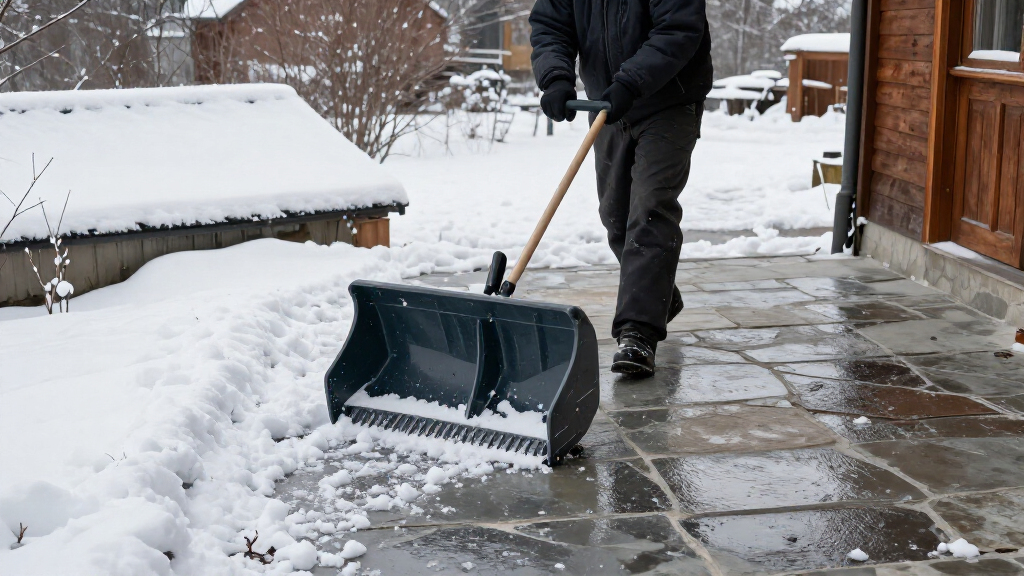
For paver, stone and brick walkways, landscaping expert Jose Lopez recommends a plastic shovel, shorter strokes and pushing snow at an angle while slightly lifting the blade’s leading edge. De-icers should be suitable for both the paving and the material between the joints. After thawing, homeowners can check for bricks or pavers that have shifted or come loose.
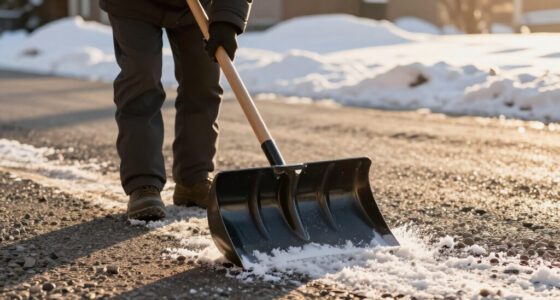
The surface-specific advice also covers concrete and asphalt. Grading and paving contractor Scott Flores recommends a plastic or rubber-edged shovel for concrete, which a metal blade can scratch or gouge. On painted or sealed concrete, Flores advises using a plastic blade, lifting it slightly as it moves and leaving a thin layer of snow; Lopez says to check that any de-icer is compatible with the coating. For asphalt, Lopez advises avoiding cracks and potholes with the blade and using a product labelled safe for asphalt.
Other recommendations include marking walkway edges beside grass before snowfall; keeping piled snow and de-icer runoff away from planted beds; and clearing wooden or composite decks with a plastic shovel, moving in the direction of the boards. For stairs, Lopez advises wearing boots with good traction and working in good light, while moving professional Leon Schwab recommends using a small shovel one step at a time. The guide also advises using a plastic shovel on gravel and holding it about an inch above the surface, leaving some snow rather than scraping down to the stones.
Clear Snow Safely Protect surfaces and people
Match your shovel and technique to each surface. Snow can hide ice, damage paving and landscaping, and make roof work especially risky.
Choose tools by surface
A plastic or rubber edge can help reduce scraping and gouging.
Use short, angled strokes
Use a plastic shovel, slightly raise its leading edge, and choose de-icer suited to the pavers and joint material.
Protect the finish
Use a plastic or rubber-edged shovel. On sealed concrete, lift the blade slightly and leave a thin snow layer.
Follow the boards
Use a plastic shovel and move in the direction of the deck boards.
Prepare before snowfall
Planning helps prevent slips and keeps snow and de-icer away from sensitive areas.
Mark walkway borders beside grass before snow covers them.
Keep piled snow and de-icer runoff away from planted beds.
Use controlled passes, good traction on stairs, and good light.
Adjust to the ground
Avoid scraping or forcing the blade into vulnerable spots.
- Choose de-icer labelled safe for asphalt.
- Avoid cracks and potholes with the blade.
- Hold the shovel about an inch above gravel and leave some snow.
- Wear boots with good traction on stairs.
- Use a small shovel one step at a time.
- Keep the shovel level near grass and piles away from plants.
Know when to stop
The guide gives limited roof-rake advice and no criteria for deciding when roof removal is needed.
Check again after clearing
Thawing can reveal damage or structural concerns.
- Check paver walkways for shifted or loose pieces after thawing.
- If a deck sags or creaks under heavy snow, stop using it and seek professional advice.
- Do not treat general guidance as an assessment of a particular roof or deck.
Safer Clearing, Fewer Repairs
Snow can hide ice, uneven surfaces and walkway edges, making a rushed clearing job a fall hazard. The same conditions can make it easy to scrape a surface, dislodge a paver or push snow onto grass and plants. Matching the tool and technique to the surface can help homeowners reduce those risks and avoid repairs after the thaw.
Roof work presents a different level of danger from clearing a path or deck. The guide says substantial roof accumulations may sometimes warrant removal, but offers only a limited instruction to use a roof rake. It does not provide enough detail to judge whether a particular roof needs clearing or whether a homeowner can do so safely.
Popular right now

Vitamix 5200 Blender with 64 oz Container, Black

TCL 55-Inch T7 Series 4K QLED Smart Google TV, 55T7

De'Longhi La Specialista Touch Semi-Automatic Espresso Machine with Grinder
As an affiliate, we earn on qualifying purchases.
Advice Before the First Snow
The source presents this as seasonal preparation advice, not a report of a new regulation, public warning or specific snow event. It says homeowners should plan before winter weather begins, including marking walkway boundaries and deciding where to pile snow so it does not land on sensitive plants.
Several recommendations are consistent across surfaces: choose a shovel that is less likely to scrape or catch, work in controlled passes and avoid trying to remove every trace of snow when doing so risks damage. De-icer choice also depends on the surface or coating, so the guide advises checking product suitability rather than treating all paving and landscaping alike.
“Snow can camouflage uneven areas and patches of ice, posing slip-and-fall risks, particularly when you’re rushing to shovel.”
— Jose Lopez, landscaping expert
Roof Advice Has Limits
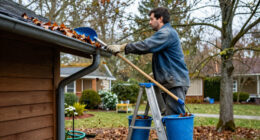
The supplied material ends partway through its roof section. It names roofing contractor Andre Kazimierski and says he recommends a roof rake, but the text does not include his full guidance, such as how to use one, when removal is warranted or how to avoid falling snow and ice.
The guide also gives no local snow-load thresholds, building-code guidance or assessment of any specific property. Whether a roof or deck can safely support accumulated snow depends on conditions not described in the material. Homeowners should not treat the general advice as a structural evaluation.
Check Conditions Before Clearing
Before snowfall, homeowners can mark walkway borders, choose surface-appropriate shovels and plan snow-piling areas. During clearing, they can work slowly, use traction on stairs and avoid striking frozen branches or forcing blades into cracks. After the snow melts, the guide recommends checking paver walkways for loose pieces.
If a deck appears to sag or makes creaking sounds under heavy snow, Lopez advises stopping use and seeking professional advice. Roof removal also warrants caution: because the supplied guidance is incomplete, homeowners should consult a qualified roofing professional when they are unsure whether removal is needed or safe.
Key Questions
What shovel should I use on pavers?
Use a plastic-blade shovel, take shorter strokes and push snow at an angle while slightly raising the blade’s leading edge. Choose a de-icer that is safe for both the pavers and their jointing material.
Can a metal shovel damage concrete or asphalt?
According to the experts cited in the guide, a metal blade can scratch or gouge concrete and may damage asphalt, especially around existing cracks or imperfections. A plastic or rubber-edged shovel is the recommended option.
How can I keep snow clearing from damaging grass or plants?
Mark walkway edges before snow arrives, keep the shovel level with the path near grass, and plan to pile snow away from shrubs and other sensitive plants. Keep de-icer and its runoff away from landscaping where possible.
Should I clear snow from my roof myself?
The source says roof accumulations may sometimes need removal and mentions using a roof rake, but its roof instructions are incomplete. It provides no criteria for deciding whether a roof needs clearing; seek advice from a qualified roofing professional if you are uncertain.
Source: familyhandyman.com