
TL;DR

Get business pricing on tools and workshop supplies
- Business-only prices and quantity discounts
- Tax-exempt purchasing
- Multiple users, one account, clear invoices
A cordless power drill set bundles a battery-powered drill or drill driver with a charger and battery, and may add bits, a case, or an impact driver. For light household repairs, a compact 12V set is often easier to handle; frequent or demanding work may call for an 18V or 20V-class platform, with tool type and battery capacity matched to the job.
A drill set can save you a dozen trips to the hardware store—or leave you hauling a heavy case full of bits you never use. The difference usually comes down to matching the tools to your jobs, not buying the biggest bundle.
A cordless power drill set is built around a battery-powered drill or drill driver, commonly with a charger and one or more batteries. Some add an impact driver, bits, and a case. In this guide, you’ll learn how to choose the right voltage class, understand what an impact driver actually does, compare batteries, and spot the extras worth paying for.
Think about the last job you tackled: hanging shelves, assembling a bed, drilling into brick, or maintaining a rural property with a long list of repairs. Your answer changes the right set. A compact tool that feels nimble in your hand may beat a higher-powered model that tires your wrist before the last screw is in.
A drill driver handles ordinary drilling and screwdriving; an impact driver drives fasteners, while a hammer drill adds axial pulsing for masonry.
Choose 12V for many light household tasks and 18V/20V-class tools for more demanding or frequent work, weighing comfort against capability.
Amp-hours indicate battery capacity, not voltage; higher Ah generally means more work per charge and more weight.
Compare useful batteries, charger, comfort, and platform compatibility before paying extra for a large accessory bundle.
Use the correct bit and clutch setting, wear eye protection, and call a licensed professional for electrical, gas, roof, or structural work.
Start with the jobs your drill set needs to handle
A cordless power drill set is a package centered on a rechargeable drill or drill driver, usually with a battery, charger, and sometimes bits or a case. The right package handles your common tasks without making you pay for tools or accessories that sit untouched. Start by listing the materials you work with and how often you use the tool; frequency matters because a job that is easy once can become tiring when repeated for hours.
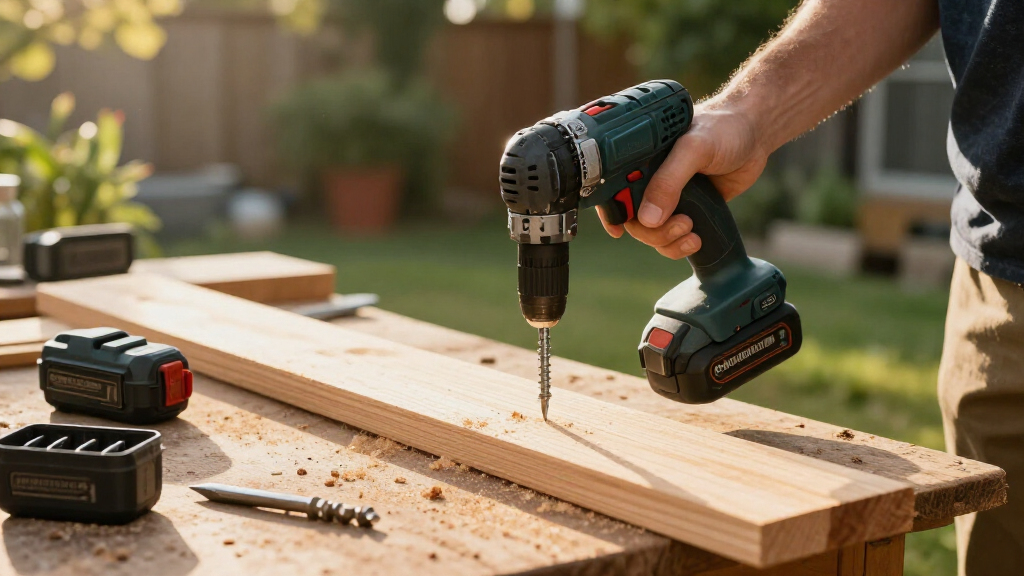
For furniture assembly, curtain rods, small pilot holes, and routine household repairs, a basic drill driver is often enough. Its chuck holds drill bits and driver bits, while an adjustable clutch helps keep you from driving a screw too far. The clutch lets you set a limit on turning force: when the screw reaches that resistance, the tool slips instead of continuing to drive. That makes it easier to avoid stripped screw heads or damaged furniture, though you may need to adjust the setting for different screws and materials. If you’re building a deck or driving long fasteners into dense lumber, an impact driver can make the work quicker and easier on your hands because its rotational impacts help turn stubborn fasteners without requiring the same continuous push.
There’s a useful distinction: an impact driver applies rotational impacts to turn fasteners, while a hammer drill pulses forward along the bit to help bore into masonry. They sound different, too: an impact driver rattles with a sharp “brrt-brrt,” while a hammer drill makes a rapid tapping sound. Neither tool replaces the other. An impact driver is designed primarily for driving, and its quick, forceful action can make delicate screwdriving harder to control. A hammer drill is for drilling into suitable masonry; it doesn’t provide the same advantage for driving long fasteners.
For instance, a homeowner assembling a flat-pack wardrobe and hanging a mirror likely needs a drill driver, not a two-tool bundle. A person framing a shed may appreciate a drill and impact driver together, especially if there are many long screws to drive. If you plan to drill brick regularly, look for hammer-drill mode; for extensive concrete work, a rotary hammer is a better match because household hammer drills are not built for sustained, heavy concrete drilling.
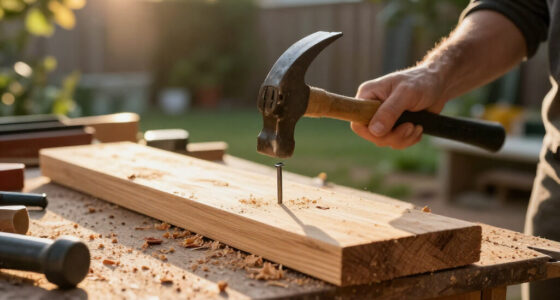
cordless power drill set with impact driver
As an affiliate, we earn on qualifying purchases.
As an affiliate, we earn on qualifying purchases.
Choose 12V or 18V/20V by balancing power and comfort
Cordless power drill sets in the 12V class suit many light household jobs, while 18V or 20V-class sets offer a flexible choice for more demanding or frequent work. Higher voltage can support tougher tasks, but it doesn’t guarantee better results by itself. Motor design, gearing, battery capability, bit choice, and your technique all shape performance. In practice, a larger platform can offer more headroom for demanding work, but the right sharp bit and steady technique can matter more than a headline voltage when drilling an ordinary pilot hole.
Compact 12V tools often feel lighter and easier to maneuver overhead or inside a cupboard. That comfort matters when you’re installing several cabinet handles or assembling furniture for an afternoon: less weight at arm’s length can reduce fatigue and make it easier to keep the bit aligned. An 18V or 20V-class drill may be more suitable when you’re regularly boring larger holes or driving long screws, but its extra size and weight can make delicate work less pleasant. Consider the whole tool, including its battery, since a high-capacity pack can change the balance and make a compact drill feel heavier.
Labels can muddy the comparison. “20V max” and “18V” often describe the same general battery class using different rating conventions, so don’t assume the 20V label means a clear performance advantage. Torque figures also help most when you compare models from the same manufacturer; different brands may measure or present figures differently. Treat the numbers as clues, not a substitute for checking the tool’s intended use, weight, speed settings, and feel in your hand.
Picture a weekend project on a small acreage: you’re repairing a gate, drilling pilot holes in fence boards, and fitting a latch. A capable 18V-class set may suit that repeat work better than a light-duty model because it can provide more capacity for sustained use and tougher holes. If your projects mostly happen indoors, the compact 12V tool may spend less time resting on the bench because your wrist tires less quickly. The tradeoff is straightforward: choose the smallest tool that comfortably handles your hardest regular job, rather than carrying extra weight for a rare task.
As an affiliate, we earn on qualifying purchases.
Compare batteries, chargers, and platform value before you buy
Battery capacity, measured in amp-hours (Ah), gives you a rough guide to how much work a battery can provide before you recharge. A higher Ah rating generally means more work per charge, but the battery also tends to be larger and heavier. That extra capacity can be useful when you can’t easily stop to recharge, but it may make a small drill less comfortable for overhead or precision work. Voltage and amp-hours measure different things: voltage relates to the battery system’s electrical class, while Ah indicates capacity, so compare both rather than treating one as a replacement for the other.
| Set feature | What it gives you | What to check |
|---|---|---|
| 12V drill driver | Compact handling for light jobs | Grip, battery capacity, and included charger |
| 18V/20V-class drill | More flexibility for demanding or frequent work | Weight, balance, and battery options |
| Two batteries | A spare while the other battery charges | Whether both batteries have useful capacity |
| Shared battery platform | One battery family for compatible tools | Exact voltage and model compatibility |
A second battery is handy when you’re working on a long project, but it isn’t automatically necessary. If you drill for ten minutes to hang a shelf, one battery may be plenty, and buying a spare may add cost and weight without changing the job. If you’re building a fence and working across several acres, a spare can keep the job moving while the first battery charges. The value depends on whether the tool would otherwise be sitting idle, not simply on the number of batteries in the box.
Platform compatibility can shape your spending for years. Batteries usually work only within the same manufacturer’s system and sometimes only across particular voltage ranges. Before buying, check whether that set’s batteries fit the manufacturer’s other tools you might want, such as a circular saw, work light, or outdoor tool. If you already own compatible batteries, a bare tool or a smaller set may be more economical; if you’re starting from scratch, compare the cost of the battery and charger system as well as the drill. A set built around a useful platform can be a better long-term buy than a case stuffed with low-value bits, because compatible batteries can reduce the cost and hassle of adding tools later.
compact 12V drill for household repairs
As an affiliate, we earn on qualifying purchases.
As an affiliate, we earn on qualifying purchases.
Pay for brushless motors and extras only when they help
Brushless motors use electronic controls instead of brushes to switch current. They typically use energy more efficiently and need less motor maintenance than brushed designs, though the exact runtime and performance difference depends on the tool and workload. Brushless models often cost more, so the upgrade makes the most sense when you use your drill frequently or need longer work between charges. For occasional household jobs, the extra efficiency may not repay the higher price; for repeated work, lower energy use can mean fewer battery changes and a more capable tool for sustained tasks.
Included accessories deserve the same careful look. A big assortment of shiny bits can make a case feel complete, but a second battery or a compatible tool may add more practical value. Check the itemized contents: count the batteries, note their Ah ratings, identify the charger type, and see whether the case holds the drill securely rather than rattling around in the truck. Also consider whether the bits suit the materials and fasteners you actually use; an assortment is only a bargain if it saves a separate purchase rather than taking up space.
Comfort is not a luxury when a tool spends hours in your hand. Try to judge weight, balance, grip, trigger control, speed settings, and built-in lighting. A poorly balanced drill can feel tiring even if its total weight seems reasonable, because your wrist has to counter the tool’s tendency to tip. Two mechanical speed ranges are common: the slower range gives you more control and torque, while the faster range suits drilling. A well-placed LED can light the back of a cupboard where a ceiling fixture leaves you working in shadow.
For example, a landlord who fixes loose hinges every few weeks may be happier with a comfortable drill, two useful batteries, and a straightforward charger than with the most powerful brushless package. A contractor using the tool daily may value brushless efficiency and platform compatibility enough to justify the higher price. Choose around your real hours of use, not the marketing on the box; the more often you use the tool, the more likely a small improvement in comfort or charging time is to matter.
battery-powered drill with extra batteries and case
As an affiliate, we earn on qualifying purchases.
As an affiliate, we earn on qualifying purchases.
Use your new drill set safely and get cleaner results
You’ll get better results by matching the bit and setting to the material before you pull the trigger. Wood, metal, masonry, and screwdriving call for different bit designs, and forcing the wrong one can overheat the bit, damage the workpiece, or make the drill buck. Secure the material and wear eye protection; loose chips and metal shavings can fly farther than you expect.
- Choose the right bit. Use a wood bit for wood, a metal-rated bit for metal, and a masonry bit for brick or block.
- Set the speed and mode. Start slowly for control, use the lower gear for tougher screwdriving, and select hammer mode only when drilling suitable masonry.
- Set the clutch for screws. Begin with a lower setting and raise it only if the screw stops before seating.
- Keep the work steady. Hold the drill square to the surface and let the bit cut rather than forcing the tool.
- Stop and check. Inspect the hole, screw, and tool if the bit binds, the motor strains, or the battery gets unusually hot.
Suppose you’re mounting a shelf on a brick wall. A standard drill driver can make small holes in some masonry, but hammer-drill mode is usually better for repeated masonry drilling. For a large number of holes in concrete, use a rotary hammer or hire a qualified professional rather than leaning your full weight into a household drill.
Follow the battery maker’s charging and storage guidance. Use compatible chargers, keep batteries dry, avoid extreme temperatures, and inspect damaged or swollen packs before use. A cordless tool removes the extension cord, not every hazard: stay clear of hidden wiring and plumbing, and turn off power at the breaker before any nearby electrical work. For electrical, gas, roof, or structural work, use a licensed professional and follow relevant safety and permit requirements.
Match the set to your workload, not the biggest number
The best cordless power drill set matches your typical workload, comfort needs, and future battery plans. No single voltage, torque figure, or accessory count can make that choice for you. Compare the complete package against the jobs you actually expect to do, including how long you’ll work and what materials you’ll face. Thinking about your hardest regular task helps avoid two common mistakes: buying too little tool for repeated demanding work, or paying for capacity and accessories that you rarely use.
Here’s a practical example: one set costs less but includes a single small battery and a large assortment of bits; another costs more but includes two batteries that fit a tool platform you already own. If you only assemble a bookcase twice a year, the cheaper set may be sensible. If you already own compatible saws and work lights, the second set may save money and hassle over time. Compare the real cost of useful equipment, not just the bundle price: an extra battery matters if it keeps a long job moving, while extra bits have little value if you already have the ones you need.
Before you buy, handle the drill if possible. Check that your hand can reach the trigger comfortably, that the tool doesn’t tip forward, and that the chuck opens and closes without a struggle. A drill’s runtime changes with the material, bit, battery condition, speed, and task, so a published voltage or Ah figure cannot promise a fixed number of holes. This is why balance and grip are worth checking in person: they affect how accurately and comfortably you can use the tool, not just how it feels in the store.
- Choose 12V for light repairs, furniture assembly, and tight spaces where low weight matters.
- Choose 18V/20V class for more frequent work, larger holes, or a broader set of compatible tools.
- Add hammer-drill mode if you regularly drill brick or masonry.
- Add an impact driver if you often drive large or long fasteners.
The sensible buy is the one you’ll reach for without thinking and can keep powered with a battery system that fits your life. A modest set that handles your real workload will beat an oversized kit gathering dust.
Frequently Asked Questions
What usually comes in a cordless power drill set?
Most sets include a drill driver, at least one battery, a charger, and a case. Some add drill bits, driver bits, an impact driver, or other tools. Check the listed battery capacity and exact accessories before comparing prices.
Is a 12V drill powerful enough for home use?
A 12V drill is enough for many household repairs, furniture assembly, pilot holes, and screwdriving. Its compact size can be a real advantage in tight spaces or overhead. Choose a higher-power platform if you regularly drill large holes or tackle demanding work.
Should I buy a hammer drill or an impact driver?
Choose a hammer drill if you regularly drill into brick or masonry; choose an impact driver for driving long or large fasteners. Their impact actions work differently, so one does not replace the other. A basic drill driver is usually enough for wood, metal, and everyday screws.
How many batteries should a drill set include?
One battery can be enough for occasional short jobs, especially if you can wait while it charges. Two batteries are more convenient for long work sessions, such as repairing a run of fence or building a deck. Check the capacity of each battery, not just the count.
Can batteries from different drill brands work together?
Usually not. Battery packs typically fit tools within a manufacturer’s own system, and compatibility can also depend on voltage and model range. Confirm compatibility with the exact tool and battery specifications rather than relying on appearance or voltage labels alone.
Conclusion
Buy a drill set for the jobs you’ll actually do: pick the right tool type, a comfortable voltage class, and batteries that fit your expected runtime and future tools. Don’t let the loudest torque figure or bulkiest bit case make the decision for you.
A good drill should feel balanced in your hand, turn smoothly, and be ready when the next shelf, gate, or loose hinge needs attention. Choose the set that earns its place on your workbench.
Halloween Picks
halloween
As an affiliate, we earn on qualifying purchases.