TL;DR
Hunker reported on a planter DIY by Texas artist Desiree of Painted Pancake Studio, who painted an ice cream-carton design on a flowerpot. The project uses acrylic paint, paint pens and clear gloss sealer; it is a craft idea, not a newly announced product or verified gardening method.
Hunker has reported on a hand-painted planter project by Texas artist Desiree of Painted Pancake Studio, who recreated an ice cream carton’s label on a pot using acrylic paint and paint pens. The project offers gardeners a way to give an ordinary planter a playful, food-inspired look, though the report describes a craft tutorial rather than a newly released product or independently tested outdoor solution.

Get business pricing on tools and workshop supplies
- Business-only prices and quantity discounts
- Tax-exempt purchasing
- Multiple users, one account, clear invoices
Desiree’s design was inspired by Blue Bell ice cream, which she says is her favorite brand. In the version described by Hunker, she painted a pot to resemble a mint chocolate chip carton, following an earlier butter pecan design. The surface treatment included the container’s teal color, a gold-colored lid, lettering and label details, including imagery associated with Blue Bell.
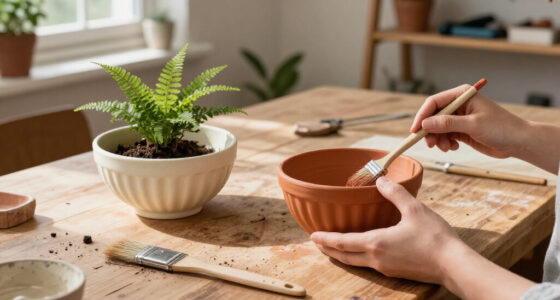
The reported materials include acrylic paints, paint pens and clear gloss spray. Desiree first applied an opaque coat of white paint to create a base, then added the colors and label artwork. She drew the lettering freehand; Hunker notes that stencils could help people who prefer not to letter by hand. A clear gloss enamel spray was used to seal the finished paint, and the article advises letting the project dry before adding a plant.
Hunker says Desiree found a plastic pot convenient for the project because it is lightweight and more durable than a pot that could fall and break. The report also says ceramic, terracotta and concrete pots can be used if kept in a stable spot. A commenter had asked about terracotta, and Desiree replied that a pot she painted had fallen from a ledge and broken; that account is her experience, not a comparison test of pot materials.
A Personal Touch for Garden Pots
The project is a low-cost-looking way to personalize a planter and connect a container’s appearance to the plant growing in it. Its appeal is less about changing how a pot functions than about turning a familiar package design into garden decor. The technique also leaves room for adaptation: makers can choose a brand with a label they like, simplify the artwork, or use stencils instead of drawing every detail by hand.
There is also a practical distinction between the decorative result and a standard ice cream carton. The source describes painting a pot to imitate a carton; it does not recommend filling an actual food container with soil. For anyone considering the project, the choice of pot and where it will sit matter: the article’s account of a broken terracotta pot followed a fall from a ledge. A stable location can reduce the chance of that kind of breakage, but the report does not provide durability testing for the painted finish.
Popular right now

iRobot Roomba Plus 405 (G181) 2-in-1 Vacuum and Mop Robot with AutoWash Dock

KitchenAid Artisan Series 5-Quart Tilt-Head Stand Mixer, Milkshake

TCL 55 T7 Series 4K 120Hz QLED Smart Google TV (55T7)
As an affiliate, we earn on qualifying purchases.
How the Carton Design Came Together
Hunker presents the planter as a painted imitation of an ice cream label, rather than a repurposed tub. Desiree’s design follows the colors and visual details of the package she chose, including lettering and brand-associated illustrations. The article says she made a second version in a mint chocolate chip theme to accompany a butter pecan planter.
The source suggests that the complexity of a label can shape how difficult the project feels. It describes brands with more elaborate imagery, such as Ben & Jerry’s and Häagen-Dazs, as more challenging to reproduce by hand, while simpler designs such as Van Leeuwen and Jeni’s may be easier starting points. It also mentions vinyl sticker paper as an option for printed label elements, describing it as water- and tear-resistant; the report does not test how long decals last on a planter outdoors.
Plant choice can carry the theme further. Hunker reports that a commenter joked about putting mint in the mint chocolate chip pot. The article also mentions edible flowers such as lavender and borage as possible plants, noting their use as ice cream garnishes. Those suggestions are ideas for the design, not a guarantee that a plant will thrive in any particular pot or climate.
“Blue Bell is her favorite ice cream brand.”
— Desiree, the Texas artist behind Painted Pancake Studio, as quoted in Hunker
Durability and Outdoor Performance
The report does not give a publication date or provide independent testing of the paint, clear coat or vinyl decals after exposure to sun, rain or regular watering. It is not clear how often a finished planter might need touch-ups, whether every sealer is suitable for every pot material, or how the finish performs across different outdoor conditions. Hunker describes the products used in Desiree’s project but does not establish that they are the only suitable choices.
Details such as pot dimensions, drainage arrangements and the full time required for drying are also not specified in the supplied report. The article’s suggestion that an actual ice cream container could be used mentions adding drainage holes, but it does not provide a tested growing guide for that approach. Readers should not treat the decorative tutorial as evidence that a particular container or coating is safe or effective for every plant.
Choose a Design and Let It Dry
The source describes no scheduled follow-up or product launch. For readers trying the craft, the next steps are to select a stable pot, pick a label design suited to their painting skills, apply the colors and artwork, and let the finish dry before planting. Those choosing printed elements can consider the vinyl sticker option described by Hunker, while keeping in mind that the report does not establish its outdoor lifespan.
After the paint has set, the planter can be paired with a plant that suits the location and container. Mint or edible flowers are among the ideas mentioned in the report, but plant care will still depend on growing conditions. Hunker’s account leaves open whether Desiree will make more designs or share further guidance on long-term weather resistance.
Key Questions
What supplies does the ice cream planter project use?
Hunker lists acrylic paint, paint pens and clear gloss spray. Desiree used white paint as a base coat, then added the carton colors and label details. The source does not say these are the only products that could work.
Does the project use a real ice cream container?
No. The featured design recreates an ice cream label on a flowerpot. Hunker mentions an actual container as a possible alternative idea, but the reported project uses a painted pot.
Which pot material did the artist prefer?
Desiree found plastic convenient because it is lightweight and more durable in her experience. Hunker says ceramic, terracotta or concrete can also be used if placed somewhere stable.
How can someone make the lettering easier?
The artist drew the letters freehand, but Hunker says letter stencils may save time for people who are less comfortable drawing. A simpler label design is another option described in the report.
Can the finished planter stay outdoors?
The article describes the project as garden decor and says the paint was sealed with clear gloss enamel, but it gives no outdoor durability test. Performance in sun, rain and watering conditions remains unclear.
Source: hunker.com