
TL;DR

Get business pricing on tools and workshop supplies
- Business-only prices and quantity discounts
- Tax-exempt purchasing
- Multiple users, one account, clear invoices
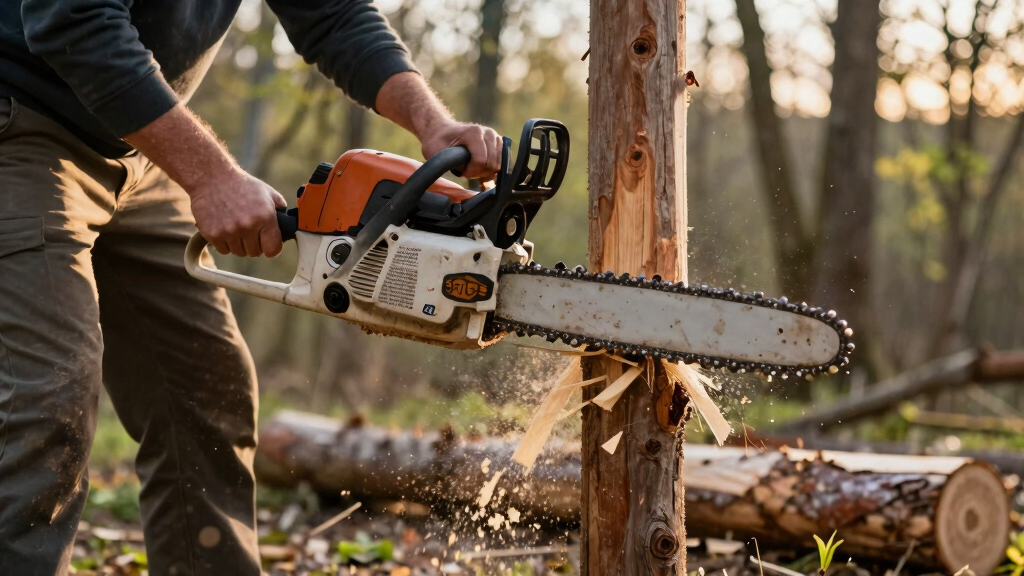
Spring poles and rolling logs pose serious risks when limbing or bucking. Recognizing tension, choosing safe spots, and using proper techniques can save you from injury or worse. Safety starts with awareness and planning.
Chopping into a tree or log without knowing the risks can turn deadly in seconds. Spring poles snap back like a rubber band stretched too far. Rolling logs shift suddenly, crushing or pinning anyone nearby.
Understanding these hazards isn’t just smart — it’s essential. In this guide, you’ll learn how to identify spring poles, avoid dangerous rolling logs, and position yourself for safety. Because in the woods, knowledge isn’t just power — it’s protection.
Always identify tension points in trees before cutting to avoid spring poles snapping back.
Stand in a safe zone — perpendicular to the potential movement — and keep a distance of at least twice the log’s diameter.
Use controlled, small cuts to gradually release tension, rather than one big slice.
Stay aware of ground slope and potential for logs to shift unexpectedly, especially on uneven terrain.
Leverage modern tools and continuous training to improve safety and reduce accidents during limbing and bucking.
How to Spot a Spring Pole Before It Springs Back
Spring poles are logs or branches that bend under tension, ready to snap back violently when cut. Look for signs like bending, cracking sounds, or visible tension lines. Imagine a bowstring pulled tight — release it too quickly, and it’ll lash back with force.
For example, when limbing a leaning oak with heavy branches, a tensioned branch might bend significantly before cracking. Recognizing this early prevents surprise recoil. Overlooking these signs can lead to catastrophic injuries, as the sudden recoil can strike with unexpected force, causing serious harm or death.
Use small, controlled cuts to gradually release tension. Always stand perpendicular to the potential recoil path, not in line with it. This way, if the pole snaps, you’re out of the danger zone. The key is understanding that the energy stored is immense, and a moment’s oversight can have deadly consequences.
As an affiliate, we earn on qualifying purchases.
Best Places to Stand When Felling or Limbing
Your safest spot is away from the line of recoil or movement. Think of it like standing to the side when a bowstring snaps — you don’t want to be in the line of fire.
Stand at least twice the diameter of the log or branch away. For a 24-inch diameter log, stay at least 4-5 feet clear. In practice, that means positioning yourself perpendicular to the potential movement, not directly in front or behind. This strategic placement minimizes the risk of injury if the log or branch shifts unexpectedly.
Always plan escape routes before you start cutting. If tension releases unexpectedly, you want a clear path to retreat quickly and safely. Proper positioning is a tradeoff — standing too close increases risk, but standing too far can hinder control and timing. Finding the right balance is essential for safety and efficiency.
As an affiliate, we earn on qualifying purchases.
Rolling Logs: Why They’re More Unpredictable Than You Think
Rolling logs are like wild cards — they can shift with no warning, especially on uneven ground or slopes. Picture a log perched on a hillside, waiting for the slightest disturbance to roll downhill. This unpredictable movement can occur suddenly, catching workers off guard and leading to severe injuries or fatalities.
For example, a log on a slope can shift unexpectedly when cut or disturbed, crushing anything in its path. The key is understanding that even a small tilt or disturbance can turn a seemingly stable log into a dangerous rolling hazard. The implications are significant — a misjudged position or overlooked ground instability can result in devastating accidents.
To stay safe, keep your distance—at least twice the diameter of the log. Position yourself perpendicular to its potential path, not in line with it. Always identify a clear escape route before starting work. Recognizing the potential for sudden shifts emphasizes the importance of comprehensive hazard assessment and cautious planning, as the consequences of neglecting this can be fatal.
As an affiliate, we earn on qualifying purchases.
Tools and Techniques to Minimize Spring Pole and Log Hazards
Using the right tools and techniques makes a huge difference. Mechanical wedges, winches, and specialized saws give you better control over tension and movement.
For example, a hydraulic winch can gently ease tension on a spring pole, reducing the risk of sudden recoil. Similarly, wedges driven into cuts can help direct movement safely. Employing these tools allows for more precise tension management, decreasing the likelihood of unpredictable recoil or shifting logs.
Proper planning includes making small, controlled cuts that gradually release tension. Always stand in your safe zone, and communicate with your team to ensure everyone knows the plan. The tradeoff involves investing in equipment and training, which may seem costly but significantly enhances safety and reduces long-term risks.
As an affiliate, we earn on qualifying purchases.
Recent Advances That Make Limbing Safer
Technology and training are stepping up safety standards. Drones and 3D modeling help assess tension points before making cuts, reducing surprises. Training programs now focus heavily on recognizing and managing spring poles and rolling logs.
For example, a crew using a drone can spot tensioned branches or unstable ground before starting work. This proactive approach provides critical insight, allowing for adjustments that prevent accidents. These advancements mean fewer injuries and more predictable operations, but they require investment and continued education to stay effective.
Safety regulations have also tightened, with OSHA emphasizing hazard recognition and safe zones. Staying informed on these updates not only keeps your operations compliant but also fosters a safety-first mindset that can save lives.
Key Facts About Spring Poles and Rolling Logs
| Fact | Details |
|---|---|
| Spring poles store huge energy | A small spring pole can exert enough force to cause serious injury or death. Recognizing this helps prioritize tension release and safe cutting techniques, which are crucial because underestimating stored energy can lead to catastrophic accidents. |
| Rolling logs are unpredictable | They can shift suddenly on uneven ground or slopes, crushing or pinning workers. This unpredictability makes it vital to assess ground stability and plan escape routes, as failure to do so can result in grave injuries or fatalities. |
| Major injuries happen during limbing and bucking | Close contact with trees and logs increases risk if safety procedures aren’t followed. Understanding why injuries occur emphasizes the importance of proper positioning, awareness, and the use of appropriate PPE to mitigate these dangers. |
| Proper planning reduces risk | Recognizing tension points and planning cuts carefully prevents accidents. This foresight is essential because it transforms reactive work into a safer, more controlled process, significantly reducing injury likelihood. |
Your Most Common Questions About Spring Poles and Logs
Q: How can I tell if a branch or log is under tension? Look for visible signs like bending, cracking sounds, or tension lines. When in doubt, consult an experienced arborist or use tension meters. Recognizing tension early can prevent sudden recoil, which is often the difference between a safe cut and a serious accident.
Q: What’s the safest way to cut a spring pole? Make a series of small, controlled cuts to gradually release tension, then stand clear of the recoil path. This method reduces the stored energy gradually, minimizing the risk of sudden snap-back that could cause injury or death.
Q: How far should I stay from a rolling log? Stay at least twice the diameter away, and position yourself perpendicular to its potential path. Understanding the log’s potential movement and maintaining proper distance are critical because a minor misjudgment can lead to being crushed or pinned.
Q: What PPE do I need for limbing and bucking? Helmet with face shield, gloves, steel-toe boots, and high-visibility clothing are essential. Proper PPE acts as your last line of defense against flying debris, accidental contact, or unexpected shifts.
Q: Are there tools that help prevent hazards? Mechanical winches, wedges, and specialized saws help control movement and reduce manual handling risks. Investing in these tools and knowing how to operate them correctly can significantly improve safety.
Q: What training should I seek? Formal arborist certification and hazard recognition courses focusing on tension and hazard zones are highly recommended. Ongoing education ensures you stay current with best practices and emerging safety technologies.
Conclusion
Respect the power stored in tensioned wood and the unpredictability of rolling logs. Your best defense is awareness, proper planning, and standing in the right spot.
Next time you’re in the woods, picture yourself in a safe zone, ready to move at a moment’s notice. Because in this line of work, knowledge isn’t just power — it’s your best protection.
Fall Picks
fall essentials
As an affiliate, we earn on qualifying purchases.