TL;DR
Open a free Amazon Business account
Business pricing, bulk buying and tax-exempt orders.
Create a free accountAs an affiliate, we earn on qualifying purchases.
Kinetic log splitters are faster, often under 3 seconds per cycle, making them ideal for quick jobs. Hydraulic splitters handle tougher logs but take longer—around 10-20 seconds. Your choice depends on log size, speed needs, and portability.
Kinetic splitters offer lightning-fast cycle times—often under 3 seconds—ideal for quick, repetitive jobs.
Hydraulic models handle tougher, larger logs better but take longer—up to 20 seconds per cycle—making them better for heavy-duty tasks.
Portability is a key advantage of kinetic splitters, which are lighter and easier to move around on your property.
Maintenance favors kinetic splitters, as they have fewer parts and need less fluid or seal upkeep.
Choosing the right splitter depends on your log size, speed needs, and whether portability or power is your priority.
How Each Log Splitter Works—and Why It Matters
Hydraulic log splitters use hydraulic fluid pushed by a pump to power a ram that shoves logs apart. This steady, controlled force allows for consistent pressure, which is crucial when splitting tough or large logs that require gradual force to prevent damage or jamming. The delay in pressure buildup means longer cycle times but offers precision and reliability for heavy-duty tasks.
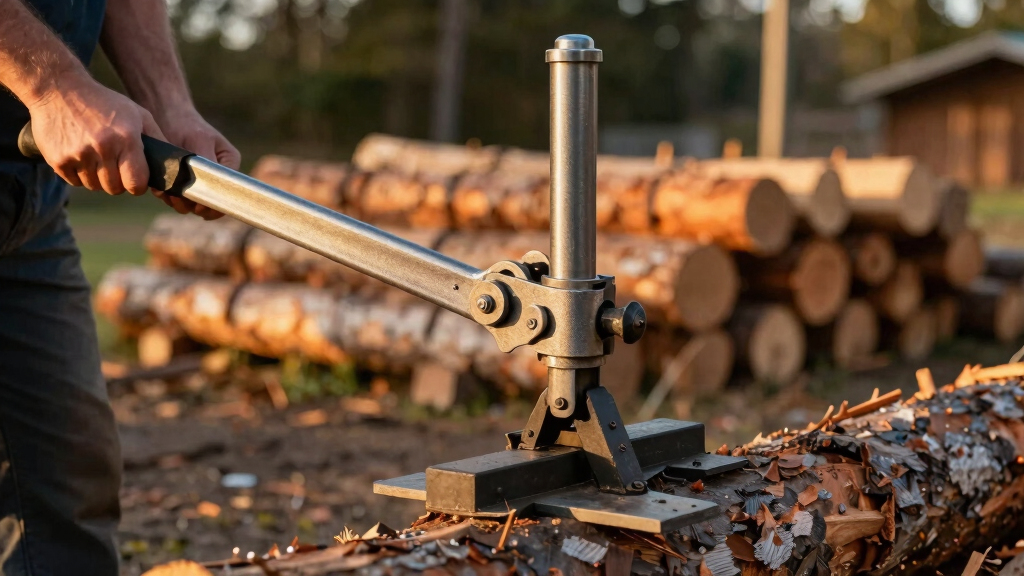
Kinetic splitters use stored energy—like a slingshot—released in a quick burst. This rapid release allows for split cycles often under 3 seconds. The tradeoff is that kinetic splitters are generally better suited for smaller, softer logs because they rely on a quick, high-force impact rather than sustained pressure. Understanding these mechanisms helps you choose a splitter that balances speed with the power needed for your typical logs, impacting overall efficiency and maintenance needs.
As an affiliate, we earn on qualifying purchases.
Why Cycle Time Matters—and How It Affects Your Work
Cycle time isn’t just about speed—it directly influences how much work you can accomplish in a given period. Hydraulic splitters, with their 10-20 second cycles, are often better suited for heavy, infrequent jobs where maximum power and control are needed, but this slower pace can extend project durations significantly. Conversely, kinetic splitters, finishing in under 3 seconds, excel in repetitive tasks like splitting small batches of firewood, reducing fatigue and increasing productivity. The tradeoff is that faster cycle times may come at the expense of handling only lighter, less dense logs effectively. Knowing these implications helps you match the tool to your workload—saving time, reducing effort, and avoiding frustration.
As an affiliate, we earn on qualifying purchases.
Match Power and Performance to Your Log Size
Hydraulic models excel with large, dense logs because their steady, adjustable force can push through tough wood without risking damage or jamming. This makes them indispensable for professional or heavy-duty use, where the size and density of logs vary. In contrast, kinetic splitters are optimized for smaller, softer logs—ideal for quick firewood prep or occasional use. They deliver rapid impacts but lack the sustained power needed for dense, large rounds. Choosing the right type involves considering your typical log size and density: selecting a hydraulic splitter for demanding, large logs ensures efficiency and reduces the risk of breakdowns, while kinetic models are best for lighter, more frequent jobs to maximize speed and convenience.
As an affiliate, we earn on qualifying purchases.
Portability and Size—Why It Matters
Hydraulic splitters tend to be bulky and heavier—think of a small car compared to a lightweight bicycle. Their size often necessitates a dedicated space for storage and operation, and moving them around can be physically demanding, especially on uneven terrain. This can limit flexibility, especially if you need to transport the splitter frequently or work in different locations. Kinetic splitters, on the other hand, are generally compact and lightweight—easy to carry in a truck or store in a shed corner. This portability is a significant advantage if you manage multiple sites or have limited storage space, enabling you to set up quickly and work efficiently without the hassle of heavy lifting.
As an affiliate, we earn on qualifying purchases.
Maintenance and Durability—What’s Really Involved
Hydraulic models demand regular checks on hydraulic fluid levels, seals, and pumps. Leaks or worn seals can cause downtime and costly repairs, and maintaining hydraulic systems requires some technical knowledge. The presence of hydraulic fluid also means potential environmental hazards if leaks occur. In contrast, kinetic splitters, with fewer moving parts and no hydraulic fluid, generally require less upkeep. They are less prone to environmental leaks and tend to be more durable in rough conditions, making them suitable for frequent or long-term use in challenging environments. Recognizing these maintenance considerations helps you plan for downtime and costs, ensuring your investment remains reliable over time.
Recent Innovations—What’s New in the World of Splitters
Manufacturers are blending the best of both worlds with hybrid models that combine hydraulic power with kinetic speed for faster, more powerful splits. These innovations aim to overcome the limitations of each type, offering quick cycle times combined with the ability to handle larger, tougher logs. Additionally, new materials—like high-strength steels and composites—are boosting durability and reducing weight, making splitters more rugged and portable. Some models now run solely on electricity, eliminating the need for fuel and reducing emissions, which is beneficial for environmentally conscious users. These technological advancements are expanding the possibilities, allowing users to choose more versatile, efficient, and eco-friendly options that cater to a wider range of needs and preferences.
Quick Comparison: Kinetic vs Hydraulic in a Nutshell
| Feature | Hydraulic Log Splitters | Kinetic Log Splitters |
|---|---|---|
| Cycle Time | 10-20 seconds | Under 3 seconds |
| Power for Large Logs | Excellent | Moderate |
| Portability | Heavier, bulkier | Lightweight, portable |
| Maintenance | Higher (fluid, seals) | Lower (fewer parts) |
| Cost | Often more expensive | Often more affordable |
Questions You Might Have Before Buying
- Which log splitter is faster—kinetic or hydraulic? Kinetic models typically split in under 3 seconds, while hydraulic models take longer—10 to 20 seconds.
- Can kinetic splitters handle tough, large logs? Usually not. They work best with small to medium logs.
- Are kinetic splitters portable? Yes. They’re lighter and easier to move around.
- Which needs less maintenance? Kinetic splitters, with fewer moving parts, require less upkeep.
- Are they more expensive? Generally, kinetic splitters are more budget-friendly, but high-end models can cost similar to hydraulic ones.
Frequently Asked Questions
How much faster is a kinetic splitter compared to a hydraulic one?
Kinetic splitters typically cycle in under 3 seconds, while hydraulic models usually take between 10 and 20 seconds. That difference can save hours on large jobs.Can I use a kinetic splitter for big, dense logs?
Not usually. They perform best with small to medium logs. For tough, large rounds, hydraulic splitters are more reliable and capable.Are kinetic splitters easier to maintain?
Yes. With fewer moving parts and no hydraulic fluid, they generally require less upkeep and are more durable in rough conditions.Is price a factor when choosing between these types?
Kinetic splitters tend to be more affordable, but high-end models can match the cost of hydraulic ones. Balance your budget with your workload needs.What safety features should I look for?
Look for automatic shut-offs, safety shields, and ergonomic controls—these protect you during operation and reduce accidents.Conclusion
If quick turnaround and portability top your list, a kinetic splitter might be your best bet—especially for small to medium logs. But for heavy-duty, large rounds, hydraulic models still rule the roost. Think about your typical logs and how fast you need to get them split. The right tool turns your firewood chores from a grind into a quick, satisfying task.Fall Picks
fall essentials
As an affiliate, we earn on qualifying purchases.