TL;DR

Get business pricing on tools and workshop supplies
- Business-only prices and quantity discounts
- Tax-exempt purchasing
- Multiple users, one account, clear invoices
Chainsaw chains are labeled with numbers like pitch, gauge, and drive links. Matching these specs precisely to your saw prevents damage, improves cutting, and extends chain life. This guide breaks down what each number means and how to find the right fit.
Ever grabbed your chainsaw and wondered if that new chain will actually fit? The string of numbers printed on chains—like 3/8″ pitch, .050″ gauge, 68 drive links—can seem like a foreign language. But understanding what they mean saves you time, money, and a trip to the hardware store.
In this guide, you’ll learn how to decode these specs, why they matter, and how to confidently pick the right chain for your saw. Because when you match the chain to your saw’s needs, you get cleaner cuts, safer operation, and longer chain life.
Always match your chain’s pitch, gauge, and drive link count to your chainsaw’s specifications.
Incorrect chain specs can cause unsafe operation, damage, and poor cuts.
Measuring your current chain or consulting the manual ensures proper fit before buying a replacement.
Regular sharpening and tension checks prolong chain life and improve safety.
Bringing your old chain or model info to a professional guarantees a perfect match.
What exactly is pitch, and why does it matter?
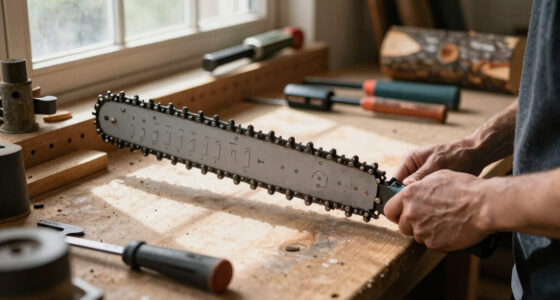
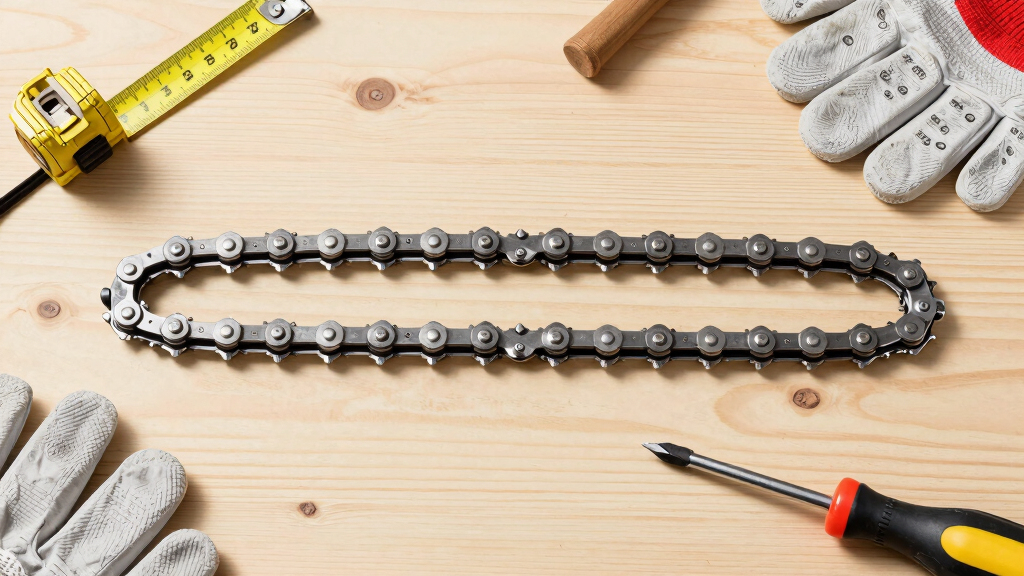
Pitch is the distance between three consecutive rivets divided by two. Think of it as the chain’s size or ‘footprint.’ For example, a 3/8″ pitch chain has a 3/8″ distance between rivets. This measurement directly influences how the chain meshes with your sprocket and guides the cutting loop. If the pitch doesn’t match, the chain can slip, cause uneven cuts, or damage your saw. Properly matching pitch ensures the chain engages smoothly with the drive sprocket, reducing wear and preventing dangerous kickbacks. Different saws are designed for specific pitch sizes; using the wrong one can compromise safety and efficiency. For example, a small homeowner saw typically uses a 3/8″ low-profile chain, optimized for lighter cuts and less power, while professional felling saws might require .404″ chains for heavy-duty work. Choosing the right pitch is crucial because it affects how well the chain transfers power, how smoothly it cuts, and how long it lasts under stress.
chainsaw chain replacement 3/8 inch pitch
As an affiliate, we earn on qualifying purchases.
As an affiliate, we earn on qualifying purchases.
Gauge: The secret to a snug, safe fit
Gauge refers to the thickness of the drive link that fits into your guide bar’s groove. This measurement is vital because an improperly matched gauge can lead to poor performance and safety issues. If the gauge is too thick, the chain won’t slide freely through the guide; if too thin, it can slip out or cause uneven cuts. The gauge affects how tightly the chain fits on the bar and how efficiently it transfers power during cutting. Using the correct gauge ensures the chain runs smoothly and reduces undue wear on the guide bar and sprocket. For instance, a chain with a .050″ gauge is common for medium-sized saws, balancing durability and ease of movement. Mismatched gauge—such as installing a .058″ chain on a saw designed for .050″—can increase friction, cause overheating, and accelerate component wear, ultimately risking chain failure. Always verify the gauge by measuring your existing chain or consulting your saw’s manual, as choosing the right gauge preserves the saw’s longevity and safe operation.
As an affiliate, we earn on qualifying purchases.
Drive links: How many teeth hold your chain together
Drive links are the number of teeth that engage with your guide bar’s groove, effectively holding the chain together and ensuring it moves correctly around the bar. The number of drive links must match the bar length and pitch; otherwise, the chain won’t sit properly, leading to slipping, uneven cuts, or dangerous kickbacks. Each drive link’s length and count influence how the chain distributes power and handles the workload. For example, a chain with 68 drive links is typically suited for a 16-inch bar with a 3/8″ pitch, providing a balanced, stable cut. If the drive link count is too high or too low, the chain won’t fit, risking misalignment and increased wear. When replacing a chain, always verify the drive link count—this ensures the chain will fit snugly on your bar and operate safely. Matching drive links isn’t just about compatibility; it’s about maintaining the integrity of the cutting system, ensuring smooth operation, and preventing accidents caused by improper fit.
As an affiliate, we earn on qualifying purchases.
How to find the right chain: Step-by-step
- Check your current chain for printed specifications—look for numbers like 3/8″ and .050″ to get initial clues.
- Measure the pitch: lay the chain flat, measure the distance between three rivets, and divide by two; this confirms the size and ensures compatibility.
- Measure the gauge: use a caliper or gauge tool to find the thickness of the drive links accurately, which is essential for proper fit and safety.
- Count the drive links: count the number of teeth engaging with the bar or check your saw’s manual for the recommended count; matching this number ensures the chain is correctly sized for your bar length.
- Match these numbers to a new chain’s specifications. If you’re unsure, bring your old chain or model info to a professional for verification.
Following these steps carefully helps you select a chain that fits perfectly, cuts efficiently, and keeps you safe during operation. Double-checking each measurement reduces the risk of mismatched parts, which could cause dangerous failures or damage your saw.
As an affiliate, we earn on qualifying purchases.
Comparison table: Standard chain specs at a glance
| Feature | Common Sizes | Best For |
|---|---|---|
| Pitch | 1/4″, 3/8″, .325″, .404″ | Home use, light-duty, heavy-duty |
| Gauge | .043″, .050″, .058″, .063″ | Small saws, large saws, professional use |
| Drive Links | 50-100, depending on bar length | Matching bar length and power |
Why using the wrong chain specs can ruin your day
Using a chain with the wrong pitch, gauge, or drive links can cause major issues beyond just poor performance. Mismatched parts can lead to increased wear, premature failure, or even dangerous situations like chain derailment or kickbacks. For example, installing a .058″ gauge chain on a saw designed for .050″ can cause excessive friction, overheating, and damage to the sprocket or guide bar, which might result in costly repairs or dangerous operation. Such mismatches also reduce cutting efficiency, requiring more effort and time, and can compromise safety by increasing the likelihood of unexpected chain failure. Recognizing the importance of matching specifications helps prevent these risks, ensures your saw operates smoothly, and extends its lifespan. Always double-check your chain’s specs before installation to avoid these costly and hazardous issues.
Keep your chainsaw happy: Maintenance tips
- Sharpen your chain regularly—after every few uses or when dull—to maintain cutting efficiency and reduce strain on your saw.
- Check and adjust tension often—loose chains can derail or cause kickbacks; too tight, and they wear out faster. Proper tension ensures safe, smooth operation.
- Inspect for damage—cracks, broken drive links, or rust—since these indicate the chain’s compromised integrity and should be replaced immediately to prevent accidents.
- Use the right tools—file guides and sharpening kits designed for your chain’s pitch and gauge—to ensure precise sharpening and prolong the chain’s lifespan.
Proper maintenance not only keeps your chainsaw performing at its best but also significantly reduces safety risks and costly repairs, making every cut safer and more efficient over time.
Frequently Asked Questions
How do I read my chainsaw chain for the correct specs?
Look for printed numbers on the chain itself, such as 3/8″ or .050″. You can also measure the pitch between rivets, check the drive link thickness, and count drive links. These details match your saw’s requirements.What happens if I put the wrong chain on my saw?
Using incompatible specs can lead to poor cuts, chain slippage, increased wear, or even damage the sprocket or guide bar. It might also cause safety risks like kickbacks or chain breakage.Can I switch to a different pitch or gauge chain?
No, pitch and gauge are fixed to your saw’s design. Always select a chain with the same pitch and gauge as your current one or as specified in your manual.How often should I replace or sharpen my chainsaw chain?
Sharpen after every few uses or when dull; replace if the chain shows signs of cracks, excessive wear, or damage. Proper maintenance ensures safety and efficiency.Are universal chains available for multiple saws?
No, chains are specific to each model based on pitch, gauge, and drive link count. Always verify your saw’s specs before buying.Conclusion
Getting the right chainsaw chain isn’t just about knowing numbers; it’s about ensuring you can cut safely and efficiently. When you understand pitch, gauge, and drive links, you’re in control—avoiding costly mistakes and dangerous slips.
Next time you buy a chain, take a moment to verify those specs. It’s a small step that makes a big difference—keeping your saw running strong and your work safe. Because in the end, a well-matched chain is your best tool for a job well done.
Fall yard work Picks
leaf blowers
As an affiliate, we earn on qualifying purchases.