TL;DR
Listen free for 30 days with Audible
Thousands of audiobooks and originals — cancel anytime.
Start your free trialAs an affiliate, we earn on qualifying purchases.
Log splitter tonnage measures the force needed to split wood. Match the tonnage to your wood type, size, and moisture to get efficient, safe results. Too little force causes jams; too much wastes money and energy.
When you’re handling a pile of firewood, the last thing you want is a machine that struggles or, worse, jams. Tonnage — the force a log splitter exerts — is the key to smooth, safe splitting. But how much force do you really need? Picking too low a tonnage can leave you wrestling with stubborn logs. Too high, and you’re wasting money and energy. This guide cuts through the confusion, giving you straightforward advice on matching your wood’s needs to the right splitter power.
Whether you’re splitting soft pine or tough oak, understanding tonnage helps you avoid damage, jams, and wasted effort. By the end, you’ll know exactly how to choose a splitter that’s just right—saving time, effort, and cash while keeping safety in focus.
Match your wood type, size, and moisture to the right tonnage—softwoods need less, hardwoods need more.
Using too little force causes jams, while too much wastes energy and wears out your equipment—balance is key.
A simple table can help you quickly identify what tonnage suits your logs, saving time and money.
Higher tonnage isn’t always better—consider your typical workload before choosing a machine.
Safety first: always wear gear, follow instructions, and inspect your splitter regularly.
What is log splitter tonnage — and why does it matter?
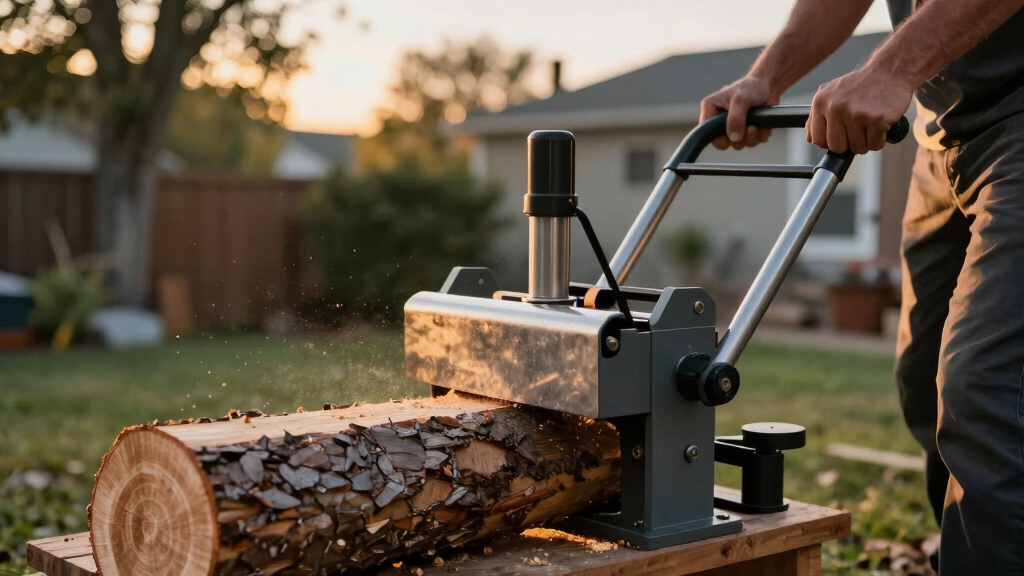
Tonnage is the amount of force a log splitter applies to crack open wood. Think of it like the punch behind a boxing jab. The higher the tonnage, the more force you have to split tough logs. For example, a 20-ton splitter can handle most hardwoods, like oak or hickory, with ease. Meanwhile, a 5-10 ton machine is perfect for softer woods like pine or cedar.
This force isn’t just about breaking the wood—it’s about doing it efficiently without damaging the machine or the wood itself. When the tonnage is too low for the wood’s toughness or size, the splitter may struggle, causing jams, incomplete splits, or even damage to the ram or hydraulic system. Conversely, using excessively high tonnage on soft or small logs can lead to unnecessary wear on the machine, increased fuel or electricity consumption, and higher operational costs. Therefore, matching the tonnage to your specific wood type and size ensures smoother operation, reduces wear and tear, and enhances safety by preventing sudden jams or equipment failure. The right force level strikes a balance—powerful enough to handle the toughest logs you’ll encounter, but not so excessive that it wastes energy or risks damaging your equipment.
As an affiliate, we earn on qualifying purchases.
How to tell what tonnage your wood needs — real-world tips
Knowing the right tonnage means understanding not just the type of wood, but also its size, moisture content, and how much you plan to split regularly. These factors directly influence the force needed for effective, safe splitting and have practical implications for your choice of equipment.
- Identify your wood type: Softwoods like pine or cedar are generally easier to split and require less force—around 4-8 tons. Hardwoods such as oak or hickory are denser and tougher, often needing 20 or more tons to split efficiently. Recognizing these differences helps avoid underpowered machines that struggle and overpowered ones that waste energy.
- Measure the log diameter: Larger logs, especially those over 12 inches, typically demand more force. For instance, an oak log measuring 16 inches in diameter may need around 25 tons to split cleanly. Smaller logs, say 6 inches in diameter, may only need 4-6 tons, but larger diameters increase the load significantly.
- Check moisture content: Green or wet wood is tougher to split because the moisture acts as a binder within the fibers, resisting separation. Expect to add 5-10 tons of force for logs that are green or freshly cut. For example, a green oak log might need closer to 30 tons, whereas dry oak might be split with 20 tons.
- Estimate your splitting volume: If your routine involves splitting large quantities of hardwood, investing in a higher tonnage machine can save you time and reduce fatigue. Conversely, infrequent splitting of softer woods might not justify the expense of a high-capacity splitter. Recognizing your workload helps balance cost and performance.
Understanding these factors allows you to tailor your equipment choice, ensuring you select a splitter that provides enough force for your typical logs without overpaying for capacity you don’t need. This detailed assessment helps prevent common issues like excessive machine wear or inefficient splitting, ultimately making your work safer and more productive. Remember, the goal is to match the splitter’s capacity to your specific needs—too little, and logs won’t split properly; too much, and you risk unnecessary wear and higher costs. Think of it as fine-tuning your tool for optimal performance.
electric wood splitter for hardwood
As an affiliate, we earn on qualifying purchases.
As an affiliate, we earn on qualifying purchases.
Frequently Asked Questions
Will a higher-tonnage splitter split green or wet wood better?
Yes, wetter or green wood resists splitting more, so a higher-tonnage splitter handles moisture better. Expect to add a few extra tons if your logs are freshly cut or damp.
How often should I upgrade my log splitter for higher tonnage?
If you’re routinely splitting large, tough hardwoods and your current machine struggles or jams, upgrading to a higher tonnage model makes sense. For occasional use, matching your wood type to the machine works fine.
Are electric log splitters capable of handling high-toughness wood?
Electric splitters are quieter and cleaner but generally have lower maximum tonnage—around 7-20 tons. For very tough hardwoods, gas-powered units with higher force are often more reliable.
What safety precautions are critical when operating high-tonnage splitters?
Always wear eye and ear protection, keep hands clear of moving parts, and follow the manufacturer’s safety instructions. Never force logs or try to split logs that are too large for your machine’s capacity.
As an affiliate, we earn on qualifying purchases.
Conclusion
Getting your log splitter’s force right saves you headaches, time, and money. Think about the wood you burn most—soft pine or stubborn oak—and pick a machine that matches. It’s like choosing the right tool for any job: too weak, and you struggle; too strong, and you waste effort.
Remember, the key is balance. A well-matched splitter makes firewood chores safer, faster, and more satisfying. Your logs will thank you—and so will your back.
As an affiliate, we earn on qualifying purchases.
Labor Day sales Picks
labor day deals
As an affiliate, we earn on qualifying purchases.