
TL;DR
Splitting woods like elm and sweetgum can be tough because their fibrous, stringy grain resists wedges. Using the right tools, techniques, and preparation makes the job easier and safer.
Ever wrestled with a log that fights back harder than it should? It’s frustrating when a wedge gets stuck or breaks, especially with woods like elm or sweetgum. These trees are notorious among log splitters because their dense, fibrous fibers cling like stubborn threads.
If you’ve hit a wall with stringy woods, you’re not alone. This guide will show you how to tame these tough logs, from choosing the right tools to smart techniques that keep your wedges intact. Ready to turn those battle logs into manageable chunks? Let’s get into it.
Season and dry your wood to less than 20% moisture for easier splitting of fibrous woods.
Choose high-quality steel wedges designed for tough, fibrous wood to prevent binding and breakage.
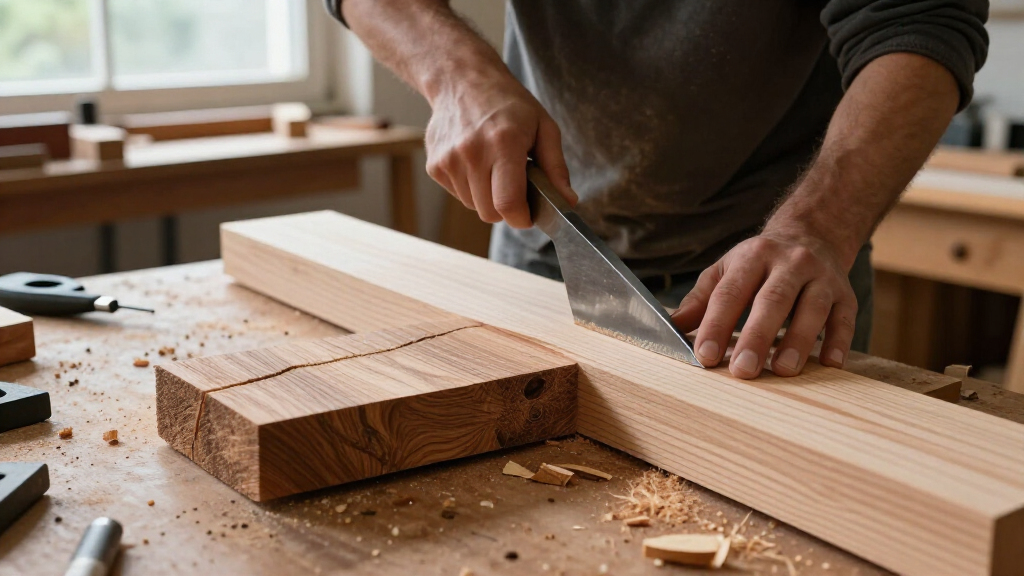
Score or cut along the grain before splitting to guide the wedge and reduce fiber resistance.
Work slowly with controlled strikes—avoid smashing—especially on knotty, dense logs.
For large or particularly stubborn logs, consider a hydraulic or mechanical splitter for safer, faster results.
What Makes Elm and Sweetgum So Hard to Split?
Elm and sweetgum are like the fighters of the wood world. Their dense, fibrous grain acts like a tangled spider web, resisting your wedge and pulling it in every direction. Elm, in particular, has interlocking grain and fibrous tissue that cause wedges to bind or even snap. Sweetgum, while straighter-grained, still fights back with stringy fibers that cling to the wedge.
Imagine trying to split a dense rope—those fibers grip tightly, making every strike feel like pushing against a wall. The key challenge is fiber orientation. These woods have fibers that run in multiple directions, creating resistance and unpredictability during splitting.
Understanding this fiber layout is crucial because it influences how you should approach splitting. When fibers run against the direction of your wedge, they tend to grip tightly, increasing the risk of binding or breakage. Recognizing these patterns helps in selecting the correct technique—like scoring or changing your angle—to minimize resistance and prevent tool failure.
heavy-duty log splitting wedges
As an affiliate, we earn on qualifying purchases.
As an affiliate, we earn on qualifying purchases.
Why Do Wedges Get Stuck or Break? The Fibrous Fight
When splitting fibrous woods, wedges like steel or plastic often get lodged or snap. That’s because the fibers cling to the wedge, especially if the wood is a little damp or not seasoned. The more fibrous the wood, the greater the chance your wedge will bind, twist, or break during the process.
For example, I once split a large, knotty elm trunk. Halfway through, the wedge was stuck so tight I had to pry it out with a crowbar—without damaging the wedge. The fibrous fibers had wrapped around it, acting like glue. This isn’t just inconvenient; it can cause delays and increase the risk of damaging your tools. If you ignore the fibrous nature of the wood, you risk not only tool failure but also potential safety hazards from sudden tool breakage or flying debris. Proper understanding of why wedges bind helps you adapt your approach—like adjusting your angle, using scoring techniques, or switching to more durable wedges—to mitigate these risks and ensure safer, more efficient splitting.
hydraulic log splitter for tough wood
As an affiliate, we earn on qualifying purchases.
As an affiliate, we earn on qualifying purchases.
Tools That Make a Difference When Splitting Stringy Woods
The right tools are your best friends here. A sharp, well-maintained splitting axe or maul slices through fibers more cleanly, reducing the chance of binding. Steel wedges with a thick, sturdy design resist binding better than cheaper plastic variants because they can withstand the forces involved and are less prone to bending or breaking when encountering fibrous resistance. For stubborn logs, mechanical splitters or hydraulic models can do the heavy lifting where wedges falter, especially when dealing with large, knotty, or particularly fibrous logs. The choice of tool impacts not just efficiency but safety—using tools designed for tough woods reduces the likelihood of accidents caused by tool failure or sudden binding. It’s also worth noting that investing in quality tools pays off over time, as they maintain their edge longer and handle the stresses of fibrous woods better, ultimately making your work safer and less frustrating.
wood splitting tools for fibrous wood
As an affiliate, we earn on qualifying purchases.
As an affiliate, we earn on qualifying purchases.
Comparison of Wedge Types for Tough Woods
| Wedge Type | Strengths | Weaknesses |
|---|---|---|
| Steel Wedges | Durable, resists binding, ideal for fibrous woods. Their rigidity allows them to push through tough fibers, reducing the likelihood of getting stuck or breaking. | Heavy, can bend if misused, and require proper technique to avoid overexertion. |
| Plastic Wedges | Lightweight, less damaging to tools, and easier to handle for quick adjustments. | More prone to binding and breaking under high stress because they lack the strength to push through dense fibers. |
| Mechanical Splitters | Powerful, handles knots and fibrous material easily, providing consistent force that helps overcome fiber resistance. | Costly, requires space and setup, and may be overkill for small jobs but invaluable for large or stubborn logs. |
steel wedges for dense logs
As an affiliate, we earn on qualifying purchases.
As an affiliate, we earn on qualifying purchases.
Top 5 Tips for Splitting Fibrous, Stringy Woods
- Pre-season the wood—dry it to below 20% moisture for easier splits. Dry wood is less likely to cling to fibers, making splitting smoother and reducing tool stress.
- Score the log with a sharp axe or chisel along the grain to guide the wedge. This creates a controlled crack, directing the force where you want it and reducing unpredictable fiber resistance.
- Use a steel wedge that’s slightly oversized for the log’s diameter. A well-fitted wedge ensures better contact, more force transfer, and less chance of binding or bouncing out.
- Work from the top, splitting downward to reduce fiber binding and leverage gravity, which aids in overcoming the natural resistance of fibrous grain.
- Apply controlled, steady strikes—avoid smashing, which can cause wedges to bend or break. Consistent force helps the fibers split cleanly without sudden tool failure, especially important with dense, fibrous woods.
How to Use Technique to Keep Your Wedges Safe
Proper technique prevents your wedge from getting stuck or breaking. Always ensure your wedge hits squarely—avoid glancing blows that can cause uneven force distribution and increase the risk of binding. When resistance starts, back off, wiggle the wedge gently, or try a different angle. Sometimes, scoring the log beforehand helps guide the wedge and reduces binding by creating a controlled crack that directs split energy along the grain. Additionally, adjusting your strike angle—perpendicular rather than oblique—ensures maximum force transfer and minimizes fiber grip. In practice, I scored a knotty sweetgum log from the top down, then struck with controlled force. This method split the log cleanly, with the wedge remaining intact. Patience and finesse are more effective than brute force when dealing with fibrous, stubborn woods—forcing the issue often leads to broken tools or unsafe situations.
When and Why Mechanical Splitters Beat Wedges
Mechanical or hydraulic splitters are game-changers for fibrous woods because they deliver consistent, controlled force that can overcome the grip of tangled fibers more reliably than wedges. Their blades or rams are specifically designed to handle the resistance posed by interlocking, fibrous grain, reducing the chances of binding, breaking, or bouncing. When dealing with large, knotty, or particularly dense logs, these machines can split through stubborn fibers with minimal effort, saving time and reducing safety risks associated with manual splitting. Their ability to exert steady pressure means you can focus on positioning and safety rather than brute force. For property-care professionals or serious DIYers, investing in a hydraulic splitter often pays off by providing safer, faster, and more reliable results, especially when working with woods that tend to fight back.
Safety First: Protect Yourself from Flying Debris and Broken Tools
Fibrous woods increase the risk of wedges flying out or breaking because their dense, intertwined fibers can cause sudden tool failure under stress. Always wear eye protection—safety glasses or goggles—and sturdy gloves to shield against flying splinters or shards. Sturdy boots protect your feet from accidental drops or flying debris. Clearing your work area of bystanders and loose debris is essential because a broken wedge can fly like a missile, posing serious injury risks. One time, a wedge snapped mid-swing on a knotty elm, and shards ricocheted dangerously close to my face. That incident underscored the importance of using quality tools, maintaining proper technique, and respecting the unpredictable nature of fibrous woods. By adopting safety precautions and understanding the material’s tendencies, you significantly reduce the risk of accidents and injuries during splitting.
Frequently Asked Questions
Why does my wedge keep getting stuck or breaking with elm or sweetgum?
Elm and sweetgum woods have fibrous, interlocking grains that cling tightly to wedges, especially if the wood isn’t properly seasoned. This resistance increases the risk of wedges binding or snapping during splitting, and understanding this helps you adapt your approach—like scoring or choosing stronger wedges—to prevent tool failure and ensure safety.What tools are best for splitting these tough woods?
Use high-quality steel wedges, sharp axes or mauls, and consider mechanical splitters for large or knotty logs. Properly maintained tools are essential because they reduce the risk of binding and breakage. Investing in durable, well-designed tools ensures they can handle the increased resistance posed by fibrous woods, leading to safer and more efficient splitting.How can I make splitting easier and safer?
Pre-soak or dry the wood, score along the grain, and strike with controlled, precise hits. Always wear safety gear—eye protection, gloves, and boots—and work slowly to avoid accidents. These techniques reduce fiber resistance, prevent tool failure, and keep you safe from flying debris or broken tools during challenging splits.Are chemical treatments effective for fibrous woods?
No, chemical treatments aren’t recommended. Proper seasoning and technique are the best ways to reduce resistance and improve splitting safety and ease. Ensuring the wood is dry and prepared correctly minimizes fiber grip, making splitting more manageable without introducing unnecessary hazards.When should I switch to a mechanical splitter?
If you regularly deal with dense, fibrous, knotty logs that bind wedges or break tools, a hydraulic or mechanical splitter will save time, effort, and reduce safety risks. Its steady, controlled force overcomes fiber resistance more reliably than manual methods, making it a worthwhile investment for frequent or demanding jobs.Conclusion
Splitting stubborn, stringy woods like elm and sweetgum isn’t just about brute force. It’s about understanding their fibrous nature and using smarter tools and techniques. With patience, the right equipment, and safe practices, you can tame even the most fighting logs.
Next time you face a log that refuses to split, remember: it’s not fighting you. It’s just asking for a better plan. Grab your wedges, score the grain, and work with the wood, not against it. That’s how real property-care pros turn battle logs into manageable firewood, safely and efficiently.