TL;DR
A House Beautiful report gathers seven home-organizing trends that four professional organizers expect to gain traction in 2027. The predictions include simpler, low-tech systems, organizing help during moves, whole-home planning, home concierges, sustainable materials, furniture with built-in storage functions and reusing what households already own.
Four professional organizers cited in a House Beautiful report predict that home organization in 2027 will put more emphasis on practical, low-tech systems and routines that work across a household. Their seven forecasts also include help with moving, household management services, sustainable storage materials, furniture that doubles as storage and making better use of items already owned; these are expert predictions, not measured industry findings.

Get business pricing on tools and workshop supplies
- Business-only prices and quantity discounts
- Tax-exempt purchasing
- Multiple users, one account, clear invoices
Lenora O’Keith, a decluttering and organizing expert and owner of Aronel Home, expects some clients to favor simple, low-tech solutions over adding more smart-home features. She points to household command centers and labeled containers as examples. O’Keith describes the shift as a response to what she sees as AI fatigue, rather than a claim that smart devices are disappearing.
Allison Flinn, owner of Reclaim Professional Organizing, says more people are using organizing services when they move. Her point is that packing and unpacking alone may not establish a system that suits a household: decluttering before a move and planning where belongings go during unpacking can help a new home function day to day.
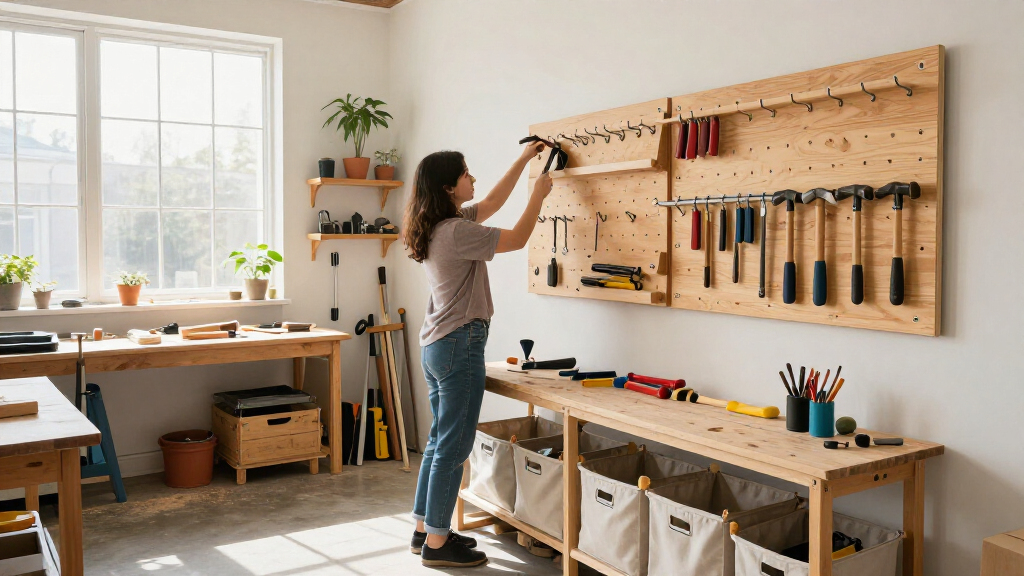
Michelle Urban, founder of The Organized House, predicts more planning across rooms instead of treating each space as a separate project. A family’s entryway, garage and daily routines, for example, may all affect where backpacks, shoes and sports equipment should be stored. The report’s other forecasts are weekly upkeep, home-concierge services, more sustainable organizing products, storage built into room design and repurposing household items before buying new organizers.
From Storage Projects to Daily Systems
The predictions point to a practical change in how organizing work is framed: not only as buying containers or tidying one room, but as building systems around how people use their homes. That approach could matter most for households dealing with frequent moves, busy schedules or possessions that circulate between rooms.
Several ideas also put spending decisions in view. Using existing furniture and containers may reduce the need for new purchases, while a home concierge or professional moving support involves paying for services. The report does not compare costs or establish how widely households are adopting these options, so its predictions are best read as professional observations and forecasts, not a market survey.
Popular right now

KitchenAid 5.5-Quart Bowl-Lift Stand Mixer, Porcelain White

Apple AirPods Pro 3 Wireless Earbuds with Active Noise Cancellation

Ninja SP151 Flip Toaster Oven & Air Fryer, Stainless Steel
As an affiliate, we earn on qualifying purchases.
The Seven Forecasts Behind the Report
House Beautiful’s article draws on comments from four professional organizers: O’Keith, Flinn, Urban and Ashley Bailey, founder of Everything Orderly. Their predictions cover different parts of organizing, from the materials used in storage to when and how people maintain household systems.
Beyond the first three themes, Flinn expects more households to outsource tasks to a home manager or concierge, potentially including laundry, package returns, appointments and organizing. O’Keith favors natural materials such as bamboo, rattan and seagrass for some baskets and bins, but recommends heavy-duty plastic for basements and attics because dampness, temperature changes and pests may damage other materials.
Urban sees storage becoming part of a room’s design: a living-room credenza might hold games, while a dining-room buffet could store wrapping paper and party supplies. Bailey predicts more editing and repurposing before buying. She says she has seen clients make better use of items they already own, including in a playroom project.
“They just want simple solutions that work.”
— Lenora O’Keith, owner of Aronel Home, as quoted by House Beautiful
How Widely These Trends Will Catch On
The report presents organizers’ expectations, not survey results, sales data or a forecast with stated measurements. It does not establish how many households already use home concierges, whether demand for low-tech systems is rising across the wider market, or which predictions will become common in 2027.
It also gives no cost comparisons for professional organizing or household-management services, and does not specify which products or providers qualify as sustainable. The predicted trends may vary by household, budget and housing conditions; their reach remains unclear.
Watch for Adoption Through 2027
The next test will be whether these ideas show up in households’ everyday choices during 2027: how people plan storage across rooms, maintain systems, arrange moving support and decide whether to purchase new products. The House Beautiful report does not announce a formal follow-up or provide a timeline for tracking adoption.
Readers can treat the list as a set of professional forecasts rather than a checklist of changes that are certain to happen. Further evidence would require reporting on household behavior, organizing-service demand or product sales; no such data is supplied in the source report.
Key Questions
What are the seven home-organizing trends predicted for 2027?
The report lists low- and no-tech systems, organizing support during moves, whole-home planning, home-concierge services, eco-friendly storage materials, design that incorporates functional storage, and repurposing items already owned.
Are these trends confirmed to be widespread?
No. They are predictions from four professional organizers cited by House Beautiful. The report does not provide survey or sales data showing how widely households have adopted them.
What does a whole-home organizing system mean?
It means planning how belongings move between rooms and where they need to be during daily routines, rather than organizing each space in isolation. Urban gives backpacks, shoes and sports gear as examples of items that may move between an entryway and garage.
Does the report recommend avoiding plastic storage?
Not in every setting. O’Keith favors materials such as bamboo, rattan and seagrass for some storage, but recommends heavy-duty plastic in basements and attics, where moisture, temperature changes and pests can damage other materials.
What is the report’s advice on buying organizing products?
Bailey expects more people to edit, rethink and reuse what they already own before purchasing new organizers. The report presents this as a forecast, not a rule for every household.
Source: housebeautiful.com