
TL;DR

Get business pricing on tools and workshop supplies
- Business-only prices and quantity discounts
- Tax-exempt purchasing
- Multiple users, one account, clear invoices
Safety glasses protect your eyes from small debris, while face shields cover your entire face from larger chips and splashes. Choosing the right depends on the risk level, but combining both offers the best safety. Recent innovations improve comfort and durability for both options.
Picture this: you’re trimming a stubborn branch or chipping away at a stone wall. Sparks fly, chips explode outward, and dust fills the air. It happens fast. Your choice of eye and face protection can mean the difference between a safe day and a trip to the ER. If you’ve ever wondered whether safety glasses or face shields are better, you’re not alone. This guide cuts through the confusion with real-world insights, so you can pick what truly keeps you safe.
We’ll explore what each PPE offers, recent tech updates making them smarter and more comfortable, and practical tips to keep your eyes and face protected during tough outdoor jobs. Because when debris is flying, silence isn’t safety—protection is.
Choose safety glasses for light debris and prolonged comfort; opt for face shields when dealing with larger chips or splashes.
Layer PPE by wearing safety glasses under face shields for maximum protection during high-risk tasks.
Recent tech, like anti-fog coatings and impact-rated polycarbonate, makes PPE more durable and user-friendly.
Always inspect your PPE before use—damage or fogging can compromise safety.
Matching PPE to your specific work hazards is the best way to stay safe and productive.
Safety Glasses vs Face Shields
Small dust, large chips, sudden splinters: debris changes with the tool and the task. Match protection to the hazard—and layer glasses beneath a shield when impact becomes fast, forceful, or unpredictable.
What each layer does—and leaves exposed
The best choice is not about which product is universally “better.” It is about debris size, speed, direction, work duration, visibility, and whether splashes or ricochets can reach beyond the eyes.
Safety glasses
Compact eye protection for dust, grit, and small flying particles. Wrap-around models improve side coverage while preserving peripheral vision and all-day mobility.
Face shield
A clear visor intercepts larger chips, splinters, and splashes across the face. Broader coverage comes with added weight and possible fogging or reduced side visibility.
Protection, comfort and practical limits
No single feature tells the whole story. Strong coverage matters, but so do fit, visibility, compatibility, and whether the equipment stays comfortable enough to remain correctly positioned.
| Feature | Safety glasses | Face shield | Layered together |
|---|---|---|---|
| Small dust & grit | ✓ Strong | ~ Variable at gaps | ✓ Strong |
| Large chips & splinters | ✗ Limited face coverage | ✓ Broad barrier | ✓ Best overall |
| Splash protection | ✗ Limited | ✓ Face coverage | ✓ Layered coverage |
| Peripheral vision | ✓ Generally wide | ~ May be restricted | ~ Depends on shield |
| Long-wear comfort | ✓ Lightweight | ~ Heavier and warmer | ~ More weight |
| High-speed tool work | ✗ Often insufficient alone | ~ Do not rely on alone | ✓ Preferred approach |
| Fogging potential | ~ Possible | ✗ More exposed to fog | ✗ Manage ventilation |
Debris force should drive the decision
As projectile size, speed, and unpredictability rise, protection should move from eye-only coverage toward full-face and layered protection.
Protection spectrum
Use this as a practical hazard ladder—not as a substitute for the tool manufacturer’s instructions or a site-specific risk assessment.
Four decision rules
Escalate protection whenever one or more risk factors increase.
From hazard to a safer start
Protection works as a connected system. A certified product can still fail in practice if it is damaged, poorly fitted, incompatible with other PPE, or removed because vision becomes obscured.
Newer designs reduce the reasons people take protection off
Modern materials and ergonomic refinements improve clarity, durability, fit, and compatibility—helping protection remain usable through long, demanding tasks.
Anti-fog coatings
Specialized lens treatments and improved airflow help keep the viewing area clear in humid, warm, or high-effort conditions.
Polycarbonate lenses
Impact-resistant polycarbonate provides a tough, lightweight barrier that reduces fatigue compared with heavier alternatives.
Scratch resistance
Hard coatings extend useful life and preserve visibility, though scratched or damaged equipment still requires replacement.
Adjustable headgear
Ratchet bands, padding, and balanced visors reduce pressure points and help face shields stay correctly positioned.
Wrap-around profiles
Contoured safety glasses improve lateral protection while retaining the peripheral view needed around tools and branches.
Multi-PPE systems
Compatible shields, earmuffs, respirators, and helmets reduce interference between protective layers.
A five-point field check
Inspection takes less time than clearing a fogged visor mid-cut. Replace compromised PPE rather than trying to work around cracks, deep scratches, loose hardware, or distorted vision.
Inspect the lens
Look for cracks, deep scratches, clouding, warping, and impact damage.
Clean correctly
Use an appropriate cleaner and soft material; avoid abrasive wiping.
Confirm the fit
Check temples, nose bridge, straps, headband, hinges, and visor position.
Test compatibility
Make sure other PPE does not lift, displace, or create unsafe gaps.
Check visibility
Verify a clear central and peripheral view before starting the tool.
The safest choice follows the hazard—not habit.
Use glasses for light debris, add a face shield for broad or forceful exposure, and combine both when trimming or chipping becomes high-risk or unpredictable.
What Safety Glasses and Face Shields Do (And What They Don’t)
Safety glasses are lightweight, snug, and focus on shielding your eyes from tiny particles—think dust or small chips. They’re designed to absorb impact and prevent objects from hitting your eyeball directly. But they won’t block larger splashes or debris that could splash or bounce around your face. This limitation is crucial because it highlights the importance of understanding the specific hazards involved in your task. For example, while safety glasses excel at preventing eye injuries from small projectiles, they leave other parts of your face vulnerable to larger or liquid debris, which could lead to cuts, burns, or chemical splashes. Recognizing this helps you decide whether additional protection is necessary.
Face shields cover your entire face—eyes, cheeks, neck—like a helmet with a clear visor. They’re built for bigger, faster chips and splashes, especially when power tools are involved. The tradeoff? They can fog up, limit side visibility, and feel a bit bulky after hours. This means that while face shields provide comprehensive coverage, they can introduce new risks like reduced peripheral awareness or discomfort that might lead to adjustments or removal, compromising safety. Knowing these tradeoffs underscores the importance of choosing the right PPE for the specific work environment and hazards.
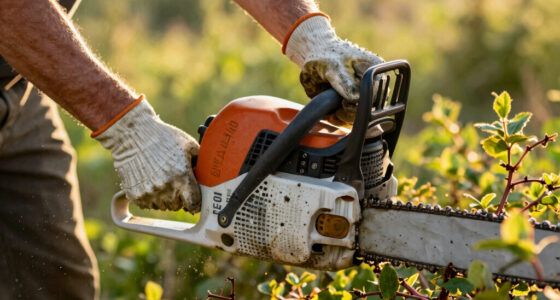
Imagine trimming a thick oak branch with a chainsaw. Safety glasses might keep your eyes safe from small splinters but leave your face vulnerable to larger chips. Conversely, a face shield guards everything but might fog up when you’re sweating or working in humid conditions. This comparison illustrates why understanding the specific hazards and conditions of your work helps determine whether you need just one form of PPE or a combination to ensure maximum protection.
impact-resistant safety glasses for woodworking
As an affiliate, we earn on qualifying purchases.
As an affiliate, we earn on qualifying purchases.
How to Decide When to Use Safety Glasses or Face Shields (And When to Use Both)
- Assess debris size and force: Small dust and particles? Safety glasses are enough. Big chips or flying splinters? Go for a face shield. Understanding the size and velocity of debris helps determine the level of impact resistance needed. Smaller particles pose less risk of serious injury but can cause irritation or minor damage; larger debris can cause lacerations, fractures, or eye injuries. The tradeoff is in balancing visibility and comfort with safety—overprotection can be cumbersome, while underprotection risks injury.
- Consider work environment: Is it humid or dusty? Face shields might fog up more, reducing visibility and increasing risk. Is the work confined? Glasses are less cumbersome and allow better mobility. Evaluating environmental factors helps prevent PPE from becoming a hazard itself, such as fogging or overheating, which can tempt workers to remove or adjust gear improperly.
- Check tool power and speed: Power tools produce larger, faster debris—wear a face shield with impact-resistant glasses underneath. Recognizing that high-speed tools generate more dangerous debris emphasizes the need for layered protection. This layered approach minimizes injury risk, especially since impact-rated PPE can sometimes be less comfortable for prolonged use. The tradeoff involves balancing maximum safety with practicality and comfort for extended work periods.
- Follow safety standards: Impact-rated PPE is a must. Combine PPE for maximum protection in high-risk tasks. Standards like ANSI Z87.1 specify impact resistance but also consider comfort and usability, which affect compliance. Using standards as a guide ensures your PPE isn’t just protective in theory but effective in real-world conditions.
- Layer protection: For the highest safety, wear safety glasses under a face shield—like a helmet and goggles combo. This layered approach offers comprehensive coverage, guarding against multiple types of hazards simultaneously. The tradeoff is increased weight and potential fogging, but the added protection significantly reduces injury risk during intense or unpredictable tasks.
For example, when trimming thick branches with a chainsaw, don a face shield plus impact-rated glasses underneath. For light pruning, safety glasses alone might suffice. Recognizing the specific task and hazards allows you to select the most appropriate PPE combination, optimizing safety without unnecessary discomfort or expense.
full face shield for chipping and trimming
As an affiliate, we earn on qualifying purchases.
As an affiliate, we earn on qualifying purchases.
Recent Tech Advances Making PPE Safer and Smarter
Modern safety gear isn’t just about impact resistance anymore. Anti-fog coatings are now standard on both glasses and shields, keeping your vision clear even in humid conditions. Impact-resistant polycarbonate lenses are lighter and tougher, reducing fatigue and risk of cracks. These advancements mean PPE can now withstand harsher environments and longer use, which is vital for demanding outdoor or industrial tasks.
Design tweaks like adjustable headbands, better ventilation, and lightweight materials make PPE more comfortable for long days. Some face shields now feature quick-release mechanisms and integrated padding—no more slipping or pinching. These features not only improve comfort but also ensure that PPE remains properly positioned, maintaining its protective integrity throughout the work shift. The significance lies in how these innovations reduce the likelihood of PPE failure due to improper fit or discomfort, thus enhancing overall safety.
Impact standards like ANSI Z87.1 and EN 166 have evolved, emphasizing not just impact resistance but also comfort, visibility, and compatibility with other safety gear. Imagine a face shield that doesn’t fog during a humid morning—works wonders, right? Such technological improvements directly translate into safer, more effective protective equipment that encourages consistent use and reduces accidents caused by gear failure or non-compliance.
anti-fog safety glasses with impact rating
As an affiliate, we earn on qualifying purchases.
As an affiliate, we earn on qualifying purchases.
Comparison Table: Safety Glasses vs Face Shields — Which Protects Best?
| Feature | Safety Glasses | Face Shields |
|---|---|---|
| Coverage Area | Eyes only | Face, face, neck |
| Protection Level | Impact, dust, small particles | Impact, splashes, large debris |
| Comfort | Lightweight, snug fit | Heavier, may fog up |
| Visibility | Wide peripheral view | Limited side view, can fog |
| Best For | Low-impact, dust, small chips | Large chips, splashes, impact from power tools |
layered PPE safety glasses and face shield
As an affiliate, we earn on qualifying purchases.
As an affiliate, we earn on qualifying purchases.
Maintaining and Caring for Your PPE: Keep It Clear and Safe
Proper maintenance keeps PPE effective. Regularly clean face shields with mild soap and water—avoid abrasive cleaners that scratch the surface. For safety glasses, wipe lenses with a soft cloth and inspect for cracks or scratches that could impair vision.
Fogging is a common issue. Use anti-fog sprays or ensure good ventilation. Replace PPE showing signs of damage—cracks, scratches, or loose straps—immediately. A damaged visor or lens isn’t just ineffective; it’s dangerous.
Think of PPE like a tool—if it’s not in top shape, it won’t do its job. Keep it spotless, intact, and comfortable.
Frequently Asked Questions
Which offers better protection for trimming and chipping—safety glasses or face shields?
For small debris and dust, safety glasses usually do the job. However, for larger chips, splashes, or impact from power tools, face shields provide broader coverage. In many high-risk jobs, layering both offers the best safety.Can I wear safety glasses under a face shield?
Yes, wearing safety glasses beneath a face shield is common practice. It adds an extra layer of impact protection for your eyes while the shield covers your face from larger debris.What are common drawbacks of face shields?
Face shields can fog up, restrict peripheral vision, and feel heavier over long hours. Proper ventilation and lightweight designs help mitigate these issues.What safety standards should I look for when choosing PPE?
Look for certifications like ANSI Z87.1 (U.S.) or EN 166 (Europe). These standards guarantee impact resistance and safety performance for PPE used in trimming and chipping work.How should I clean and maintain my PPE?
Clean face shields with mild soap and water, avoiding abrasive cleaners. Inspect for damage regularly. Replace any scratched, cracked, or loose PPE to keep your protection reliable.Conclusion
When debris flies, your protection should be clear and comprehensive. Safety glasses and face shields each have their strengths, but combining them gives you the best of both worlds. Modern innovations make this gear more comfortable and reliable than ever—don’t cut corners on safety.
Remember: PPE isn’t just equipment; it’s your first line of defense. Choose wisely, maintain diligently, and work confidently knowing you’re protected from flying danger.
Columbus Day / Indigenous Peoples' Day Picks
long weekend sales
As an affiliate, we earn on qualifying purchases.