
TL;DR

Get business pricing on tools and workshop supplies
- Business-only prices and quantity discounts
- Tax-exempt purchasing
- Multiple users, one account, clear invoices
Chainsaw helmet systems combine visors, muffs, and shells to protect your eyes, ears, and head. Regular inspection and awareness of expiration dates are key to staying safe. Modern systems now include advanced materials and integrated features for better protection and comfort.
Few things are as overlooked as the lifespan of your chainsaw helmet system. You might think a helmet is good as long as it looks intact. But the reality? Impact resistance and protective features degrade over time, sometimes silently.
When you’re swinging a chainsaw, a cracked visor or worn-out muff isn’t just inconvenient — it’s dangerous. This guide will show you how to spot wear, understand expiration dates, and keep your gear in peak safety condition, so you stay protected when it counts most.
Inspect visors and muffs regularly—don’t wait for damage to appear.
Replace helmet shells every 3-5 years, especially if exposed to harsh elements.
Look for certification labels like ANSI Z89.1 or EN 397 to ensure safety standards.
Modern helmets include tech upgrades like anti-fog visors and Bluetooth communication.
Proper maintenance extends your gear’s life and keeps you safer on the job.
Visors, Muffs & Shell Expiration Dates
A chainsaw helmet is a three-part protection system. Its shell absorbs impact, its visor intercepts debris, and its muffs reduce hazardous noise. Age, sunlight, chemicals and daily wear can weaken every layer—even when the helmet still looks usable.
One helmet. Three critical barriers.
Effective protection depends on all three components working together. Damage to one layer can sharply reduce the safety of the complete system.
Impact Shell
High-density polyethylene, fiberglass or composite material helps resist penetration and disperse energy from falling limbs and other impacts.
Face Visor
Clear polycarbonate or mesh shields the eyes and face from chips, sawdust and fast-moving debris. Clarity and structural integrity are equally important.
Ear Muffs
Passive or electronic muffs reduce damaging sound. Cushions must seal evenly around the ears; gaps, hardened foam or loose mounts reduce performance.
Noise exposure is a fit problem, too.
A high rating cannot compensate for gaps caused by worn cushions, eyewear arms, hair or poor adjustment. Confirm that the selected protection suits the measured exposure.
Spot failure before the saw starts.
Do not wait for obvious breakage. Cloudiness, stiffness, looseness and color change can reveal degradation before a component fully fails.
Scan for scratches and cracks
Deep scratches distort vision and create weak points. Replace a cracked visor instead of attempting a repair.
Test visibility
Persistent fogging, haze or cloudiness may indicate coating wear or aged plastic that no longer provides a clear field of view.
Confirm the muff seal
Check cushion softness, head pressure and attachment points. Any gap can allow hazardous noise to bypass the protection.
Flex and inspect the shell
Look for dents, deformation, brittleness, chalking or discoloration—especially after UV, chemical or temperature exposure.
After a severe strike, drop or suspected impact, remove the helmet from service and follow the manufacturer’s replacement guidance—even if damage is not visible.
Typical lifespan is only the starting point.
Usage intensity, storage and exposure determine real-world durability. Record the in-service date and check the molded date code and instructions.
| Component | Typical range | Warning signs | Replacement decision |
|---|---|---|---|
| Shell | 3–5 years | ✗ Cracks, dents, fading, deformation or brittleness | Replace after damaging impact, visible deterioration or the maker’s expiry limit |
| Visor | 3–5 years | ~ Scratches, cloudiness, persistent fogging or cracks | Replace whenever clarity or structural integrity is compromised |
| Ear muffs | 3–4 years | ~ Hard cushions, weak pressure, split foam or reduced attenuation | Replace cushions or the complete muff according to condition and instructions |
Ranges are general guidance. The component manufacturer’s instructions and marked service life take priority.
Exposure compresses the safety window.
Relative bars illustrate how storage and environmental stress can accelerate inspection and replacement needs. They are risk indicators, not measured service-life percentages.
Light Composites
Reduced weight can improve comfort while maintaining certified impact performance.
Coated Visors
Anti-fog and anti-scratch layers support clearer vision in changing conditions.
Electronic Muffs
Noise control and ambient-sound features can improve situational awareness.
Comms & LEDs
Bluetooth communication and lighting can aid teamwork and low-light visibility.
A repeatable safety loop.
Maintenance extends usable life only while the components remain within their specified service period and pass inspection.
Before every use
Check shell, suspension, visor, mounts, cushions and adjustment.
Mild soap and water
Avoid harsh solvents that can attack plastics, coatings and foam.
Cool, dry and shaded
Keep the system away from sunlight, chemicals and temperature extremes.
Track age and changes
Note the in-service date and promptly replace damaged or expired parts.
Protection is only as strong as its weakest component.
A helmet that looks intact may still be aged, poorly fitted or outside its approved service life. Inspect the complete system, not just the shell.
Inspect visors, muffs, suspension and shell before each use.
Plan for shell and visor replacement around 3–5 years unless instructions specify otherwise.
Verify applicable certification markings such as ANSI Z89.1, EN 397 or CSA Z94.1.
Replace any component immediately when impact, cracks, poor fit or impaired visibility compromise protection.
Clean gently and store away from UV light, chemicals, heat and moisture.
Common questions
Use a certified helmet system selected for the hazards and required eye, face and hearing protection—not an unequipped general-purpose shell.
Yes. Materials age through time and exposure. Follow the manufacturer’s date code, instructions and replacement interval.
Replace it when scratches, cracks, haze, brittleness or persistent fogging interfere with visibility or strength.
Inspect cushions and electronics, keep battery contacts clean and follow the maker’s charging, battery and sealing guidance.
What Makes a Chainsaw Helmet System Safe and Effective?
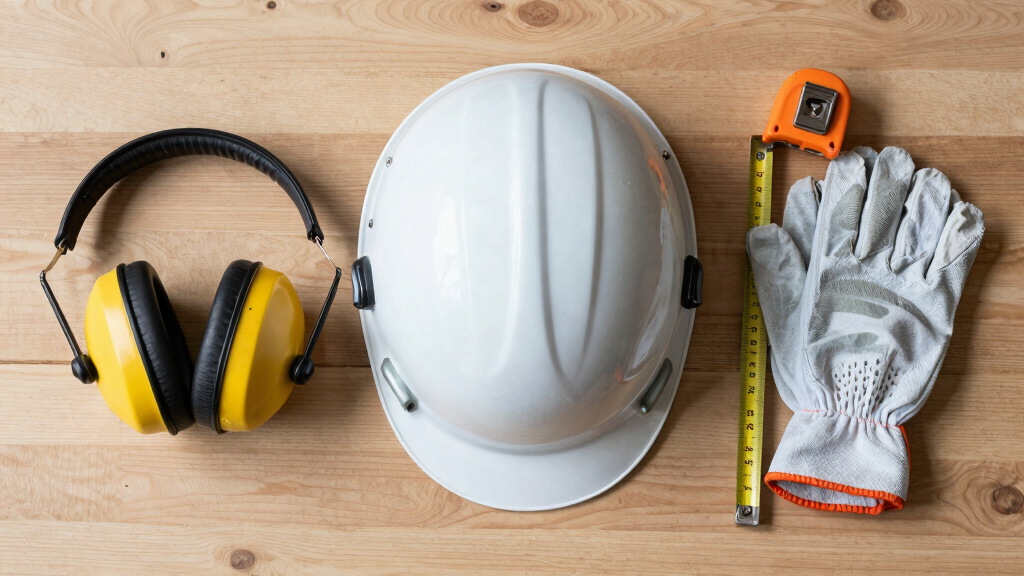
A chainsaw helmet system isn’t just about a hard shell. It’s a combo of impact-resistant shell, a clear visor to shield your face, and ear muffs to block out deafening noise. Each part plays a vital role in your safety.
For example, the visor protects against flying wood chips at 100 mph, while the muff reduces chainsaw noise from 110 decibels down to safe levels below 85. If one component fails, your protection drops significantly.
Helmets certified to standards like ANSI Z89.1 or EN 397 have undergone rigorous impact and penetration tests. Always check for these labels before buying or trusting your gear.
chainsaw helmet with visor and ear muffs
As an affiliate, we earn on qualifying purchases.
As an affiliate, we earn on qualifying purchases.
How to Spot Worn-Out Visors and Muffs Before It’s Too Late
- Inspect for scratches or cracks. Even tiny scratches can distort your view, and cracks can let debris in. These imperfections compromise clarity and structural integrity, which are vital as even small damage can lead to failure under impact. Recognizing these issues early is essential because a compromised visor can cause eye injuries or impair your ability to respond quickly during work.
- Check fogging or cloudiness. Fogging reduces visibility, which can lead to accidents, especially in humid or cold conditions. It also indicates that the anti-fog coating may be wearing off, decreasing the visor’s effectiveness over time. A fogged visor not only impairs vision but can also cause fatigue and frustration, increasing the risk of mistakes.
- Ensure muff fit is snug, with no gaps. Loose muffs allow noise to seep in, reducing your ability to hear warnings or communication, which is critical in noisy environments. Proper fit also prevents the muff from shifting or falling off during work, maintaining consistent protection against loud sounds that can cause hearing loss.
- Look for discoloration or brittleness. UV exposure and age weaken plastics, causing them to become brittle or discolored. Brittle materials are more prone to cracking or breaking upon impact, which can lead to serious injuries. Recognizing these signs helps prevent sudden failures that could expose you to hazards.
- Replace if damaged or after 3-5 years, depending on usage and storage conditions. Regular replacement ensures the materials retain their protective qualities, especially since the cumulative effects of wear and environmental exposure diminish safety over time. Skipping replacements can lead to unnoticed degradation, increasing injury risk during impact.
For example, I once saw a helmet’s visor crack after just two years of daily use in a dusty yard. It was a reminder that even minor damage can compromise safety, and understanding these signs helps prevent accidents before they happen. Regularly inspecting and replacing worn components isn’t just maintenance — it’s a critical safety measure that keeps you protected from unseen hazards.
chainsaw safety helmet replacement parts
As an affiliate, we earn on qualifying purchases.
As an affiliate, we earn on qualifying purchases.
Understanding Shell Expiration Dates — When to Replace Your Helmet
The outer shell of your chainsaw helmet isn’t forever. Polyethylene and fiberglass shells are subjected to environmental stresses that cause gradual degradation in their protective capabilities. Over time, exposure to UV rays, chemicals, and temperature fluctuations weaken the material’s structure, reducing its ability to absorb impact effectively.
Most manufacturers recommend replacing helmets every 3 to 5 years because the material’s integrity diminishes with age, even without visible damage. Signs indicating it’s time for a replacement include cracks, discoloration, or deformation — all of which compromise the shell’s ability to withstand impacts. Dropping your helmet and noticing dents or cracks is a clear sign it’s no longer safe.
Understanding how environmental factors accelerate wear is crucial because exposure to sunlight, chemicals, and temperature extremes can significantly shorten the lifespan of your helmet shell. For instance, a helmet used in a hot, sunny climate may become brittle faster than one stored indoors. Recognizing these signs and replacing your helmet proactively can prevent head injuries during a fall or impact, emphasizing the importance of timely replacement based on environmental exposure and visible damage.
As an affiliate, we earn on qualifying purchases.
Modern Innovations: What’s New in Chainsaw Helmet Tech?
Recent years have brought exciting upgrades. Helmets now use lightweight composites that don’t sacrifice impact resistance. Impact-resistant visors feature anti-fog and anti-scratch coatings, making visibility crystal clear even after months of use.
Many helmets include integrated Bluetooth or LED lights, boosting communication and visibility in low-light conditions. Muffs with electronic noise-canceling and amplification are game-changers during loud work.
For example, a logger using a Bluetooth helmet can talk hands-free with teammates, reducing miscommunication and improving safety.
chainsaw helmet with Bluetooth communication
As an affiliate, we earn on qualifying purchases.
As an affiliate, we earn on qualifying purchases.
How to Maintain and Extend the Life of Your Helmet System
Regular cleaning and inspections extend safety and comfort. Use mild soap and water for visors and ear muffs; avoid harsh chemicals that can degrade plastic and foam.
Store helmets in a cool, dry place away from direct sunlight. Check for cracks, discoloration, and fit before each use. Replace any damaged or aged components promptly. Neglecting these maintenance steps can accelerate material degradation, leading to reduced impact absorption and increased risk of injury.
Proper maintenance is not just about cleanliness; it’s about ensuring each component maintains its structural integrity and protective function. Over time, even small cracks or discoloration can weaken the helmet’s ability to absorb impacts, so proactive care—like replacing worn parts and storing properly—can make the difference between a safe helmet and one that fails when you need it most.
Remember: a helmet’s safety depends on its weakest link. If the shell, visor, or muff shows wear, swap it out. Proper maintenance not only prolongs the lifespan but also ensures that each component performs optimally when needed most.
Comparison Table: Helmet Components & Lifespan
| Component | Typical Lifespan | Signs of Wear | Replacement Tips |
|---|---|---|---|
| Shell | 3-5 years | Cracks, discoloration, dents | Replace if damaged or after expiry date |
| Visor | 3-5 years | Scratches, fogging, cracks | Replace if scratched or cracked |
| Muffs | 3-4 years | Reduced noise reduction, cracks | Replace if damaged or after 4 years |
Common Questions About Chainsaw Helmet Safety
Q1: How often should I replace my helmet and accessories?
A: Every 3-5 years, but always inspect regularly for damage or wear.
Q2: What signs show my visor or muff needs replacing?
A: Scratches, cracks, fogging, or reduced noise blocking indicate it’s time.
Q3: Are there safety standards I should look for?
A: Yes, certifications like ANSI Z89.1, EN 397, or CSA Z94.1 ensure compliance.
Q4: Can I use a regular helmet for chainsaw work?
A: No, only certified helmets are designed for chainsaw impact and debris.
Q5: How do I properly care for my helmet system?
A: Clean with mild soap, check for damage, store away from sunlight, and replace worn parts.
Conclusion
Staying safe with a chainsaw helmet system isn’t just about buying the right gear. It’s about knowing when parts wear out and replacing them before it’s too late. A worn-out visor or cracked shell can turn a routine cut into a serious injury.
Make inspection a habit. Your safety depends on it. Keep your gear in top shape, and you’ll keep yourself protected through every cut, chip, and chunk of wood.
Fall yard work Picks
leaf blowers
As an affiliate, we earn on qualifying purchases.