TL;DR

Get business pricing on tools and workshop supplies
- Business-only prices and quantity discounts
- Tax-exempt purchasing
- Multiple users, one account, clear invoices
Heat stress can hit fast during yard work in summer. Staying hydrated, pacing yourself, and wearing the right gear are your best defenses. New tech like cooling vests and wearables make it easier to stay safe.
Ever felt your head spin after a long afternoon in the sun? That’s heat stress creeping up. It’s a real danger for anyone working outside in summer — whether you’re trimming hedges or laying sod. The good news: a little prep and awareness go a long way to keep you safe and effective.
In this guide, you’ll learn how to stay cool, hydrated, and protected. We’ll cover practical tips on hydration, pacing, and gear that work in real-world yard work. No fluff—just straight-up advice from someone who’s been in the trenches during 100-degree days.
Start every hot day well-hydrated with at least 16-20 ounces of water before beginning work.
Take regular, scheduled breaks—every hour if possible—in shaded areas to prevent overheating.
Wear light-colored, breathable clothing, wide-brim hats, and UV protection to stay cool and shield against sunburn.
Work during cooler hours—early mornings or late evenings—to minimize heat stress risk.
Use modern cooling gear and wearables to monitor your body’s signals and stay ahead of heat-related dangers.
Heat Stress During Summer Yard Work
Hydration, pacing and protective gear form a practical defense against heat exhaustion and heat stroke. Prepare before the first shovel hits the soil—and respond early when your body signals trouble.
Drink ahead of thirst
Thirst can lag behind fluid loss. Establish a hydration baseline before work, sip consistently during exertion and replace water plus electrolytes afterward when sweating has been heavy or prolonged.
Start topped up
Drink 16–20 ounces of water before beginning. Starting in a deficit makes it harder for the body to shed heat once digging, mowing or lifting begins.
Sip on schedule
Take small drinks every 15–20 minutes. Frequent sipping supports steady hydration without the stomach discomfort caused by suddenly guzzling a large volume.
Recover the loss
Replenish after work. Add an electrolyte drink after intense, extended sweating. Limit alcohol, sugary soda and excessive caffeine around demanding hot-weather work.
Work with the clock, not against it
Heat load accumulates. A sustainable pace and planned shade breaks give sweat time to evaporate, core temperature time to fall and attention time to recover.
Relative heat exposure by work period
Reduce the heat your body must manage
Good gear reflects sunlight, supports sweat evaporation and limits UV exposure. Newer cooling products and wearables can add useful feedback, but they do not replace water, rest or sound judgment.
| Gear | Primary benefit | Field check |
|---|---|---|
| Loose, light clothing | Reflects heat and helps sweat evaporate | ✓ BREATHABLE |
| Wide-brim hat | Shades face, ears, neck and shoulders | ✓ FULL SHADE |
| UV eyewear + sunscreen | Protects eyes and exposed skin from UV damage | ✓ REAPPLY |
| Cooling towel or wrap | Supports skin cooling during planned breaks | ✓ RE-WET |
| Heat-aware wearable | Provides trend data and early alerts | ~ SUPPORT TOOL |
Stop, cool and rehydrate
Watch for heavy sweating, weakness, dizziness, nausea, headache or muscle cramps. Move to shade or air conditioning, loosen clothing, cool the skin and drink fluids if alert and able.
Call emergency services
Confusion, collapse, loss of consciousness, very rapid heartbeat or hot skin can signal heat stroke. Begin rapid cooling and seek emergency help immediately. Do not leave the person alone.
The safer-work chain
Each decision supports the next. Break one link—especially hydration or symptom recognition—and heat risk rises quickly.
Begin hydrated, sip every 15–20 minutes, rest for 10–15 minutes each hour, avoid the 10 a.m.–4 p.m. heat window, wear breathable UV-protective gear and stop immediately when dizziness, nausea or confusion appears.
What is heat stress, and why should you care when yard work heats up?
Heat stress occurs when your body’s cooling mechanisms can’t keep up with the heat produced or absorbed, leading to potentially dangerous conditions like heat exhaustion or heat stroke. When working outdoors, especially during summer, your body is exposed to excessive heat combined with physical exertion—lifting, digging, operating machinery—that generates internal heat. If this heat isn’t effectively dissipated, core body temperature rises, impairing vital functions. This can result in dizziness, disorientation, muscle cramps, or even organ failure in severe cases.
Understanding why heat stress happens helps you recognize the importance of managing workload, taking breaks, and staying cool. Ignoring early warning signs can lead to rapid deterioration, especially during peak sunlight hours, when the risk is highest. The implications are serious: heat-related illnesses can incapacitate you quickly, and in extreme cases, be life-threatening. Therefore, planning your work around these factors and knowing how to prevent heat buildup is crucial for safety.
As an affiliate, we earn on qualifying purchases.
How to stay hydrated without overdoing it: 3 simple steps
- Start early with a substantial drink—about 16-20 ounces of water—before you begin work. This pre-hydration helps establish a baseline, ensuring your body isn’t already in a deficit when the heat intensifies. Proper hydration at the start is critical because it reduces the risk of dehydration setting in quickly as you sweat.
- Drink small amounts frequently—every 15-20 minutes—while working. This consistent sipping prevents your body from becoming dehydrated and maintains a steady state of hydration. Guzzling large quantities at once can upset your stomach and lead to discomfort, which might distract you from noticing early signs of heat stress.
- After finishing work, replenish lost fluids with water and electrolyte drinks if necessary. Electrolytes like sodium and potassium are vital for nerve function and muscle contractions; replacing them helps prevent cramps and improves recovery. Neglecting this can prolong fatigue and make you more vulnerable to heat-related illnesses on subsequent days.
For example, last summer, I kept a 20-ounce bottle at arm’s reach. I learned that waiting until I felt thirsty was already a sign of dehydration, so I sipped proactively. This habit kept me energized and safe, even during the hottest afternoons. It’s also important to avoid dehydrating beverages like sugary sodas, caffeine, and alcohol, as they can accelerate fluid loss and impair your body’s cooling capacity. Prioritizing proper hydration strategies helps you maintain performance and safety over long, hot days.
personal heat stress monitor wearable
As an affiliate, we earn on qualifying purchases.
As an affiliate, we earn on qualifying purchases.
Why pacing matters: Work smarter, not harder
Maintaining a steady work pace and incorporating regular breaks is essential because it allows your body to regulate temperature and recover from exertion. When you ignore fatigue signals and push through, your core temperature continues to rise, increasing the likelihood of heat exhaustion or stroke. Taking a 10-15 minute break every hour—preferably in shaded or cooler areas—gives your body time to cool down, rehydrate, and restore energy levels.
Imagine you’re mowing a steep slope in the midday heat. If you try to rush through without pausing, you risk overheating, losing focus, or collapsing. Instead, pausing every 20 minutes, drinking water, and resting in the shade might seem like a slowdown, but it drastically reduces health risks and can actually improve overall efficiency. These small, strategic breaks prevent cumulative heat buildup and help you work longer and safer. Remember, patience and pacing are investments in your health, ensuring you complete your project without compromising your safety.
As an affiliate, we earn on qualifying purchases.
Gear up: What to wear and use for maximum protection
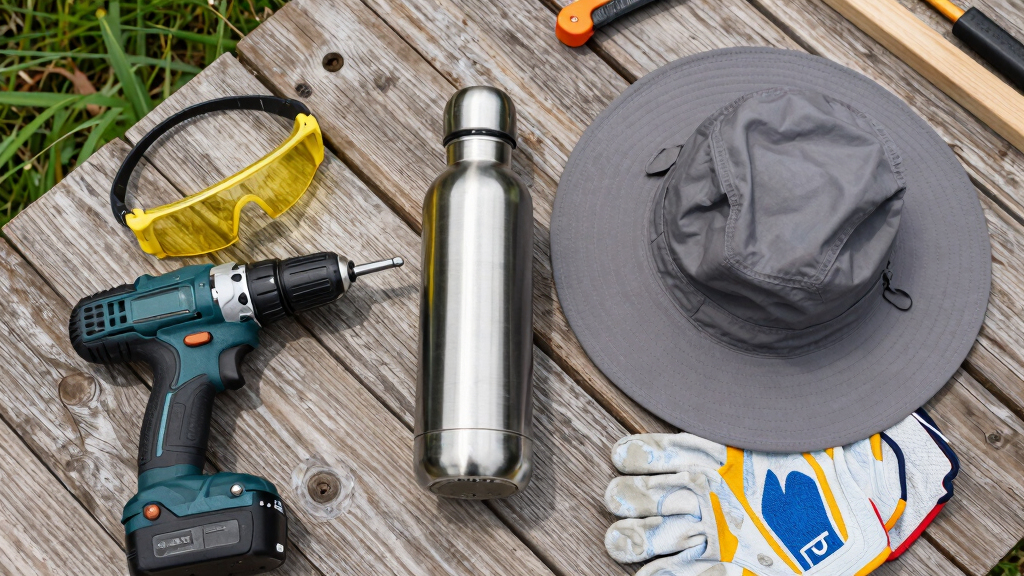
Your clothing choices are more than just comfort—they’re vital for safety. Light-colored, loose-fitting, moisture-wicking fabrics reflect heat and facilitate sweat evaporation, which cools your skin. Wide-brim hats and UV sunglasses act as physical barriers against direct sunlight, reducing heat absorption and protecting your eyes from UV damage. Proper gear minimizes heat retention and prevents sunburns, which can further impair your body’s ability to cool itself.
For example, I opt for a breathable, long-sleeved shirt with UPF protection before tackling hot days. I also wear a wide-brim hat, UV sunglasses, and gloves to shield my skin from sunburn and UV exposure. Using a neck gaiter or cooling towel around my neck provides additional cooling and heat dissipation. These choices aren’t just about comfort—they’re about reducing heat load and preventing heat-related illnesses. Combining protective gear with proper hydration and pacing creates a comprehensive safety system that helps you work efficiently without risking your health.
Table below summarizes key gear features and their importance:
| Gear Feature | Benefit |
|---|---|
| Light-colored, loose clothing | Reflects heat and promotes sweat evaporation, aiding in cooling |
| Wide-brim hat | Shields face, neck, and shoulders from direct sun exposure |
| Sunscreen | Prevents sunburns and reduces heat absorption from the skin |
| Cooling towels or neck wraps | Help lower core and skin temperature during work breaks |
As an affiliate, we earn on qualifying purchases.
Frequently Asked Questions
How can I tell if I’m experiencing heat exhaustion or heat stroke?
Heat exhaustion shows as heavy sweating, weakness, dizziness, nausea, and muscle cramps. Heat stroke is more serious—confusion, rapid heartbeat, dry skin, and loss of consciousness. If symptoms of heat stroke appear, call emergency services immediately and move to a cooler place.
What are the best ways to stay hydrated during yard work?
Drink small amounts of water regularly—every 15-20 minutes. Consider electrolyte drinks if you’re working intensely or for hours. Avoid caffeinated or alcoholic beverages—they dehydrate you faster. Proper hydration is vital because it directly impacts your body’s ability to regulate temperature, maintain energy, and prevent heat-related illnesses. Neglecting hydration can lead to quicker exhaustion, impaired judgment, and increased risk of serious conditions like heat stroke. Therefore, understanding and implementing effective hydration strategies is essential for safe yard work in hot weather.
How long should I rest between periods of yard work?
Take a 10-15 minute break every hour, ideally in the shade or a cool spot. This interval allows your core temperature to drop, fluids to replenish, and muscles to recover, reducing the risk of heat exhaustion. Skipping breaks or working continuously increases heat buildup, fatigue, and the chance of heat-related illnesses. Incorporating these regular rests is a simple yet powerful way to sustain your energy and safety throughout the day.
What clothing should I wear to stay cool and protected?
Opt for lightweight, loose-fitting, moisture-wicking fabrics that reflect sunlight and promote evaporation. Wide-brim hats and UV-protective sunglasses reduce direct sun exposure and UV damage. Applying a broad-spectrum sunscreen on all exposed skin prevents burns, which can compromise your body’s cooling efficiency. Proper clothing choices are critical because they directly influence your body’s heat load, comfort, and risk of sunburn or heat-related illnesses. Balancing protection with breathability ensures you stay cool, safe, and effective during your outdoor work.
Can I work during the hottest part of the day if I take precautions?
While it’s possible with strict precautions, it’s best to avoid working during peak heat hours—10 a.m. to 4 p.m.—whenever possible. If unavoidable, increase hydration, wear full sun protection, and schedule frequent breaks in shaded areas. Recognizing the higher risk during these hours and adjusting your work schedule accordingly can significantly reduce your chances of heat stress. Prioritizing early morning or late evening work not only enhances safety but also improves productivity, as cooler temperatures make outdoor tasks more manageable and less risky.
Conclusion
Playing it safe during summer yard work isn’t complicated—just respect your body’s limits. Hydrate early and often, pace yourself, and gear up for protection. That way, you keep your yard looking great without risking your health.
Remember, a little preparation today prevents a heat emergency tomorrow. So gear up, stay cool, and enjoy your outdoor projects without the heat-induced headache.
Fall yard work Picks
leaf blowers
As an affiliate, we earn on qualifying purchases.