TL;DR

Get business pricing on tools and workshop supplies
- Business-only prices and quantity discounts
- Tax-exempt purchasing
- Multiple users, one account, clear invoices
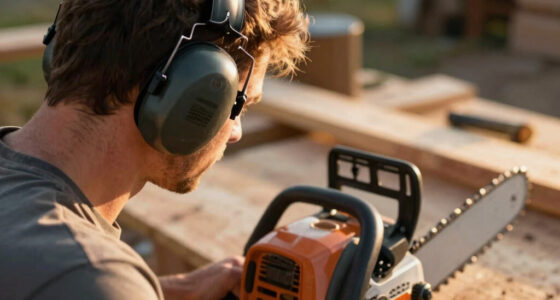
For chainsaw work, a mesh visor helps deflect larger debris from your face, while impact-rated safety glasses with side protection guard your eyes against smaller particles that can pass through mesh or around its edges. Wear compatible, properly fitted equipment, check local standards and manufacturer instructions, and use goggles when the task calls for a closer seal against fine dust or particles.
A mesh visor can stop a flying twig and still let a fine wood chip reach your eye. That gap is why chainsaw face protection works best as two separate layers: a visor for larger debris and impact-rated safety glasses for your eyes.
Here, you’ll learn what each layer protects, how to choose a combination that fits beneath your helmet, and when goggles may suit the job better. The right setup depends on the saw, the cut, the debris, and the equipment instructions—not just whether you’re running a battery saw for a quick cleanup or a gas saw through a long day of timber.
Use a mesh visor and suitable eye protection together when the task calls for face protection; mesh does not seal around the eyes.
Choose impact-rated safety glasses with side protection, and check fit beneath the visor through normal work movements.
Confirm helmet, visor, and eyewear compatibility in the manufacturer instructions and check the standards that apply in your jurisdiction.
Consider goggles when fine dust or very small particles could enter around glasses, while accounting for fogging and task conditions.
Replace damaged or badly scratched equipment, and treat face protection as one part of a broader chainsaw safety setup.
Mesh visor or safety glasses? Use both layers
A mesh visor helps deflect larger debris, while impact-rated safety glasses with side protection guard the eyes against smaller particles that can pass through or around the mesh.
What each layer protects
The visor covers more of the face; glasses sit closer to the eyes.
| Gear | Helps protect | Watch for |
|---|---|---|
| Mesh visor | Face from larger chips and debris | Openings and edge gaps let small particles through |
| Safety glasses | Eyes, especially with side protection | Fit and side coverage matter |
| Goggles | Eyes with closer coverage | May fog; check task suitability |
Choose a compatible setup
Check the equipment instructions and standards that apply where you work.
In the United States, relevant standards include ANSI/ISEA Z87.1. In Europe, check appropriate CE marking and applicable EN standards.
Confirm glasses stay in place beneath the visor, which should lower and remain secure with your helmet.
Turn your head, bend, and look toward the cut. Check for gaps, slipping, and anything that interferes with visibility.
Match protection to the task
Debris, conditions, and equipment guidance affect which eye protection is suitable.
- When face protection is needed
- Choose impact-rated glasses with side protection
- Keep both layers fitted and in good condition
- When fine dust or very small particles could get around glasses
- Check compatibility and task guidance
- Account for fogging and visibility
Remember the wider safety setup
Face and eye protection are only part of chainsaw PPE; task-appropriate head, hearing, hand, foot, and leg protection, training, safe cutting, and equipment maintenance also matter.
Why chainsaw work needs both layers
For chainsaw work, a mesh visor and safety glasses generally work as complementary layers: the visor helps deflect larger debris, while glasses protect the eye area from smaller particles that get through or around the mesh. A mesh visor does not seal around your eyes, so it should not be treated as eye protection by itself.
That distinction matters because debris varies in size and direction. A bark flake may strike the visor, while finer sawdust can drift through the openings or enter from the sides. Mesh allows airflow and can help preserve visibility, but those benefits come from leaving gaps; the same gaps limit how well it blocks small particles. Glasses add a closer barrier where the consequences of even a small chip are most serious: the eye.
Think of the visor as coverage for the broad front of your face and the glasses as protection for your eyes. If you’re bucking a fallen limb on a breezy afternoon, the visor can take larger flying pieces, while properly fitted glasses help keep smaller grit away from your eyes. Wind, the direction of the cut, and how close you are to the material all affect how debris reaches you, so the two layers work together rather than duplicating one another.
Wear both layers when your task calls for a visor: the mesh helps with face exposure, and the glasses protect the eyes. Neither layer makes chainsaw work risk-free.
Popular right now

iRobot Roomba 105 Combo Robot Vacuum and Mop

KitchenAid Artisan 5-Qt Tilt-Head Stand Mixer – Dried Rose (KSM150PS)

KitchenAid 5.5-Qt Bowl-Lift Stand Mixer, Porcelain White (KSM55SXXX)
As an affiliate, we earn on qualifying purchases.
What each layer catches—and what can slip past
A mesh visor and safety glasses protect different parts of your face: the visor covers a wider area, while glasses sit close to the eyes. Their jobs overlap only a little, which is why one piece usually cannot stand in for the other. The useful question is not simply which item blocks more, but what kind of debris could reach you and where it could enter.
| Layer | What it helps protect | What to watch for |
|---|---|---|
| Mesh visor | Broad facial area from larger chips and debris | Open mesh and edge gaps can let smaller particles through; it does not seal around eyes |
| Impact-rated safety glasses | Eye area, especially with suitable side protection | Fit and side coverage matter; glasses leave much of the face exposed |
| Closer coverage around the eyes | May fog more readily; check compatibility and suitability for the task |
Suppose you’re trimming storm-broken branches. A mesh visor can intercept larger splinters that would otherwise hit your cheek, but a fine chip can slip through a mesh opening. Glasses with side protection add a closer barrier at the eyes. If the glasses sit too far from the face or leave a gap at the temples, however, their benefit can be reduced; fit matters as much as the label.
Glasses alone may work for some tasks, but they don’t cover the rest of your face where the risk assessment calls for face protection. Goggles can make more sense when fine dust or very small particles are likely to get around glasses, though a closer seal can trap heat and fog. That tradeoff matters because poor visibility can interfere with judging the cut. Choose based on the debris, conditions, and instructions for the PPE and saw.
Choose gear that fits your helmet and carries the right markings
Choose impact-rated safety glasses with side protection, then confirm that they fit under the visor and work with your helmet system. Check product documentation and applicable local requirements for both parts of the setup; certification details and rules depend on where you work and what task you’re doing. A marking can indicate that a product meets a defined standard, but it cannot confirm that the combined gear sits correctly on your head or keeps the intended coverage in place.
In the United States, relevant eye and face protection standards include ANSI/ISEA Z87.1. In Europe, look for appropriate CE marking and conformity with applicable EN standards. Markings alone do not tell you whether your particular glasses, visor, and helmet are compatible, so read each manufacturer’s instructions before putting the set to work. Compatibility matters because a visor that catches on glasses or a helmet accessory can shift, leaving a gap or distracting you during a cut.
Use this quick check before the first cut. For example, if you’ve replaced a scratched visor but kept the same helmet, make sure the new visor still lowers securely and doesn’t push your glasses out of position. A change to one component can alter how the others sit, even when each item is appropriate on its own.
- Read the instructions for the visor, glasses, and helmet, including compatibility guidance.
- Check the markings against the standards and rules that apply where you work.
- Try the full setup on: lower and raise the visor, turn your head, and bend to look at the cut.
- Check for gaps and slipping around the eyes, at the temples, and along the visor’s edge.
- Confirm visibility in the light and weather you expect on site.
Get a secure fit before the saw starts
A good fit keeps the glasses in place beneath the visor, without gaps that expose your eyes, and lets the visor lower and stay secure. The helmet system should also sit correctly on your head; a combination that shifts whenever you look down can leave protection out of position just when a cut gets awkward. This is more than a comfort issue: repeated movement can create openings that weren’t there when you first put the gear on.
Before work, put on the complete setup and move as you would on the job: look up into a limb, lean toward a log, and turn to check the space around you. If the glasses slide down when you lower your head, adjust or replace them. If the visor bumps the glasses or won’t latch, that pairing needs attention before you cut. Forcing a fit can cause the glasses to lift, interfere with the visor, or encourage you to leave the visor raised.
Imagine clearing a waist-high pile of branches for twenty minutes. The first cut may feel fine, but repeated bends can work loose glasses toward the nose and lift the visor at the sides. A brief fit check in the yard catches that nuisance before it becomes a gap full of sawdust. It also reveals whether a helmet adjustment or earmuff position changes the fit once everything is worn together.
- Keep glasses seated when the visor moves up and down.
- Check side coverage and the fit at the bridge of the nose.
- Lower the visor fully and confirm it stays in its working position.
- Recheck after adjustments to the helmet, earmuffs, or straps.
Prescription glasses need the same careful check. Ordinary prescription eyewear should not be assumed to provide impact protection; compatible over-glasses or prescription safety eyewear may be needed. The extra layer must still sit securely with the visor, since eyewear that slips or interferes with the helmet can compromise both coverage and visibility.
Pick glasses or goggles for the debris you expect
Safety glasses with side protection suit many chainsaw tasks when they fit well and match the job, while goggles can offer closer coverage when fine dust or very small particles could enter around glasses. The best choice depends on the conditions and equipment guidance; no single setup suits every cut, weather pattern, and worksite. The tradeoff is between a closer barrier and comfort, airflow, and clear vision over the time you’ll be working.
Glasses are often easier to tolerate during active work, and clear lenses can preserve a broad view of the kerf and your footing. Goggles sit closer around the eyes, which can help when dust is fine or likely to swirl from several directions. That closer fit can also trap heat and fog, especially during hard work on a still, humid day. Fogging may reduce the very visibility you need to control the saw, so a closer fit is useful only if the chosen equipment remains suitable and clear in the conditions.
Consider a homeowner cutting dry, dusty firewood in a sheltered shed. Fine dust may hang in the air, so goggles could offer more suitable coverage if they are approved for the task and compatible with the helmet setup. Out in a breezy clearing, well-fitted side-protection glasses may be a more comfortable choice, provided the risk assessment and manufacturer instructions support them. The setting changes the likely path of debris, so assess the work area as well as the material being cut.
Do not solve fogging by raising the visor or removing eye protection while cutting. Look for equipment designed for the conditions, follow its care directions, and pause in a safe place if your view becomes unclear. Clear vision is part of control: if you can’t see the cut, you can’t judge it well.
Keep scratches, fog, and dirt from hiding the cut
Scratched, cracked, warped, or heavily worn glasses and visors can reduce visibility and may no longer provide their intended protection. Clean them as their manufacturers direct, and replace damaged or distorted pieces according to the product guidance. A cloudy visor isn’t just an annoyance; it can make a branch edge or an uneven patch of ground harder to see. When visibility drops, it becomes harder to judge where the chain will travel and where your footing is secure.
For instance, a visor scraped by a low branch may show a bright smear when afternoon sun hits it. The mesh itself may still be intact, but glare and dirt can blur the work area. Stop in a safe spot, inspect the equipment, and clean it as directed before resuming. Don’t rub grit across a lens with a dry glove; that can leave more scratches. Scratches scatter light, so repeated cleaning with abrasive material can gradually make glare worse even if the lens looks clean at a glance.
Fit and upkeep go together. Check that the visor still locks into position, the glasses remain clear, and the helmet components have not loosened. Lighter helmet systems, adjustable visors, and improved coatings can make daily work more comfortable, but design updates do not change what each layer protects. Comfort can help you keep the equipment on, while regular checks help ensure it still performs as intended.
If you run a battery saw for short pruning sessions, it’s easy to think a quick job needs less care. A gas saw running through a longer clearing job brings its own fatigue and maintenance demands. Either way, inspect your PPE before use and take a clear view of the cut seriously. Short jobs still expose you to flying debris, and fatigue can make small problems with fit or visibility easier to overlook.
Treat face protection as one part of a safer cutting setup
A visor and glasses protect your face and eyes, but they do not prevent every chainsaw injury. Operators also need task-appropriate head, hearing, hand, leg, and foot protection, plus training, safe cutting practices, and maintained equipment. Your setup should match the saw, the work, and the site requirements. Each measure addresses a different hazard, so good face protection cannot compensate for exposed legs, poor footing, or an unsafe cutting position.
A small acreage cleanup can shift quickly from easy pruning to a heavy limb under tension. The protective gear that felt comfortable for trimming may not be the only concern when you move to larger wood or awkward footing. Assess the work before cutting, keep your stance and escape route in mind, and follow the saw manufacturer’s instructions. If a task exceeds your training or equipment, stop and get qualified help. The conditions can change faster than your PPE, so reassess when the material, cut, or work area changes.
Chainsaws bring serious hazards whether they run on battery or gas. Battery power can be convenient for short jobs, while gas models may suit longer work with refueling; neither changes the need for sound PPE or safe cutting technique. Keep the chain and saw maintained as directed, and don’t let a short runtime or familiar yard make you rush. A well-maintained saw supports predictable operation, but it still requires a controlled approach and suitable protective equipment.
Face protection reduces exposure; training, sound technique, suitable PPE, and equipment maintenance work together to manage chainsaw risk.
Electrical, structural, or roof-related work around a cutting job calls for extra care. Isolate power where relevant, wear appropriate PPE, and use licensed professionals when the work requires specialist competence or local permits. A face shield cannot make an unsafe site safe.
Frequently Asked Questions
Can I wear a mesh visor without safety glasses?
Generally, no. Mesh openings and visor edges can let small particles reach your eyes, and the visor does not seal around them. Wear suitable eye protection underneath, following the PPE instructions and local requirements.
Do safety glasses make a mesh visor unnecessary?
Not necessarily. Glasses protect the eye area but leave much of your face exposed. Use the face protection required for the task and site conditions.
Are goggles better than safety glasses for chainsaw work?
Goggles provide closer coverage and may suit fine dust or particles that could enter around glasses. They can fog more readily, so choose equipment suited to the job and follow its instructions.
Can I use a mesh visor with prescription glasses?
Possibly, if the prescription eyewear and visor fit securely with your helmet and do not interfere with one another. Ordinary prescription glasses should not be assumed to offer impact protection; compatible over-glasses or prescription safety eyewear may be needed.
When should I replace my visor or safety glasses?
Replace equipment that is cracked, damaged, distorted, badly scratched, or no longer gives clear vision or a secure fit. Follow the manufacturer’s care and replacement guidance for the particular product.
Conclusion
Remember the simple division of labor: the mesh visor covers more of your face; safety glasses guard your eyes more closely. Choose compatible equipment, test its fit before the first cut, and switch to a suitable closer-fitting option when the debris and conditions call for it.
When the saw starts and chips begin to fly, your protection should already be in place—and your view of the cut should stay clear.