TL;DR

Get business pricing on tools and workshop supplies
- Business-only prices and quantity discounts
- Tax-exempt purchasing
- Multiple users, one account, clear invoices
CFM, or cubic feet per minute, measures how much air a blower moves, making it more crucial for wet leaves than MPH. High CFM pushes heavier, damp debris better than high speed alone. A balanced blower with high CFM and adjustable settings works best for tough yard cleanup.
When it comes to clearing wet leaves, many folks assume that the fastest air stream (MPH) is what really gets the job done. But in reality, the volume of air pushed—measured in CFM—often makes all the difference. If you’ve ever stood behind a blower that just doesn’t seem to budge the damp pile on your driveway, you’ve experienced this firsthand.
In this guide, you’ll learn why CFM outperforms MPH for wet leaf removal, what recent tech advances mean for your yard work, and how to pick a blower that truly moves those heavy, sticky leaves. Forget the hype—let’s get practical and cut through the noise about blower specs.
For wet leaves, focus on blower models with high CFM ratings—aim for at least 500 CFM.
MPH is less critical for damp, heavy debris; a fast jet alone won’t move wet leaves effectively.
Adjustable blowers let you switch between high CFM for wet leaves and lower settings for dry debris.
Gas blowers usually deliver higher airflow but are noisier and heavier; cordless models close the gap with recent tech advances.
Always read real-world reviews for wet leaf performance—not just specs listed on the box.
Why CFM Matters More Than MPH for Wet Leaves
CFM (Cubic Feet per Minute) measures the total volume of air a blower moves. When dealing with wet leaves, this volume is king.
Think of it like trying to sweep a sticky pile of mud—pushing more mud (air volume) over a wide area clears it faster than just hosing it with a quick jet of water (air speed).
For example, a blower with 600 CFM can dislodge and move wet leaves more effectively because it delivers a steady, hefty flow of air that can lift and carry damp debris. In contrast, a blower with 100 MPH but only 200 CFM might produce a fast jet but won’t move much material.
As an affiliate, we earn on qualifying purchases.
How MPH and CFM Work Together—And Why You Should Care
| Feature | What It Means for Wet Leaves |
|---|---|
| High MPH | Provides a fast, focused jet of air. Good for dislodging dry, lightweight leaves, but less effective on wet, heavy debris. |
| High CFM | Delivers a large volume of air. Better for moving damp, heavy leaves across the yard. |
Some blowers boast high MPH, like 200 or even 250 MPH, but if their CFM is low—say 350—they struggle with wet leaves. Conversely, a blower with 600 CFM at 150 MPH can often outperform its faster but less voluminous counterparts when tackling moist debris.
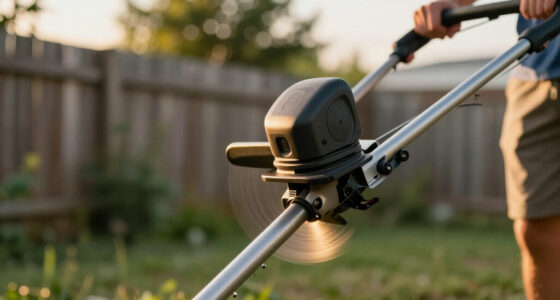
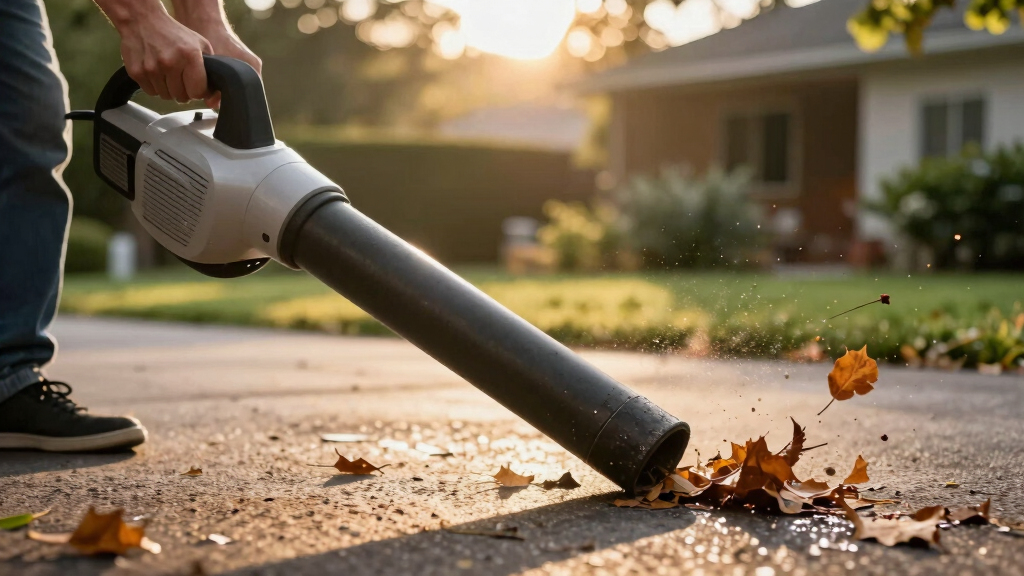
cordless leaf blower with adjustable CFM
As an affiliate, we earn on qualifying purchases.
As an affiliate, we earn on qualifying purchases.
Real-World Examples: When CFM Outperforms MPH
Imagine two neighbors, both with blowers. One has 400 CFM at 180 MPH; the other 200 CFM at 220 MPH. On a damp, heavy pile of leaves, the first neighbor’s blower clears more efficiently because it pushes a larger volume of air. The second might produce a windstorm, but it won’t move as much damp debris.
In practical terms, if your yard is often full of wet leaves, look for a blower with at least 500 CFM. That extra airflow makes a tangible difference.
As an affiliate, we earn on qualifying purchases.
Choosing the Right Blower for Wet Leaves: 5 Tips
- Prioritize high CFM ratings—aim for at least 500 CFM for wet leaves.
- Look for adjustable speed controls to dial in power as needed.
- Consider models with wider nozzles or concentrators for heavier debris.
- Balance power with weight—lighter blowers reduce fatigue.
- Check reviews for real-world wet leaf performance, not just advertised specs.
As an affiliate, we earn on qualifying purchases.
The Power Tradeoff: Gas vs Battery Blowers
Gas-powered blowers have long dominated in terms of raw airflow—often exceeding 700 CFM. They’re like the big engines of yard work, perfect for heavy-duty tasks.
Battery-powered models have improved noticeably, with some hitting 500-600 CFM, making them a viable, quieter alternative. The catch? They typically have shorter runtimes and slightly less raw power than gas units.
Choose based on your yard size and the severity of wet leaves—if you handle large acreage, a gas blower might be worth the weight and noise.
Frequently Asked Questions
Is a higher MPH blower better for dry leaves?
Yes, high MPH helps dislodge dry, lightweight leaves quickly. But for wet, heavy leaves, focus on CFM for better results.Can I use a battery-powered blower for heavy, wet leaves?
Modern cordless blowers with at least 500 CFM can handle wet leaves well. Just watch for battery runtime and power ratings—some may struggle in large, damp piles.How do I tell if a blower is good for wet leaves?
Check the CFM rating—aim for 500 or more—and look for reviews from users who’ve tested it on damp leaves. Adjustable speed and wide nozzles help, too.Are gas blowers worth the extra noise and weight?
If you handle large yards or heavy, wet leaves regularly, gas blowers provide the airflow power needed. For smaller jobs, a high-CFM cordless might suffice.What’s the biggest mistake when choosing a leaf blower?
Focusing only on MPH and ignoring CFM. Speed looks impressive but doesn’t move the damp, heavy debris effectively.Conclusion
When it comes to moving wet leaves, airflow volume (CFM) beats speed (MPH) hands down. A blower that pushes more air simply moves heavier, wetter debris more reliably.
Next time you’re shopping, ignore the MPH hype. Instead, pick a model with high CFM, adjustable settings, and real-world reviews. Your yard will thank you—wet leaves won’t stand a chance.
Halloween Picks
halloween
As an affiliate, we earn on qualifying purchases.