TL;DR
Cardiologist Bradley Serwer advises pushing snow instead of lifting it where possible, using careful lifting technique and taking regular breaks. Stop and seek help for possible heart attack symptoms, and go indoors if signs of cold injury, dehydration or back strain develop.
A seasonal snow-shoveling safety guide featuring cardiologist Dr. Bradley Serwer advises people to push snow rather than lift it when possible, work at a steady pace and stop if they develop symptoms of heart strain, cold injury, dehydration or back pain. The guidance matters because shoveling can place substantial physical demands on the heart, muscles and spine, particularly when the snow is deep or heavy.

Get business pricing on tools and workshop supplies
- Business-only prices and quantity discounts
- Tax-exempt purchasing
- Multiple users, one account, clear invoices
Serwer says preparation should include clothing suited to the weather and an honest assessment of the work and a person’s health. The guide recommends dressing in layers, including a moisture-wicking base layer and a wind-resistant, waterproof outer layer, with warm gloves, a hat, socks and boots. A brief warm-up, such as walking in place, followed by gentle stretching can help prepare the body for the effort.
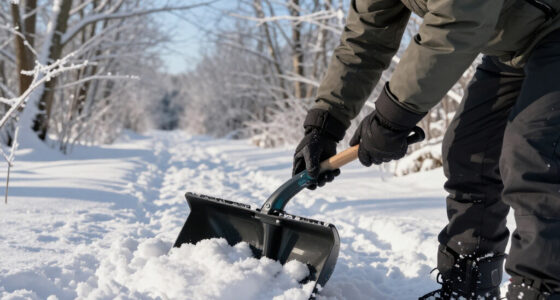
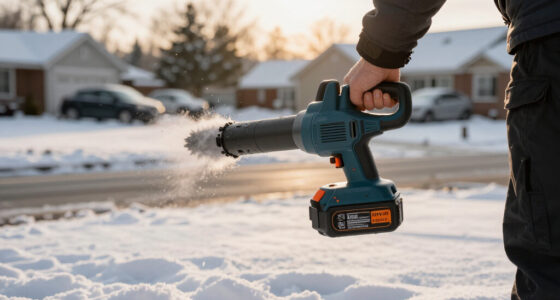
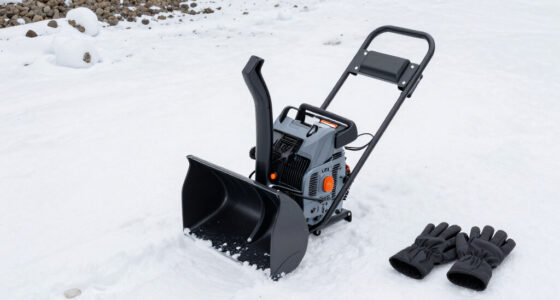
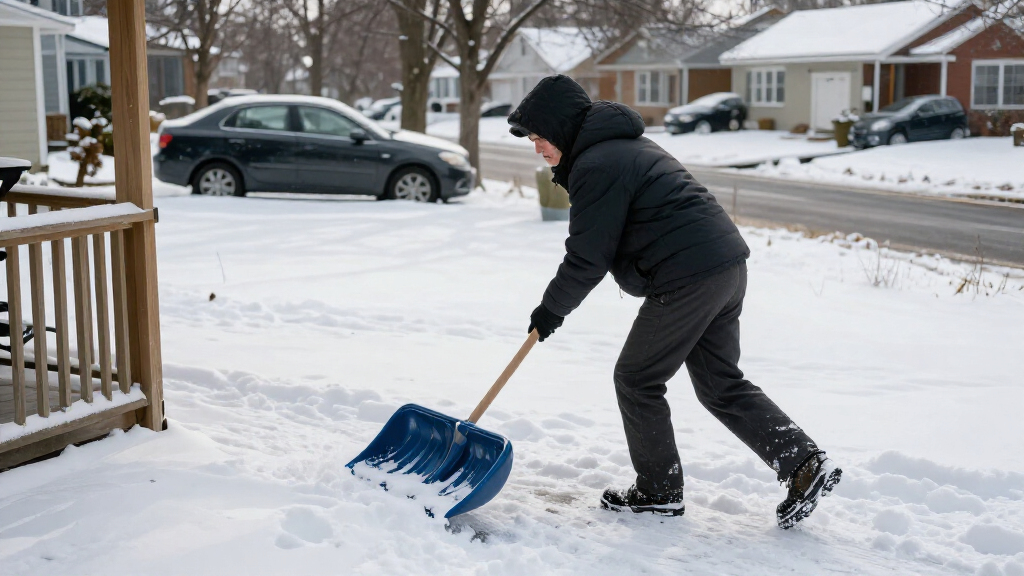
The guide recommends choosing a shovel that reduces strain. A curved-handle ergonomic shovel can make lifting less demanding on the back, while a snow-plow shovel is designed for pushing. Battery-powered shovels can clear snow with less manual effort. When lifting is necessary, keep the back straight, bend at the knees, use the legs and hold the load close to the body. Turn the whole body toward the spot where the snow will go instead of twisting at the waist.
For wet or deeper-than-six-inch snow, the guide advises removing smaller layers rather than taking one heavy scoop. Serwer recommends pacing the work and stopping regularly to let the heart rate settle and muscles recover. The guide also advises drinking fluids, since cold weather can make thirst less noticeable. These are general safety tips, not a personalized medical assessment.
Shovel snow with less strain and spot warning signs
Cardiologist Bradley Serwer recommends pushing snow where possible, pacing the work and stopping when symptoms develop. These general tips are not a personal medical assessment.
Prepare for the effort
Check your clothing, equipment and health before clearing snow.
Dress in layers
Wear a moisture-wicking base layer and a wind-resistant, waterproof outer layer, with warm gloves, a hat, socks and boots.
Start gently
Walk in place briefly, then stretch gently before shoveling.
Choose for the task
An ergonomic shovel may ease lifting; a snow-plow shovel is designed for pushing. Battery-powered shovels can reduce manual effort.
Reduce the load
Use techniques that lower physical demand, while recognizing they do not remove the risks.
Pushing avoids repeated lifting when conditions allow.
For wet or deeper-than-six-inch snow, clear smaller layers rather than one heavy scoop.
Bend your knees, use your legs, keep the load close and turn your whole body instead of twisting at the waist.
Work steadily, take regular breaks and drink fluids; thirst may be less noticeable in cold weather.
Know when to stop
Warning signs call for a pause and appropriate care.
- Chest pressure
- Shortness of breath or nausea
- Pain radiating into an arm
- Stop immediately and seek medical help.
- Pale, cold or numb skin; intense shivering
- Clumsiness, foggy thinking or unusual fatigue
- Dry throat, cracked lips or headache
- Back aching, sharp pain, cramping or shooting pain
- Stop; go indoors for cold injury symptoms and seek appropriate care.
Consider personal risk
The guide advises people with health concerns to ask a medical professional whether strenuous shoveling is appropriate for them.
Reducing Strain During Snow Removal
Snow clearing can demand vigorous effort, and the guide warns that overexertion may put strain on the cardiovascular system as well as muscles and joints. Taking smaller loads, pushing rather than lifting and resting can reduce the intensity of the task, though the source does not claim these steps eliminate the risks.
The advice is particularly relevant for people who are not accustomed to strenuous activity or who have health concerns. Serwer says people at high cardiac risk should consider hiring someone else to shovel. The source also says people with heart disease, obesity, diabetes or high blood pressure should not shovel and advises those over 45 to use caution. Readers with health conditions should consult a medical professional about their own ability to do strenuous work.
Popular right now

De'Longhi COM630BK All-in-One Coffee and Espresso Machine

Dyson V9 Motorbar Cordless Vacuum

Bose QuietComfort Wireless Noise-Cancelling Headphones, Twilight Blue
As an affiliate, we earn on qualifying purchases.
What the Safety Guide Recommends
The source presents seasonal guidance for preparing before snowfall, selecting equipment, using safer technique and recognizing symptoms that call for stopping. Serwer is identified as an interventional cardiologist and chief medical officer at VitalSolution, a physician-led company providing cardiovascular and anesthesiology services to hospitals.
The recommendations distinguish between reducing physical demands and responding to warning signs. For possible heart attack symptoms—including chest pressure, shortness of breath, nausea or pain radiating into an arm—the guide says to stop immediately and seek medical help. It also identifies pale, cold or numb skin, intense shivering, clumsiness, foggy thinking, unusual fatigue, dry throat, cracked lips and headache as possible signs of cold-related illness or dehydration. Lower-back aching, sharp pain with bending or twisting, cramping or shooting pain are reasons to stop shoveling.
“It is often underestimated what kind of physical workload is required to shovel a substantial amount of snow.”
— Dr. Bradley Serwer
Individual Health Risks Vary
The source does not provide a study, data on injury rates or evidence comparing the effectiveness of different shoveling methods. It offers expert safety recommendations, but does not quantify how much pushing, breaks or particular equipment reduce risk. It also does not provide individualized medical advice or explain how risk differs across specific health conditions.
The guide does not specify a publication date, location or forecast, so it is not tied to a particular snowstorm. Warning signs can have different causes; the article’s symptom lists are not a diagnosis. Anyone with concerning symptoms should seek appropriate medical care rather than rely on a general seasonal guide.
Prepare Before Snow Arrives
Before the next snowfall, readers can check their shovel and winter clothing, plan how to clear snow in smaller amounts and decide whether they need help. People with cardiac risk or other health concerns can ask a health professional whether shoveling is appropriate for them. During the task, the guide’s main advice is to push when possible, pace the work, take breaks and stop for warning signs.
If symptoms suggest a heart attack, seek medical help immediately. For suspected hypothermia or frostbite, go indoors and get appropriate medical attention; do not resume shoveling while symptoms persist. The source provides no scheduled follow-up or further development, so the guidance remains general seasonal advice.
Key Questions
Is it safer to push or lift snow?
The guide recommends pushing snow when possible because it avoids repeated lifting. If lifting is necessary, bend at the knees, use your legs, keep the load close and avoid twisting.
How should I shovel deep or wet snow?
Remove it in smaller layers instead of lifting one heavy shovelful. The guide flags snow deeper than six inches and wet snow as reasons to reduce the size of each load.
When should I stop shoveling?
Stop for chest pressure, shortness of breath, nausea or pain radiating into an arm, and seek medical help for possible cardiac symptoms. Also stop and go indoors for signs of cold injury, and stop if you notice dehydration symptoms or back pain.
Who should be especially cautious about shoveling?
The source advises people with heart disease, obesity, diabetes or high blood pressure not to shovel, and says people over 45 should exercise caution. Serwer also recommends that people at high cardiac risk consider hiring someone else. People should seek advice from a medical professional about their individual circumstances.
Source: familyhandyman.com