TL;DR

Get business pricing on tools and workshop supplies
- Business-only prices and quantity discounts
- Tax-exempt purchasing
- Multiple users, one account, clear invoices
Pairing a gas felling saw with a battery limbing saw optimizes tree work by combining heavy-duty power with lightweight precision. This setup speeds up jobs, cuts costs, and enhances safety, especially on large acreage.
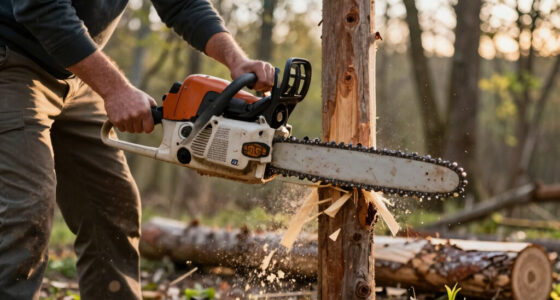
Imagine cutting down a towering oak. The roar of a gas saw echoes as it devours thick limbs and trunk sections. You step around with a lightweight battery-powered limbing saw, trimming smaller branches with ease. This isn’t just about convenience — it’s about working smarter, not harder.
Pairing a gas felling saw with a battery limbing saw isn’t a gimmick. It’s a proven method to improve safety, boost efficiency, and cut down fatigue during big property projects. In this guide, you’ll learn why this combo works, how to set it up, and what to watch out for — so you can get more done, faster and safer.
Pair a powerful gas felling saw with a lightweight battery limbing saw to maximize efficiency and safety during tree work.
Designate tasks: use the gas saw for heavy-duty cuts and the battery saw for nimble limb trimming and cleanup.
Keep batteries charged and tools well-maintained — ready to switch seamlessly between tasks.
The right setup can cut your project time by up to 30%, especially on large acreage or multiple trees.
Always follow safety protocols, wear PPE, and understand each saw’s capabilities and limits.
Why This Two-Saw Setup Makes Your Tree Work Smarter
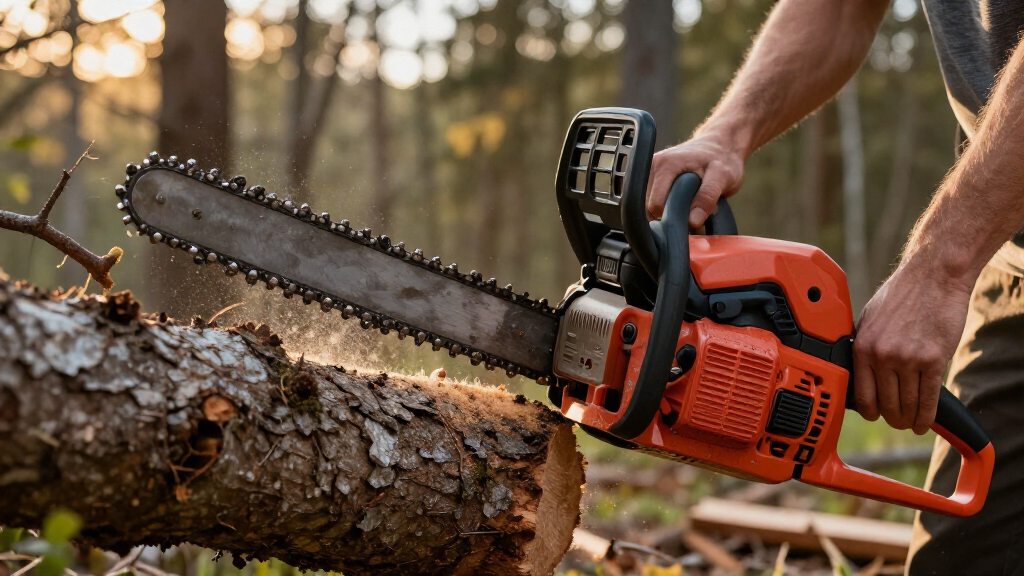
Using a gas felling saw for the heavy lifting and a battery limbing saw for finesse isn’t just convenient — it’s a game changer. Gas saws deliver the brute force needed to fell large trees quickly. They handle thick trunks with ease, saving you hours of struggle. This power is crucial because it allows you to tackle the most demanding part of a job efficiently. However, their weight and noise can lead to fatigue and safety concerns if overused.
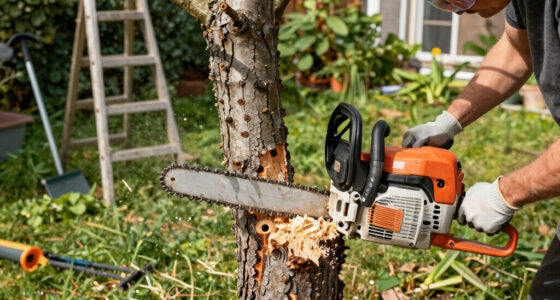
Meanwhile, battery limbing saws excel around the delicate branches and smaller limbs. Their light weight and nimbleness enable precise cuts, reducing the physical toll on the operator and decreasing the risk of accidents caused by fatigue or loss of control. This division of labor ensures that each tool is used for what it does best, leading to a more streamlined workflow. The strategic pairing minimizes the need to switch tools frequently, which can cause delays and increase the risk of mishandling or accidents. By matching the right tool to the right task, you enhance overall safety, reduce fatigue, and speed up project completion.
Think of it like a high-performance sports car paired with a precision drone — each does what it’s best at, and together they make a perfect team. This synergy not only improves efficiency but also helps you make smarter decisions on-site, like planning cuts to reduce stress on the equipment and operator. The tradeoff is that managing two different tools requires some familiarity and planning, but the benefits in safety and speed far outweigh this initial investment in understanding your gear.
As an affiliate, we earn on qualifying purchases.
How to Set Up Your Gas and Battery Saw for Maximum Efficiency
Follow these 4 simple steps to pair your tools effectively, but also consider the why behind each step to optimize your workflow:
- Select compatible tools: Ensuring your chainsaw bars and chains are interchangeable or compatible with your models isn’t just about convenience — it reduces downtime and maintenance complexity. Using tools from the same brand often means better battery compatibility and easier troubleshooting, which is crucial during long jobs. Compatibility minimizes delays caused by incompatible parts or batteries that don’t fit, ensuring your work is continuous and safe.
- Designate tasks: Use the gas saw exclusively for felling and heavy cuts because of its power and durability. This prevents unnecessary wear and reduces the risk of accidents caused by fatigue or misuse. Reserve the battery saw for limbing, trimming, and cleanup, where precision and maneuverability are more critical. This task separation not only prolongs the lifespan of each tool but also maintains optimal performance, avoiding the tradeoff of overloading a lightweight tool with demanding tasks.
- Plan your workflow: Fell the tree first with the gas saw, then switch to your battery saw for limbs. This sequencing reduces the time the heavy, noisy gas saw is in use, decreasing operator fatigue and exposure to fumes. Keep your batteries charged — consider a second battery for longer days. This planning ensures continuous productivity and prevents interruptions that can lead to rushed or unsafe cuts.
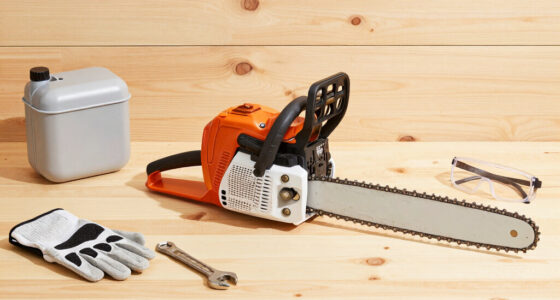
- Prioritize safety: Always wear PPE, keep tools well-maintained, and understand each saw’s safety features, especially chain brakes and anti-vibration systems. Regularly inspecting your equipment isn’t just about maintenance — it’s about preventing accidents that could cause serious injuries or delays. Knowing the safety features helps you respond quickly if something goes wrong, reducing the risk of mishaps that could compromise both safety and project timelines.
For example, on a recent large oak, I used a 70cc gas saw to fell it. Afterward, I switched to a 36V battery limbing saw, which handled limb trimming without the strain of a heavy gas unit. This approach allowed me to work longer, safer, and more efficiently, illustrating how thoughtful setup directly impacts results.
As an affiliate, we earn on qualifying purchases.
Compare Gas Felling Saws and Battery Limbing Saws — Which Fits Which Job?
| Feature | Gas Felling Saw | Battery Limbing Saw |
|---|---|---|
| Power | 50cc to 120cc engine, handles large trunks | 10cc to 40cc equivalent, suited for limbs & small trees |
| Weight | 10-15 kg (22-33 lbs) | Under 4 kg (9 lbs) |
| Runtime | Hours on tank | 30-60 mins per charge |
| Noise | Over 100 dB | Below 85 dB, quieter operation |
| Best Use | Felling large trees, heavy cuts | Limbing, trimming, cleanup |
In other words, gas saws are your workhorses for big, tough jobs. Battery saws are quick, nimble helpers for finishing touches or smaller projects. Combining the two gets you the best of both worlds.
As an affiliate, we earn on qualifying purchases.
Real-Life Scenario: How a Two-Saw Setup Saves You Time and Sweat
Picture this: You’re clearing a 4-acre lot with dozens of trees. Using only a gas saw, you might spend hours felling and limbing. But with a gas felling saw and a battery limbing saw, the process speeds up significantly. This setup allows you to allocate energy more efficiently, reducing physical strain and minimizing fatigue, which directly translates into faster completion and less risk of injury due to tired handling of tools.
After the big trees come down, you switch to your battery saw for limbs and small branches. The lightweight tool lets you work longer without fatigue, maintaining precision and safety. This reduces the likelihood of accidents caused by hurried or tired cuts. The overall effect is a more controlled, safer, and faster process, especially on larger projects or when working under tight deadlines. The efficiency gained isn’t just about saving time — it’s about creating a safer, more sustainable workflow that considers operator well-being and project quality.
This setup isn’t just about speed — it’s about safety, too. Felling a large tree is inherently dangerous. Using a gas saw for the heavy cuts and a battery saw for limbing keeps the operator steadier and in control, reducing the risk of accidents caused by fatigue or loss of control. The implication is that thoughtful tool pairing directly contributes to safer work environments and better outcomes.
As an affiliate, we earn on qualifying purchases.
Safety Tips for Using a Gas Felling Saw and a Battery Limbing Saw Together
Safety first — always. Use proper PPE: helmet, eye protection, ear muffs, gloves, and steel-toed boots. Make sure your chains are sharp and properly tensioned. Inspect your saws for leaks and damage before each use. These steps are essential because well-maintained equipment reduces the risk of dangerous malfunctions that can lead to injuries.
Keep a safe distance from falling trees and avoid cutting above shoulder height with the battery saw. Never work alone, especially during felling operations, because having assistance and communication can prevent accidents and ensure quick help if needed. Maintain a clear escape route for falling debris and trees, which is critical for safety in unpredictable felling scenarios.
Remember: Gas saws emit fumes and create noise, so work in well-ventilated areas to prevent inhalation of harmful gases. Battery saws are quieter but still require PPE for safety and comfort during prolonged use. Recognizing the differences in operation and hazards between the two tools helps you adapt your safety protocols accordingly, reducing the likelihood of accidents and ensuring a safer working environment.
Frequently Asked Questions
Can I use a battery limbing saw for large trees?
Battery limbing saws are designed for limbs and smaller trunks. For large trees, a gas felling saw provides the power and durability needed. Use the battery saw for cleanup and limb work afterward.How do I know if my battery will last through a big project?
Check your saw’s battery capacity, usually measured in amp-hours (Ah). A 5 Ah battery offers around 30-60 minutes of runtime depending on workload. Carry a spare or plan for quick swaps during longer jobs.Are hybrid saws worth considering?
Hybrid saws combine gas and electric features for flexibility, especially in variable conditions. They tend to be more expensive but can adapt to different tasks, reducing emissions and noise.What safety gear should I always wear?
Always wear eye and ear protection, gloves, helmet, and steel-toed boots. Chainsaw PPE can prevent serious injuries, especially when handling powerful gas tools or working at height.How often should I maintain my gas saw and battery saw?
Gas saws need regular oil changes, chain sharpening, and air filter cleaning. Battery saws require occasional battery maintenance and chain lubrication. Follow manufacturer guidelines for best results.Conclusion
This two-saw setup isn’t just a shortcut — it’s a smarter way to work. It lets you focus on what you do best: cutting safely, efficiently, and with less fatigue. Think of it as having a trusted partner by your side during every tree job.
Next time you gear up, remember: matching the right tool to the right task makes all the difference. Keep your gear sharp, your safety gear on, and your workflow smooth. Happy cutting — and don’t forget to respect those trees!
Fall Picks
fall essentials
As an affiliate, we earn on qualifying purchases.