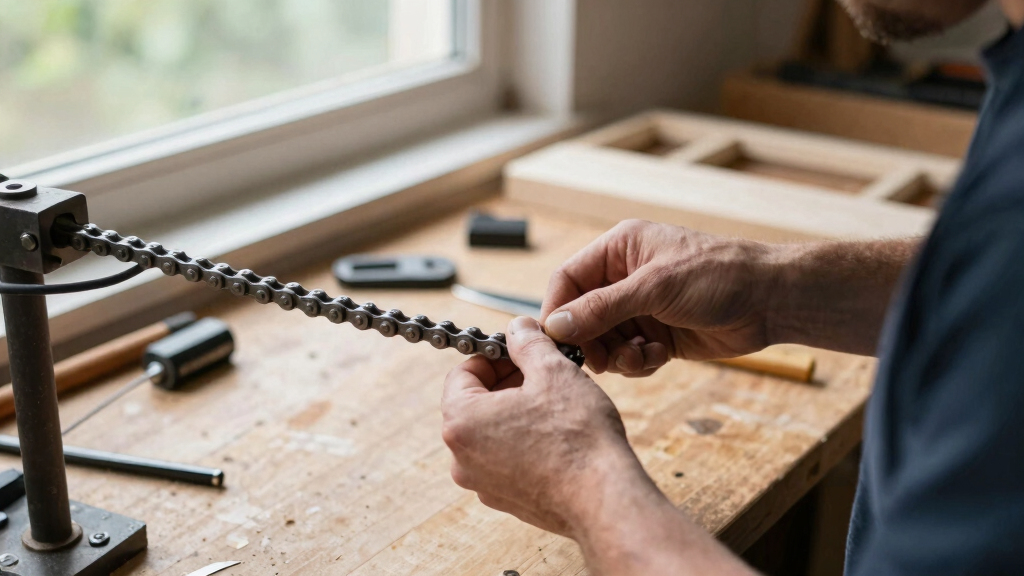

TL;DR

Get business pricing on tools and workshop supplies
- Business-only prices and quantity discounts
- Tax-exempt purchasing
- Multiple users, one account, clear invoices
Chain stretch is normal up to about 0.5-1%. Use a simple tool or ruler to measure. Replace the chain when it exceeds this range to prevent damage to sprockets and costly repairs.
Ever had a chainsaw start slipping just when you’re halfway through a log? Or noticed your bike shifting strangely after a few thousand miles? That’s often a sign of chain stretch — a sneaky wear process that can cause big problems if ignored. But here’s the thing: knowing how much stretch is normal and when to swap out your chain saves you headaches and cash in the long run. In this guide, you’ll learn exactly how to measure stretch, what numbers to watch for, and how to decide if your chain just needs a tweak or a full replacement.
Whether you’re tackling acreage cleanup or mountain biking, understanding chain stretch means less breakdowns and more reliable performance. Ready to get your chain dialed in? Let’s go.
Measure chain stretch regularly using a tool or ruler to catch wear early.
Normal chain stretch is about 0.5-1%; beyond that, replacement prevents damage.
Replace your chain if it exceeds 1% stretch or if you experience slipping or skipping.
Proper cleaning, lubrication, and inspections extend chain life and save money.
Always check sprockets and guides for wear when replacing the chain.
Chain Stretch: How Much Is Normal?
Chain “stretch” is really wear at the pins, bushings, and rollers. Catching that elongation early protects sprockets, improves shifting and power transfer, and lowers the risk of slipping, skipping, or sudden failure.
Maintain tension, clean, lubricate, and keep monitoring.
Wear is significant; schedule replacement before related parts suffer.
Conditions, load, chain quality, and maintenance can shift this range.
Poor shifting, hesitation, noise, or visible damage require attention.
Measure wear before adjusting tension
Tension and elongation are different problems. A loose but healthy chain may be adjusted; a worn chain cannot be restored simply by tightening it.
Clean and position
Remove heavy grime, place the chain under light tension, and choose a straight section. Use a chain-wear indicator or a precise ruler.
Compare matching pins
Align the tool as directed or measure from the center of one pin to the same point farther along the chain. Avoid measuring at an angle.
Read the percentage
Below 0.5% usually means monitor. Between 0.5% and 1% means plan replacement. Above 1% means replace and inspect related parts.
Twelve full links on a standard bicycle chain should measure 12 inches pin-center to pin-center. About 1/16 inch extra is roughly 0.5%; 1/8 inch extra is roughly 1%. For chainsaws, motorcycles, and machinery, follow the manufacturer’s wear specification.
Normal wear becomes expensive wear
The goal is not to extract every last mile or cutting hour from the chain. It is to replace the inexpensive wear part before it reshapes the more expensive sprockets, cassette, bar, or guides.
Chain elongation spectrum
Adjust, schedule, or replace?
Use the measured value together with operating symptoms. A percentage is an important signal, but damage, poor engagement, or unsafe behavior can justify earlier replacement.
| Stretch level | Condition | Likely behavior | Recommended action |
|---|---|---|---|
| ✓Up to 0.5% | Normal to minor wear. The chain pitch remains close to specification. | Generally smooth engagement, shifting, and power transfer. | Check tension, clean, lubricate, and measure again after heavy use. |
| ~0.5–1% | Worn but potentially functional. Related components face increasing wear. | Noise, inconsistent shifting, hesitation, or early skipping may develop. | Plan prompt replacement; act sooner for precision drivetrains or poor performance. |
| ✕Over 1% | Excessive elongation with a greater risk of mismatched sprocket engagement. | Skipping, slipping, poor cutting or shifting, breakage risk, and rapid component wear. | Replace immediately and inspect sprockets, guides, cassette, chainring, and tension system. |
A small percentage creates a long damage chain
As the effective distance between pins increases, the chain no longer seats cleanly on the teeth. Load becomes concentrated, accelerating wear across the drivetrain.
Pins and rollers wear
Chain plates do not usually stretch like elastic. Material loss around articulating parts increases the effective pitch of each link.
Engagement weakens
The worn chain sits imperfectly on sprocket teeth, leading to roughness, inefficient power transfer, poor shifting, or reduced cutting reliability.
Failure risk rises
Skipping and breakage can destabilize a bicycle or create dangerous behavior in powered equipment. Stop for sudden changes.
Sprockets wear faster
A delayed chain replacement can turn a single-part service into a cassette, chainring, sprocket, bar, or guide replacement.
Slack is not stretch
A tensioner changes chain position, not chain pitch. Adjust only when elongation remains acceptable and the equipment manual permits it.
Check the whole system
When fitting a new chain, inspect tooth profiles, guides, rollers, derailleur pulleys, bar rails, and tensioning components for matched wear.
From neglected wear to costly repair
Maintenance buys time—not immunity
Cleaning, correct lubrication, suitable tension, and routine checks reduce abrasive wear. Actual service life still varies with load, contamination, weather, material quality, and riding or cutting conditions.
Low wear, excess slack
Correct tension to the manufacturer’s specification, then rotate the chain and verify the tightest point.
Wear exceeds the limit
Fit a compatible chain and check that it engages smoothly without skipping under load.
New chain still skips
Hooked, pointed, uneven, or damaged teeth may no longer match a new chain and can require replacement.
Chain stretch FAQ
Use these rules as a practical starting point, then defer to the service limits and safety procedures specified for your exact bicycle, chainsaw, motorcycle, or machine.
How do I know if the chain is too worn?
Measure it with a wear indicator or ruler. Replace near the specified limit, and act immediately if you notice slipping, skipping, damaged links, or poor engagement.
Can I tighten a stretched chain?
You can correct minor slack when wear is still acceptable. Tightening cannot reverse pin-and-roller wear or restore the chain’s original pitch.
When should replacement happen?
Plan replacement as elongation approaches the equipment limit—commonly in the 0.5–1% range—and replace above 1% unless the manufacturer specifies an earlier threshold.
Must I replace the entire drivetrain?
Not always. A chain alone may be enough when sprockets and guides are healthy. Replace worn mating parts if a new chain skips or tooth profiles are damaged.
How can I make a chain last longer?
Remove abrasive grime, use the correct lubricant, maintain proper tension and alignment, avoid unnecessary contamination, and inspect after demanding use.
Is a digital tool necessary?
No. Digital indicators are convenient, but a quality mechanical gauge or careful ruler measurement can provide a clear and repeatable wear check.
The simple rule to remember
Measure regularly, monitor from about 0.5%, and replace by 1% or sooner when the manufacturer requires it. A quick check today can prevent damaged sprockets, unreliable operation, downtime, and a much larger repair bill tomorrow.
What Is Chain Stretch and Why It Matters
Chain stretch is the elongation that occurs over time as the pins and rollers wear down. Think of it like a rubber band that’s lost some of its elasticity. When a chain stretches too much, it can skip over sprockets, cause uneven wear, and even snap. This wear isn’t just a minor inconvenience; it can significantly compromise the safety and efficiency of your equipment. For chainsaws, excessive stretch can lead to dangerous kickbacks or sudden chain breakage, risking injury. For bikes, it results in poor shifting, chain slippage, and increased wear on sprockets, which can lead to costly repairs or replacements. Recognizing why chain stretch matters helps you understand the importance of timely maintenance and the potential consequences of neglecting it. If left unchecked, a stretched chain accelerates wear on sprockets and guides, leading to a cycle of damage that can be expensive to repair. Therefore, monitoring chain stretch isn’t just about maintenance — it’s about safety, performance, and saving money over the long term.
Most chains are designed to tolerate about 0.5% to 1% of their original length in stretch before they become problematic. This threshold is critical because it balances the chain’s flexibility with its ability to transfer power efficiently. Going beyond this limit means the chain’s components are significantly worn, increasing the risk of failure. Knowing this helps you make informed decisions about when to replace your chain, avoiding the tradeoff between premature replacement and risking damage or injury from a broken chain.
As an affiliate, we earn on qualifying purchases.
How to Measure Chain Stretch in 3 Easy Steps
- Get a chain wear indicator tool or a simple ruler. The tool is more precise but a ruler works fine if you’re careful.
- Align the tool or ruler at the start of the chain, measuring from the pin to the same point on the next link.
- Compare the measurement to the chain’s original length. If it’s stretched beyond 0.5-1%, it’s time to replace.
Understanding how to measure chain stretch accurately is crucial because it provides a clear indication of wear and impending failure. Using a proper chain wear indicator ensures precision, especially on longer chains, where small measurement errors can lead to misjudgment. When measuring, keep in mind that a slight variation can occur due to chain tension or measurement angle. Regularly doing this check, especially after heavy use or long periods without inspection, helps you catch wear early. This proactive approach prevents sudden failures that could be dangerous or costly, giving you peace of mind and extending the lifespan of your equipment.
As an affiliate, we earn on qualifying purchases.
Normal vs. Excessive Chain Stretch — What’s the Line?
| Stretch Level | What it Means | Action |
|---|---|---|
| Up to 0.5% | Within normal limits. Minor wear that can often be corrected with tension adjustments or lubrication. It indicates the chain has not yet reached a critical point but warrants regular monitoring to prevent future issues. | Check tension, lubricate, and monitor. If wear progresses, consider replacing soon to prevent damage. |
| 0.5% to 1% | Worn but still functional. This level of stretch suggests the chain has experienced significant wear and is approaching the point where it can cause damage to sprockets or lead to poor performance. It’s a warning sign that replacement should be scheduled soon. | Plan for replacement, especially if shifting or operation becomes inconsistent. Early replacement can save money and prevent damage to other parts. |
| Over 1% | Excessive wear. The chain is likely to cause damage to sprockets, guides, and other drivetrain components, increasing the risk of sudden failure or safety hazards. | Replace immediately. Continuing to use a chain beyond this point risks costly repairs, safety hazards, and equipment downtime. |
Measuring these thresholds precisely is essential because it helps you weigh the tradeoffs between early replacement and risking catastrophic failure. Early replacement might seem costly but can prevent damage to sprockets, guides, and other components, ultimately saving money and reducing downtime. Conversely, waiting too long can lead to more extensive and expensive repairs, or even safety hazards. Understanding these differences empowers you to make informed maintenance decisions that balance safety, performance, and cost-effectiveness.
chain stretch ruler for chainsaw and bike
As an affiliate, we earn on qualifying purchases.
As an affiliate, we earn on qualifying purchases.
Frequently Asked Questions
How do I know if my chain is stretched too much?
Use a chain wear indicator tool or a ruler to measure from pin to pin. If the stretch exceeds 0.5-1%, it’s time to replace the chain to avoid damage.Can I just tighten a stretched chain?
Only if your equipment allows for tension adjustments and the stretch is minimal. Significant elongation requires replacing the chain — tightening won’t fix excessive wear.When should I replace my chain?
Replace your chain when it exceeds about 1% stretch or if you notice slipping, skipping, or poor shifting. This prevents damage to sprockets and other parts.Is it better to replace just the chain or the entire drivetrain?
If sprockets and guides are in good condition, replacing the chain is enough. If they show wear, replacing everything ensures smooth operation and longer life.How can I make my chain last longer?
Regular cleaning, proper lubrication, avoiding harsh conditions, and routine inspections help prolong chain life and save money over time.As an affiliate, we earn on qualifying purchases.
Conclusion
Think of your chain as the backbone of your machine’s performance. Keeping it within the right stretch range isn’t just about smooth operation — it’s about safety and saving money. Regular checks and timely replacements keep your property-care gear running like a well-oiled machine, mile after mile.
Next time you hear a faint “whirr” or notice a slight hesitation, remember: a quick measurement can prevent a costly breakdown. Stay sharp, stay safe, and keep that chain tight and right.
Halloween Picks
halloween
As an affiliate, we earn on qualifying purchases.