
TL;DR

Get business pricing on tools and workshop supplies
- Business-only prices and quantity discounts
- Tax-exempt purchasing
- Multiple users, one account, clear invoices
Modern battery-powered zero-turns and lawn tractors now offer a practical, eco-friendly solution for maintaining two acres. Advances in lithium-ion tech, swappable batteries, and fast charging make electric mowing more efficient and cost-effective than ever before.
Imagine a quiet, emissions-free lawn mower that can trim your two-acre yard without the roar and fumes of a gas engine. That’s no longer a dream—battery-powered equipment has made huge leaps in recent years, turning the landscape of lawn care upside down.
Whether you want the nimbleness of a zero-turn or the stability of a traditional lawn tractor, the battery era offers options that are cleaner, cheaper to run, and quieter. But how do you choose what’s right for your property? This guide will walk you through the latest tech, real-world performance, and practical tips so you can mow smart and sustainable.
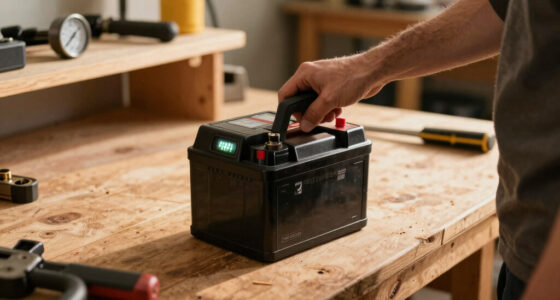
Modern lithium-ion batteries deliver enough capacity—up to 80 Ah—to mow two acres in a single session with proper planning.
Swappable batteries and rapid chargers drastically reduce downtime, making electric mowers practical for large lawns.
Choose a mower with at least 42 inches of deck width to cut down mowing time, especially on open terrain.
Electric zero-turns excel at maneuverability and professional-quality cuts, ideal for landscaped or obstacle-rich yards.
Despite higher upfront costs, electric mowers save money long-term through lower maintenance and fuel costs.
Battery-era field guide · Two-acre edition
Zero-Turn or Lawn Tractor for Two Acres?
Today’s lithium-ion riding mowers can cover a two-acre property without the roar, fumes, oil changes, or fuel runs. The real choice is no longer gas versus electric—it is agility versus simplicity, matched to the shape of your yard.
More capacity than comparable technology from five years ago.
Plan capacity around terrain, grass density, deck size, and speed.
Choose zero-turn for obstacles; choose a tractor for open, steady mowing.
01 · Why electric now works
Battery power has crossed the acreage gap.
Higher-capacity lithium-ion packs, faster charging, and modular battery systems have turned electric riding mowers into realistic large-lawn tools. A 60V, 40 Ah setup can deliver roughly two hours of steady mowing under favorable conditions.
More mowing, less machinery.
Electric drive delivers immediate torque while removing fuel, oil, filters, spark plugs, belts associated with some drive systems, and exhaust emissions during operation. The result is a quieter machine with fewer routine service points. Swappable packs extend the working window without forcing a long mid-session recharge.
Actual coverage varies with wet or tall grass, slopes, blade speed, operator pace, battery temperature, and repeated acceleration.
02 · Chassis decision
Agility or easygoing stability?
The mower format changes how efficiently you navigate the property. Match the chassis to the yard before comparing batteries, apps, or accessories.
Battery Zero-Turn
Best around trees, beds, paths, and tight corners. Independent drive control supports sharp turns and reduces trimming, but operation takes practice.
Battery Lawn Tractor
Best for broad, open runs and familiar steering. It is intuitive, stable, and often less expensive, though wider turns can add overlap and cleanup.
| Feature | Zero-Turn | Lawn Tractor | Two-Acre Impact |
|---|---|---|---|
| Turning radius | ✓ Sharp, often under 18″ | ~ Wide, looping turns | Zero-turn saves time around obstacles. |
| Maneuverability | ✓ Excellent | ~ Steady and predictable | Complex landscaping favors zero-turn. |
| Cut finish | ✓ Precise, professional | ✓ Consistent general cut | Both perform well with sharp blades. |
| Learning curve | ~ Steering practice required | ✓ Familiar wheel and pedals | Tractor is easier for first-time riders. |
| Upfront price | ✗ Usually higher | ✓ Usually lower | Compare total cost, not sticker alone. |
| Best terrain pattern | Trees, beds, irregular edges | Flat, open, straight passes | Yard geometry should decide the winner. |
03 · Buying specification
Build the machine around the mowing session.
Two acres demand a balanced system: enough deck to reduce passes, enough stored energy to maintain blade speed, and enough charging flexibility to keep an unexpected heavy-growth day from becoming a two-day job.
Start at 42 inches
A 42–54 inch deck balances coverage and maneuverability. Open lawns benefit most from the wider end.
Plan for 60–80 Ah
Add reserve for slopes, thick grass, tight turns, damp growth, or frequent stops and starts.
Prioritize fast recovery
Fast chargers may restore substantial capacity in one to two hours; standard charging can take four to eight.
Check pack swapping
A second compatible pack turns charging downtime into a quick changeover and creates useful capacity redundancy.
Match traction to slopes
Look for stable weight distribution, suitable tires, and traction features when the lawn is uneven or hilly.
Inspect the ecosystem
Battery warranty, cycle life, replacement cost, service access, and future pack availability shape long-term value.
Deck-width sweet spot
Coverage increases →Maneuverability decreases →
A hilly two-acre yard goes electric.
A homeowner replaces a gas rider with a modular lithium-ion zero-turn. The mower handles mixed grass and slopes in about two hours, with a mid-session battery swap preserving steady progress. Quiet operation makes flexible mowing times possible, while eliminating fuel storage, exhaust, oil, filters, and spark-plug service.
04 · Traceability chain
From stored energy to a finished lawn.
Every purchasing choice flows into the next. Capacity creates runtime, runtime supports coverage, and coverage only becomes efficient when the mower’s deck and chassis suit the property.
60–80 Ah provides the starting energy budget.
Roughly one to three hours, depending on conditions.
42–54 inches converts runtime into useful coverage.
Zero-turn agility or tractor stability limits wasted motion.
Two acres completed quietly with minimal interruption.
05 · No-break mowing plan
Keep charge time out of the critical path.
Plan around the hardest version of your lawn—not the easiest. Growth, moisture, heat, slopes, and battery age can all reduce usable runtime.
06 · The battery-era verdict
Let the yard choose the steering system.
Battery power is now practical for two acres when deck width, capacity, and charging are properly specified. The final decision is primarily about landscape geometry, comfort, and budget.
Your lawn is a navigation problem.
Choose it for trees, flower beds, irregular borders, tight turns, frequent direction changes, and a polished striped finish. Its higher price can buy back time through reduced maneuvering and trimming.
Your lawn is a coverage problem.
Choose it for open, straightforward terrain, familiar controls, stable progress, and a lower initial cost. It is the pragmatic answer when wide turns do not meaningfully slow the session.
Why Battery Power Changes the Game for Two Acres
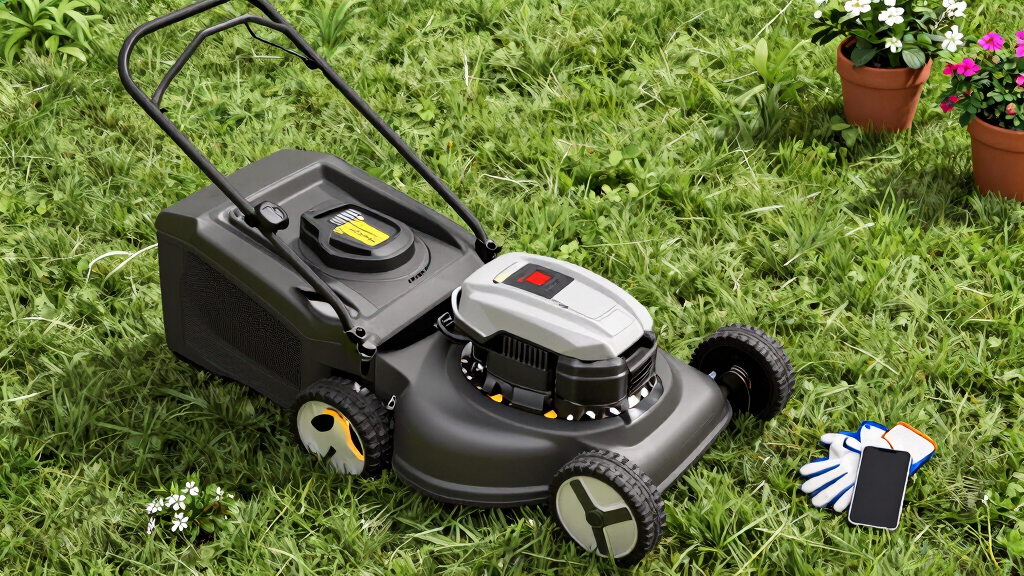
Battery technology now makes electric mowers a serious contender for two-acre lawns. With capacity that rivals gas models, plus the benefits of lower noise and no fumes, you can mow more comfortably and sustainably.
For example, recent lithium-ion batteries deliver around 60 Wh per kilogram, meaning you get longer runtimes without adding weight or complexity. An electric zero-turn with a 60V, 40 Ah battery can run for roughly 2 hours of steady mowing—more than enough for most two-acre yards. And when paired with swappable batteries, you can extend your mowing day by swapping fresh packs, just like changing batteries in a cordless drill.
This capacity expansion is significant because it directly impacts how feasible electric mowing is for larger properties. Longer runtimes mean fewer interruptions, which is critical for maintaining large lawns efficiently. Swappable batteries introduce flexibility, allowing you to plan mowing sessions around battery swaps or charging schedules. The tradeoff here is that more batteries or larger capacity packs tend to increase initial costs, but the savings on fuel and maintenance can offset these expenses over time. Understanding these dynamics helps homeowners weigh upfront investment against long-term convenience and ecological benefits.
battery powered zero-turn mower 42 inch deck
As an affiliate, we earn on qualifying purchases.
As an affiliate, we earn on qualifying purchases.
Zero-Turn or Lawn Tractor? Which Fits Your Two-Acre Yard?
| Feature | Zero-Turn | Lawn Tractor |
|---|---|---|
| Turning Radius | Sharp, under 18 inches | Large, wider turns |
| Speed & Maneuverability | Excellent for complex landscaping | Steady, suited for straightforward lawns |
| Cut Quality | Professional, even finish | Good, but less precise | Ease of Use | Requires some learning curve | More familiar, easier for beginners |
| Cost | Higher upfront | Usually less expensive |
For irregular or obstacle-filled yards, a zero-turn offers agility. If your lawn is straightforward with open spaces, a lawn tractor might be more practical. Both now come in electric versions, matching your style and needs. The decision impacts your mowing efficiency, ease of operation, and long-term costs. Zero-turns excel at maneuvering around obstacles and providing a professional-quality finish, but they often require a steeper learning curve and higher initial investment. Lawn tractors are more intuitive and often less costly upfront, making them suitable for users who prefer simplicity. The key is understanding your landscape’s complexity—if you have a lot of trees, flower beds, or uneven terrain, a zero-turn’s agility can save time. Conversely, for flat, open areas, a traditional lawn tractor can be more straightforward and economical. Both options are increasingly available in electric models, combining the benefits of battery power with the right chassis for your yard’s specific needs.
electric lawn tractor for two acres
As an affiliate, we earn on qualifying purchases.
As an affiliate, we earn on qualifying purchases.
What to Look for in a Battery Mower for Two Acres
Size matters. For two acres (~87,120 sq ft), aim for a deck width of at least 42 inches. Larger decks not only cover ground faster but also reduce the total mowing time, which is crucial for efficiency. However, a bigger deck increases the machine’s size and weight, so balancing maneuverability with coverage is key.
Next, check battery capacity. A pack of 60-80 Ah provides enough juice for a 2-hour session, especially if you have thick grass or uneven terrain. But beyond capacity, consider the battery’s chemistry and cycle life—higher-quality batteries with more charge cycles offer better long-term value. Fast-charging options are also vital; being able to recharge in 1-2 hours minimizes downtime and helps maintain a steady mowing schedule. Additionally, look for models with features like adjustable cutting heights, all-wheel drive, and smart connectivity, which enhance usability and efficiency. Remember, the battery’s lifespan is roughly 3-5 years with proper care, so investing in quality and routine maintenance can extend your equipment’s effective life, making your investment more worthwhile in the long run.
As an affiliate, we earn on qualifying purchases.
Real-World Example: A Two-Acre Client Goes Electric
Picture this: a homeowner with a hilly, mixed-grass yard of two acres. They switch from a gas mower to a lithium-ion powered zero-turn. The new mower, equipped with a 60V, 40 Ah battery, covers the terrain in 2 hours—no fumes, no noise, just a smooth cut. The battery’s capacity allows for consistent power delivery across varied terrain, and the quiet operation encourages more frequent mowing without disturbing the neighborhood.
They swap batteries mid-mow, thanks to the modular design, which reduces the need for lengthy charging breaks. This flexibility not only saves time but also allows for more precise planning of mowing sessions. The overall experience demonstrates how electric mowers can match or surpass gas-powered counterparts in efficiency and convenience. The long-term benefits include lower fuel and maintenance costs, and the absence of oil, filters, and spark plugs reduces ongoing expenses and environmental impact. This example underscores that with the right setup, large lawns can be maintained efficiently and sustainably using electric equipment, even on challenging terrain.
quiet electric lawn mower for large yard
As an affiliate, we earn on qualifying purchases.
As an affiliate, we earn on qualifying purchases.
Charging and Runtime: How to Keep Mowing Without Breaks
- Assess your total mowing time and battery capacity. Understanding your yard’s size and terrain helps determine the necessary battery size and number of packs.
- Invest in batteries with at least 60-80 Ah for two acres, ensuring enough runtime for a full session without interruption.
- Use fast chargers—most can restore 80% in 1-2 hours—which significantly reduces downtime and keeps your mowing schedule on track.
- Consider a second battery or swappable packs if you have long or complex mowing sessions, allowing you to switch packs seamlessly and continue working without waiting.
- Plan your mowing in stages if needed, dividing the yard into manageable sections that align with your charging and battery capacity, to optimize efficiency and reduce fatigue.
With these steps, you can keep your lawn looking sharp without long waits or interruptions. Proper planning ensures that your large yard can be maintained smoothly, leveraging the rapid advancements in battery technology. Well-maintained batteries can last beyond 3-5 years, but regular care and proper storage extend their lifespan, preserving your investment and ensuring reliable performance season after season.
The Hidden Costs and Benefits of Going Electric
Electric mowers cost more upfront—often 20-30% higher than gas models. But they save money in the long run with lower maintenance, no fuel, and fewer repairs. These savings can be substantial, especially over the lifespan of the mower, which can be 10 years or more with proper care. The tradeoff is that initial costs may deter some buyers, but the reduction in ongoing expenses, combined with environmental benefits, makes electric a compelling choice.
On the flip side, limited run time per charge means you might need multiple batteries or plan your mowing in segments. However, with rapid charging and swappable packs becoming more common, these limitations are less significant, allowing for continuous operation on larger properties. The key is understanding that the initial investment can be offset by savings on fuel, oil, filters, and repairs, which tend to be higher for gas-powered equipment. Over time, the total cost of ownership favors electric, especially as battery prices continue to decline and technology improves, making this an economically sound and eco-friendly option for large lawns.
The Future of Lawn Care: Smarter, Quieter, Cleaner
Battery tech is evolving fast. Expect longer runtimes, faster charging, and even smarter features—like app control and GPS tracking. This means your lawn mower could become a part of your smart home ecosystem, allowing remote operation, scheduling, and maintenance alerts. These innovations are designed to enhance convenience, precision, and environmental friendliness.
Imagine scheduling your lawn work via an app, or tracking maintenance reminders with a quick tap. Plus, advances in battery chemistry could mean a 10-year lifespan for your packs, making electric mowers even more cost-effective and reducing waste. Additionally, future developments might include solar-assisted charging or wireless power transfer, further reducing downtime and environmental impact. These technological trends point toward a future where lawn care is seamlessly integrated into your smart home system, with minimal fuss and maximum sustainability. Staying ahead of these innovations can help homeowners future-proof their investments and enjoy the benefits of cleaner, quieter, more efficient lawn maintenance.
Frequently Asked Questions
Can a battery zero-turn handle two acres reliably?
Absolutely. Modern electric zero-turns with large capacity batteries can handle two acres comfortably, especially if you plan your mowing in segments or swap batteries as needed.
How long does a full battery last for a two-acre mow?
Most electric mowers designed for larger lawns run between 1 and 3 hours on a single charge, depending on grass density, terrain, and battery capacity.
Is charging infrastructure a problem for large properties?
Not anymore. Fast chargers can restore most batteries in under 2 hours, and swappable battery systems allow for nearly continuous mowing without long waits.
Are electric mowers durable enough for frequent use?
Yes. Advances in motor and battery tech mean modern electric mowers are built for regular, heavy-duty use, matching or exceeding the durability of gas models.
What about upfront costs and long-term savings?
Electric models tend to cost more initially—about 20-30% higher—but save money in maintenance, fuel, and repairs over their lifespan, making them a smart investment for large lawns.
Conclusion
Battery-powered equipment has shifted the landscape of large lawn care—offering a clean, quiet, and increasingly capable alternative to gas. With the right setup, you can mow two acres faster, smarter, and more sustainably than ever before.
Think of your electric mower as an investment in convenience, cost savings, and a cleaner environment. The future is now—are you ready to make the switch?
Fall yard work Picks
leaf blowers
As an affiliate, we earn on qualifying purchases.