
TL;DR

Get business pricing on tools and workshop supplies
- Business-only prices and quantity discounts
- Tax-exempt purchasing
- Multiple users, one account, clear invoices
A Family Handyman report lists 10 areas homeowners can check for insulation and air leaks before winter, including attic spaces, exterior walls, windows, pipes and HVAC ducts. Contractors cited in the report say sealing gaps and insulating exposed areas can help limit drafts, heat loss and the risk of frozen pipes; specific savings are not provided.
A Family Handyman winterization report identifies 10 parts of a home to check for insulation and air leaks before cold weather, including the attic, exterior walls, windows, plumbing and HVAC ducts. The checklist, based on advice from roofing and HVAC contractors, focuses on reducing drafts and heat loss and protecting vulnerable pipes from freezing.
The report puts attic and roof spaces at the top of the list. Roofer Andre Kazimierski says aging roofs can develop gaps that let cold air into the attic, while insulation at the attic floor can help separate a normally vented attic from the living space. He recommends checking for gaps and considering additional insulation where needed. The report also advises inspecting exterior walls, especially where brick or concrete may transfer heat, and says blown-in insulation can be an option for finished walls.
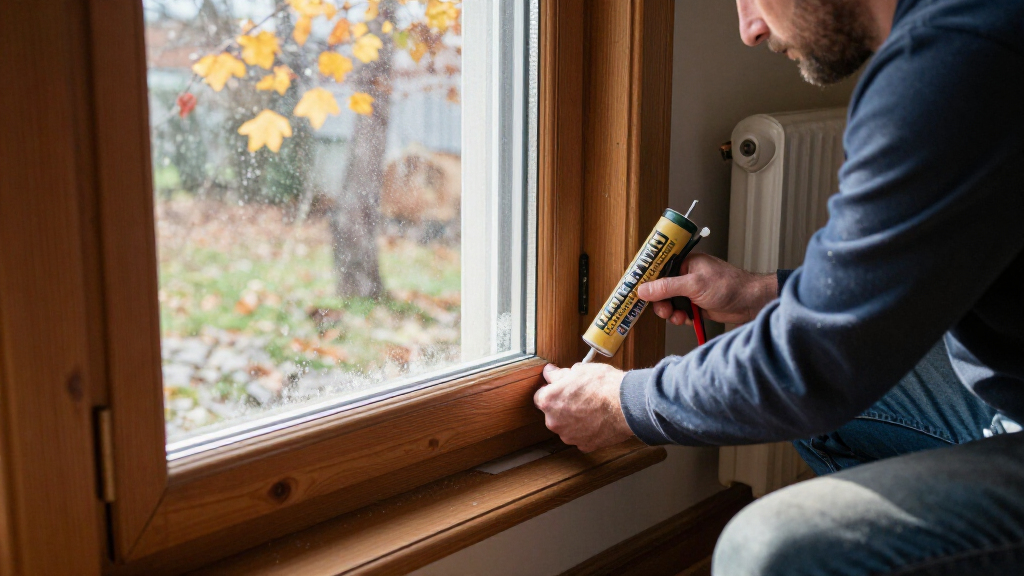
Other areas named are windows and exterior doors, where worn seals and weatherstripping can allow drafts; pipes in unheated spaces or near exterior walls; and basements and crawl spaces, particularly the rim joist and openings around pipes and wiring. The checklist also includes shared walls and ceilings in garages, exposed HVAC duct joints and seams, electrical outlets, and small gaps where utilities pass through walls.
Contractor Bob Cardwell recommends foam pipe sleeves for exposed plumbing in protected areas and heat cables where pipes regularly face temperatures below 32 degrees Fahrenheit. For accessible duct leaks, he recommends mastic or UL-listed foil tape, saying ordinary duct tape does not work well on HVAC ducts. The report does not provide measured energy savings or a cost estimate for the suggested work.
Where Heat Loss Can Start
Insulation checks can address more than comfort. The report says protecting pipes in cold areas can reduce the chance of freezing, while sealing duct leaks and insulating hot-water pipes may limit wasted heat. It also notes that gaps in the building envelope can undermine existing insulation: Kazimierski says sealing gaps can improve overall insulation, though sealing alone does not stop heat transfer through building materials.
The practical priority depends on a home’s condition and layout. An attic with drafts, plumbing routed through an unheated crawl space, or a garage wall shared with living space may need attention before less exposed areas. The source offers recommendations, but it does not quantify likely bill reductions or prescribe a single insulation approach for every home.
A Fall Check Before Cold Weather
The checklist frames insulation as one part of winter home preparation. It distinguishes between sealing air leaks and adding insulation: caulk, foam or weatherstripping can close openings, while insulation slows heat transfer through walls, roofs and other surfaces. The recommended material varies by location and conditions, including moisture exposure.
The report also notes that attic work does not have to happen in fall; Cardwell says spring is the best time to insulate an attic. Fall remains a useful time to inspect seals, identify drafts and decide whether repairs are needed before temperatures drop. The source does not give a full explanation of the seasonal timing recommendation.
““Sealing gaps goes a very long way with improving overall insulation.””
— Andre Kazimierski, HomeHero Roofing, as quoted by Family Handyman
Costs and Home Needs Vary
The report does not estimate installation costs, energy savings or how much insulation a particular home needs. It also does not establish that every listed area requires new material; some may need only inspection or air sealing. The right approach depends on existing insulation, construction, moisture conditions and where drafts occur. The source excerpt ends during its FAQ, so it does not provide further detail on why spring is considered the best time for attic insulation.
Inspect Before Temperatures Drop
Homeowners can start by checking attic drafts, window and door seals, and plumbing in unheated spaces, then inspect accessible ducts and gaps around utility penetrations. The report recommends a roofer’s inspection for an old or weathered roof. It does not set a deadline or describe a formal next milestone; any work involving unfamiliar systems or concealed construction may require advice from a qualified contractor.
Key Questions
Which area should homeowners check first?
The report recommends starting with the attic and roof spaces, where gaps and inadequate insulation can allow heat to escape. Kazimierski also advises checking the roof, especially if it is old or weathered.
Which pipes may need insulation?
Prioritize pipes near exterior walls and those running through unheated spaces, such as attics, basements and crawl spaces. The report also recommends insulating hot-water pipes to reduce heat loss.
What can help with drafts around doors and windows?
Check rubber seals and weatherstripping in fall and replace them if worn. Cardwell also recommends a foam sweep under exterior doors to help limit drafts.
What should be used to seal HVAC duct leaks?
For accessible leaks, Cardwell recommends mastic or UL-listed foil tape. He says ordinary duct tape does not work well on HVAC ducts.
Source: rss
Fall Picks
fall essentials
As an affiliate, we earn on qualifying purchases.