
TL;DR

Get business pricing on tools and workshop supplies
- Business-only prices and quantity discounts
- Tax-exempt purchasing
- Multiple users, one account, clear invoices
Battery capacity fade reduces runtime and performance over time. Proper maintenance, monitoring signs of wear, and knowing when to retire or recycle batteries keep your mower safe and reliable, often extending their usable life beyond a typical 3-5 years.
Ever pulled your mower out for a weekend yard session and found it barely makes it through the first few rows? That’s capacity fade — your battery losing its punch after years of charge cycles. It’s a natural process, but knowing when to give up on an old pack can save you frustration, money, and even prevent safety hazards. This guide will walk you through how batteries age, how to spot the signs, and the smart moves for a second life or safe retirement.
Whether you’re a weekend warrior or a professional landscaper, understanding your battery’s health helps you make smarter decisions. You’ll learn what causes fade, how to extend a battery’s usefulness, and when it’s time to swap or recycle. Let’s get into the nitty-gritty — no fluff, just practical advice you can trust.
Most mower batteries retain 70-80% capacity after 300-500 charge cycles, but performance declines sharply afterward.
Physical signs like swelling, leaks, or overheating are clear indicators it’s time to retire a battery.
Proper storage, avoiding deep discharges, and smart chargers can extend battery life significantly.
When capacity drops below 70%, or safety signs appear, replacing or recycling is the safest move.
Reusing old batteries in secondary roles or recycling them supports sustainability and environmental safety.
Battery health field guide
Second Life for Old Mower Packs: Capacity Fade and When to Retire
A battery that once powered 45 minutes of mowing may shrink to 25–30 minutes after years of charge cycles. Capacity fade is natural; overheating, swelling and leaks are not. Learn when to maintain, repurpose or safely retire the pack.
01 / What capacity fade looks like
The pack still charges. It just holds less.
Internal electrode degradation and electrolyte breakdown gradually reduce how much energy the cells can store and how effectively they can deliver power.
That shorter weekend mowing session is often the clearest practical measure of lost capacity.
Capacity health spectrum
Capacity is only half the decision. Any physical damage or abnormal heat overrides the percentage and calls for immediate retirement.
02 / Why batteries age
Three stresses accelerate the decline.
The chemistry will age regardless, but heat, charging habits and storage conditions determine how quickly useful runtime disappears.
Too much heat
Hot sheds, direct sun and charging a warm pack speed chemical degradation and raise safety risk.
Deep discharge
Repeatedly running the pack completely flat puts greater strain on its cells than shallower cycles.
Poor storage
Long periods at full or empty charge—especially in heat—can age a battery even when the mower is idle.
03 / No-guesswork inspection
Read the warnings before the pack fails.
Runtime and charging behavior reveal performance loss. Heat, distortion and leakage reveal a potential safety problem.
| Observation | Meaning | Use mower? | Recommended move |
|---|---|---|---|
| Runtime slightly reduced | Normal early capacity fade | ✓Usually | Monitor runtime and improve charging habits |
| Capacity below 70% | Usability and performance decline | ~Limited | Plan replacement or assess safe second-life use |
| Capacity around 50–60% | Severely restricted mowing time | ~Inefficient | Retire from mower duty |
| Swelling, leak or crack | Internal damage and safety hazard | ×No | Isolate safely and contact a recycler |
| Abnormal overheating | Possible cell or control-system fault | ×No | Stop use and seek professional guidance |
04 / Traceability and second life
Use less, reuse safely, then recover materials.
A healthy but lower-capacity pack may suit a verified, lower-demand stationary role. A damaged pack should skip reuse and move directly to specialist recycling.
05 / The retirement decision
Capacity sets the plan. Damage sets the urgency.
Below 70%, decide whether the remaining runtime still meets your needs. At 50–60%, mower duty is generally inefficient. Damage means stop immediately, whatever the measured capacity.
The 70% decision line
Immediate override: swelling, leakage, cracking or abnormal heat means stop using and charging the battery.
Four-step decision check
06 / Five life-extending habits
Slow the fade without complicating the routine.
Good care cannot reverse chemical aging, but it can reduce avoidable stress and help the pack deliver useful service longer.
What’s Really Happening When Your Mower Battery Loses Power
Battery capacity fade is a gradual decline in how much energy a battery can store. Think of it like a sponge that slowly loses its ability to soak up water. In real terms, your lithium-ion battery might start at 100% capacity but drops to 70-80% after hundreds of charge cycles. This is caused by chemical changes inside the cells, like electrode degradation and electrolyte breakdown, which make it harder for the battery to deliver power.
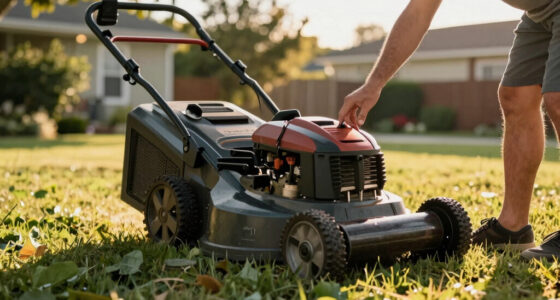
Imagine mowing on a sunny Saturday. Initially, your battery lasts 45 minutes. After a couple of years, that shrinks to 25-30 minutes — a clear sign of capacity fade. If your battery’s swelling, overheating, or refusing to charge fully, those are even more serious red flags indicating it’s time to reconsider its health.
Understanding why this happens is crucial. The chemical reactions inside the battery are unavoidable over time; however, the rate at which capacity diminishes depends on usage, charging habits, and storage conditions. Recognizing these signs helps you weigh the tradeoffs: continuing to use a fading battery might save money short-term but risks sudden failure or safety hazards, whereas replacing it can ensure safety and performance but comes at a cost. Knowing when to replace is about balancing these factors for your specific needs.
lithium-ion mower battery replacement
As an affiliate, we earn on qualifying purchases.
As an affiliate, we earn on qualifying purchases.
The Latest Tech That Keeps Old Batteries Going or Reusing Them
Modern battery management systems (BMS) are game changers. They monitor voltage, temperature, and cell health in real-time, preventing overcharge and overheating. This tech helps extend the useful life of your mower’s battery by avoiding damage caused by poor charging habits.
Plus, old batteries aren’t just landfill fodder. Many are repurposed for secondary uses like home solar energy storage or backup power, giving them a second life. Recycling tech has also improved, pulling valuable materials from dead batteries efficiently and safely. And new smart chargers adapt their charging cycles based on battery age and temperature — a small investment that can pay off by delaying capacity fade.
These technological advances matter because they directly influence the longevity and safety of your batteries. Smart chargers and BMS reduce stress on the cells, which slows capacity fade and minimizes safety risks like overheating or leaks. Reusing batteries in secondary applications not only extends their utility but also reduces environmental impact. The tradeoff is that these technologies often require an initial investment, but they can save money and hassle in the long run by keeping batteries healthy longer.
For example, a homeowner with a 4-year-old lithium-ion pack might connect it to a smart charger. Over time, this reduces stress on the cells, helping the battery keep its remaining capacity longer, thus delaying costly replacements and reducing environmental waste.
As an affiliate, we earn on qualifying purchases.
How to Spot When Your Battery Is Worn Out — No Guesswork Needed
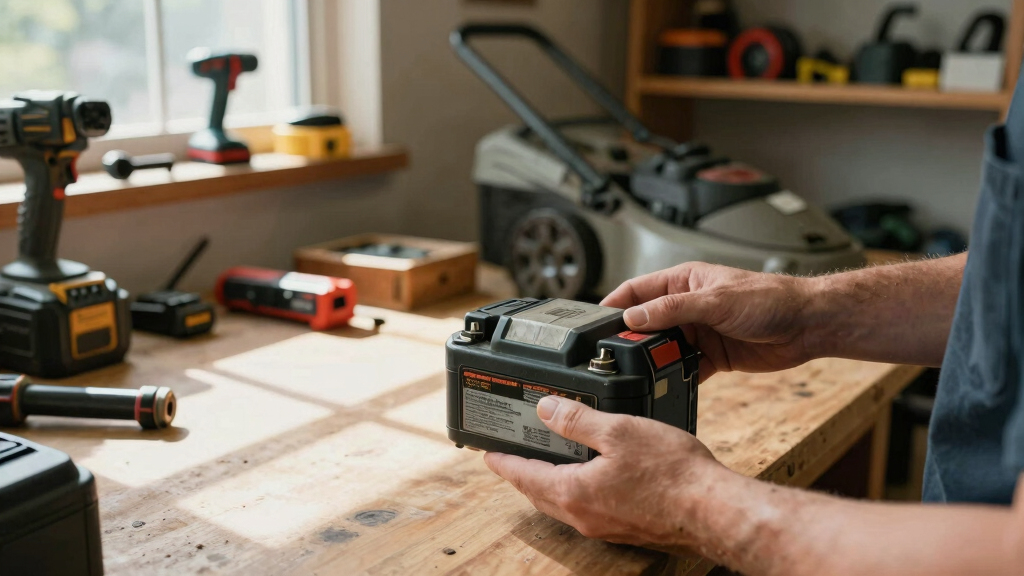
Knowing when your mower battery is past its prime isn’t about guesswork. Look for clear signs: shorter mowing runtimes, longer charge times, or if the battery gets hot during use. Swelling, leaks, or cracks are obvious physical signs that it’s time to retire the pack.
Understanding these signs is vital because they directly impact safety and performance. For instance, a significant reduction in runtime indicates the battery’s capacity has diminished below a usable level, which can lead to inefficient mowing and increased stress on the motor. Physical signs like swelling or leaks are more serious; they can pose safety hazards like fires or chemical leaks. Recognizing these early allows you to replace or recycle before a dangerous situation arises. Simple testing with a multimeter can give precise data, but often, these visual and performance cues are the most practical indicators for most users.
Investing in capacity testing tools or monitoring apps can provide more precise data, but understanding the signs of wear—like reduced runtime, heat, or physical damage—is often enough to make safe, informed decisions about replacement or disposal.
As an affiliate, we earn on qualifying purchases.
When It’s Time to Say Goodbye — The Right Moment to Retire or Recycle
Most lithium-ion mower batteries are considered at end-of-life when they fall below 70% capacity, making mowing inefficient and potentially damaging the motor or causing uneven performance. When capacity dips below 50-60%, the battery struggles to deliver enough runtime, which can lead to frustration and increased wear on your equipment. Physical damage, swelling, or overheating are even more urgent indicators that the battery should be retired immediately, regardless of capacity, because these issues pose safety hazards like fires or chemical leaks.
Understanding these thresholds is critical because continuing to use a degraded or damaged battery increases risks to safety and the environment. For example, a homeowner notices their battery no longer powers the mower for the full yard and starts to overheat. That’s a clear warning that the battery’s internal health has deteriorated beyond safe use. Proper disposal and recycling are essential to prevent environmental contamination and recover valuable materials. The decision to replace or recycle should weigh the safety risks and environmental responsibility, making it a priority to act promptly when signs of severe wear or damage appear.
In essence, knowing when to retire a battery involves assessing both capacity and physical condition. When in doubt, consulting local recycling programs or professional disposal services ensures safe handling and environmental protection, which is vital given the chemical and material risks involved.
second life battery pack for outdoor tools
As an affiliate, we earn on qualifying purchases.
As an affiliate, we earn on qualifying purchases.
Your Top 5 Tips to Extend Battery Life and Keep It Safe
- Charge in cool, dry places — heat accelerates capacity fade and increases safety risks.
- Avoid deep discharges — keep the battery above 20% to prevent stress and potential damage.
- Use smart chargers that adapt to battery age and temperature, reducing stress and prolonging lifespan.
- Store batteries partially charged if not in use for extended periods, which helps maintain chemical stability and capacity.
- Inspect regularly for signs of swelling, leaks, or damage, and address issues promptly to ensure safety and longevity.
For example, a landscaper who keeps batteries in a cool garage and avoids letting them drain completely notices their packs last longer, saving money over several seasons. Proper handling and maintenance are crucial because neglecting these tips can accelerate capacity fade and create safety hazards, ultimately leading to premature replacement or unsafe conditions.
Quick Comparison: When to Reuse, Recondition, or Recycle
| Option | Best For | Pros | Cons |
|---|---|---|---|
| Reuse | Secondary applications like home energy storage | Cost-effective, eco-friendly, extends utility of batteries beyond their initial use | Limited capacity, safety checks needed to ensure reliability and prevent hazards |
| Recondition | Restoring partial capacity for light or secondary use | Delays full replacement, can be cost-effective, reduces environmental waste | Not always reliable, requires professional service, potential safety concerns if not done properly |
| Recycle | End-of-life batteries with severe damage or no remaining capacity | Environmental safety, recovers valuable materials, prevents hazardous disposal | Cost, requires certified facilities, some materials may not be recoverable |
Deciding whether to reuse, recondition, or recycle depends on the battery’s physical condition and remaining capacity. Evaluating these factors helps you make informed decisions to maximize safety, environmental responsibility, and cost savings. When in doubt, consulting local disposal and recycling services ensures proper handling and compliance with safety standards.
Frequently Asked Questions
How can I tell if my mower battery is worn out?
If your mower no longer runs as long as it used to, or if the battery gets hot or swollen, those are signs it’s worn. A quick test with a multimeter or observing your runtime can also give clues about capacity loss.
Can I extend the life of my mower battery?
Yes. Keep it in a cool, dry place, avoid deep discharges below 20%, use smart chargers, and store it partially charged if not in use for months. Regular inspections also help catch issues early.
When should I recycle or replace my old battery?
If capacity drops below 70%, or you notice swelling, leaks, or overheating, it’s time to retire or recycle it. Proper disposal prevents safety hazards and supports environmental health.
Are reconditioned batteries safe to use?
Reconditioned batteries can be safe if done by professionals and if capacity is verified. They’re best suited for light-duty or secondary uses, not heavy or critical tasks.
What’s the best way to recycle old mower batteries?
Check local recycling centers or certified disposal services. Never throw batteries in regular trash. Proper recycling recovers valuable materials and prevents environmental contamination.
Conclusion
Pay attention to your battery’s signals. An aging pack that’s losing runtime isn’t just inconvenient — it’s a safety risk. Whether you extend its second life or retire it, handling batteries responsibly keeps your yard work efficient and safe.
Think of it like caring for a trusty old tool: it’s worth maintaining, but when it’s worn out, replacing it is better than risking a breakdown. Stay sharp, and your yard stays beautiful — safely and sustainably.
Halloween Picks
halloween
As an affiliate, we earn on qualifying purchases.