TL;DR

Get business pricing on tools and workshop supplies
- Business-only prices and quantity discounts
- Tax-exempt purchasing
- Multiple users, one account, clear invoices
Battery mowers often bog down in tall, wet grass because moisture and density increase resistance, overloading the motor and draining the battery faster. Proper mowing techniques and maintenance can improve performance significantly.
Picture this: you’ve just finished a heavy rain, and now your lush, tall grass is coated in a slick layer of moisture. You fire up your battery mower, hoping to breeze through the yard, only to find it sluggish, then stops altogether. That frustrating bogging down isn’t just in your head — wet, dense grass really does challenge battery-powered mowers.
In this guide, you’ll learn exactly why your battery mower struggles in these conditions and how to fix or work around the problem. Whether you’re dealing with a small patch or an acre of thick, damp grass, understanding these factors will help you keep your mower running strong without burning out the battery or damaging the blades.
Wet, tall grass doubles the load on your mower’s motor, increasing the chance of bogging down.
Higher-capacity batteries and more powerful motors help but don’t eliminate the challenge.
Always mow when grass is dry, and raise your deck height to reduce resistance.
Regular maintenance, like sharpening blades and cleaning decks, boosts cutting efficiency.
In persistent heavy, wet conditions, consider switching to gas or hybrid mowing methods.
Why Wet, Tall Grass Saps Your Mower’s Power Fast
Wet grass is like trying to mow through a sponge soaked in water. It’s heavier, stickier, and resists the blades more than dry grass. When your mower hits this, it demands more torque from its motor, and if the battery can’t deliver—
—it bogs down, slows, or stops. Think of it like trying to run through a muddy field in rain: your legs tire quicker, and you go slower.
Understanding this resistance is crucial because it highlights why your mower struggles — the increased weight and stickiness of wet grass cause the blades to work harder, which in turn demands more power from the motor. If your mower’s motor isn’t robust enough or your battery capacity is limited, this extra load can quickly lead to overheating, rapid battery drain, and mechanical strain. This tradeoff means that even minor wet conditions can significantly reduce mowing efficiency, potentially leading to mechanical wear or damage if pushed too hard. Recognizing the physics behind this resistance helps you anticipate when your mower might bog down and plan your mowing schedule or upgrades accordingly.
battery lawn mower for tall wet grass
As an affiliate, we earn on qualifying purchases.
As an affiliate, we earn on qualifying purchases.
How Battery Capacity and Motor Power Play a Role
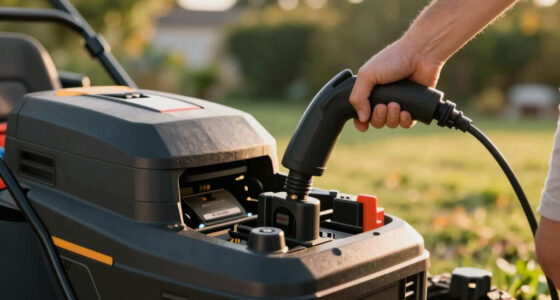
Think of your mower’s battery as its fuel tank, and the motor as the engine. A higher-capacity battery (like 80 Ah vs. 40 Ah) can push through tougher conditions longer without bogging down. Likewise, a more powerful motor can handle resistance better.
For example, newer models with 80V lithium-ion batteries and brushless motors outperform older 60V models, especially in damp conditions. But even the best gear struggles if the grass is so wet it’s practically a waterlogged sponge.
Choosing a mower with higher voltage and capacity isn’t just about cutting power; it’s about resilience. A larger battery provides a greater reserve of energy, enabling the motor to sustain higher loads without overheating or shutting down prematurely. Similarly, a more powerful, high-torque motor can better overcome the increased resistance caused by wet grass, reducing bogging and clogging incidents. However, there’s a tradeoff: higher-capacity batteries and more powerful motors typically add weight and cost, and they may require more frequent maintenance. Therefore, understanding your yard’s typical conditions and matching your equipment accordingly can prevent frustration and extend your mower’s lifespan.
high capacity battery for electric mower
As an affiliate, we earn on qualifying purchases.
As an affiliate, we earn on qualifying purchases.
The Limitations of Battery Mowers in Wet Conditions
Battery mowers are generally less powerful than gas units. They excel in dry, well-maintained lawns but can bog down quickly when moisture and thick grass combine. According to outdoor equipment experts, most battery models deliver between 30-50% less raw power than gas counterparts.
For instance, a typical battery mower might cut 3 inches of dry grass with ease, but in wet, tall grass—say 6-8 inches thick—it struggles, often clogging or stopping altogether.
Understanding these limitations is vital because it influences how you approach mowing. Pushing a battery mower beyond its capabilities in challenging conditions not only risks damaging the blades and motor but also shortens the battery’s lifespan. Moisture can cause electrical issues, corrosion, or short circuits if your mower isn’t rated for wet conditions. Being aware of these power constraints helps you decide when to switch tools, adjust your expectations, or prepare your yard beforehand to avoid equipment failure and safety hazards.
As an affiliate, we earn on qualifying purchases.
Practical Tips to Keep Your Battery Mower Moving in Wet, Tall Grass
- Mow when the grass is dry. Wait for a clear, dry day or a few hours after rain. Wet grass doubles the resistance and increases clogging risk.
- Raise the cutting height. Set your mower deck to a higher setting — around 3-4 inches. This reduces the load on blades and motor, helping prevent bogging and ensuring cleaner cuts. Higher cuts also prevent the blades from pulling too much moisture and mud into the deck, reducing mechanical stress and clogging.
- Cut in smaller sections. Instead of trying to mow everything in one pass, break it into smaller, manageable chunks. Overlap slightly to catch everything but avoid overloading the blades, which can cause overheating and faster battery drain. This approach allows your mower to recover between sections and reduces mechanical strain.
- Maintain sharp blades and clean deck regularly. Dull blades tear grass rather than cut cleanly, demanding more effort and straining the motor. A clean deck prevents clogs and improves airflow, reducing resistance and preventing overheating. Regular maintenance extends your mower’s effective lifespan and ensures consistent performance.
- Use a high-capacity battery and check your motor’s torque specs. Upgrading your battery or choosing a model with higher torque can make a real difference in tough conditions. A higher torque motor can better overcome resistance, and a larger capacity battery provides the extra energy needed for sustained performance.
For example, on a damp Saturday, I set my mower blades to the highest setting, kept my battery charged to full, and cut in short bursts. The difference? No bogging, no stopping — just a clean cut. This approach minimizes strain and maximizes efficiency, allowing you to tackle challenging conditions more effectively.
As an affiliate, we earn on qualifying purchases.
Comparison Table: Gas vs. Battery Mowers in Wet Conditions
| Feature | Gas Mowers | Battery Mowers |
|---|---|---|
| Power | High; handles thick, wet grass easily | Moderate; struggles with dense, moist turf |
| Weight | Heavier, more cumbersome | Lightweight and easy to maneuver |
| Fuel & Maintenance | Requires gasoline, oil, regular tune-ups | Electric, lower maintenance, instant start |
| Performance in Wet Grass | Less affected; handles moisture better | More prone to bogging and clogging |
| Environmental Impact | Higher emissions | Cleaner, quieter |
What to Do When Your Battery Mower Just Won’t Cut It
If your battery mower consistently bogs down, consider these options:
- Switch to a gas mower for heavy, wet grass days.
- Upgrade to a higher-capacity battery or a model with more torque.
- Break your yard into sections and mow in stages.
- Use a leaf blower or rake to clear tall wet grass before mowing.
- Maintain your mower diligently — sharpen blades, clean deck, and check battery health.
Remember, sometimes a hybrid approach — mixing battery and gas tools — saves time and effort. Recognizing when your equipment is reaching its limits helps prevent damage and ensures safety, especially in challenging weather conditions. It’s about balancing your yard’s needs with your equipment’s capabilities, making smarter choices to keep your mowing routine efficient and safe.
Frequently Asked Questions
Why does my battery mower bog down in tall wet grass?
Wet, dense grass increases resistance, overloading the motor and draining the battery faster. It’s like trying to walk through quicksand — harder for the mower and tougher on the battery.Can I modify my battery mower to perform better in wet conditions?
Upgrading to a higher-capacity battery, ensuring blades are sharp, and raising the deck height can help. But remember, even the best battery mower has limits in very wet, tall grass.Are gas mowers better for wet, tall grass?
Gas mowers generally handle moisture and thick grass better because they provide more raw power. However, they’re noisier and require more maintenance, so weigh your options.How can I prevent my battery mower from bogging down?
Mow when the grass is dry, don’t cut too much at once, and keep your blades sharp. Proper maintenance and adjusting your mowing height can make a big difference.Is it safe to mow wet grass with an electric mower?
It’s risky; electric mowers are not designed for very wet conditions. Always check your mower’s rating and avoid puddles or overly damp grass to prevent electrical issues or shocks.Conclusion
Battery mowers have come a long way, but they still face a tough challenge in wet, tall grass. The secret is knowing their limits and adjusting your approach accordingly. When you respect the conditions, your mower will serve you better, lasting longer and cutting cleaner.
So next time your yard’s soaked and overgrown, remember: a little patience, proper technique, and smarter gear choices keep you mowing without the burn-out. Your yard—and your back—will thank you.
Fall Picks
fall essentials
As an affiliate, we earn on qualifying purchases.