TL;DR
Open a free Amazon Business account
Business pricing, bulk buying and tax-exempt orders.
Create a free accountAs an affiliate, we earn on qualifying purchases.
Inverter generators produce smooth, consistent power ideal for sensitive electronics, unlike conventional models that can cause damage due to voltage fluctuations. They offer better efficiency, quieter operation, and safer power quality, especially for modern devices.
Inverter generators produce cleaner, more stable power with less than 3% harmonic distortion, protecting sensitive electronics.
They are quieter, more portable, and more fuel-efficient than conventional generators, making them ideal for outdoor and backup use.
For high-capacity, heavy-duty needs, conventional generators still have a place — but they pose higher risks to delicate devices.
Choosing the right generator depends on your specific power needs, the type of devices, and safety considerations.
Proper safety practices—like outdoor setup and using transfer switches—are essential when operating any generator near electronics.
Inverter Generators vs Conventional: Why Clean Power Matters for Electronics
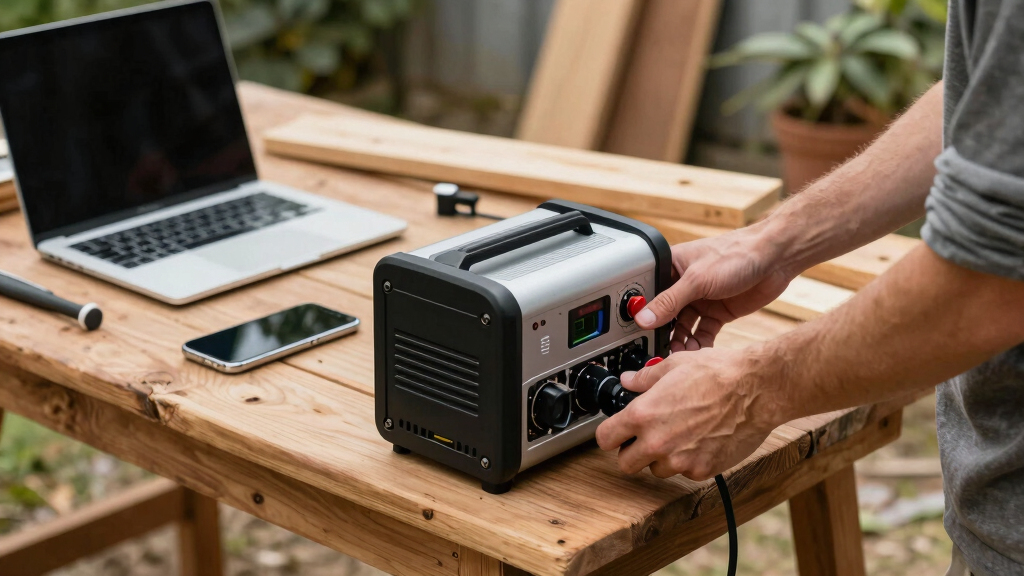
Not all electricity is equally safe. Inverter generators reshape raw output into a smooth, stable sine wave—helping protect laptops, phones, medical devices and other sensitive electronics from voltage fluctuations, electrical noise and premature wear.
Key insight: grid-like power quality is not a luxury when microchips, stored data and tightly regulated power supplies are connected.
Three reasons clean power saves devices
Sensitive electronics expect a predictable voltage, frequency and waveform. Cleaner output reduces component stress, unexpected shutdowns, corrupted data and the chance of expensive repairs.
Pure sine wave
A smooth waveform closely matches household grid power. It supports stable operation in laptops, medical equipment, high-end audio systems and digitally controlled appliances.
Consistent voltage
Regulated output limits dips and spikes that can interrupt processing, force shutdowns or damage power supplies. Consistency matters most during data-heavy or precision tasks.
Low distortion
Keeping total harmonic distortion below 3% reduces electrical noise, heat and strain on tightly packed components with narrow voltage and current tolerances.
What is the real difference?
Inverter technology prioritizes clean, efficient and portable power. Conventional designs prioritize straightforward construction, lower purchase cost and sustained high-capacity output.
| Feature | Inverter generator | Conventional generator |
|---|---|---|
| Power quality | ✓Pure sine wave Minimal harmonic distortion; safer for sensitive electronics. |
!More variable Voltage and frequency can fluctuate as loads change. |
| Engine behavior | ✓Load-responsive Engine speed rises or falls with demand. |
~Constant speed Often runs at a fixed rate regardless of lighter loads. |
| Noise | ✓Typically 50–60 dB Better suited to camping and residential settings. |
~Usually louder More appropriate where noise is less critical. |
| Portability | ✓Compact and light Designed for transport, RVs and mobile backup. |
~Larger and heavier Often built around higher-output engines and frames. |
| Fuel efficiency | ✓Often 20–30% better Variable speed can reduce fuel use at partial load. |
!Higher consumption Fixed-speed operation can waste fuel under light loads. |
| Upfront cost | ~Higher Advanced electronics increase the initial investment. |
✓Lower Simpler construction is usually less expensive to buy. |
| Best fit | ✓Electronics and mobility Laptops, phones, medical devices, camping and RV use. |
~Heavy-duty loads Construction equipment, large tools and high-capacity backup. |
✓ Advantage ~ Depends on use ! Higher electronics risk
Cleaner output changes the risk equation
The strongest benefit is not simply quieter operation. It is the combination of stable voltage, low distortion and load-responsive efficiency—especially when expensive electronics are connected.
Look for a published THD specification below 3% when powering sensitive devices. This approaches grid-quality output and reduces electrical stress.
Device safety comes first
The higher purchase price is easier to justify when the connected equipment is delicate, valuable or mission-critical.
- Laptops, phones and networking equipment
- Medical or precision devices
- Camping, residential and RV environments
- Fuel economy and quiet operation matter
Raw capacity matters most
A rugged conventional unit can still make sense when high wattage and lower upfront cost outweigh the need for ultra-clean output.
- Construction tools and large motors
- High-capacity continuous loads
- Noise and weight are secondary concerns
- Sensitive electronics remain isolated
Choose for the load—and operate safely
Start with the devices you actually need to power. Include startup surges, verify output quality and leave enough capacity to avoid running at the generator’s limit.
Total the running watts and startup surges of every connected device.
Prioritize a published distortion rating below 3% for sensitive electronics.
Avoid continuous operation at maximum output to reduce overload risk.
Balance wattage against weight, dimensions and how often it must move.
Operate outdoors and use an approved transfer switch for home circuits.
Traceability: from fuel to protected electronics
What exactly is “clean power”?
It is electricity with a stable voltage, consistent frequency and smooth sine wave. Low harmonic distortion helps electronics operate as their designers intended.
Are inverter generators worth the price?
Usually yes when you power sensitive devices, value quiet operation or frequently run at partial load. Fuel savings and equipment protection can offset the premium.
Can conventional power damage electronics?
It can. Irregular voltage, frequency shifts and distorted waveforms may cause malfunctions, overheating, data corruption or shortened component life.
Is a surge protector enough?
It adds protection against spikes but cannot fully correct unstable frequency or harmonic distortion. Good generator output remains the first line of defense.
How Power Quality in Generators Protects Your Electronics
Inverter generators produce a pure sine wave—the same smooth, steady power your home outlets supply. This waveform mimics the electricity grid’s quality, which is vital because modern electronics are designed to operate with this specific type of power. When devices receive a consistent, clean signal, their internal components experience less stress and wear over time. Conversely, conventional generators often produce irregular waveforms with voltage fluctuations that can cause microchips to malfunction, data corruption, or even permanent damage. The implications are significant: frequent power irregularities can shorten device lifespan, increase repair costs, and reduce overall reliability. Understanding this, choosing a generator that provides high-quality power isn’t just about convenience—it’s about long-term protection and performance. The tradeoff, however, is that inverter generators tend to be more complex and costly due to their advanced electronics, but this investment pays off in the safety and longevity of your sensitive equipment.
inverter generator for sensitive electronics
As an affiliate, we earn on qualifying purchases.
As an affiliate, we earn on qualifying purchases.
Top 3 Reasons Inverter Generators Save Your Electronics
- Pure sine wave: This waveform closely matches the power supplied by the electrical grid, which is essential for preventing microchip damage, data loss, and device malfunctions. Devices like medical equipment or high-end audio systems rely on this stable signal for safe operation. The absence of voltage surges means fewer repairs and replacements, saving money and hassle.
- Consistent voltage: Fluctuations in voltage can cause devices to shut down unexpectedly, or worse, suffer internal damage. Inverter generators regulate output to maintain a steady voltage, ensuring that your electronics operate smoothly and reliably. This consistency is crucial during sensitive tasks like data processing or running delicate instruments, where even minor power dips can result in significant setbacks.
- Lower harmonic distortion (less than 3%): Harmonic distortion refers to the deviation from a pure sine wave, which can introduce electrical noise and stress into electronic components. By maintaining distortion below 3%, inverter generators produce power that approaches the quality of the electrical grid, reducing the risk of overheating, overheating, or premature failure of sensitive parts. This level of power quality is especially beneficial for modern, compact electronics that have tight voltage and current tolerances. To maximize protection, look for models with these specifications, and consider using surge protectors or power conditioners alongside your generator for added safety. The investment in a high-quality inverter generator can prevent costly repairs, data loss, and device replacements, ultimately saving you money and hassle over time.
As an affiliate, we earn on qualifying purchases.
Comparison Table: Inverter vs Conventional Generators — What’s the Real Difference?
| Feature | Inverter Generator |
|---|---|
| Power Quality | Pure sine wave; minimal harmonic distortion (<3%) ensures safe, reliable operation of sensitive electronics. |
| Noise Level | Quiet, typically 50-60 dB, making them suitable for residential areas and outdoor activities without disturbance. |
| Size & Portability | Compact, lightweight, and designed for easy transport, ideal for camping, RVs, and emergency use. |
| Fuel Efficiency | Variable engine speed based on load; often 20-30% more efficient, reducing fuel costs and emissions over time. |
| Cost | Higher initial investment due to advanced inverter technology, but lower operational costs and better protection for electronics. |
best inverter generator for camping
As an affiliate, we earn on qualifying purchases.
As an affiliate, we earn on qualifying purchases.
When a Conventional Generator Might Still Make Sense
Conventional generators excel in heavy-duty, high-capacity situations—like powering a construction site or running a large RV with multiple appliances. They’re generally less expensive initially and can handle higher loads more reliably. However, their waveforms are often less stable, which can introduce power irregularities detrimental to sensitive electronics. For devices that require a stable power source—such as medical equipment, high-end audio gear, or gaming systems—the inherent fluctuations of traditional generators pose a risk of damage or data corruption. The tradeoff is that conventional generators tend to be more rugged and capable of supplying higher wattages continuously, making them suitable for large-scale or high-demand applications where electronic safety is less of a concern. If your priority is heavy-duty power without the need for ultra-clean waveforms, a conventional generator might be appropriate. But for safeguarding delicate electronics, the stability and clean power of inverter generators are generally preferable, despite their higher upfront cost and complexity.
inverter generator with pure sine wave
As an affiliate, we earn on qualifying purchases.
As an affiliate, we earn on qualifying purchases.
Tips for Choosing the Right Generator to Protect Your Electronics
- Assess your power needs: Calculate total wattage for all devices, including startup surges. Overestimating slightly ensures you won’t overload the generator during peak loads, which can cause fluctuations and potential damage.
- Prioritize power quality: Look for models with less than 3% harmonic distortion. This ensures the waveform closely mimics grid power, minimizing risks to sensitive electronics. Use a multimeter or check specifications to verify harmonic distortion levels before purchasing.
- Consider portability: Will you need to move it frequently? Smaller, lighter units are easier to transport but may have lower power output—balance your needs accordingly.
- Check noise levels: Quiet models (<60 dB) are more suitable for residential areas or outdoor environments where noise could be disruptive, and they often have better engineering for stable power output.
- Balance cost and features: While inverter generators are more expensive upfront, their enhanced power quality and efficiency can save money in the long run by protecting your electronics and reducing fuel costs. Evaluate your actual needs versus budget to determine if the investment aligns with your priorities.
Frequently Asked Questions
What exactly is ‘clean power,’ and why does it matter?
Clean power is a steady, pure sine wave with minimal voltage fluctuation, crucial for sensitive electronics like laptops or medical devices. It prevents damage and ensures smooth operation, unlike the uneven power from traditional generators.Are inverter generators worth the higher price?
For anyone with sensitive gadgets, yes. They offer safer power, quieter operation, and better fuel efficiency—saving you money and headaches over time.Can a conventional generator harm my electronics?
Yes, especially if it produces fluctuating or ‘dirty’ power. Sensitive devices can suffer from surges, dips, or harmonic distortion, which can shorten their lifespan or cause data loss.How do I pick the right generator for my electronics?
Start by calculating your total wattage and consider models with less than 3% harmonic distortion. Use this data to compare options, and prioritize models that balance power quality with portability and budget. Additionally, use surge protectors or power conditioners for extra safety, and avoid running sensitive devices directly from generators without proper protection.Are inverter generators more fuel-efficient?
Yes, because they adjust engine speed based on load, often using 20-30% less fuel than traditional models, which run at a constant high RPM. This efficiency not only saves money but also reduces emissions and prolongs engine life.Conclusion
If protecting your precious electronics matters, a quality inverter generator makes all the difference. It’s not just about quieter operation; it’s about peace of mind—knowing your devices are safe, whether at home or in the wild. When you need portable power, choose clean, stable, reliable energy over the old-school noise factory.NFL season / tailgating Picks
team gear
As an affiliate, we earn on qualifying purchases.