TL;DR
Both PSI and GPM matter for pressure washing. PSI provides force, while GPM offers volume—together, they determine cleaning power. For driveways, a balanced combo around 2,500–3,000 PSI and 2–2.5 GPM gets the job done safely and efficiently.
Ever wondered what really makes your driveway shine after a pressure wash? Is it the pressure, the flow, or just how much water you blast through? The truth is, both PSI and GPM play starring roles—each affecting how well your machine cleans, and how safe it is for your surfaces.
If you’ve ever spent money on a high-PSI model, only to see it damage your driveway or spray water everywhere, you’re not alone. This guide breaks down what those numbers mean, which actually matter for your project, and how to pick a pressure washer that hits the sweet spot between power and safety.
Balance PSI and GPM—around 2,500–3,000 PSI with 2.0–2.5 GPM—for effective driveway cleaning.
Higher PSI isn’t always better; match pressure to surface softness to prevent damage.
GPM is crucial for rinsing away loosened dirt; don’t neglect flow rate when choosing a pressure washer.
Adjust nozzles and distance carefully—small tweaks prevent costly repairs.
Electric models with adequate PSI and GPM work well for most residential driveways, offering safety and ease of use.
Which number actually cleans your driveway?
PSI supplies the force that breaks grime loose. GPM supplies the water that carries it away. Real cleaning power comes from balancing both—not chasing the biggest number on the box.
Force breaks it. Flow takes it.
The numbers describe different parts of the same cleaning cycle. Pressure without enough flow can concentrate damaging force. Flow without enough pressure may rinse beautifully while leaving stubborn stains untouched.
The stain breaker
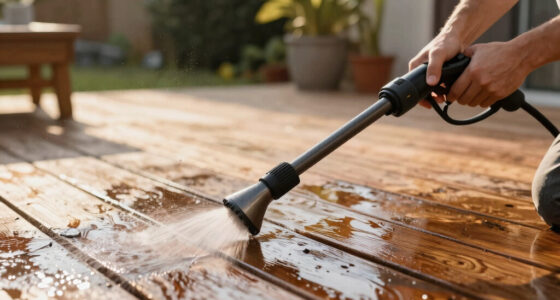
PSI measures the force of the water jet. More pressure helps dislodge grease, embedded soil and old grime—but excessive pressure can etch concrete, chip edges or strip coatings.
The debris mover
GPM measures water volume. More flow carries loosened dirt away, clears detergent and speeds each pass. Too little leaves residue behind and makes a high-pressure machine feel inefficient.
Recommended driveway operating zone
pressure washer for driveway cleaning
As an affiliate, we earn on qualifying purchases.
As an affiliate, we earn on qualifying purchases.
Big PSI does not guarantee a clean finish.
Compare the combinations. The balanced column delivers enough impact to release stains and enough water to finish the rinse—without relying on brute force.
| Setup | Stain removal | Rinsing | Surface risk | Verdict |
|---|---|---|---|---|
| 3,500 PSI / 1.2 GPM | ✓ Strong impact | ✗ Low volume | ✗ Higher etching risk | ~ Imbalanced |
| 2,500–3,000 PSI / 2–2.5 GPM | ✓ Effective | ✓ Efficient | ✓ Controllable | ✓ Sweet spot |
| 1,300 PSI / 2.5 GPM | ✗ May leave stains | ✓ Excellent flow | ✓ Lower risk | ~ Light soil only |
✓ Advantage ✗ Limitation ~ Depends on soil and surface
electric pressure washer 2500 PSI
As an affiliate, we earn on qualifying purchases.
As an affiliate, we earn on qualifying purchases.
Dial in power without damaging the slab.
Patience beats brute force. Start conservatively, test an inconspicuous area and change one variable at a time.
Set the baseline
Begin near 2,500 PSI and 2.0 GPM with a 25° or 40° nozzle.
Try a corner
Check for streaking, exposed aggregate, chipping or color change.
Increase slowly
If grime remains, raise pressure in small steps while keeping flow steady.
Hold distance
Stay at least 12 inches away and sweep with consistent, overlapping passes.
Narrow carefully
Use a 15° nozzle only for resilient areas—and always retest first.
best pressure washer GPM 2.5
As an affiliate, we earn on qualifying purchases.
As an affiliate, we earn on qualifying purchases.
Five decisions that matter more than maximum PSI.
Choose the machine and setup around your actual surface. Unpainted concrete tolerates more force; painted concrete, asphalt, brick and adjacent wood demand a gentler approach.
Buy balance
Target 2,500–3,000 PSI with 2.0–2.5 GPM for most residential driveways.
Prioritize adjustment
Variable pressure and interchangeable nozzles make one machine safer across multiple surfaces.
Respect coatings
Painted or sealed areas need lower pressure, wider spray angles and careful testing.
Consider electric
Electric models meeting the target range offer quiet, convenient power for many home driveways.
Protect the operator
Wear eye protection and closed footwear. Never direct the jet toward people, pets or skin.
Let water finish
Use adequate flow to carry away loosened grime instead of repeatedly attacking it with pressure.
residential pressure washer with adjustable PSI
As an affiliate, we earn on qualifying purchases.
As an affiliate, we earn on qualifying purchases.
What Is PSI and Why Does It Matter for Your Driveway?
PSI, or Pounds per Square Inch, measures how much pressure the water exerts. Think of it like the force behind a high-speed hose. For driveway cleaning, a PSI around 2,500 to 3,000 provides enough punch to blast away dirt and grease. But crank it too high—say 4,000 PSI—and you risk chipping concrete or etching asphalt.
Imagine trying to wash a delicate brick wall with a power drill—too much force causes damage. The same principle applies with PSI. High pressure is great for stubborn stains, but only if you control it properly.
Most residential pressure washers hover between 1,300 and 3,000 PSI. For a typical driveway, focus on models with adjustable PSI or nozzles that let you dial down the force when needed.
Choosing the right PSI is about balancing power and safety. Too high, and you risk damaging your surfaces; too low, and you won’t effectively remove grime. The key is understanding what your driveway can handle and adjusting accordingly to prevent costly repairs or surface etching.
What Is GPM and Why Does It Matter for Your Driveway?
GPM, or Gallons per Minute, measures how much water flows through the nozzle each minute. Think of it like the water volume available to rinse away dirt. A higher GPM, say 2.0 or more, floods the surface with water, helping loosen and wash away grime.
Picture rinsing a muddy driveway with a garden hose—more water volume clears debris faster. When combined with adequate PSI, high GPM ensures stubborn stains are not just blasted but thoroughly rinsed away.
Understanding GPM is crucial because it affects how quickly and thoroughly your driveway is cleaned. A high GPM can help rinse away loosened dirt effectively, but if paired with insufficient PSI, it might not generate enough force to dislodge tougher stains. Conversely, high PSI with low GPM might damage surfaces or cause runoff issues without cleaning thoroughly.
Most home pressure washers range from 1.2 to 2.5 GPM. For driveways, a GPM of 2.0 to 2.5 provides enough volume to rinse away debris efficiently while minimizing the risk of erosion or water waste. The tradeoff here is that too high a GPM on a machine with low PSI might not clean stubborn stains, whereas too low GPM on a high PSI setting can cause surface damage or inefficient rinsing.
Balancing PSI and GPM: The Secret to Real Cleaning Power
PSI and GPM work together like a dynamic duo. High PSI is like a hammer—powerful but potentially destructive. GPM is the force of your shovel—volume that moves dirt away. The best pressure washers combine the two: around 2,500–3,000 PSI with 2.0–2.5 GPM.
For example, a 3,000 PSI with 2.2 GPM can remove deep stains and old grime from concrete without damaging the surface. This combination provides enough force and volume for thorough cleaning while maintaining surface integrity. On the other hand, a machine with 3,500 PSI but only 1.2 GPM might seem powerful but could strip paint or etch your driveway because the low GPM doesn’t provide enough rinsing capacity to finish the job safely.
The tradeoff here is understanding that higher PSI isn’t always better if GPM is lacking—excessive pressure can cause damage, and insufficient flow may leave residues behind. Conversely, high GPM with low PSI might rinse well but fail to dislodge stubborn stains. The key is finding the right balance based on your specific cleaning needs and surface resilience.
Choosing the right combination involves understanding the surface material and the type of dirt or stains. For example, delicate surfaces like painted concrete require lower PSI with higher GPM, while tough stains on unpainted concrete can handle higher PSI and moderate GPM. Recognizing these tradeoffs helps prevent surface damage and ensures efficient cleaning.
How to Use PSI and GPM Settings Without Damaging Your Driveway
Adjusting your pressure washer properly can mean the difference between a spotless driveway and a cracked, chipped mess. Here’s a step-by-step:
- Start low: Set your PSI around 2,500 and GPM at 2.0. Use a wider-angle nozzle (like 25 or 40 degrees).
- Test a small area: Spray a corner first. Watch for surface damage or streaking.
- Increase gradually: If stains persist, bump up PSI slightly, but keep GPM steady. Remember, small incremental adjustments prevent overexposure to excessive force.
- Maintain distance: Keep the nozzle at least 12 inches away. Close contact amplifies force, risking damage. Keep a consistent distance to control the impact on the surface.
- Switch nozzles: Use a lower-angle nozzle (15 degrees) for stubborn areas, but only if you’re confident in your surface’s resilience. Always test first to avoid unintended damage.
Remember: patience beats brute force. Rushing can cause costly repairs. Carefully adjusting PSI and GPM ensures you clean effectively without risking surface damage or erosion. The tradeoff is that over-aggressive settings can cause long-term harm, so always prioritize controlled, gradual adjustments over brute force.
Frequently Asked Questions
Can I just buy the highest PSI pressure washer I find?
No. High PSI can damage softer surfaces like painted or wooden areas. Always match PSI to the task—higher isn’t always better.
Is a higher GPM better for driveway cleaning?
Higher GPM helps rinse away dirt faster, but without enough pressure, stubborn stains may not budge. Aim for a balance—around 2 GPM for most home projects.
How close should I hold the nozzle to my driveway?
Keep it at least 12 inches away. Too close can concentrate force and cause damage, especially on softer surfaces.
Are electric pressure washers powerful enough for tough stains?
Yes, models with 2,500 PSI and above are suitable for most driveway grime. For heavy-duty jobs, look for higher GPM and adjustable settings.
What safety tips should I follow to avoid accidents?
Always wear eye protection, start with lower pressure, and test a small area first. Never point the spray at yourself or others.
Conclusion
Remember, a pressure washer’s true power isn’t just in the numbers. It’s in how you balance force and flow, and how carefully you control them. A smart choice—around 2,500 PSI with 2 GPM—delivers deep clean without damage.
Next time you hit your driveway, think of PSI and GPM as your cleaning partners, not enemies. Treat them right, and they’ll give you a spotless, damage-free finish—and maybe even bragging rights among neighbors.