
TL;DR
Proper foam cannon use hinges on correct dilution ratios, selecting foam-optimized soaps, and controlling dwell time. Adjusting these factors boosts cleaning power while protecting your vehicle’s finish.
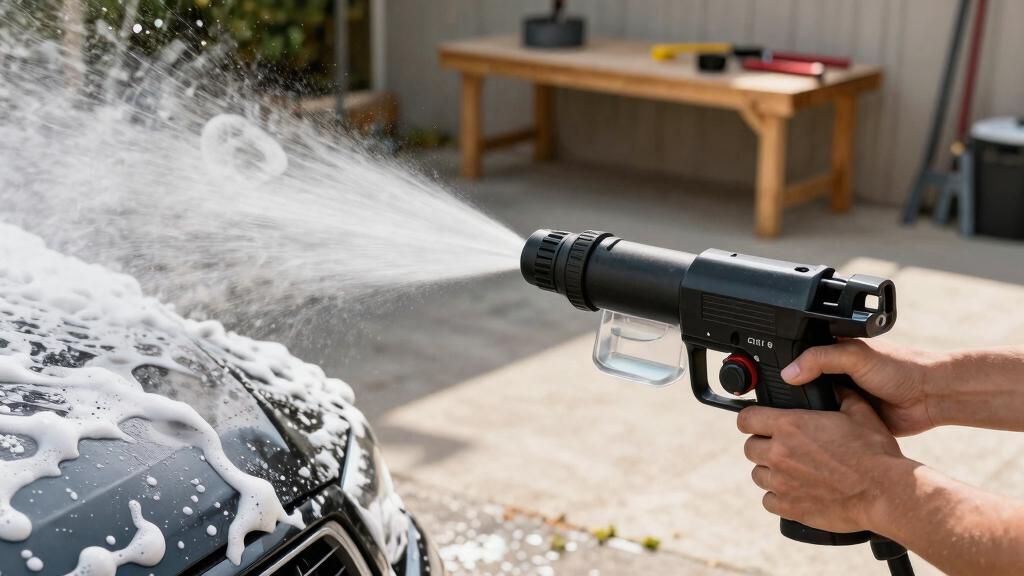
Foam cannons have transformed how we wash cars, making it easier to get thick, clingy foam that lifts dirt off surfaces. But to really get the best results, you need more than just a foam cannon—you need to dial in your dilution ratios, pick the right soap, and give the foam enough time to work.
Get these right, and your car will shine brighter, last longer, and you’ll spend less time scrubbing. It’s about working smarter, not harder. Let’s break down what you need to know to master your foam cannon game.
Use a dilution ratio of 1:5 to 1:10 for most car washes to balance foam quality and soap economy.
Choose pH-neutral, biodegradable soaps specifically formulated for foam cannons for the best cling and cleaning power.
Allow foam to dwell for 3-5 minutes to maximize grime lift without risking streaks or spots.
Adjust nozzles and pressure to optimize foam thickness and retention, especially in changing weather conditions.
Invest in newer foam cannon tech—like adjustable nozzles and automated dosing—to get more consistent, professional results.
Foam Cannons: Dilution Ratios, Soap Selection and Dwell Time
Thick foam alone does not guarantee a clean finish. The best wash balances soap concentration, surface-safe chemistry and enough working time to release grime—without letting the foam dry.
Soap to water for a practical balance of cling, cleaning power and economy.
Rinse sooner if foam begins to dry, crack or lose its wet sheen.
Correct dilution can improve foam adherence without needless soap use.
Find the dilution sweet spot
Concentration changes more than foam volume. It affects how well surfactants spread, how long foam stays wet and how easily residue rinses away. Start moderate, observe the foam, then adjust one step at a time.
1:10
Best for frequent maintenance washes and lightly dusty paint. Economical, easy to rinse and less likely to leave excess residue.
1:5–1:10
The everyday operating zone. It balances foam thickness, surface coverage and soap use for most vehicle washes.
1:3–1:4
A richer mix for road film, grease and stubborn dirt. Use selectively and verify compatibility with waxes and coatings.
Residue + waste risk Balanced zone
Cling + safe rinsing Too lean
Fast runoff + repeat passes
foam cannon car wash kit
As an affiliate, we earn on qualifying purchases.
As an affiliate, we earn on qualifying purchases.
Choose soap for the surface—not the spectacle
Dense foam looks impressive, but compatibility matters more. A well-formulated foam soap creates small, stable bubbles while preserving paint, clear coat, wax and ceramic protection.
| Soap type | Foam cling | Finish safety | Heavy grime | Best application |
|---|---|---|---|---|
| Foam-optimized, pH-neutral | ✓ High | ✓ High | ~ Moderate | Routine exterior washing |
| Regular car shampoo | ~ Variable | ✓ Usually safe | ~ Moderate | Use only if cannon-compatible |
| Degreasing formula | ~ Moderate | ✗ Verify first | ✓ High | Engine bays and targeted grime |
| Household detergent | ✗ Unstable | ✗ Not advised | ~ Harsh | Avoid on automotive finishes |
Fine, velvety foam generally spreads more evenly and holds moisture longer than large, airy bubbles.
Choose pH-neutral chemistry when washing waxed, sealed or ceramic-coated surfaces.
Modern eco-focused soaps can deliver strong foam performance with reduced environmental impact.
adjustable foam cannon nozzle
As an affiliate, we earn on qualifying purchases.
As an affiliate, we earn on qualifying purchases.
Dwell long enough to lift—never long enough to dry
Foam needs time to soften road film and suspend loose particles. Weather, panel temperature, airflow and foam thickness all change the safe rinse point.
Minutes on a cool panel in mild conditions. Watch the foam rather than relying on the clock alone.
car wash soap for foam cannon
As an affiliate, we earn on qualifying purchases.
As an affiliate, we earn on qualifying purchases.
The smarter-wash sequence
Each decision influences the next. Consistency comes from controlling the full chain—not compensating for weak chemistry with more pressure or longer dwell.
Read the surface
Check grime, coating, temperature and weather.
Select soap
Match chemistry to finish and contamination.
Set dilution
Begin at 1:5–1:10; enrich only when needed.
Tune the cannon
Adjust fan, pressure and foam thickness.
Dwell and rinse
Allow 3–5 minutes without letting foam dry.
Use 1:5–1:10 for most routine washes.
Choose foam-specific, pH-neutral soap.
Target a wet 3–5 minute dwell window.
Adapt nozzle and pressure to conditions.
Use dosing systems for repeatable results.
professional foam cannon
As an affiliate, we earn on qualifying purchases.
As an affiliate, we earn on qualifying purchases.
Foam cannon FAQ
Use these visual and practical cues to troubleshoot foam quality before adding more concentrate.
What ratio produces the thickest foam?
A richer 1:3 or 1:4 mix generally creates thicker, longer-lasting foam. Reserve it for heavy grime and confirm surface compatibility.
How can I spot foam that is too thin?
Thin foam looks watery, forms large bubbles and slides off quickly. Check soap type, dilution, water flow, pressure and nozzle adjustment.
Should I brush after foaming?
Foam is the pre-wash stage. After rinsing, stubborn areas may need gentle contact washing with clean, paint-safe tools and lubrication.
Can dried foam be reused?
No. Dried foam has lost its useful working state and may leave residue. Rinse it away, cool the panel and reapply if necessary.
How to Find the Perfect Dilution Ratio for Your Foam Cannon
Getting the right dilution ratio is the secret sauce. Too strong, and you waste soap or risk streaking; too weak, and you don’t get enough foam to lift grime effectively.
Most pros stick to a range of 1:5 to 1:10 for regular cleaning, which balances foam thickness with soap economy. For heavy dirt, go richer—around 1:3 or 1:4—so the foam clings longer and cuts through grease.
Adjustable nozzles make this easier. For example, if you notice the foam isn’t sticking well or rinses off too quickly, tweak the ratio slightly. Many foam cannons now have built-in measurement scales or pre-measured concentrates, streamlining the process.
Why does this matter? The dilution ratio impacts not just foam quantity but also cleaning effectiveness and surface safety. Using too concentrated a mix can lead to over-sudsing, which might trap dirt and scratch paint during rinsing. Conversely, too weak a mix might not lift grime effectively, requiring multiple passes and increasing water and time consumption. Finding the optimal balance ensures efficient cleaning without risking damage or wasting resources. Remember, a proper dilution not only maximizes foam volume but also ensures the surfactants work at their best, breaking down dirt without harming delicate surfaces. Tradeoffs exist: too concentrated increases risk of damage; too dilute wastes effort and time. Striking the right balance means you get effective cleaning with minimal risk and resource use.
Picking the Right Soap: What Works Best in a Foam Cannon
Not all soaps are created equal when it comes to foam cannons. Look for pH-neutral, biodegradable formulas designed specifically for foam. They produce thick, sticky foam that clings for those crucial 3-5 minutes.
If you use regular car wash soap, you might get less foam or it might slide off faster. Foam-optimized soaps contain surfactants that create microbubbles, making foam more voluminous and longer-lasting.
Choosing the right soap isn’t just about foam thickness; it’s about compatibility and safety. A soap that’s too harsh can strip wax or damage clear coats, while one that’s too mild might not lift stubborn grime effectively. The ideal foam soap balances strong cleaning power with surface safety, ensuring your vehicle looks its best without harm. Eco-friendly options are gaining ground, offering powerful cleaning with less environmental impact.
Using the right soap also matters because it affects how well the foam adheres and how long it stays on the surface. Softer, well-formulated soaps produce microbubbles that cling longer, giving the surfactants more time to lift dirt. Conversely, harsh or ill-formulated soaps may produce foam that either dissipates quickly or risks damaging your paint. The tradeoff is between cleaning power and surface preservation: selecting a high-quality, compatible foam soap ensures you get a deep clean without unintended damage or environmental harm.
Dwell Time: How Long Should Foam Stay on Your Car?
Dwell time is how long you let the foam sit before rinsing. Too short, and dirt might not loosen; too long, and you risk streaks or water spots, especially in the heat.
Generally, 3-5 minutes works well. During this window, the foam’s microbubbles break down grime while protecting your paint. In hot, windy weather, cut that time down to prevent premature drying.
Advanced foam cannons with adjustable nozzles help control foam thickness and retention, giving you better command over dwell time. If you notice the foam starting to dry or crack, rinse sooner.
Why does dwell time matter? Proper dwell time allows the surfactants in the foam to break down dirt and grease effectively. If you rinse too quickly, you might miss out on cleaning power, requiring additional passes. If you wait too long, especially in sunny or windy conditions, the foam can dry unevenly, leaving water spots or streaks that mar your finish. Adjusting dwell time based on weather and foam thickness ensures optimal cleaning without compromising surface integrity. Using tools like adjustable nozzles and foam thickness monitors helps you tailor dwell time precisely, avoiding common pitfalls like streaking or ineffective cleaning. Understanding the implications of dwell time is crucial because it directly affects cleaning efficiency and surface safety. Too short, and grime remains; too long, and you risk residue or damage. Balancing dwell time with environmental conditions and foam thickness ensures thorough cleaning without adverse effects.
Frequently Asked Questions
What dilution ratio gives the thickest foam?
A richer mix like 1:3 or 1:4 produces thicker, longer-lasting foam, ideal for heavy grime or stubborn dirt.How can I tell if my foam is too thin or too thick?
Thin foam drips off quickly and doesn’t cling; thick foam feels velvety and stays put, covering every inch without running off immediately.Is it better to spray or brush when using foam?
Foam is great for loosening dirt in the first pass. For stubborn spots, a gentle brush after foam application can boost cleaning without scratching.Can I reuse my foam after it dries?
No, dried foam loses its cleaning power and can leave streaks. Always rinse off after dwell time or reapply if needed.Conclusion
Your foam cannon is only as good as how you use it. Dial in your dilution ratio, pick the right soap, and give the foam enough time to work. These small tweaks can mean the difference between a half-hearted wash and a showroom shine.
Remember, it’s about working smarter—tools and techniques that make your job easier, safer, and more effective. With the right approach, your next wash will be faster, cleaner, and more satisfying than ever.