
TL;DR

Get business pricing on tools and workshop supplies
- Business-only prices and quantity discounts
- Tax-exempt purchasing
- Multiple users, one account, clear invoices
Pneumatic cart tires usually give you a smoother ride on rough ground, but they need pressure checks and can go flat. Flat-free tires avoid inflation and resist punctures, but often transmit more vibration and can still wear or stiffen in cold weather. Compare each tire’s load rating, fit, tread, and temperature guidance with your cart’s limits and the surfaces you cross.
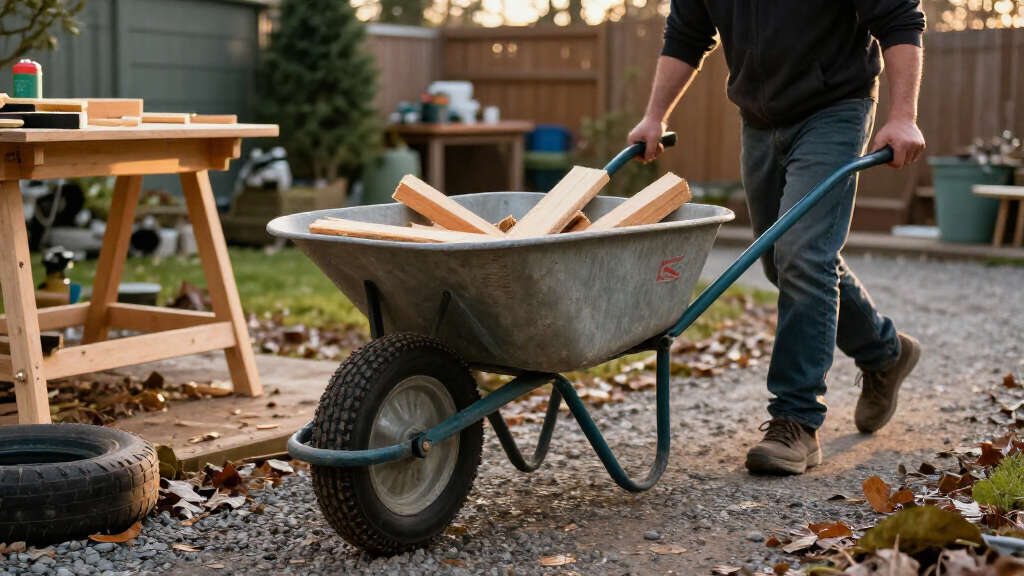
A thorn can turn a short haul into a stalled job, while a solid tire can make every root and gravel ridge thump through your cart. That is the real tradeoff between flat-free and pneumatic cart tires: fewer puncture stops or a more cushioned ride.
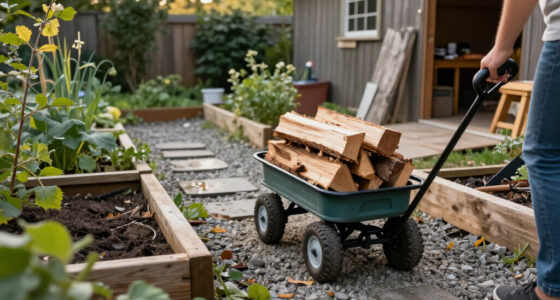
If you haul firewood across an acre, move tools over gravel, or push a garden cart through a debris-strewn worksite, the right choice depends on your route and load. You’ll learn how the two tire types ride, what load ratings actually tell you, how cold changes their behavior, and which details to check before fitting a replacement. The goal is simple: choose tires that suit the work without guessing from a label.
Pneumatic tires usually cushion rough ground better, provided you keep them at the manufacturer’s recommended pressure.
Flat-free tires reduce air-loss flats and inflation checks, but their firmer ride can send more vibration through the cart and cargo.
No tire type automatically carries more weight; follow the lowest applicable tire, wheel, axle, or frame rating.
In cold weather, check pneumatic pressure and review the maker’s temperature guidance for either tire type.
Before replacing a tire, verify dimensions, hub fit, clearance, tread, load rating, and the cart’s limits.
Field Guide · Cart Tire Selection
Flat-Free vs Pneumatic Cart Tires
Ride, load capacity, and cold weather all change the choice. Pneumatic tires usually cushion rough ground; flat-free tires avoid inflation and resist punctures. Match the tire to your route, load, and cart limits.
01 / The trade-off
Choose what matters most on your route
A thorn can stall a short haul; a solid tire can make every root and gravel ridge thump through the cart. Neither design is maintenance-free or right for every job.
Pneumatic tires
Air flexes under load and softens bumps. Pressure can be adjusted within the maker’s range, but punctures, leaks, and low pressure can interrupt work.
Flat-free tires
No air chamber means no inflation and fewer puncture stops. The firmer ride can pass more vibration to the frame, cargo, and operator.
Still need inspection
“Flat-free” means resistance to air-loss flats. Either tire can wear, crack, deform, loosen, or fail at its mounting point.
02 / Ride & terrain
Air cushions; the whole setup shapes comfort
On gravel, grass, roots, and uneven paths, pneumatic tires generally absorb more shock. Tire pressure, tread, size, cart design, load, and terrain all affect the result.
Qualitative comparison from typical design behavior, not measured scores. Product specifications and the cart setup determine actual performance.
03 / Load safely
Ratings set the limit—not the tire label
Neither tire type has a universal load advantage. Confirm what each rating covers and keep the load balanced across the cart.
| What to check | Why it matters | Good practice |
|---|---|---|
| Tire load rating | Shows the stated capacity; it may apply per tire or to a set. | ✓ Confirm the rating basis. |
| Wheel, axle & frame | The lowest applicable component rating caps safe capacity. | ✓ Follow the weakest limit. |
| Load distribution | A lopsided pile can overload one tire before the cart reaches its total limit. | ~ Spread weight evenly. |
| Pneumatic pressure | Pressure must match maker guidance and the intended load. | ✗ Extra air does not raise safe capacity. |
| Dimensions & hub fit | The tire must match the axle and clear the cart frame. | ✓ Verify size and mounting. |
Before the next full load
Check every component rating, confirm whether tire capacity is per tire or for a set, and distribute firewood, soil, or tools evenly. “Heavy duty” is not a substitute for a verified number and fit.
04 / Cold mornings
Winter changes pressure, flexibility, and grip
Cold weather affects both tire types in different ways. The product’s temperature guidance and the surface under the cart matter more than the category name alone.
Check pressure before loading
Pressure can fall as temperatures drop. Use the manufacturer’s recommended range for the intended load. Cold can also reduce rubber flexibility, depending on the compound.
No pressure loss, but material can stiffen
Solid or foam-filled materials may feel firmer in the cold. Flexibility varies by product, so check temperature guidance and inspect for cracks or other damage.
Traction is a separate question
A flat-free label does not promise winter grip. Check tread suitability for snow, ice, or mud; either type can slip on a slick surface.
05 / Fitment checklist
Choose a replacement in four checks
Start with the work your cart does most often, then verify the details that affect fit, safety, and service life.
Match the route
Rough ground favors cushioning; thorny debris can make puncture resistance valuable.
Confirm capacity
Check tire, wheel, axle, and frame ratings. Use the lowest limit and plan for even loading.
Verify fit & tread
Check dimensions, hub or axle compatibility, frame clearance, and tread for your surfaces.
Review care guidance
Follow pressure instructions for pneumatic tires and temperature guidance for either design.
Decision path
From work conditions to a better fit
Use the route and load to frame the choice, then check the exact product and cart specifications before buying.
Know what you gain when you trade air for a flat-free tire
Flat-free cart tires contain solid material or foam filling instead of a pressurized air chamber; pneumatic cart tires hold air to cushion the wheel as it rolls. That difference means flat-free tires resist punctures and need no inflation, while pneumatic tires usually absorb bumps better. Neither design is immune to wear or damage.
With a pneumatic tire, air flexes under load and helps soften the sharp edge of a rut. You can check and adjust pressure within the maker’s range. But a nail, thorn, leaking valve, or neglected pressure check can interrupt work. A flat-free tire removes the air-loss problem. It can still crack, wear down, deform, or fail at the hub or mounting point.
Take a cart loaded with fence posts across a half-mile gravel lane. If the lane is littered with thorny brush, fewer puncture stops may matter more than comfort. If you cross roots with a fragile load, the pneumatic tire’s cushioning may save the cargo from a hard rattle. Think of air like a small cushion under a chair: it takes the sting out of the floor, but you have to keep it in working order.
The word flat-free describes resistance to air-loss flats, not a tire that never needs attention. Either type still deserves a look for worn tread, cuts, cracks, loose hardware, and secure mounting.
Popular right now

De'Longhi Dinamica Plus Fully Automatic Espresso Machine

Hisense 85 U7 Mini-LED ULED 4K UHD Smart Google TV (85U7SG, 2026)

Apple AirPods Pro 3 Wireless Earbuds with Active Noise Cancellation
As an affiliate, we earn on qualifying purchases.
Choose air tires for a smoother ride over rough ground
Flat-Free vs Pneumatic Cart Tires: pneumatic tires usually ride more smoothly on gravel, grass, and uneven paths because their air cushions bumps. The benefit depends on the tire’s pressure, tread, size, cart design, and terrain; an underinflated or overinflated tire can cause its own problems.
For example, push a cart carrying ceramic planters across a bumpy lawn. At the recommended pressure, a pneumatic tire flexes over small bumps and may reduce the sharp jolts reaching the pots and your hands. A firm flat-free tire can pass more vibration into the frame and cargo. That same solid construction can be a sensible trade for hauling scrap through an area with thorns, where stopping to patch a tube repeatedly burns time.
Pressure has to match the manufacturer’s instructions and intended load. Too little air can make a pneumatic tire handle poorly or become damaged; too much can make the ride harsher. A pneumatic tire also doesn’t turn a cart into a suspension wagon: thin wheels, stiff frame parts, a heavy load, or deep ruts can still make the ride rough. A wider tire or better tread may help on some surfaces, but the tire and cart specifications decide what fits and carries safely.
When you compare options, consider what the cart crosses most days. A smooth concrete path to the shed asks less of the tire than a rutted acre of pasture. Ride comfort is a system: tire type is one part, alongside pressure, tread, wheel size, load, and the ground under you.
Compare the tire ratings before you load up the cart
Neither flat-free nor pneumatic tires have a universal load advantage; the safe capacity depends on the specific tire, wheel, axle, and cart rating. Check whether a tire’s load figure applies to one tire or a set, then follow the lowest applicable limit across the cart’s components.
Imagine your cart’s frame is rated for 500 pounds but its replacement wheels have a lower combined rating. The frame rating does not make those wheels safe for 500 pounds. Capacity is limited by the weakest rated part, and a heavy load piled to one side can overload an individual tire even if the cart’s total weight seems acceptable. Distribute firewood, soil, or tools across the bed instead of stacking everything over one corner.
For pneumatic tires, use the pressure specified for the intended load. Adding air beyond the stated range does not increase safe carrying capacity; it can make the ride harsh or damage the tire. For flat-free tires, check the product’s rating and mounting compatibility just as carefully. The solid construction does not prove that a tire can carry more weight.
| What to check | Why it matters |
|---|---|
| Tire load rating | Shows the stated capacity; confirm whether it is per tire or for a set. |
| Cart, axle, and wheel ratings | The lowest applicable limit caps the safe load. |
| Dimensions and hub fit | A tire must clear the frame and match the axle or hub. |
| Load distribution | An uneven pile can overload one wheel before the cart reaches its total limit. |
Before a full load of gravel leaves the driveway, check the ratings and spread the material evenly. Labels like “heavy duty” cannot replace numbers and a verified fit.
Prepare either tire type for cold mornings
Cold weather can affect both tire types, but pneumatic tires may show lower pressure as temperatures fall, while flat-free materials can stiffen. Neither option guarantees good winter traction. Check the specific manufacturer’s temperature guidance, inspect for damage, and match the tread to the surface.
Say you leave a pneumatic cart in an unheated shed and take it out on a frosty morning. The pressure that seemed fine in mild weather may have changed, so check it before loading tools or firewood. Use the maker’s recommended pressure for the intended load. Cold can also reduce rubber flexibility, depending on the compound, so age, condition, and product guidance matter as much as the tire category.
A flat-free tire skips the pressure check because it has no air chamber, a useful time saver on a job that starts before sunrise. But its solid or foam material can stiffen in cold conditions too. That may make a firm ride feel harsher over frozen ruts. A cart that glides across summer lawn can also slip on icy ground regardless of whether its tires hold air. Tread and the surface matter; a “flat-free” label says nothing by itself about winter grip.
Before the first haul after a cold snap, inspect both tires for cracks, visible damage, and tread condition. For snow, ice, or mud, use tires suited to that terrain and move cautiously with a stable load. Cold-weather readiness takes a check of pressure, material, tread, and ground conditions, not one label.
Weigh fewer puncture stops against routine pressure checks
Flat-free tires reduce puncture-related downtime and eliminate inflation checks, while pneumatic tires require more upkeep but can deliver a more cushioned ride. Your best choice depends on how often sharp debris stops the work, how rough the route is, and how much maintenance fits your routine.
On a cleanup job through thorny brush, repeated punctures can eat into a short work window. Flat-free tires may keep the cart rolling without pausing to find a leak or patch a tube. That convenience has a cost: depending on their design, flat-free tires may cost more upfront, weigh more, or feel firmer. Their service life still depends on load, surface, storage, and material quality.
A pneumatic tire asks for regular pressure checks and can need repair or replacement after a puncture. In exchange, the air cushioning can make a long run over rough ground more comfortable. If you haul delicate nursery stock across gravel every weekend, that ride may be worth the maintenance. If you rarely encounter sharp debris and can keep an eye on pressure, the risk of a flat may not justify giving up the softer ride.
Build the choice around your actual workday: count how often you cross puncture-prone areas, how far you travel, what the cart carries, and how much time you can spare for checks or repairs. Less maintenance does not mean no maintenance; flat-free tires still need wear and damage inspections.
Use this checklist to buy a tire that fits the job
Choose a replacement by confirming its load rating, dimensions, axle or hub fit, clearance, tread, and temperature guidance, then matching those details to your terrain and maintenance needs. A “flat-free” or “all terrain” label alone cannot tell you whether a tire will fit or carry your load safely.
- Write down the cart limits. Check the tire, wheel, axle, and frame ratings. Follow the lowest applicable limit and see whether each rating applies per tire or as a set.
- Measure the fit. Confirm tire dimensions, axle or hub size, and clearance around the frame. A replacement that rubs the cart or fails to mount securely is not a safe match.
- Match the tire to the route. For a rough route with fragile cargo, prioritize cushioning and keep pneumatic tires at the stated pressure. For a nail- and thorn-filled worksite, consider whether puncture resistance will save enough downtime to outweigh a firmer ride.
- Check operating conditions. Review temperature guidance and tread for the surfaces you actually cross, including mud, grass, gravel, or winter ground.
- Plan for upkeep. Decide whether you’ll check pressure and deal with possible punctures, or inspect flat-free tires for wear, cracking, and secure mounting.
For instance, a garden cart used on short, debris-filled runs around a renovation may benefit from a compatible flat-free tire. A cart carrying glass seedlings over rutted lawn may be better served by a pneumatic tire if its ratings and fit suit the job. Buy against the specifications and your route, not a broad promise on the sidewall.
Frequently Asked Questions
Which cart tire rides more smoothly?
Pneumatic tires usually ride more smoothly on rough ground because air cushions bumps. The benefit depends on correct pressure, tread, tire size, cart design, and terrain; a pneumatic tire cannot smooth out every rut.
Are flat-free tires maintenance-free?
No. Flat-free tires do not need inflation and resist punctures, but you still need to check for wear, cracks, damage, and secure mounting. Their service life depends on load, surface, storage, and material.
Can flat-free tires carry a heavier load?
Not inherently. Compare the specific tire’s load rating with the cart’s wheel, axle, and frame limits, and confirm whether each rating applies per tire or to a set. The lowest applicable rating limits the cart’s safe load.
Which type works better in cold weather?
Neither type is always better. Pneumatic tires may show lower pressure as temperatures drop, while flat-free materials can stiffen. Check the manufacturer’s temperature guidance, inspect the tires, and use suitable tread for snow, ice, or mud.
Can I replace a pneumatic tire with a flat-free tire?
Only if the replacement matches the cart’s dimensions, axle or hub, wheel compatibility, clearance, and load rating. Confirm that it mounts securely and follows the cart and tire manufacturers’ instructions before carrying a load.
Conclusion
Choose by the route, the load, and the cost of a stopped job. Pneumatic tires usually soften rough miles; flat-free tires can save puncture-related downtime. Check the ratings and fit, then follow the maker’s guidance for pressure, temperature, and use.
Before you stack the cart, give each tire a quick inspection. A good match keeps the load moving, mile after mile, without making the next rut a surprise.