
TL;DR

Get business pricing on tools and workshop supplies
- Business-only prices and quantity discounts
- Tax-exempt purchasing
- Multiple users, one account, clear invoices
Multi-head trimmer systems let you swap out attachments for different tasks, saving space and money. But they often sacrifice some power and can be pricier upfront. Knowing these tradeoffs helps you choose the right tool for your yard.
Multi-head trimmer systems offer convenience and space-saving, but often compromise on raw power compared to dedicated tools.
Battery technology improvements have extended runtimes and reduced charging times, making cordless systems more viable.
Compatibility issues between brands can limit attachment interchangeability; always verify before buying.
Performance in demanding tasks varies; understanding your yard’s needs helps pick the right power and attachments.
Invest in quality: brushless motors and quick-release attachments enhance durability and ease of use.
What Are Multi-Head Trimmer Systems, and Why Should You Care?
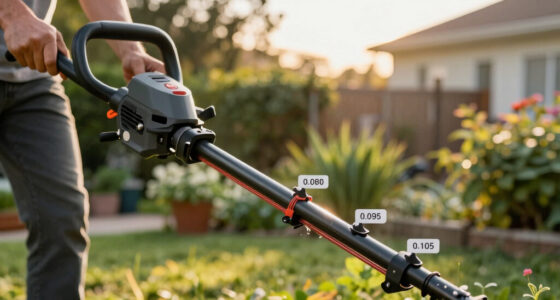
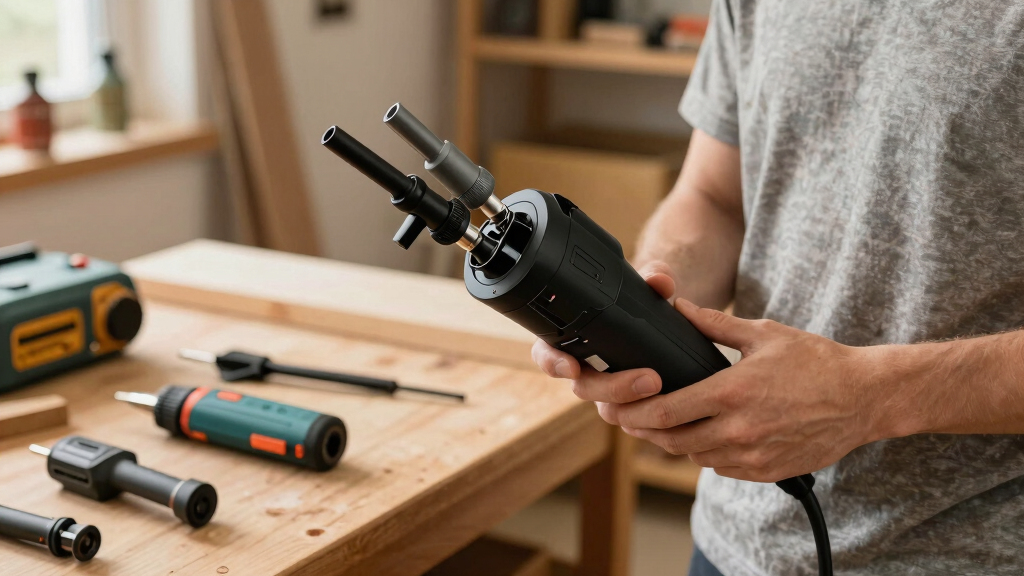
Multi-head trimmer systems pack a punch — one motor, multiple attachments. Think of it like a power drill with different bits, but for yard work. You get a string trimmer, an edger, a brush cutter, and sometimes even a blower, all in one package.
This setup saves space and money. Instead of buying, storing, and maintaining several tools, you invest in a single, versatile powerhead. Perfect for homeowners with a few acres or anyone tired of clutter.
For example, a homeowner with a 0.5-acre lot may only need a few attachments. Switching from trimming hedges to edging the driveway takes seconds, not minutes. It’s about efficiency and reducing the number of tools in your shed.
multi-head string trimmer attachment kit
As an affiliate, we earn on qualifying purchases.
As an affiliate, we earn on qualifying purchases.
How Do These Systems Work? Compatibility and Power Transfer
Multi-head systems hinge on a common interface. Some brands design proprietary connectors, others use universal fittings. The key is secure attachment and reliable power transfer.
Imagine trying to push a bike’s pedal with a loose connection — it wastes effort. High-quality systems lock attachments tightly, ensuring consistent performance.
For instance, EGO’s multi-head system uses a quick-connect interface that snaps attachments in place and transfers power efficiently. But some cheaper brands might have wobbling attachments, reducing cutting precision or causing wear.
Power varies: battery size, motor wattage, and design all matter. A 56V battery on an EGO can run longer and cut tougher branches than a smaller 40V unit. But don’t expect gas horsepower in a battery system.
Understanding how compatibility and power transfer work helps you select a system that performs reliably across different attachments and tasks. Poor connections or incompatible fittings can lead to decreased efficiency, increased wear, or even damage to the motor. Investing in a system with proven, secure attachment mechanisms ensures your tools operate at peak performance, extending their lifespan and maintaining cutting quality.
battery-powered multi-head yard tool system
As an affiliate, we earn on qualifying purchases.
As an affiliate, we earn on qualifying purchases.
What Are the Main Pros and Cons of Multi-Head Systems?
| Pros | Cons |
|---|---|
| Versatility — one unit handles multiple tasks | Often less power than dedicated tools |
| Space-saving and neat storage | Compatibility issues between brands |
| Cost-effective over time | Potential bulkiness with attachments |
| Ease of switching attachments | Initial investment can be high |
For example, a homeowner finds their battery-powered system handles most trimming and edging well enough. But when tackling thick brush, they notice the power falls short compared to a dedicated gas brush cutter. This illustrates a key tradeoff: while multi-head systems excel in convenience and versatility, their power output can be insufficient for heavy-duty jobs, which could lead to frustration or the need for additional tools.
The real implication: if your yard includes tough brush or large-scale clearing, relying solely on a multi-head system might mean you need a dedicated tool anyway. The compromise is that you gain flexibility but may lose efficiency and effectiveness for demanding tasks. Recognizing this helps you plan your toolkit wisely, ensuring you’re equipped for all jobs without over-investing in unnecessary equipment.
gas vs cordless multi-head trimmer
As an affiliate, we earn on qualifying purchases.
As an affiliate, we earn on qualifying purchases.
What Are the Latest Tech Improvements in Multi-Head Systems?
Battery tech is evolving fast. Lithium-ion batteries now last longer — some units offer 45-minute runtime on a single charge. Quick-charging features mean less downtime.
Brushless motors are common now, delivering better efficiency and longer lifespan. They also run quieter and produce less heat.
Attachment design has improved, with quick-release mechanisms and adjustable cutting lengths. Some brands even support modular attachments that can be upgraded or customized later.
Smart features are creeping in: sensors monitor motor health, battery status, and even send maintenance alerts via app. That’s especially handy if you own several systems or want to keep everything in top shape.
Environmental concerns push brands toward quieter, low-emission electric models, especially for residential use.
These technological advancements matter because they directly impact your experience. Longer battery runtimes and quick-charging reduce downtime, making cordless systems more practical for larger projects. Brushless motors provide more power and durability, narrowing the performance gap with gas tools. Improved attachment mechanisms ensure ease of use and longevity, saving you money in the long run. Smart features add convenience by helping you maintain your equipment proactively, avoiding unexpected breakdowns. Overall, these innovations make multi-head systems more competitive and user-friendly, but they still need to be matched with your specific yard needs to maximize value.
universal attachment for multi-head trimmer
As an affiliate, we earn on qualifying purchases.
As an affiliate, we earn on qualifying purchases.
How Do You Pick the Right Multi-Head System for Your Yard?
- Assess your needs: What tasks dominate your yard work? Trimming, edging, brush clearing? Understanding your specific tasks helps determine the required power and attachments, avoiding overspending on unnecessary features.
- Check power source: Battery or gas? Battery systems offer convenience, quieter operation, and less maintenance, but may lack the raw power of gas for heavy-duty jobs. Consider your yard size and the intensity of tasks to decide.
- Battery compatibility matters: Can the batteries swap across tools? Do they last long enough for your typical jobs? Interchangeable batteries across multiple tools can save money and storage space but verify their capacity and runtime for your workload.
- Evaluate attachments: Are they robust? Quick-change? Adjustable? High-quality attachments improve efficiency and safety. Invest in systems with reliable, easy-to-use mechanisms to reduce frustration and downtime.
- Consider brand reputation and support: Will parts be available? How’s the warranty? A trusted brand with good customer support can save you headaches later, especially if repairs are needed.
- Estimate your budget: Upfront costs can be high, but long-term savings from durability and versatility might justify the expense. Balance initial investment with expected lifespan and performance.
For example, a homeowner with a small yard might choose a battery system like Ryobi’s with interchangeable batteries, while a larger property might justify a more powerful gas-powered unit from Husqvarna. Picking the right system means aligning your yard’s needs with your budget and preferences, preventing buyer’s remorse and ensuring your tools work effectively when needed.
Remember: Compatibility and performance should match your workload to avoid frustration or underpowered results. Doing thorough research and considering future needs can help you make a smart investment that pays off in the long run.
Frequently Asked Questions
Are multi-head trimmer systems as powerful as dedicated tools?
Generally, they handle residential and light to medium tasks well. But for heavy-duty jobs like thick brush or large-acreage clearing, dedicated gas tools still outperform most multi-head systems. The key is understanding that power tradeoffs are inherent—these systems prioritize versatility over brute strength. If your yard involves frequent, demanding tasks, relying solely on a multi-head setup might mean you need additional dedicated equipment for efficiency and safety.How do I know if a system’s attachments are compatible?
Most brands design proprietary connectors, so compatibility is usually limited within the same brand. Compatibility matters because using incompatible attachments can lead to poor performance, increased wear, or damage to your tools. Always check manufacturer specifications before buying additional attachments. Consider brands that offer universal or modular systems if you plan to expand your toolkit, as this can provide greater flexibility and future-proofing.Can I add new attachments later?
Many systems support upgrades or additional attachments, but confirm compatibility first. Modular and upgradeable designs are advantageous because they allow you to tailor your system over time without replacing the entire unit. However, incompatible attachments can negate these benefits, so researching the brand’s accessory ecosystem ensures your investments remain functional and cost-effective in the long run.What’s the biggest tradeoff I should expect?
The main tradeoff is power. Multi-head systems tend to be less powerful than dedicated tools, especially in tough conditions like thick brush or large-scale clearing. This can lead to longer job times or even damage if the system is pushed beyond its limits. Additionally, they can be bulkier and more expensive initially, which might impact ease of handling and budget considerations. Balancing these factors against your specific yard needs is crucial for making a smart choice.How long do batteries last, and are replacements costly?
Battery life varies with capacity and usage, but high-capacity lithium-ion batteries typically last 30-45 minutes on a single charge. Replacements generally cost between $50 and $150, depending on capacity and brand. Investing in higher-quality batteries can extend runtime and reduce the frequency of replacements, but it’s important to weigh these costs against the convenience of cordless operation and the demands of your yard work.Conclusion
A well-chosen multi-head system can transform your yard work, saving space and time. But don’t let convenience blind you to its limits. Assess your tasks, compare power options, and pick a system that matches your yard’s demands. When you do, you’ll turn a chore into a simple, satisfying routine.Fall yard work Picks
leaf blowers
As an affiliate, we earn on qualifying purchases.