
TL;DR

Get business pricing on tools and workshop supplies
- Business-only prices and quantity discounts
- Tax-exempt purchasing
- Multiple users, one account, clear invoices
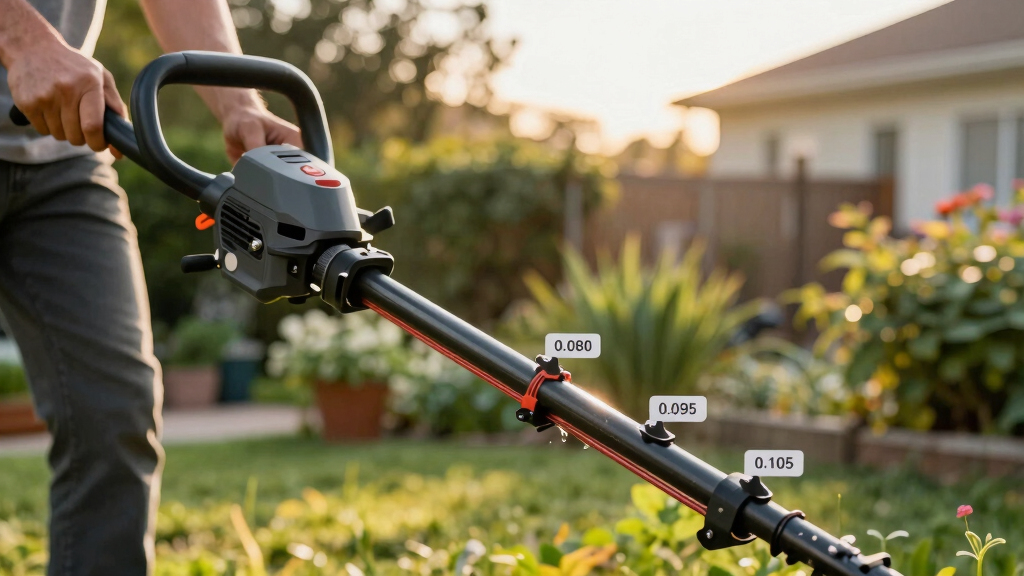
Choosing the right string trimmer line size is key. 0.080 is light-duty, 0.095 balances power and durability, and 0.105 is heavy-duty for tough jobs. Always match your trimmer’s specs for best results.
Picking the right trimmer line size isn’t just about fitting the spool. It’s about how well your trimmer performs, how long it lasts, and how safely you can work. The difference between 0.080, 0.095, and 0.105 inches can be the key to a smooth, trouble-free yard session.
Every homeowner or professional knows the frustration of a line that breaks too soon or doesn’t cut at all. This guide clears up what each size does best, what your trimmer can handle, and how to choose smartly. Let’s cut through the confusion and get straight to the point.
Always match your trimmer’s manual recommendations to avoid engine strain or damage.
0.080-inch lines are perfect for delicate work, but struggle in thick brush.
0.095-inch offers a versatile balance for most yard chores without stressing your equipment.
Thicker 0.105-inch lines are best for heavy-duty clearing but require powerful trimmers.
New materials and shapes boost line durability and cutting efficiency—stay updated.
What Does Each Line Size Mean? How Thickness Changes the Game
Line diameter is the gauge of how thick the string is. Think of it like the width of a paintbrush—thicker brushes cover more area but are harder to control. Similarly, a 0.080-inch line is thin and lightweight, perfect for delicate edging around flower beds or trimming soft grass. A 0.095-inch strikes a balance, handling most yard chores with enough durability. The 0.105-inch line is like a broad brush—built for tough weeds, thick brush, and overgrown patches.
For example, if you’re trimming around your delicate hydrangeas, a 0.080-inch line keeps you from accidentally ripping plants. But if your yard’s overgrown with brambles and stubborn weeds, a 0.105-inch line will chew through the mess faster and last longer.
As an affiliate, we earn on qualifying purchases.
Compatibility: Will Your Trimmer Handle These Line Sizes?
Not every trimmer can handle all three sizes. Check your trimmer’s manual or the existing line spool. Most homeowner-grade models top out at 0.095 inches. The heavier 0.105-inch lines usually demand commercial-grade equipment with a stronger engine or a larger spool.
Using a line larger than your trimmer’s recommended size can strain the motor, cause overheating, or even damage the spool. For example, trying a 0.105-inch line on a basic homeowner trimmer might result in sluggish performance or line jams.
Always verify before you upgrade. Manufacturers list max line diameters for a reason—stick within those limits for safe, reliable operation.
heavy-duty trimmer line 0.105 inch
As an affiliate, we earn on qualifying purchases.
As an affiliate, we earn on qualifying purchases.
Performance Boost or Bottleneck? How Size Affects Cutting Speed
Thicker lines generally cut more aggressively because they have more mass and a larger cutting surface. However, they don’t always cut faster in terms of distance per second. Instead, they cut deeper into dense vegetation and last longer under stress.
For instance, a 0.095-inch line offers a sweet spot—faster than 0.105 for general use but tough enough for most overgrown patches. Meanwhile, a 0.080-inch line is easier to maneuver in tight spots but can struggle with thick weeds or woody stems.
Choosing the right size depends on your yard’s needs. If you’re trimming a manicured lawn, go lighter. For heavy-duty brush clearing, bump up to the thicker line.
As an affiliate, we earn on qualifying purchases.
Durability and Wear: Which Line Lasts Longer?
Thicker lines tend to wear down more slowly because they have more material to resist fraying and breakage. Think of it like a sturdy rope versus a thin thread—the rope endures more pulling without snapping.
For example, if you’re clearing thick brush weekly, a 0.105-inch line might last several sessions before needing replacement. Conversely, 0.080-inch lines may fray and break after just a few uses in tough conditions.
But don’t forget—thicker lines also put more strain on your trimmer’s engine, which can lead to quicker wear if your equipment isn’t rated for that size.
trimmer line replacement for homeowner models
As an affiliate, we earn on qualifying purchases.
As an affiliate, we earn on qualifying purchases.
Latest Innovations in String Line Technology
Recent advances include high-strength nylon composites that resist breaking and environmental degradation. Some lines now feature biodegradable materials—good for the environment but still tough enough for demanding jobs.
Design innovations like star-shaped or twisted profiles improve cutting efficiency and reduce line wear. For example, twisted lines often last longer because they distribute stress evenly, preventing early breakage.
Pre-cut and reload systems make it easier to swap lines quickly, saving time during yard work. These innovations mean you get better performance and less downtime, whether you’re a homeowner or a pro.
Frequently Asked Questions
Can I use a larger line than my trimmer is rated for?
It’s possible, but not recommended. Using a line bigger than what your trimmer’s manual advises can strain the motor, cause overheating, or damage the spool. Always stick within the manufacturer’s specified size for safe operation.
How do I know which size to buy if I’m replacing the line?
Check your existing line or the owner’s manual. Most trimmers specify a compatible range. For general use, 0.095 inches fits most models, but always verify before installing a new spool.
Will a thicker line cut faster than a thin one?
Not necessarily. Thicker lines are more durable and handle tougher vegetation better, but they don’t always cut faster. Control and efficiency depend on the task and your trimmer’s power.
How often should I replace my line?
Replace when it becomes frayed, too short, or breaks during use. Regular inspections during yard work help maintain optimal cutting performance.
Are biodegradable lines worth it?
Yes. They break down faster in the environment and are just as tough for most yard chores. Just verify they’re compatible with your trimmer’s size and power.
Conclusion
Picking the right string line size isn’t just about fitting your trimmer. It’s about matching your yard’s needs with your equipment’s capabilities. Using the correct size keeps your work smooth, safe, and hassle-free—saving time and money in the long run.
Next time you replace your line, remember: bigger isn’t always better, but the right size makes all the difference. Your yard, your trimmer, and your peace of mind will thank you.
Halloween Picks
halloween
As an affiliate, we earn on qualifying purchases.