TL;DR

Get business pricing on tools and workshop supplies
- Business-only prices and quantity discounts
- Tax-exempt purchasing
- Multiple users, one account, clear invoices
Backpack blowers deliver more power and longer runtimes for large areas, but are heavier and pricier. Handheld blowers are lighter, easier to handle for small jobs, and cheaper, but less powerful for heavy debris.
Ever grabbed a leaf blower and wondered if you’re using the right type? The truth is, not all blowers are created equal. Your choice between a backpack or handheld model can make or break your cleanup speed, comfort, and even your wallet.
Whether you’re tackling a tiny yard or a sprawling estate, understanding each blower’s strengths and weaknesses helps you work smarter — not harder. Let’s break down where each one earns its weight, so you pick the best tool for your property.
Match your blower to your yard size: small yards benefit from handhelds, large areas demand backpacks.
Battery tech improvements have made cordless blowers a real alternative—more run time and power, less noise.
Consider noise and environmental impact when choosing—electric options are quieter and greener.
Weight distribution in backpack blowers reduces fatigue during long sessions, but handling comfort varies.
Ongoing maintenance and initial costs vary widely—balance upfront investment with long-term needs.
Where Each One Earns Its Weight
TL;DR: Backpack blowers deliver more power and longer runtimes for large areas, but are heavier and pricier. Handheld blowers are lighter, easier to handle for small jobs, and cheaper, but less powerful for heavy debris.
Your best choice is not just about raw airflow. It is about matching yard size, cleanup frequency, debris weight, noise limits, comfort, and long-term cost to the way you actually work.
Modern lithium-ion battery technology has increased cordless blower run times by over 50% in the last five years, narrowing the gap with gas for many residential tasks.
Yard size decides the winner first.
Small yards, patios, beds, and quick storm cleanup favor handheld blowers. Large lawns, long driveways, and commercial landscapes reward backpack power because they move more air for longer stretches with less arm fatigue.
Under 1/4 acre
A handheld blower is usually enough: fast to grab, simple to store, and nimble around beds, cars, steps, and patio furniture.
1/4 to 1 acre
Choose by debris load. A strong battery handheld works for dry leaves; a backpack makes sense if wet leaves pile up often.
Over 1 acre
Backpack blowers earn their cost by clearing ground faster, sustaining airflow longer, and reducing strain over extended sessions.
Power, comfort, and cost trade places.
Backpacks dominate sustained cleanup. Handhelds win on agility, price, storage, and convenience. The right answer depends on whether your most common job is a quick pass or a long haul.
| Category | Handheld Blower | Backpack Blower | Practical Read |
|---|---|---|---|
| Small jobs | ✓ Excellent | ~ More setup | Handhelds are better for patios, steps, and spot cleanup. |
| Large areas | ✗ Slower | ✓ Strong | Backpacks clear acreage with fewer passes and longer working comfort. |
| Wet debris | ~ Limited | ✓ Better | Higher CFM and MPH help lift matted leaves and heavier material. |
| Maneuverability | ✓ Best | ~ Good once fitted | Handhelds are easier in tight corners; backpacks need harness adjustment. |
| Maintenance | ✓ Low for electric | ~ Higher for gas | Gas adds fuel, oil, spark plugs, and seasonal care. |
Choose by workload, not ego.
A blower that is too small costs time and energy. A blower that is too large costs money and convenience. Follow the cleanup pattern you repeat most often.
Map the area
Small beds and hardscape lean handheld; long lawns and parking edges lean backpack.
Read the debris
Dry leaves need less force. Wet leaves, twigs, and dense piles need more CFM.
Check limits
Noise rules, neighbors, emissions goals, and storage space can favor battery models.
Fit the body
Handhelds stress the arm; backpacks add total weight but spread it across shoulders.
How much air they really move.
CFM measures volume; MPH measures speed. Big cleanup usually needs both, but the most useful machine is the one that has enough force without becoming annoying to carry, hear, or maintain.
Handhelds win agility.
They are lighter, cheaper, easier to start, and better for quick precise work such as patios, flower beds, sidewalks, decks, and narrow paths.
Backpacks win endurance.
They carry more power and spread weight across the shoulders, making them better for long cleanup sessions, large lawns, and heavy seasonal debris.
The smart purchase path.
Use this chain to connect property size, cleanup intensity, comfort, noise, and cost before choosing a blower type.
Where each earns its weight.
Pick a handheld if your work is short, precise, and residential. Pick a backpack if your work is long, wide, debris-heavy, or frequent. Battery options now cover many home tasks with less noise and no operating emissions, while gas still leads for maximum sustained force.
You value grab-and-go cleanup.
Best for small yards, patios, garages, decks, flower beds, and homeowners who want lighter handling and lower upfront cost.
You clear big ground often.
Best for large properties, wet leaves, commercial work, and users who need sustained airflow without arm-heavy fatigue.
You want quieter progress.
Modern lithium-ion blowers offer longer run times, less maintenance, no operating emissions, and enough power for many residential jobs.
Why Your Yard Size Decides the Best Leaf Blower for You
Choosing the right blower starts with the size of your property. Small yards—think 1/4 acre or less—are perfect for a handheld. They’re nimble, light, and quick to grab for quick cleanups after storms or weekend yard work.
On the flip side, large lawns or commercial landscapes—over 1 acre—demand the power and endurance of a backpack blower. These beasts push more air, cover ground faster, and save you hours of work.
Imagine trying to clear 2 acres with a tiny handheld—frustrating, slow, and tiring. Now picture a backpack model humming along, moving debris like a breeze. It’s all about matching tool to territory.
Choosing the right tool for your yard size isn’t just about convenience; it impacts your efficiency and physical effort. Using an underpowered tool on large areas can lead to longer work times, increased fatigue, and even incomplete cleanup. Conversely, over-investing in a powerful blower for a small yard can be unnecessary and costly. The key is understanding the tradeoff between power and maneuverability based on your space.
cordless leaf blower for large yards
As an affiliate, we earn on qualifying purchases.
As an affiliate, we earn on qualifying purchases.
Design and Ergonomics: How They Feel in Your Hands
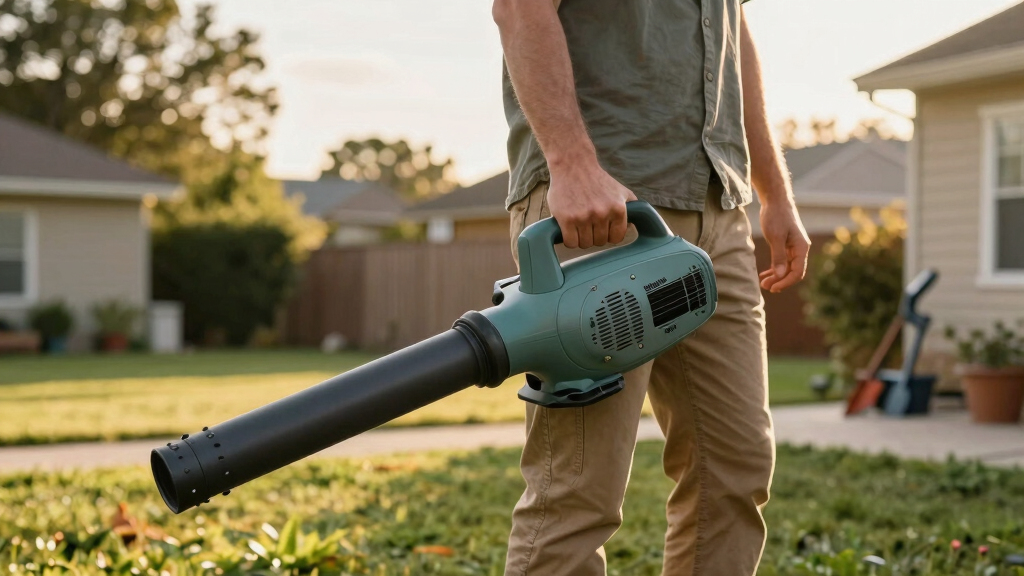
Handheld blowers are like a feather in your hand—compact, lightweight, usually under 10 pounds. They’re easy to maneuver, fit into tight spots, and are perfect for quick jobs or edging flower beds.
Backpack blowers, weighing between 10-25 pounds, distribute weight across your shoulders with padded straps. This design allows you to operate for longer periods without fatigue, which is crucial for large-scale cleanup. However, the weight distribution and the need to wear the unit can initially feel awkward, especially if you’re unaccustomed to it. Proper adjustment and familiarity can significantly improve comfort and reduce strain.
For example, a homeowner clearing leaves in a large yard might prefer a backpack for comfort, while someone tidying up the driveway prefers the agility of a handheld. The ergonomic design directly influences how long and comfortably you can work, impacting overall productivity and physical health.
As an affiliate, we earn on qualifying purchases.
Power, Performance, and How Much Air They Really Move
Power is king when it comes to leaf blowers. Backpack models often produce over 600 CFM (cubic feet per minute) and reach wind speeds of 200+ MPH, making light work of wet, heavy debris. This high airflow and velocity mean you can clear larger areas faster and handle tougher debris, but it also means more noise and typically higher fuel or battery consumption.
Handheld blowers usually hover around 300-500 CFM and 150-200 MPH. While they are less powerful, they are optimized for lighter tasks and smaller spaces. The tradeoff here is between power and portability; a less powerful blower may require more passes or longer work times on heavy debris, but offers greater ease of use and less fatigue.
Understanding these performance differences helps you choose a blower that matches your typical tasks. For instance, a commercial landscaper needs high airflow to maintain large properties efficiently, while a homeowner might prioritize ease of handling for occasional yard work. Recognizing the performance tradeoffs ensures you select a tool that balances power with practicality, avoiding overkill or underperformance.
battery-powered backpack leaf blower
As an affiliate, we earn on qualifying purchases.
As an affiliate, we earn on qualifying purchases.
Noise and Environmental Impact: Quiet or Loud?
Gas-powered blowers are loud—often hitting 70-75 dB—requiring hearing protection and contributing to noise pollution. This can be disruptive to neighbors and may be restricted in noise-sensitive areas, limiting when and how you can use them.
Electric and battery models are much quieter, often below 65 dB, making them neighbor-friendly and suitable for noise-restricted areas. Quieter operation not only reduces disturbance but also makes the work experience more comfortable for the user, especially during long sessions.
Plus, electric options produce no emissions during operation, helping you stay eco-conscious while cleaning. This environmental benefit can influence your choice, especially if you’re committed to sustainable practices or live in communities with strict noise and pollution regulations.
electric leaf blower for small yards
As an affiliate, we earn on qualifying purchases.
As an affiliate, we earn on qualifying purchases.
Ease of Use and Maneuverability: Quick Jobs vs Long Hauls
Handheld blowers excel at quick, precise work—blowing dust off patios or clearing small beds—thanks to their light weight and easy handling. They are ideal for spot tasks where maneuverability and speed are essential.
Backpack blowers shine when you need to cover acres—less fatigue, more efficiency—though they take a few minutes longer to strap on and get started. Their design allows you to work longer without discomfort, making them better suited for extensive projects.
Imagine clearing dry leaves from a parking lot; a backpack blower can do it faster over time because you can sustain the effort longer. Conversely, a handheld is better for targeted, quick jobs or narrow pathways where agility matters most. Recognizing these differences helps you choose a blower that aligns with your typical workload, maximizing efficiency and reducing fatigue.
Cost, Maintenance, and Long-Term Value
Backpack blowers tend to cost between $300-$700, reflecting their power and durability. They also require more maintenance—fuel, oil, spark plugs—especially if gas-powered. This ongoing upkeep can add to the total cost of ownership and downtime if repairs are needed.
Electric models are cheaper upfront—$100-$300—and need minimal ongoing care, just occasional cleaning and battery care. They tend to have fewer moving parts, reducing the likelihood of mechanical issues and simplifying maintenance routines.
Think about it: a gas backpack can last for years with proper maintenance but costs more to keep running due to fuel, oil, and parts replacement. An electric might be cheaper over its lifetime, especially with battery replacements every few years, but may require investment in a new battery eventually. Balancing initial costs with long-term expenses helps you choose a model that provides the best value over time.
Latest Trends and Tech in Leaf Blowers
Battery tech has surged forward, giving cordless blowers longer run times—up to 60 minutes on a single charge—making them more comparable to gas units. This progress reduces the need for multiple batteries or extended downtime, allowing for more efficient work sessions.
Manufacturers are designing quieter, lighter blowers with carbon fiber parts, plus hybrid models that switch between electric and gas power. These innovations aim to improve user comfort, reduce environmental impact, and increase versatility.
High-end models now include variable speed controls and ergonomic grips, turning a simple tool into a smart device. These features give users more control, improve efficiency, and can extend the lifespan of the equipment by reducing unnecessary strain.
Performance Numbers That Matter for Your Yard
| Feature | Handheld Blower | Backpack Blower |
|---|---|---|
| CFM Range | 300-500 | 600-900+ |
| Max MPH | 150-200 | 200+ |
| Weight | 5-10 lbs | 10-25 lbs (distributed) |
| Noise (dB) | Below 65 | 70-75 |
Your Most Common Questions Answered
- Which blower fits my yard size? Small yards: handheld is perfect. Large yards: backpack saves time and effort.
- Are battery blowers powerful enough? Yes, recent lithium-ion tech offers competitive airflow and MPH for most residential tasks.
- How noisy are electric vs gas? Electric is much quieter—great for noise-sensitive areas—while gas blowers are louder and require hearing protection.
- What’s easier to maintain? Electric models need less upkeep—no oil, spark plugs, or fuel—making them more straightforward long-term.
- Which is greener? Electric and battery blowers produce no emissions during operation, unlike gas units.
Conclusion
The right leaf blower isn’t just about raw power—it’s about matching the tool to your yard, your workload, and your comfort. Investing in the right type saves time, reduces fatigue, and keeps your property looking sharp.
Next time you reach for that blower, ask yourself: is this the best tool for the job? Sometimes, a smaller, nimble handheld is all you need—sometimes, a backpack is the true workhorse. Choose wisely, and your yard will thank you.
Halloween Picks
halloween
As an affiliate, we earn on qualifying purchases.