
TL;DR
Listen free for 30 days with Audible
Thousands of audiobooks and originals — cancel anytime.
Start your free trialAs an affiliate, we earn on qualifying purchases.
Battery chainsaws now handle medium tasks well, with longer run times and less fuss. Gas models still lead for heavy-duty, large-scale firewood work. The choice depends on your workload, budget, and environment.
If you’re tired of dragging a heavy gas chainsaw through the woods or fighting with a noisy, smoky monster, you’re not alone. The debate between battery and gas chainsaws for firewood has heated up in recent years, thanks to rapid advances in battery tech. But how do they really stack up when it comes to cutting count, performance, and cost?
Most folks want a chainsaw that balances power, convenience, and value. You’ll find die-hard fans on both sides—those swearing by the raw grunt of gas and others loving the quiet, no-fuss simplicity of batteries. The trick is understanding the real numbers behind the cut—what your chainsaw can actually handle in a day’s work, based on how many logs it slices and how long it runs before needing a recharge or refill.
Battery chainsaws excel in ease of use, light weight, and minimal maintenance, perfect for quick, small to medium jobs.
Gas chainsaws still dominate for heavy-duty, large-diameter firewood, thanks to longer runtime and raw power.
A high-capacity battery can handle 50–100 cuts per charge, similar to hours of gas work, if logs are within its power range.
Upfront costs are higher for batteries, but operational savings and low environmental impact make them attractive for small-scale use.
Choose based on your workload: quick, quiet sessions or long, heavy-duty firewood processing.
Power & Performance: Can a Battery Keep Up With Gas?
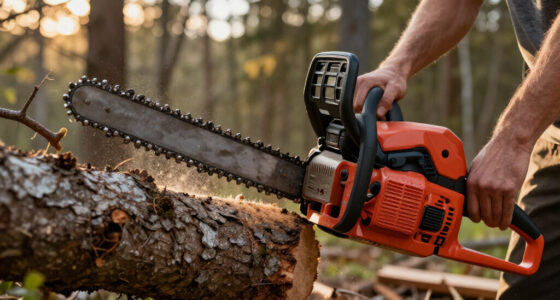
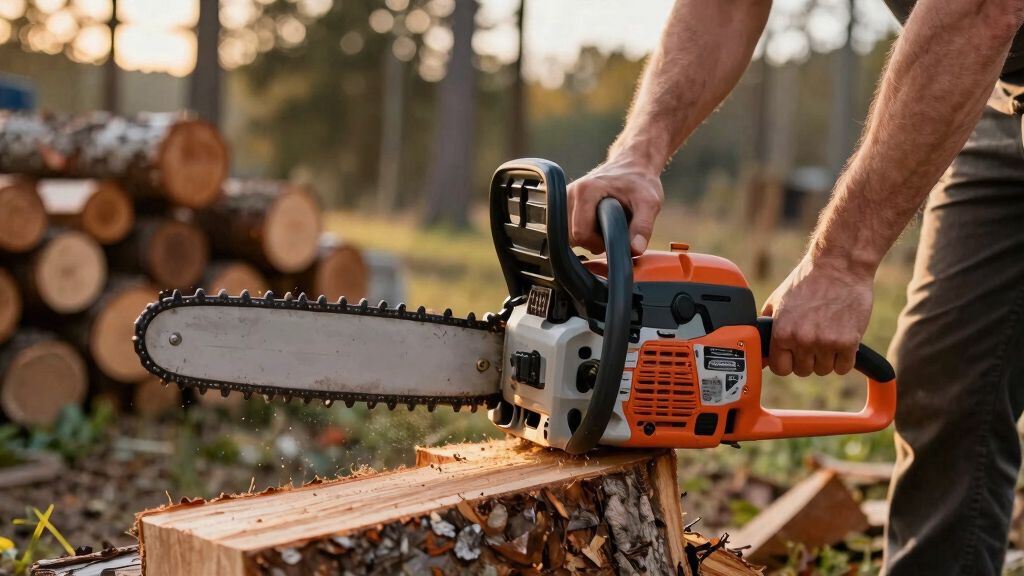
Battery chainsaws have come a long way, but gas still reigns supreme for raw power. Gas engines deliver consistent, high RPMs and torque, making them perfect for heavy, knotty logs or large diameter firewood. For example, a 50cc gas chainsaw can cut through a 16-inch oak log in under a minute.
Battery models now boast high-capacity lithium-ion packs that can handle logs up to 12 inches in diameter. A typical 4 Ah battery might cut 30-50 medium logs (around 6-8 inches thick) before needing a recharge. For smaller, quick jobs—like splitting a cord or two—battery chainsaws often match or surpass gas in ease and speed.
Real-world scenario: You’re stacking firewood in your backyard—battery tools let you finish a batch of 20 logs in an hour without gas fumes or engine noise. But if you’re processing a whole pile, gas still keeps going longer, with fewer interruptions.
Why does this matter? The distinction between power and endurance affects how you plan your workday. If your task involves quick, light cuts, batteries are more convenient. But for larger, continuous jobs, the consistent power of gas minimizes downtime and increases productivity, though at the cost of noise and fumes.
As an affiliate, we earn on qualifying purchases.
Ease & Maintenance: Which Tool Keeps You Smiling?
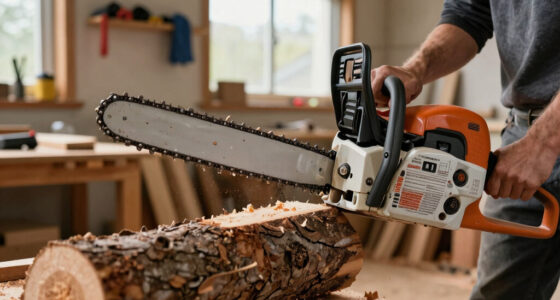
Battery chainsaws start with a push of a button—no pull cords, no choke, no fuss. They’re lighter, often 8-12 pounds, making them less fatiguing on your arms after a long day. Maintenance? Minimal. Just keep the battery charged, clean the chain, and you’re good.
Gas models require more TLC: mixing fuel, changing oil, cleaning spark plugs, and dealing with emissions. They can weigh 12-15 pounds or more, which adds fatigue. Plus, their engines vibrate and roar—a real wake-up call for your neighbors.
For example, I’ve seen guys do a full day of firewood with a battery saw—no engine oil, no fumes, just quick swaps of batteries. It’s a different world from the smoky, noisy gas chainsaw that takes 10 minutes to warm up and needs constant refueling.
Understanding this difference is crucial because it impacts your daily workflow. The low-maintenance nature of batteries means less time fixing or tuning, which is especially important for casual or hobbyist users. Conversely, if you’re doing large-scale or commercial work, investing in a gas saw’s durability and power might be justified despite the extra upkeep.
As an affiliate, we earn on qualifying purchases.
Cut-Count Math: How Many Logs Can Each Handle?
| Feature | Battery Chainsaw | Gas Chainsaw |
|---|---|---|
| Battery Capacity | 4–6 Ah typical; 50–100 cuts per charge | Fuel tank around 12–16 oz; run time 1–2 hours |
| Logs per Full Charge/Tank | 30–50 medium logs (6-8 inches diameter) | 100+ logs or hours of cutting; depends on log size |
| Efficiency Factors | Log size, chain sharpness, battery quality | Log size, engine condition, fuel quality |
Imagine you’re splitting a cord of firewood. A high-capacity battery might let you make 100 cuts of 8-inch logs before a recharge. Meanwhile, a gas chainsaw can run for hours, handling dozens of logs, but with refueling breaks.
Why does this matter? Because understanding these numbers helps you plan your work more accurately. For instance, if you’re a homeowner splitting firewood on weekends, knowing that your battery can handle around 50 logs guides how many batteries you might need. For professional use, the longer runtime of gas means fewer interruptions, which can translate into higher daily productivity. The tradeoff? The convenience and cleanliness of batteries versus the endurance of gas.
high capacity lithium-ion chainsaw battery
As an affiliate, we earn on qualifying purchases.
As an affiliate, we earn on qualifying purchases.
Cost & Environmental Impact: What’s the Real Price?
Initial cost? Battery chainsaws tend to be pricier upfront—$200 to $500—plus batteries that cost $50–$150 each. Gas chainsaws are generally cheaper to buy, around $150–$300, but ongoing fuel and maintenance add up.
Over time, a gas chainsaw might cost more in fuel and repairs. A battery system’s expenses are mostly upfront, but batteries will need replacing after about 3-5 years, depending on use.
Why does this matter? The upfront investment influences your decision, especially if you’re budget-conscious. But beyond initial costs, the long-term expenses and environmental effects are crucial. Gas engines emit pollutants, which can impact local air quality and contribute to climate change, whereas battery systems produce zero emissions during operation, making them more eco-friendly. This is particularly relevant if you’re environmentally conscious or live in areas with strict emissions regulations.
For example, a small firewood business might see higher initial costs with batteries but save on fuel and repairs over time. Plus, the quieter operation can benefit community relations and reduce noise pollution. The tradeoff is that batteries require replacement after several years, adding to the long-term costs. Understanding these implications helps you make a more sustainable and financially sound choice.
As an affiliate, we earn on qualifying purchases.
Frequently Asked Questions
How long does a typical battery last during firewood processing?
A high-capacity 4 Ah battery can handle roughly 30–50 medium-sized logs before needing a recharge. Actual runtime depends on log size, chain sharpness, and saw efficiency, but most users find it enough for a few hours of steady work.
Can battery chainsaws handle large logs or heavy-duty tasks?
Battery chainsaws are improving rapidly, but they still struggle with very large or knotty logs over 12 inches in diameter. For heavy-duty, continuous work—like splitting large, dense firewood—gas remains the more reliable choice. The tradeoff involves balancing convenience with raw power; batteries excel in portability and quick use, but for sustained, demanding tasks, gas offers unmatched endurance, albeit with more noise and maintenance.
What are the total costs of ownership for each type?
Battery chainsaws have higher upfront costs but lower ongoing expenses—no fuel, less maintenance. Gas models are cheaper initially but cost more over time in fuel, oil, and repairs. The decision hinges on your work volume; if you’re a casual user, the convenience of batteries may outweigh the higher initial investment. For heavy, frequent use, the durability and lower operational costs of gas might be more economical in the long run.
Are battery chainsaws as reliable and durable as gas models?
Modern battery chainsaws are built with quality components and can last several seasons with proper care. However, they generally don’t match the endurance of gas engines for continuous, heavy-duty work over many years. The tradeoff involves convenience and low maintenance versus raw longevity and power. For occasional or medium-use, batteries provide a dependable, clean option; for demanding, long-term projects, gas engines are still the gold standard.
Conclusion
For most firewood collectors, it’s a question of scale and convenience. If you process small batches regularly, a battery chainsaw offers quick, clean, and simple operation. But for bigger jobs—stacking a pile of seasoned logs—you’ll likely prefer the dependability and stamina of a gas model.
Remember, understanding the cut-count math isn’t just about numbers—it’s about matching your tool to your work and environment. When you pick the right saw, every log becomes a satisfying slice of your property’s story.
Flea & tick season Picks
flea and tick prevention
As an affiliate, we earn on qualifying purchases.