
TL;DR

Get business pricing on tools and workshop supplies
- Business-only prices and quantity discounts
- Tax-exempt purchasing
- Multiple users, one account, clear invoices
Oil soaks into concrete’s pores within minutes, so removal takes the right degreaser — alkaline for fresh stains, poultice or enzymatic products for old ones — plus real dwell time with the surface kept wet. Fresh stains often vanish completely; years-old stains usually lighten rather than disappear, and pressure washing alone just drives the oil deeper.
That fist-sized black blotch where your truck drips every night? It is not dirt. It is a liquid that has already crawled several millimeters deep into your slab, and it has no plans to leave on its own.
Here is the good news: most oil stains on concrete can be lightened dramatically, and fresh ones often come out completely. The catch is that success depends on three things most people get wrong — the chemistry of your degreaser, how long you let it work, and what you count as a win.
This guide walks you through all three. You will learn why oil behaves differently from every other stain on your driveway, how to match a cleaner to the age of the stain, and the exact dwell times that separate a clean slab from a wasted Saturday. No miracle promises. Just what actually works, from years of scrubbing driveways, garage floors, and parking pads.
Fresh oil stains respond well to an alkaline degreaser with a 5–30 minute dwell; old, deep stains need a poultice or enzymatic product that works inside the po…
Keep the degreaser wet for its full dwell time, agitate with a stiff brush, and always apply to a dry slab — these three habits matter more than which brand yo…
Pressure washing alone does not remove oil stains; it smears the film and drives oil deeper into the concrete’s capillary pores.
Define success honestly: fresh stains often disappear, but years-old stains lighten to a faint shadow and may wick back for weeks before they quit.
Never send oily runoff to a storm drain — contain it with absorbents and dispose of it per local hazardous-waste rules, then seal the slab with a silane/siloxa…
Oil Stains on Concrete: Degreasers, Dwell Time & Realistic Expectations
That fist-sized black blotch is not dirt — it is a liquid that has already crawled several millimeters deep into your slab. Most stains can be lightened dramatically, and fresh ones often vanish completely. Success depends on three things most people get wrong: the chemistry, the dwell time, and what you count as a win.
“The stain you see is not the stain you have. Residual oil migrates upward for weeks.”
The wicking effect · most misunderstood factWhy Oil Stains Fight Back So Hard
The slab you think of as solid is built like a hard sponge — and oil treats it that way. Three mechanisms make these stains unlike anything else on your driveway.
A Hard Sponge
Concrete is typically 10–20% void space. Fresh motor oil wicks several millimeters deep within minutes, pulled in by capillary action — no pressure required.
It Never Evaporates
Water evaporates. Coffee dries. Oil slowly oxidizes and polymerizes, thickening and bonding tighter to pore walls over time. Age is the single biggest removal variable.
The Ghost Returns
You scrub the surface clean — then a gray shadow bleeds back up days or weeks later as residual oil migrates upward with temperature swings. One round rarely reaches all of it.
Match the Degreaser to the Stain
Two questions decide your product: how old is the stain, and how deep has the oil traveled? Think of it like laundry — you would not treat a fresh salad-dressing splash and a year-old grease spot the same way.
| Degreaser Type | How It Works | Best For | Typical Dwell | Deep Stains | Watch-Outs |
|---|---|---|---|---|---|
| AlkalineSodium hydroxide · metasilicates | Emulsifies oil so it rinses away | Fresh stains, light surface film | 5–30 min | ✗ weak | Needs agitation; weak on deep stains |
| Solventd-limonene · glycol ethers | Dissolves oil directly | Thicker deposits, grease buildup | 10–30 min | ~ moderate | VOCs, ventilation, disposal rules |
| Enzymatic / MicrobialBacteria cultures | Microbes digest hydrocarbons | Deep contamination, eco-sensitive sites | Days–weeks | ✓ strong · slow | Cold weather stalls it; patience required |
| PoulticeSolvent + absorbent powder | Pulls oil out of pores as it dries | Old, deep, set-in stains | Hours–overnight | ✓ best DIY option | Multiple rounds often needed |
Dwell Time: Where Most DIY Jobs Fall Apart
The chemistry works like a slow cooker, not a microwave. Rinse early and you have just given your driveway a scented bath.
Keep It Wet
Dried degreaser stops working. Cover with plastic sheeting or re-mist on hot, windy days.
Apply to a Dry Slab
A wet surface dilutes the product before it ever meets the oil.
Agitate Hard
A stiff-bristle brush breaks the oil film so chemistry can reach the pores. Elbow grease is part of the recipe.
Mind the Thermometer
Cold slows chemical and biological action. Aim for a warm, mild day — not scorching.
Your Step-by-Step Removal Plan
The same order whether the stain is fresh or fossilized — on driveways, garage floors, and parking pads.
Absorb First
On fresh spills, grind in kitty litter or diatomaceous earth; give it hours. Bin per local waste rules.
Start Dry
Sweep and let the slab dry fully — degreaser on wet concrete gets diluted on arrival.
Apply Generously
Follow the label’s dilution rate; full-strength is usually right for old stains.
Cover & Dwell
Plastic sheeting or re-misting keeps product active — 5–30 min alkaline, overnight for a poultice.
Scrub Hard
A gray, milky slurry under the brush means the emulsifier is winning. Keep going.
Contain, Repeat, Seal
Capture runoff with absorbents, repeat cycles as needed, then seal with silane/siloxane.
Realistic Expectations by Stain Age
Honest framing beats miracle promises. Here is what a “win” actually looks like at each stage.
From Spill to Sealed Slab
Never send oily runoff to a storm drain — it is illegal in many jurisdictions (US Clean Water Act and similar rules elsewhere). Contain with absorbents and dispose per local hazardous-waste rules.
✗ Muriatic Acid
Etches concrete without removing oil — a common bad recommendation. Skip it.
✗ Pressure Washer Alone
3,000 PSI without degreaser spreads the film and drives oil deeper into capillary pores.
✗ Home Remedies on Deep Stains
Cola, dish soap, and baking soda work on light surface film only — set expectations accordingly.
Why Oil Stains on Concrete Fight Back So Hard
Oil stains on concrete are stubborn because concrete is porous — typically 10–20% empty pore space — and capillary action pulls fresh oil into those pores within minutes of contact [1]. The slab you think of as solid is built like a hard sponge, and oil treats it that way.
Here is where oil is chemically different from almost everything else you spill. Water evaporates. Coffee dries. Oil does neither — it slowly oxidizes and polymerizes, thickening and bonding tighter to the pore walls over time. That is why the age of the stain is the single biggest variable in whether you can remove it. A drip from last night sits near the surface. A drip from last summer has moved in and redecorated.
And then there is the phenomenon that frustrates homeowners most: wicking. You scrub the surface clean, admire your work, and a week later a gray ghost of the stain bleeds back up from the pores below. The stain you see is not the stain you have. Residual oil migrates upward as temperatures swing, and one round of cleaning rarely reaches all of it.
It is no surprise these stains are among the most searched concrete maintenance problems online. Readers care because oil is chemically stubborn, visually obvious, and usually sitting right where visitors park. The fix starts with understanding what you are actually fighting — not a surface smudge, but a liquid guest living inside the slab.
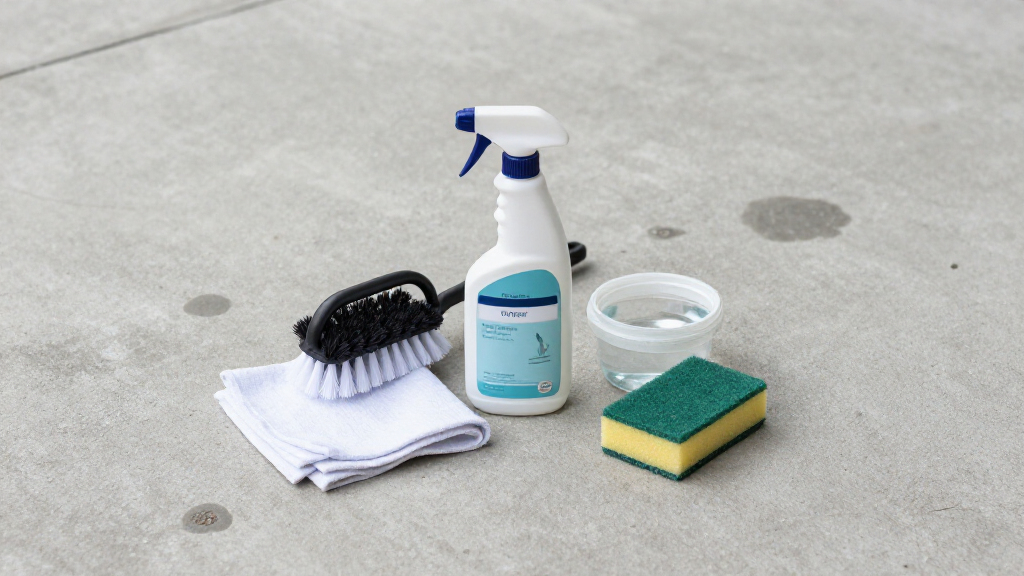
concrete oil stain remover degreaser
As an affiliate, we earn on qualifying purchases.
As an affiliate, we earn on qualifying purchases.
Match the Degreaser to Your Stain — Here’s Your Cheat Sheet
The right degreaser for oil stains on concrete depends on two things: how old the stain is and how deep the oil has traveled. Fresh, shallow stains respond to alkaline cleaners. Old, deep stains call for poultices or microbial products that work inside the pores.
| Degreaser type | How it works | Best for | Typical dwell | Watch-outs |
|---|---|---|---|---|
| Alkaline (sodium hydroxide, metasilicates) | Emulsifies oil so it rinses away | Fresh stains, light surface film | 5–30 minutes | Weak on deep stains; needs agitation |
| Solvent (d-limonene, glycol ethers) | Dissolves oil directly | Thicker deposits, grease buildup | 10–30 minutes | VOCs, ventilation, disposal rules |
| Enzymatic / microbial | Bacteria digest hydrocarbons | Deep contamination, eco-sensitive sites | Days to weeks | Slow; cold weather stalls it |
| Poultice (solvent + absorbent powder) | Pulls oil out of pores as it dries | Old, deep, set-in stains | Hours to overnight | Multiple rounds often needed |
Think of it like laundry. You would not treat a fresh salad-dressing splash and a year-old workshirt grease spot the same way. Same logic on the slab. According to Outdoor Pro Masters field experience, the most common DIY mistake is reaching for a basic alkaline degreaser on a stain that has been curing for six months — the chemistry never stood a chance.
One practical note: retail poultice pastes have gotten genuinely good in recent years, and low-VOC bio-solvents like soy methyl ester blends now replace harsher petroleum distillates in many regions. If your stain predates your last oil change by a year, skip the spray bottle and go straight to a poultice.
As an affiliate, we earn on qualifying purchases.
Dwell Time and Patience: Where Most DIY Jobs Fall Apart
Dwell time is the window a degreaser sits on the stain doing its work before you scrub or rinse, and ignoring it is the number one reason DIY oil removal fails. Alkaline products need 5–30 minutes per the label, poultices need hours to overnight, and enzymatic cleaners need days to weeks [1]. Rinse early and you have just given your driveway a scented bath.
Dwell time and patience beat brute force every time. The chemistry works like a slow cooker, not a microwave — emulsifiers need minutes to wrap around oil molecules, solvents need time to creep into pores, and bacteria need actual days to digest hydrocarbons. I once watched a homeowner spray a quality degreaser, wait ninety seconds, and blast it off with 3,000 PSI. The stain laughed. Same product, same stain, a 20-minute dwell the next weekend — and the blotch faded by half.
- Keep it wet. Dried degreaser stops working. Cover the area with plastic sheeting or re-mist every few minutes on hot, windy days.
- Apply to a dry surface. A wet slab dilutes the product before it ever meets the oil.
- Agitate. A stiff-bristle brush breaks the oil film so the chemistry can reach the pores. Elbow grease is part of the recipe.
- Mind the thermometer. Cold slows chemical and biological action. Aim for a mild day — warm, not scorching — for the best reaction rates.
Follow those four rules and even a mid-shelf degreaser performs like a professional product. Skip them, and the premium stuff fails too.
As an affiliate, we earn on qualifying purchases.
Your Step-by-Step Plan for Removing an Oil Stain
Here is the exact field sequence that works on driveways, garage floors, and parking pads — the same order whether the stain is fresh or fossilized.
- Absorb first. On fresh spills, pile on kitty litter or diatomaceous earth, grind it in with your boot, and give it a few hours to pull up what it can. Sweep and bin it per local waste rules.
- Start dry. Sweep the area and let the slab dry fully. Degreaser applied to wet concrete gets diluted on arrival.
- Apply the degreaser generously. Follow the label’s dilution rate — stronger is not always better, but full-strength is usually right for old stains.
- Cover and dwell. Plastic sheeting or regular re-misting keeps the product active for the full 5–30 minutes on alkaline products, or overnight for a poultice.
- Scrub hard. A stiff-bristle brush and real elbow grease break the oil film. A gray, milky slurry forming under the brush means the emulsifier is winning.
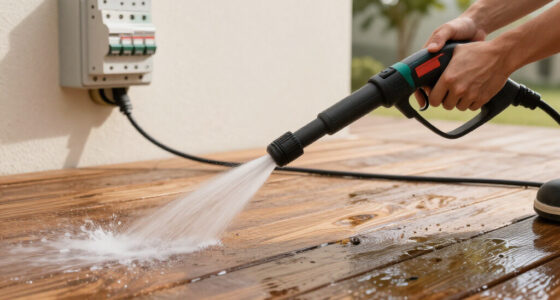
- Rinse with restraint. A 25-degree tip at 1,800–2,500 PSI flushes residue without etching the cream coat. An electric unit handles this fine; a gas machine is faster but demands a lighter touch. Contain the runoff with absorbent socks or a wet vac.
- Judge it dry, then repeat. Concrete looks darker wet, so wait until it dries to grade your work. Still see a shadow? Run another round, or step up to a poultice for the deep stuff.
One scenario worth planning for: if you are cleaning a garage floor before epoxy or paint, residual oil is a coating killer — it breaks adhesion and peels your new floor in sheets. Degrease, rinse, let the slab dry for at least 24–48 hours, and do a water-bead test before any coating goes down. Oil hiding in pores will sabotage a $500 epoxy job faster than any other prep mistake.
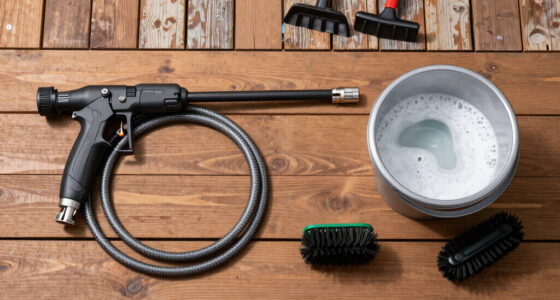
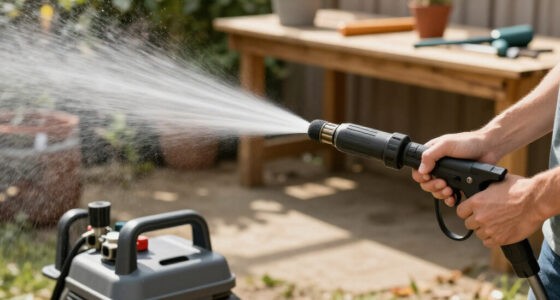
pressure washer for concrete cleaning
As an affiliate, we earn on qualifying purchases.
As an affiliate, we earn on qualifying purchases.
What ‘Clean’ Actually Looks Like on an Old Stain
Realistic expectations for oil stains on concrete come down to stain age: fresh stains a few hours old often come out almost completely, stains weeks to months old usually lighten with a faint shadow left behind, and years-old saturation rarely disappears without mechanical removal [1]. Set your finish line before you start scrubbing.
Think in three honest tiers. Tier one: last week’s drip under the Camry — near-total removal, maybe a faint outline in certain light. Tier two: the three-month-old leak spot — expect 60–80% improvement per round, with a shadow that keeps wicking back for weeks before it finally quits. Tier three: the spot under a car that leaked for three years — no chemical on the shelf erases that, and anyone selling you one is lying.
On an old stain, success means lightened to nearly invisible — not like it never happened. Chase ‘like it never happened’ and you will burn a weekend, etch your slab, and still lose.
Two traps deserve special mention. Pressure washing alone does not remove oil. Without a degreaser, the wand just smears the film thinner and forces it deeper into the pores — the stain looks lighter for a day, then returns broader and fainter, like a bruise spreading. And home remedies — Coke, baking soda, straight dish soap — handle light surface film but do nothing for oil living millimeters down. Fine for a fresh dribble from the lawnmower. Useless on the spot where the old pickup parked all winter.
When a tier-three stain stops improving after two or three poultice rounds, stop throwing chemistry at it. The pro moves are grinding the top layer, a thin overlay, or disguising the area with stain or paint. There is no shame in covering a scar you cannot remove — just degrease first so whatever you apply actually sticks.
Keep Your Runoff Legal and the Next Stain From Sticking
No — you cannot legally wash oily runoff into the street or storm drain. In the US, discharging oil-laden wash water violates the Clean Water Act, and most other countries have equivalent rules with real fines attached [2]. That rainbow sheen curling toward the gutter feeds straight into creeks and rivers, untreated.
Handling runoff like a pro is simpler than it sounds:
- Contain it. Surround the work zone with absorbent socks or berms before you rinse.
- Collect it. A wet vac pulls the emulsified slurry off the slab; pros run hot-water rigs with vacuum recovery for exactly this reason.
- Dispose of it right. Oil-soaked absorbents and collected wash water go to hazardous-waste disposal per your local rules — not the storm drain, not the lawn.
Protect yourself too. Gloves and eye protection are baseline for alkaline degreasers — sodium hydroxide burns skin quietly before it hurts. Solvent products need ventilation; using them in a closed garage is how a cleaning job turns into a headache, literally. And skip the two chemicals everyone wrongly recommends: muriatic acid etches concrete without touching oil, and bleach does nothing for hydrocarbons either. Both just add new problems.
The smartest oil-stain strategy is the one you run before the oil hits. A penetrating silane/siloxane sealer lines the pores so drips bead up instead of soaking in — future stains wipe off with a rag instead of demanding a Saturday. Pair that with a drip pan under the known leaker, and your driveway stays the color concrete is supposed to be.
Frequently Asked Questions
Does pressure washing alone remove oil stains?
No. Without a degreaser, high-pressure water smears the oil film thinner and pushes it deeper into the concrete’s pores. The stain may look lighter for a day or two, then wick back broader and fainter. Always apply a degreaser first and let it dwell before any rinsing.
Why did my oil stain come back a week after I cleaned it?
That is wicking: residual oil sitting several millimeters down in the pores migrates back to the surface as temperatures change. It is the most common and most misunderstood part of oil removal. Run another degreaser round, or switch to a poultice that pulls oil out of the pores as it dries.
Do home remedies like kitty litter, Coke, or dish soap actually work?
Partly. Kitty litter and baking soda are solid first aid for fresh spills — they absorb surface oil before it soaks in. Coke and dish soap can lift a light surface film. None of them reach oil that has already wicked deep into the slab, so old stains need a real degreaser or poultice.
Should I use muriatic acid or bleach on an oil stain?
Neither. Muriatic acid etches the concrete surface without dissolving oil, leaving you with a rough, damaged slab and the same stain. Bleach does nothing to hydrocarbons. Both add problems without solving yours — stick with an alkaline degreaser, solvent, poultice, or enzymatic product.
How long does an enzymatic cleaner take to work?
Days to weeks. The bacteria in these products literally digest hydrocarbons, and biology does not hurry — especially in cold weather, which slows or stalls the process. The payoff is deep-pore cleanup with minimal environmental impact, which makes enzymes a favorite for eco-sensitive sites and old contamination.
Will sealing my concrete prevent future oil stains?
A penetrating silane/siloxane sealer lines the pores so oil beads on the surface instead of soaking in, turning most future drips into a wipe-up job. It is the single best prevention step. Clean and fully dry the slab first — sealing over oil locks the stain in and wrecks adhesion.
Conclusion
Remember the three-part formula: match the chemistry to the stain’s age, respect the dwell time — keep it wet, agitate, be patient — and define victory honestly. Fresh drip? You will probably erase it. Old shadow? Lighten it, repeat, then seal the slab so the next leak never gets a foothold.
Your driveway did not get stained in a day, and the deep ones will not surrender in one. But a stiff brush, the right jug of degreaser, and one patient afternoon will put you closer to clean than any miracle spray on the shelf. Now go look at that blotch — you know exactly what it is, and exactly what to do about it.
Fall Picks
fall essentials
As an affiliate, we earn on qualifying purchases.