TL;DR

Get business pricing on tools and workshop supplies
- Business-only prices and quantity discounts
- Tax-exempt purchasing
- Multiple users, one account, clear invoices
Multi-head power systems pair one engine or battery with interchangeable attachments, saving space and money. But only a handful of attachments truly earn their spot on small acreage—mainly string trimmers, pole saws, and hedge trimmers. Choosing wisely depends on your property’s recurring chores and avoiding unnecessary gadgets.
Many small acreage owners overlook the power of multi-head systems, assuming they’re just fancy gadgets. The truth? When matched to your chores, they can replace entire tool sheds.
But not every attachment earns its slot. Some are worth the space and investment; others are clutter. This guide cuts through the hype, helping you choose attachments that pay off in real time, effort, and storage.
Focus on attachments that solve recurring chores—string trimmers, pole saws, hedge trimmers—these earn their spot on small acreage.
Battery platforms dominate now—offering enough runtime and torque for most tasks, with less fuss and fumes than gas.
Don’t buy into every attachment—be selective based on your property’s needs; avoid clutter and unnecessary expense.
Match your tools to your chores: use a cultivator for garden beds, not for breaking new ground; use a blower for leaves, not dusting shelves.
Factor in the full cost, including batteries and chargers, to understand the true value of a multi-head system versus dedicated tools.
What Attachments Actually Earn Their Spot on Small Acreage?
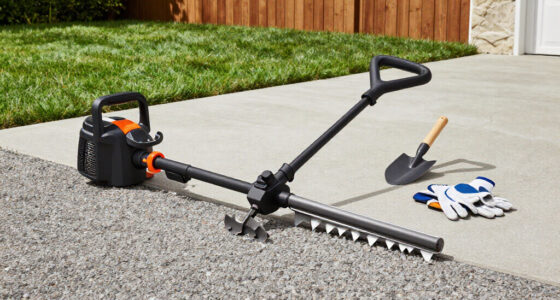
A few key attachments make a real difference—if you use them regularly. The anchor is always the string trimmer or brush cutter, which tackles tall grass, blackberry, and saplings. The pole saw is a close second, cutting overhead limbs safely from the ground.
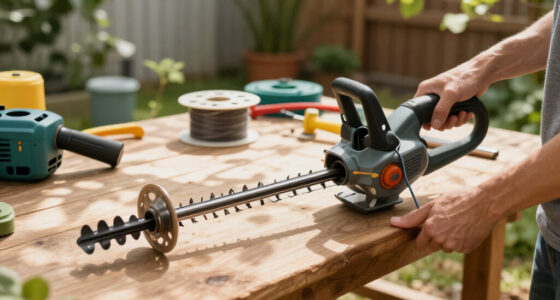
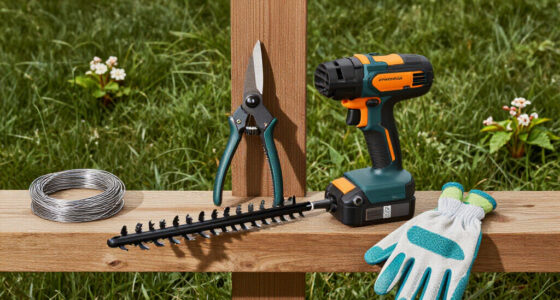
Hedge trimmers earn their place mainly for privacy hedges or tall shrubs, saving the hassle of separate tools. Edgers? Usually unnecessary—your trimmer can do the job vertically. Cultivators are niche, best for small garden beds, but underpowered for breaking new ground. Blowers come in handy but often perform worse than dedicated units—battery power helps here.
Other attachments? Bristle brushes, dethatchers, or bed redefiners tend to be niche or rental-only tools. Focus on what you need most: recurring chores that make your property look tidy and manageable.
Understanding why these attachments matter lies in their ability to streamline your workload. For example, a pole saw doesn’t just cut branches; it saves you from dangerous climbing or hiring arborists, reducing costs and risk. Similarly, a hedge trimmer can turn a laborious task into a quick, ergonomic job, encouraging regular maintenance that keeps your landscape healthy and appealing.
multi-head power system string trimmer
As an affiliate, we earn on qualifying purchases.
As an affiliate, we earn on qualifying purchases.
Why Battery Power Wins for Small Acreage—And When Gas Still Rules
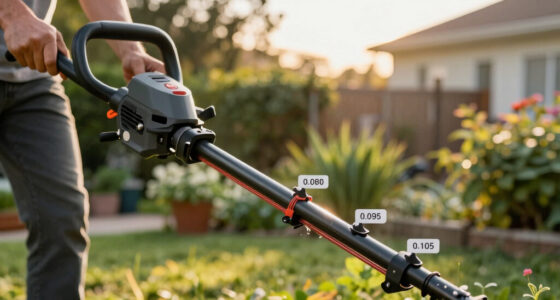
Battery platforms have overtaken gas for most small-acreage tasks. A single 5–10Ah pack can last through a couple of hours of trimming, edging, and blowing, with enough torque for brush clearing. Plus, they’re quieter, cleaner, and easier to start—a big win for home use.
Understanding the implications of this shift is key. Battery systems reduce noise pollution, making outdoor chores less intrusive, especially in close neighborhoods or during early mornings and evenings. They also eliminate the fumes associated with gas engines, which is better for your health and the environment. However, the tradeoff is limited runtime—if you have a large property with extensive clearing needs, you may need multiple batteries or a backup plan.
Gas still rules for heavy-duty brush work—like cutting saplings or thick blackberry thickets—where batteries might run out or lack power. Systems like Stihl KombiMotor or Husqvarna 525LK still shine here, especially for extended sessions. Choosing between battery and gas isn’t just about power; it’s about understanding your property’s scale, your tolerance for noise and fumes, and how much time you want to spend managing equipment.
Smart owners choose a platform that integrates with mowers, chainsaws, and blowers. It simplifies buying, maintenance, and storage—one battery set powers everything. This integration minimizes downtime and maximizes efficiency, enabling you to tackle chores quickly and with less hassle.
battery pole saw for small acreage
As an affiliate, we earn on qualifying purchases.
As an affiliate, we earn on qualifying purchases.
Comparison Table: Battery vs. Gas Multi-Head Attachments
| Feature | Battery Power System | Gas System |
|---|---|---|
| Runtime | 20-60 min per pack; multiple packs help extend work time | Variable; 30-60 min per tank, longer with larger tanks; refueling can be time-consuming |
| Torque | Sufficient for most chores, including brush cutting | Higher, ideal for heavy brush and thick saplings |
| Weight & Balance | Generally lighter, but split-boom tools can be heavy, especially with batteries attached | Heavier, often better balanced for prolonged use, but more fatiguing to handle |
| Ease of Use | Quiet, quick start, no fumes, minimal maintenance | Rougher start, fumes, louder operation, more maintenance |
| Cost | Higher initial investment, but lower ongoing costs for fuel and maintenance | Lower initial cost, but higher ongoing costs for fuel, oil, and repairs |
| Performance | Excellent for light to moderate chores, quick to deploy | Better suited for heavy-duty tasks requiring sustained power |
Choosing between these systems involves understanding your typical workload. Batteries are ideal for frequent, moderate chores and offer convenience and reduced noise, encouraging more regular maintenance. Gas systems, with their superior torque and longer runtime per tank, excel in demanding tasks or larger properties where power and endurance are critical. The tradeoff is convenience versus power—knowing your specific needs helps determine the best fit.
As an affiliate, we earn on qualifying purchases.
How to Pick the Right Attachments for Your Property
Follow these steps to match attachments to your chores:
- List recurring tasks: trimming, pruning, edging, clearing.
- Identify which chores are time-consuming or difficult with your current tools.
- Prioritize attachments that handle these tasks efficiently—like a pole saw for tall limbs or a hedge trimmer for privacy hedges.
- Check compatibility—stick to one brand or ecosystem to avoid frustration.
- Estimate your budget—consider that a good multi-head system can replace several dedicated tools.
Understanding why these choices matter helps you avoid unnecessary purchases. For example, investing in a quality string trimmer and pole saw means you’re prepared for most annual trimming and pruning tasks, reducing the need for multiple single-purpose tools. This approach saves money, reduces clutter, and ensures your equipment is reliable and easy to maintain. Carefully matching tools to your needs ensures you don’t pay for features or power you’ll never use, which could lead to frustration and wasted resources.
As an affiliate, we earn on qualifying purchases.
Avoiding the Common Pitfalls: When Not to Rely on Multi-Head Systems
Multi-head systems aren’t magic. They fall short when you need heavy-duty power or specialized tools. For instance, if you’re clearing thick saplings or running a large garden’s tiller, dedicated gas or electric tools outperform multi-head attachments. Relying solely on a multi-head system in these situations can lead to frustration, fatigue, and incomplete work, which defeats the purpose of efficiency.
Another trap? Overbuying. Just because a system offers many attachments doesn’t mean you need them all. This can lead to clutter, higher costs, and maintenance headaches. Focus only on what you’ll use regularly—investing in unnecessary attachments dilutes the value of your system.
Also, consider weight and fatigue. Split-boom tools, especially with heavy batteries or gas engines, can tire out your arms faster than dedicated, lighter tools. You might find yourself sacrificing comfort for versatility, which can reduce your overall productivity and enjoyment.
Finally, compatibility matters—mixing brands is rare, so pick a system and stick with it to avoid frustration and extra costs. The right choice depends on your specific needs and willingness to invest in quality and compatibility.
What’s the Real Cost of a Fully Equipped Multi-Head System?
Expect to spend from $300 to $800 on the powerhead and a handful of key attachments. A good string trimmer, pole saw, and hedge trimmer make up the core kit. Additional attachments? Dethatchers or cultivators add cost but are less frequently used.
Battery packs are the ongoing cost—$100 to $200 each—plus chargers. For a 1–5 acre property, two batteries often cover a full day’s chores, with some downtime for recharge. This investment pays off over time, especially when compared to buying multiple dedicated tools, which can quickly add up to over $1,000.
Understanding the true costs involves considering not just the initial purchase but the ongoing expenses of batteries and maintenance. A multi-head system, while requiring a higher upfront investment, offers flexibility, space savings, and long-term savings if you use it regularly. It also reduces the need to store multiple tools, which can be a significant convenience for small properties.
Frequently Asked Questions
Is a multi-head system worth the investment for small acreage?
Yes, if you focus on the key chores—trimming, pruning, edging, and blowing. It consolidates tools, saves space, and often costs less than buying dedicated tools. But don’t buy extras you won’t use regularly.
Should I choose battery or gas for my property?
Battery power is better suited for most small acreage tasks—quieter, cleaner, and easier to handle. Gas still wins for heavy brush or large-scale clearing, where runtime and power matter more.
Will attachments from different brands work on the same powerhead?
No, most attachments are proprietary. Stick to one brand or ecosystem to avoid compatibility headaches and extra costs.
Which attachments are most useful on small acreage?
String trimmers, pole saws, and hedge trimmers top the list—these handle the majority of yard chores efficiently. Less essential are edgers and cultivators, unless you have specific needs.
How many batteries do I need for a full day of chores?
Typically, two 5–10Ah batteries cover 4–6 hours of work, including trimming, pruning, and blowing. Carry extras if you plan to extend your session or tackle heavy-duty tasks.
Conclusion
A well-chosen multi-head power system can replace a small arsenal of tools, saving space, money, and effort. But it’s all about matching attachments to your property’s needs—no more, no less.
Think about your recurring chores, prioritize the tools that cut your workload, and stick to a single ecosystem for compatibility. That’s how you turn a multi-head system into your property’s best ally, not just a fancy gadget.
Fall yard work Picks
leaf blowers
As an affiliate, we earn on qualifying purchases.