
TL;DR
Trimmer line welds itself inside the head mainly due to heat from friction, storage, and improper winding. To stop it, fix the current jam carefully and follow simple tips for proper winding, storage, and maintenance.
If your trimmer head jams every time you bump it, you’re not alone. It looks like a defect, but more often, it’s a heat-driven problem that you can fix with the right knowledge. The real culprit? Heat and winding mistakes turn your line into a sticky, fused mess.
In this guide, you’ll learn why your line welds itself inside the head, how to fix it without replacing the entire spool, and simple tips to keep it from happening again. Armed with these practical insights, you’ll spend less time fighting jams and more time getting your yard work done efficiently.
Always wind the line in the correct direction, using even, moderate tension to prevent coils from trapping heat.
Regularly clean and replace worn parts like eyelets and spools—worn hardware increases friction and heat buildup.
Store your spools in a cool, dry place, especially during summer, to prevent heat-induced softening of nylon line.
Use high-quality, anti-weld or co-polymer line to reduce sticking and fusing during use.
If your line welds, carefully cut out the fused section, clean the spool, and rewind properly—don’t just replace the line haphazardly.
Why Trimmer Line Welds Itself Inside the Head — and How to Stop It
If your trimmer head jams every time you bump it, you’re not alone — and it’s usually not a defect. Heat and winding mistakes soften the nylon surface until pressed coils fuse into a sticky, locked-up mess. Here’s the physics of why it happens, the 5-minute fix, and the habits that prevent it.
The 4 Root Causes: It’s Always Heat
Trimmer line is extruded nylon monofilament. It doesn’t need to melt to weld — surface softening under pressure and friction is enough for coils pressed under tension to stick as they cool. Heat reaches the spool from four directions.
Rubbing at High RPM
Line grinding against the eyelet and spool flange at full throttle generates enough heat to soften the nylon surface. Coils in prolonged contact under tension tack together — and constant bumping only grinds the line in place, accelerating wear on the whole head.
Hot Sheds, Trunks & Garages
Nylon softens far below its melting point and “creeps” under constant winding tension. A spool parked in a summer shed slowly self-sticks on the shelf — the weld is already waiting before you ever hit the throttle.
The Leading Cause of Jams
Winding against the arrow, crossing wraps, over-tightening, or overfilling beyond capacity traps coils and binds them under pressure. Trapped coils concentrate localized heat during operation — neat winding is heat management, not cosmetics.
Grooved Eyelets & Debris
Grooved or melted eyelets, a scarred spool, and grass packed inside the head act as friction hotspots. Regular cleaning and replacing wear parts keeps airflow up, friction down, and fusion off the table.
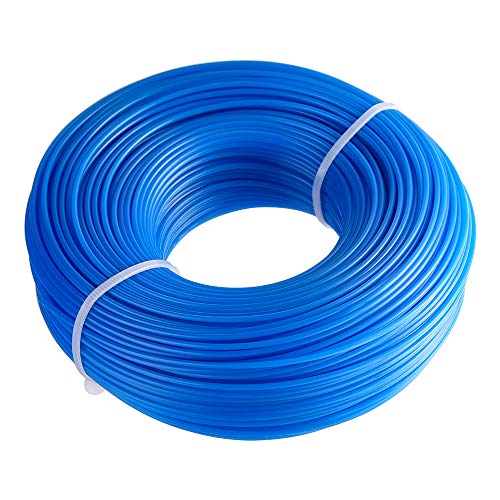
FEPITO Round .065-Inch String Trimmer Line 328ft Long Nylon Trimmer String Replacement Line for Garden String Trimmer Edger Replacement Spool
.065" diameter Round Trimmer Line for string trimmer lawn edger
As an affiliate, we earn on qualifying purchases.
As an affiliate, we earn on qualifying purchases.
How Hot Does It Really Get?
Welding is a threshold problem: once the line’s surface crosses its softening point while pressed against neighboring coils, sticking is inevitable. Note how close ordinary summer storage gets to the danger zone.
Key insight: a hot garage can push ambient temperatures toward the softening threshold, meaning stored line can fuse during normal use — with no defect and no abuse involved.
Ferilter SRM 225 Carburetor for Echo SRM-225 GT 225 PAS 225 PE 225 SHC 225 PPF 225 Trimmer Weedeater with SRM 225 Air Filter Case Cleaner Cover Fuel Line Tune Up Kit
SRM 225 carburetor replaces for Zama RB-K93, for Echo A021001690 A021001691 A021001692; SRM 225 air cleaner case replaces…
As an affiliate, we earn on qualifying purchases.
As an affiliate, we earn on qualifying purchases.
The 5-Minute Fix: Clear, Clean, Rewind
Already welded? Don’t replace the whole spool. Cut out the fused section, clean the residue, and rewind properly. Patience here beats brute force — don’t rush the cool-down.
Power Down & Cool
Kill the engine / disconnect the spark. Let the head cool completely before touching it.
Open the Head
Remove the safety cover and pull the spool straight out of the head.
Find the Fusion
Unwind the line and locate the melted, sticky coils locking the spool.
Cut It Out
Snip away fused sections with sharp scissors or a knife. Don’t tear — cut clean.
Clean Residue
Rag or wire-brush melted nylon off the spool and eyelets until smooth.
Rewind Right
Follow the arrow / manual pattern. Even wraps, moderate tension, no crossing.
Reassemble
Seat the spool, thread the eyelets, secure the head, and replace the cover.
Test the Feed
One firm bump or gentle pull — line should advance smoothly and stop.
This is a temporary patch. The permanent fix is upstream: correct winding, cool storage, clean hardware, and quality line — the four causes decide whether it welds again next weekend.
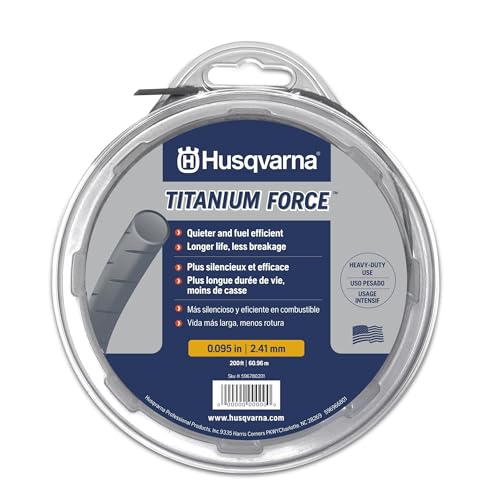
Husqvarna Titanium Force 0.095-Inch, 140-Foot Spooled String Trimmer Line, Professional Grade Copolymer Weed Eater Line with Cutter, 639005102, Gifts for Men
Includes one Husqvarna Titanium Force Trimmer String .095 Inch, 140-Foot Weed Trimmer Line compatible with all standard string…
As an affiliate, we earn on qualifying purchases.
As an affiliate, we earn on qualifying purchases.
Stop Welding Before It Starts
Seven small habits eliminate nearly every weld. Match the recommended diameter (usually 0.095″–0.130″), respect the fill line, and let the head breathe during heavy brush work.
| Habit | Do | Avoid | Why It Matters |
|---|---|---|---|
| Winding direction | ✓Follow the arrow on the spool | ✗Winding against the arrow | Wrong-direction wraps bind and trap coils under the flange. |
| Tension | ✓Even, moderate tension, wrap by wrap | ✗Over-tightening or loose, crossed wraps | Pressure plus heat is what fuses neighboring coils together. |
| Fill level | ~Fill only to the indicated line | ✗Overstuffing the spool | An overstuffed spool traps heat and jams the feed mechanism. |
| Storage | ✓Cool, dry, shaded — indoors in summer | ✗Hot sheds, garages, car trunks | Nylon creeps and self-sticks on the shelf above ≈60°C. |
| Heavy use | ✓Pause in dense, wet brush; bump at full RPM | ✗Nonstop throttle; grinding the head on the ground | Cooling breaks keep the line below its softening threshold. |
| Hardware | ✓Clean debris; replace grooved eyelets & worn spools | ✗Running scarred, melted, or packed-dirty parts | Worn surfaces are friction hotspots that re-weld fresh line. |
| Line choice | ✓Co-polymer / “anti-weld” line; replace annually | ✗Brittle bargain line left on for seasons | Quality blends resist sticking; old dried line snaps at the eyelet. |
Bonus: quick-load / speed-feed heads reduce winding errors — and fixed-line heads eliminate the spool, and welding, entirely.

2.75" Stainless Grass Sprinkler Head Trimmer Tool for Garden,Golf Course,Park Lawn Clear Overgrown Sprinkler Head Digging Tool, for Lnstall on A Power Drill for Use.
2.75" Sprinkler Head grass Trimmer: Engineered as a high-performance sprinkler head grass cutter, this 2.75" stainless steel sprinkler…
As an affiliate, we earn on qualifying purchases.
As an affiliate, we earn on qualifying purchases.
Every Jam Follows the Same Five Links
Quick Fix: How to Unstick Your Welded Line in 5 Minutes
When your line is fused together, it’s usually a matter of carefully cutting out the melted section and rewinding. First, turn off your trimmer and let it cool. Remove the safety cover, then pull out the spool.
Once out, unwind the line to find the fused coils. Use sharp scissors or a knife to cut away the melted, sticky parts. Clean off any residual melted nylon from the spool and eyelet with a wire brush or rag. Rewind a fresh, even length of line in the correct direction, keeping tension moderate. Reassemble, and you’re ready to cut again.
This quick fix prevents further damage and gets you back to work fast. But remember — this is a temporary patch. The real fix involves understanding why it happened and how to prevent it.
Why Your Line Fuses: 4 Main Causes You Need to Know
Trimmer line welds itself because of heat. And heat? It comes from four main sources: friction, storage conditions, winding mistakes, and worn-out parts.
- Friction heat: When the line rubs against the spool or head components at high RPM, it creates enough heat to soften the nylon surface. This softening allows the coils to stick together, especially when the line is under tension or in contact for prolonged periods. If ignored, this can lead to persistent jams and a need for frequent rewinding. Recognizing the role of friction helps you understand why operating at the right speed and avoiding constant bumping are crucial—excessive friction not only causes immediate jams but also accelerates wear on your equipment, potentially leading to more costly repairs down the line.
- Storage heat: Leaving spools in hot sheds, trunks, or garages in summer can gradually raise the nylon’s temperature, making it more susceptible to sticking. Over time, this stored heat weakens the nylon’s surface integrity, increasing the likelihood of welding during use. Proper storage isn’t just about protecting your line; it directly impacts how well your equipment performs over its lifespan. Consistently storing spools in cooler, shaded areas can significantly reduce the risk of heat-related softening, thereby extending the usable life of your line and minimizing unexpected jams.
- Winding errors: Overfilling, crossing wraps, winding against arrows, or winding too tightly traps coils, pressing them together under tension. This tension increases localized heat during operation, promoting softening and sticking. Proper winding technique isn’t just about neatness—it’s a strategic step in reducing heat buildup that causes welding. Correct winding ensures even tension, smooth line feed, and less mechanical stress, but it requires attention to detail. The tradeoff is that a little extra effort during winding can save you hours of frustration troubleshooting jams and replacing lines later.
- Worn or dirty hardware: Grooved eyelets, debris in the head, or a damaged spool increase friction and localized heat, accelerating fusion. These imperfections act as hotspots, further softening the nylon surface and encouraging coils to fuse. Regular maintenance and hardware replacement aren’t just about aesthetics; they’re essential for optimal airflow and friction control. By keeping your equipment in good shape, you reduce the heat generated during operation, which directly impacts how often your line welds itself. Investing in clean, well-maintained hardware prolongs your equipment’s lifespan and ensures more reliable performance.
Imagine a spool stored in a hot garage—nylon softens at around 150°C, yet the ambient temperature in summer can approach or exceed this threshold. This means even without direct contact with a heat source, the stored nylon can become soft enough to fuse coils during use. These causes—heat from friction, storage, winding errors, and hardware wear—interact to create an environment where the nylon’s surface becomes malleable enough to stick, locking the coils together. Recognizing these interactions emphasizes why proper technique, maintenance, and storage are not just best practices—they’re essential to prevent welding and ensure smooth operation.
Fix a Welded Line: Step-by-Step to Clear Your Head and Rewind Correctly
Fixing a welded line begins with patience and care. Here’s a clear step-by-step:
- Turn off the trimmer and let it cool completely—don’t rush this step.
- Remove the spool from the head and unwind the line carefully.
- Identify the fused, melted sections—use scissors or a knife to cut out these sticky parts.
- Clean residual nylon from the spool and eyelet with a rag or wire brush.
- Rewind the line neatly, following the arrow or winding pattern in your manual. Keep tension moderate—avoid over-tightening.
- Insert the spool back into the head, secure it, and replace the cover.
- Test with a bump or gentle pull to ensure the line feeds smoothly.
Taking your time during rewinding makes a big difference. Proper tension and direction help prevent future welding. Plus, cleaning out debris and worn parts keeps heat buildup down and your head running clean.
Stop Welding Before It Starts: Easy Tips to Keep Your Line Free and Clear
Prevention is your best friend here. Simple habits can save you hours of hassle. Follow these easy tips:
- Use the right line: Match your trimmer manual’s recommended diameter—usually 0.095″ to 0.130″.
- Don’t overfill: Fill the spool only to the indicated level—overstuffed spools trap coils and trap heat.
- Wind correctly: Follow the arrow, keep wraps even, and avoid crossing lines or winding too tightly.
- Store properly: Keep spools in a cool, dry place—avoid hot garages or trunks.
- Pause during heavy use: Let the head cool off if you’re trimming dense, wet brush for extended periods.
- Maintain hardware: Regularly clean debris and replace worn eyelets or spools.
- Choose quality line: Co-polymer or anti-weld formulations resist sticking better.
Imagine you’re trimming a thick hedge. Instead of pounding the head at full throttle nonstop, take brief pauses to let everything cool. It’s not just about safety; it’s about keeping the nylon from softening and fusing. Proper technique and maintenance help you prevent the heat buildup that causes welding, saving time and frustration in the long run.
When Hardware Gets in the Way: Upgrading for a Weld-Free Life
If you’ve tried everything and your line still welds, it might be time for new hardware. Worn or damaged components can cause excessive friction and heat buildup.
- Check the eyelet: Grooves or melted spots increase friction. Replace worn eyelets or heads.
- Upgrade to quick-load or fixed-line heads: These heads reduce winding errors and eliminate spool-related welding issues.
- Choose heads with anti-weld coatings: Some brands advertise surface treatments that resist sticking and melting.
- Switch to pre-cut or hybrid lines: These avoid winding errors altogether, preventing coil overlap and heat traps.
Think of it as upgrading your tools to avoid the same mistakes—like replacing a worn-out zipper or squeaky wheel. Modern heads are designed to reduce friction and make winding foolproof, thereby reducing the risk of heat buildup and welding. Investing in better hardware can significantly decrease your maintenance time and increase your equipment’s lifespan, making your yard work more efficient and less frustrating.
Your Hot-Weather Line Fuses? Here’s Why & What to Do
In hot weather, your nylon line softens more easily. Temperatures above 85°F (29°C) cause the nylon to creep and weaken, making it stick or weld faster. The heat from your engine or direct sunlight can turn a normal day into a fuse factory.
To combat this, store spools in a cool, shaded place. During long trimming sessions in the heat, take breaks to let the head cool down. Using high-quality, heat-resistant line can also help extend the time before welding occurs. Recognizing the impact of heat on nylon’s physical properties helps you plan your work to minimize unnecessary stress on the line. This proactive approach reduces the risk of softening and welding, especially during prolonged or intense trimming in hot weather, saving you from frustrating jams and line replacements.
Imagine trimming in a blazing summer sun—your line heats up, turns sticky, and fuses. Small adjustments like storing spools indoors or during breaks stop this from turning into a full-blown jam. Managing heat exposure effectively extends your line’s lifespan and keeps your equipment functioning smoothly.
Frequently Asked Questions
Why does my trimmer line keep sticking or fusing together on the spool?
It’s mainly caused by heat build-up from friction, improper winding, or storing the spool in hot places. When nylon softens, coils stick together, locking the line inside the head. Understanding these causes helps you recognize the importance of proper operation, storage, and winding techniques to minimize heat buildup and prevent welding.How do I get the line unstuck without buying a new spool?
Turn off the trimmer, let it cool, then carefully remove the spool. Cut away the fused parts with scissors, clean the residue thoroughly, and rewind the line correctly following the winding pattern. Patience during this process is crucial—forcing the line can damage the spool or worsen the problem. Proper cleaning and careful rewinding restore functionality and reduce future welding risks.Why won’t my line come out when I bump the head?
If the line is welded or fused, it won’t feed properly. This typically indicates that the coils have fused due to heat or improper winding. To fix this, unclog the head, remove the spool, cut out the fused sections, and rewind correctly. Ensuring proper winding tension and direction prevents future jams and keeps the line feeding smoothly.Which way do I wind the line on the spool? Does direction matter?
Yes, winding in the correct direction—matching the arrow—ensures the line feeds smoothly during operation. Winding backwards or too tightly traps coils, increasing friction and heat, which can lead to welding. Proper winding technique promotes even tension, reduces heat buildup, and minimizes the chance of the line fusing inside the head.Does soaking the line in water help prevent welding?
Soaking the line in water can make it brittle and more prone to breaking, which is counterproductive. It does not prevent welding; instead, focus on proper winding, storage, and using high-quality line formulated to resist sticking. These practices directly address the causes of heat buildup and surface softening, providing more effective prevention.Conclusion
Welding isn’t a defect; it’s a heat and technique issue you can control. Proper winding, smart storage, and choosing the right line make all the difference. Keep your head cool—literally and figuratively—and your trimmer will thank you with fewer jams and more cutting power.
Next time your line fuses, remember: a little patience, proper care, and upgraded hardware can turn this headache into a thing of the past. Your yard work will be smoother and quicker—no more fighting with melted coils or broken lines.