
TL;DR

Get business pricing on tools and workshop supplies
- Business-only prices and quantity discounts
- Tax-exempt purchasing
- Multiple users, one account, clear invoices
Edging creates sharp, defined borders along driveways or sidewalks, while trimming maintains plant shape. Using the right tools—electric, gas, or robotic—makes this task faster and neater. Regular upkeep keeps your yard looking sharp and professional.
Nothing ruins a tidy yard faster than unruly grass spilling over onto your driveway or sidewalk. When it comes to creating a sharp, professional boundary, understanding the difference between edging and trimming makes all the difference. You might have a trimmer that doubles as an edger, but knowing when to use each tool and technique ensures a clean, crisp line that boosts curb appeal.
In this guide, you’ll find out how to use the right tools, master effective techniques, and keep your driveway looking sharp — all without wasting time or effort. Whether you’re a weekend warrior or a backyard pro, mastering edging and trimming is a game-changer for your property’s look and maintenance routine.
Edging creates crisp, defined borders that instantly boost curb appeal and reduce future maintenance.
Choosing the right tool—manual, electric, gas, or robotic—depends on yard size, budget, and project complexity.
Consistent, regular edging every 2-4 weeks maintains sharp lines and prevents grass invasion onto driveways or sidewalks.
Proper technique involves marking the boundary, making steady cuts, and cleaning up debris for a professional finish.
Always wear safety gear and sharpen blades frequently to keep your edging and trimming effective and safe.
Edging vs Trimming: Tools, Technique and a Clean Driveway Line
TL;DR: Edging creates sharp, defined borders along driveways and sidewalks, while trimming keeps grass, weeds, and plants shaped. Pair the right tool with a steady routine and your yard looks cleaner, sharper, and easier to maintain.
Key insight: consistent edging prevents grass from encroaching onto hard surfaces, reducing the work needed later.
One draws the line. One keeps growth in check.
Edging is boundary work: it cuts a precise separation between lawn and hardscape. Trimming is shape work: it cuts back grass, weeds, shrubs, or plant edges so the yard stays neat and healthy.
Crisp borders
Creates a visible groove along driveways, sidewalks, patios, and beds so grass stops spilling onto hard surfaces.
Controlled growth
Shapes plants, cuts tall grass in tight corners, clears weeds, and supports a more curated landscape.
Finished curb appeal
Use edging first to establish the boundary, then trimming to tidy surrounding growth and soften the transition.
A clean driveway line is a sequence, not a single pass.
Start with a clear path, mark the line, cut steadily, remove the loosened material, and finish by sweeping or raking. The order matters because it keeps the edge straight and prevents rework.
Clear debris
Move rocks, sticks, toys, and loose yard waste away from the driveway edge.
Set the path
Use string or spray paint when the line needs to be straight and consistent.
Edge first
Hold the blade or head steady and follow the marked boundary at a controlled pace.
Trim growth
Cut back weeds, shaggy grass, or plants that crowd the newly defined line.
Sweep clean
Remove clippings and soil so the edge reads sharp from the street.
Choose by yard size, power needs, and how sharp the line must be.
Many string trimmers can edge in a pinch, but dedicated edgers with vertical blades make cleaner driveway borders. Larger or tougher properties may justify gas power or robotic convenience.
| Tool Type | Best Use | Driveway Edge Quality | Speed | Noise / Effort | Smart Fit |
|---|---|---|---|---|---|
| Manual edger | Small borders, tight budgets, detail work | ✓ crisp with effort | ~ slower | ✓ quiet, physical | Short driveway, occasional upkeep |
| Electric or battery edger | Routine residential edging | ✓ clean and consistent | ✓ fast | ✓ lower noise | Most weekend yard care |
| Gas edger | Large lots, thick turf, heavy growth | ✓ strong cut | ✓ fast | ✗ louder, more maintenance | Big property or tough grass |
| String trimmer | Trimming grass, weeds, and tight spaces | ~ depends on control | ✓ fast | ~ varies by power source | Versatile cleanup tool |
| Robotic edger | Automated consistency and convenience | ✓ precise when set up | ~ setup first | ✓ minimal labor | Large or high-maintenance yards |
Where the work pays off fastest.
The biggest gains come from boundary definition, routine timing, and cleanup. A sharp cut without debris removal still looks unfinished, while regular maintenance reduces future effort.
Impact on finished look
Relative contribution to a professional driveway line.
Maintenance rhythm
Outdoor property care guidance commonly points to edging every 2-4 weeks during active growth.
Shorter intervals suit fast-growing grass and rainy seasons. Longer intervals work better when growth slows or the border is already well established.
Sharp results come from steady control.
Protect your eyes and hands, keep blades sharp, move slowly along the marked line, and avoid forcing the tool. Precision beats speed when the goal is a clean driveway edge.
The clean-line formula
Mark the boundary, edge vertically, remove excess grass, trim surrounding growth, then sweep. That repeatable sequence turns a rough lawn border into a deliberate design line.
- Wear eye protection, gloves, long pants, and closed-toe shoes before cutting.
- Sharpen or replace blades often so they slice cleanly instead of tearing turf.
- Use electric or battery-powered tools for lower noise and easier routine upkeep.
- Use gas power for thick growth, long borders, or larger properties that demand torque.
- Avoid over-trimming plants because cutting too close can weaken stems and roots.
How a driveway line stays sharp over time.
A polished border is less about one perfect weekend and more about a simple maintenance loop. Repeat it every few weeks and the yard keeps its shape with less effort.
What exactly is edging — and why does it matter?
Edging is the art of creating a sharp line between your lawn and hard surfaces like driveways, sidewalks, or flower beds. It’s not just about looks — it prevents grass from creeping onto concrete and makes mowing easier. Imagine a freshly cut, dark green border that makes your driveway pop. That’s edging at work.
Done right, edging transforms a messy boundary into an intentional design element. It’s like giving your yard a clean haircut, making everything look neat and well-maintained. Beyond aesthetics, proper edging reduces the likelihood of weeds establishing themselves along borders, which can otherwise become persistent eyesores and maintenance headaches. Additionally, a well-defined edge helps in preventing lawn grass from invading cracks or gaps in pavement, which can lead to more complicated repairs over time. The tradeoff, however, is that edging requires regular upkeep—neglecting it can quickly undo the clean look and allow grass to encroach again, making the initial effort seem wasted. Therefore, understanding the importance of consistent, precise edging helps maintain a balance between effort and visual appeal, ensuring your yard stays tidy with minimal ongoing work.
As an affiliate, we earn on qualifying purchases.
Why trimming isn’t the same — and when to use it
Trimming focuses on keeping plants, grass, or weeds within their bounds. It’s about shaping the shrub, cutting back overgrown grass, or clearing weeds that threaten to take over. Think of trimming as giving your plants a haircut, not creating a border.
But why does this distinction matter? Because trimming serves a different purpose—it’s primarily about health and aesthetics of your plants and grass rather than defining a clean boundary. Proper trimming prevents overgrowth that can shade out other plants, spread pests, or harbor disease. It also allows you to control the height and shape of plants for a more curated look, which can enhance your landscape’s overall design. However, over-trimming can sometimes weaken plants or lead to an unbalanced appearance, so understanding when and how to trim is key. For example, trimming too close to the base can damage roots or stems, while trimming at the right height encourages healthy growth. The tradeoff lies in the fact that trimming alone won’t create a crisp edge along your driveway or walkway, but neglecting trimming can result in an unkempt, overgrown yard that diminishes curb appeal. Combining trimming with edging, applied at appropriate times, offers a comprehensive approach to maintaining both the health and the visual sharpness of your yard.
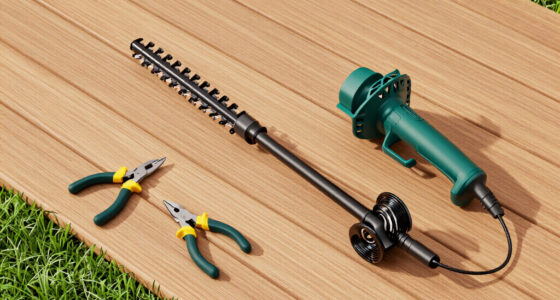
gas-powered grass trimmer and edger combo
As an affiliate, we earn on qualifying purchases.
As an affiliate, we earn on qualifying purchases.
Understanding the sequence: From planning to maintenance
Before you start edging or trimming, it’s important to plan your approach. Clear the area of debris, and decide exactly where your borders will run. Marking the edges with spray paint or string helps ensure straight, consistent lines. This initial step is the foundation for a professional-looking finish.
Once your plan is set, begin with edging to establish a crisp boundary. Use the appropriate tool—whether a manual edger, electric, or gas-powered machine—to cut along your marked line. After edging, trim any overgrown plants or weeds around the border to keep everything tidy. Regular maintenance, including trimming and edging, should be scheduled every few weeks to prevent overgrowth and keep the lines sharp. Finishing touches like sweeping away loose grass or soil, and inspecting your work for uneven spots, help maintain a polished look. Over time, these routine steps become second nature, making your yard look well-maintained and professional, while also simplifying future upkeep.
By following this sequence—plan, execute, maintain—you ensure your borders remain sharp and your plants healthy, creating a yard that’s both attractive and easy to care for.
As an affiliate, we earn on qualifying purchases.
Conclusion
A sharp driveway line isn’t just about looks — it’s about taking control of your yard’s presentation. Regular edging, combined with strategic trimming, transforms a cluttered border into a clean, polished boundary. Your driveway becomes more than just a path; it’s a statement of pride and attention to detail.
Remember, the right tools and techniques make all the difference. With consistent effort, you’ll enjoy a yard that looks professional — without the expense or hassle of hiring help. So, pick your tool, mark your line, and start shaping a yard that turns heads every time.
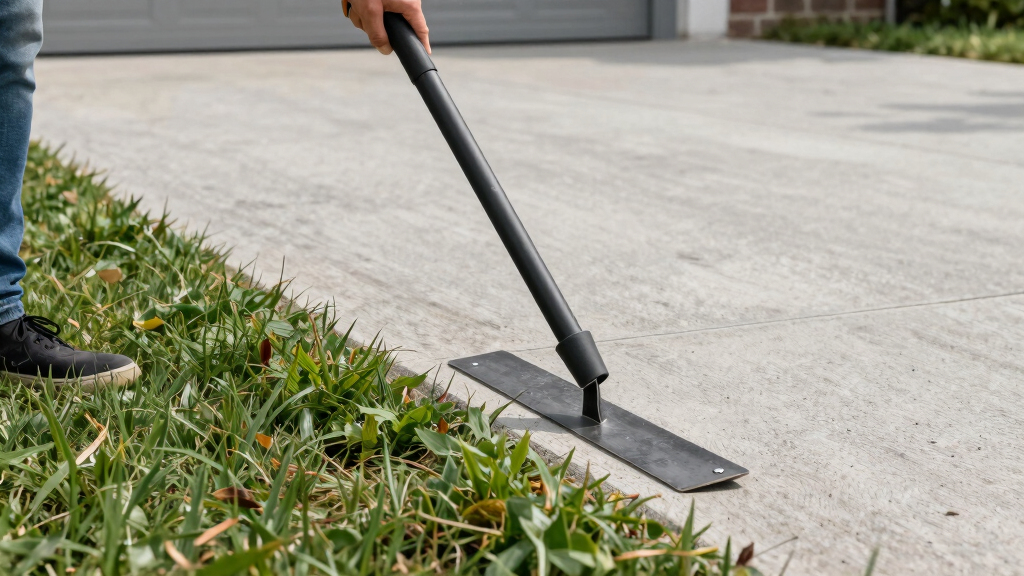
manual edging tool for garden borders
As an affiliate, we earn on qualifying purchases.
As an affiliate, we earn on qualifying purchases.
Halloween Picks
halloween
As an affiliate, we earn on qualifying purchases.