TL;DR

Get business pricing on tools and workshop supplies
- Business-only prices and quantity discounts
- Tax-exempt purchasing
- Multiple users, one account, clear invoices
Using a combination of leaf blowers, tarps, and mulching can cut cleanup time by half on a one-acre yard. Proper equipment and techniques turn a messy task into a manageable routine—saving effort and improving soil health.
Use a high-CFM blower paired with a sturdy tarp to cut cleanup time in half.
Mulching leaves into fine compost boosts soil nutrients and reduces waste.
Battery blowers are quieter and simpler, but gas models deliver longer runtimes for large yards.
Schedule leaf cleanup after most leaves have fallen, on dry days, to keep the job manageable.
Always wear safety gear—eye protection, ear muffs, gloves—to prevent injuries during yard work.
Leaf Cleanup Strategy: Blower, Tarp & Mulching Plan
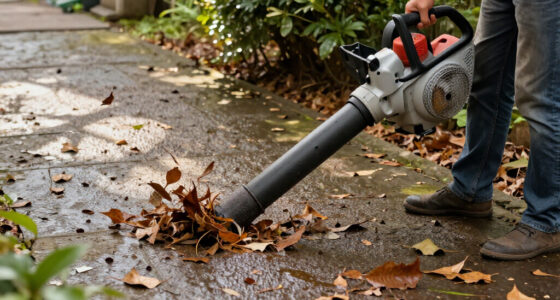
Turn a sprawling seasonal chore into a simple production line. Gather dry leaves with power, move them with fewer trips, then return their nutrients to the landscape instead of treating them as waste.
Blower-and-tarp cleanup versus manual raking and repeated bagging.
CFM recommended as a practical baseline for a one-acre property.
Potential organic-matter improvement over time when leaves are reused.
The four-stage cleanup line
Work in zones—front yard, backyard and tree lines—then move through the same sequence in each. Keeping collection and processing separate prevents piles from spreading back across finished ground.
Blow
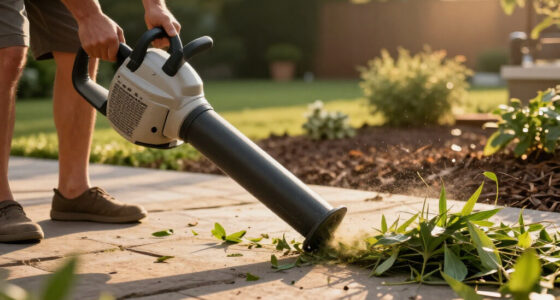
Push dry leaves toward driveways, tree lines or other easy loading points. Build several controlled piles rather than one oversized mound.
Tarp
Lay the tarp beside each pile and blow or rake leaves onto it. Keep the load low enough to drag without spilling.
Haul
Pull from two corners to distribute force. Move leaves directly to garden beds, compost bays or the mulching zone.
Mulch
Shred leftovers finely with a mulching mower. Spread a thin layer or mix the material into compost.
Three tools, one system
Raw power matters, but the best setup is balanced. The blower gathers, the tarp removes transport friction, and the mower converts remaining material into a soil asset.
Backpack or walk-behind blower
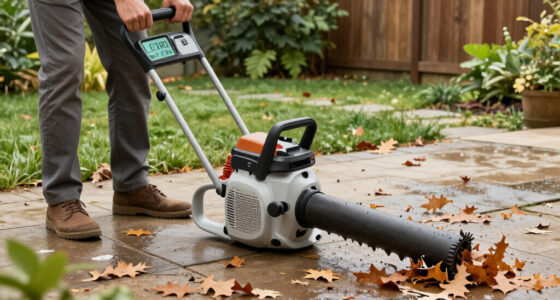
Aim for at least 400 CFM for broad coverage. Higher airflow becomes valuable around dense tree lines and heavy accumulation.
Heavy-duty tarp
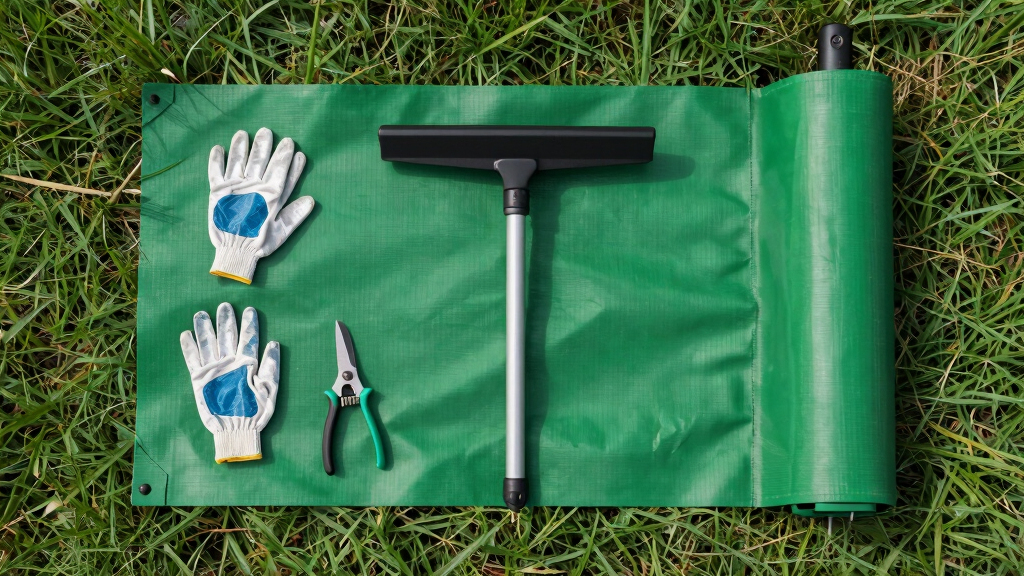
Choose reinforced corners and tear-resistant material. A compact tarp stays controllable when crossing lawns or narrow gates.
Mulching mower
Fine shredding increases leaf surface area, speeding decomposition and preventing broad leaves from matting over turf.
Battery versus gas
For a full acre, runtime and leaf volume usually decide the winner. Battery equipment favors quiet, short sessions; gas equipment favors sustained high-output work.
| Feature | Battery-powered | Gas-powered | Planning signal |
|---|---|---|---|
| Power | ~Strong modern output | +High sustained force | Heavy, compacted piles favor gas. |
| Runtime | ~20–60 minutes | +Refuel and continue | Battery users should rotate packs. |
| Noise | +About 60–70 dB | –Often much louder | Check local noise restrictions. |
| Maintenance | +Minimal upkeep | –Fuel, plugs and service | Battery is simpler between seasons. |
| Handling | +Lighter, no fumes | ~Heavier equipment | Comfort matters during long sessions. |
| Best fit | ✓Quiet sectional work | ✓Large-volume clearing | Match the tool to the workload. |
Selection rule / choose battery for convenience and lower disturbance; choose gas when uninterrupted runtime and maximum output are the priority.
Leaves become soil infrastructure
Shredding accelerates microbial activity and returns nutrients to the landscape. The result is less hauling, less purchased fertilizer and a healthier soil profile over time.
Potential lift in organic matter
Repeatedly incorporating shredded leaves can improve soil structure and nutrient content. Apply material thinly and keep it away from plant crowns.
Application depth: keep the layer breathable
The conditions for a clean finish
Safety and scheduling are operational tools. Proper protection reduces fatigue, while waiting for the right stage of leaf fall prevents unnecessary repeat passes.
Protect before powering up
- ✓Eyes: use impact-rated protection against dust, stones and flying twigs.
- ✓Ears: wear muffs or plugs; some blowers can approach 110 dB.
- ✓Hands and feet: use gloves and sturdy boots with reliable traction.
- ✓Technique: maintain a stable stance, avoid overreaching and lift tarp corners evenly.
- ✓Equipment: keep guards installed and never bypass safety controls.
One main pass, small support rounds
A closed-loop acre
Every stage supports the next: efficient movement reduces labor, and responsible reuse turns cleanup residue into long-term landscape value.
How to Pick the Right Equipment for Big Leaf Jobs
Choosing the right tools makes all the difference. A powerful leaf blower can clear leaves in minutes, while a durable tarp turns hauling into a breeze. For a one-acre yard, a backpack or walk-behind blower with at least 400 CFM (cubic feet per minute) airflow gives you enough power. Pair it with a heavy-duty tarp—ideally 4×8 feet—to collect leaves without tearing. A mulching mower that shreds leaves into fine mulch completes the setup.
For example, a 25cc backpack blower can move leaves at about 250 CFM, which is enough for moderate piles, but a 2-stroke, 500 CFM blower handles large volumes faster. When shopping, prioritize PSI (pounds per square inch) for blowing force and runtime for battery or gas models. Remember: safety gear—eye protection, ear muffs, and gloves—are non-negotiable.
Popular right now

Dyson V8 Cordless Vacuum

Dyson V8 Cyclone Cordless Vacuum

De'Longhi Dinamica Plus Fully Automatic Espresso Machine
As an affiliate, we earn on qualifying purchases.
Step-by-Step: Your Leaf Cleanup Workflow
Follow this simple sequence to make leaf cleanup efficient:
- Start early—dry leaves are easier to move and less muddy.
- Use the blower—push leaves into manageable piles along driveways or under trees.
- Gather with tarps—drag or carry tarps to pile leaves onto, reducing trips.
- Transport and reuse—haul full tarps to compost bins or garden beds.
- Mulch leftovers—run leaves through a mulching mower to create fine, nutrient-rich mulch for beds.
Think of it like a factory line: blow, tarp, haul, mulch. Doing it in this order keeps the yard tidy and your workload manageable. This process also helps you identify problem areas—like stubborn leaf piles or wet spots—that could slow you down or cause equipment issues. Recognizing these early allows for adjustments, such as waiting for dry weather or using different tools, which ultimately improves efficiency and reduces frustration.
Compare Blower Power: Battery vs Gas for Large Yards
| Feature | Battery-Powered Blowers | Gas-Powered Blowers |
|---|---|---|
| Power | Strong, often comparable to small gas models; recent advances close the gap | |
| Run Time | Typically 20-60 mins per charge; swap batteries to extend | |
| Noise | Much quieter, around 60-70 dB | |
| Maintenance | Minimal—no oil or spark plugs | |
| Weight | Lighter, easier to carry for long periods | |
| Cost | Lower initial, but batteries add to long-term expense |
For a one-acre yard, gas blowers offer longer runtimes and more raw power, which can be advantageous when dealing with large leaf volumes or heavier debris. However, modern battery models have improved significantly—they are quieter, emit no fumes, and require less maintenance, making them ideal for quick, less intensive jobs or properties with noise restrictions. The tradeoff lies in runtime versus convenience; understanding your typical workload and environmental considerations helps you choose the best fit. For instance, if you plan to do multiple sessions or have limited access to power outlets, a gas blower might be more practical, despite the higher noise and maintenance. Conversely, if you prioritize ease of use and minimal disturbance, battery models excel, especially with newer high-capacity batteries that can handle large tasks with proper planning.
How Mulching Leaves Boost Your Soil (And Save You Effort)
Mulching leaves isn’t just about cleanup—it’s about turning yard waste into a valuable resource that benefits your soil. When shredded into tiny pieces, leaves decompose faster because their increased surface area accelerates microbial activity. This process releases nutrients—such as nitrogen, phosphorus, and potassium—directly into the soil, enriching it naturally. Over time, this leads to improved soil structure, better water retention, and healthier plants. The tradeoff is that mulching requires an initial investment in a mulching mower or a compatible attachment, but the long-term benefits outweigh the costs.
Imagine spreading a layer of shredded leaves—about 1-2 inches thick—around your vegetable garden or flower beds. This layer acts as a natural mulch, conserving moisture and preventing weeds by blocking sunlight. It also creates a habitat for earthworms and beneficial microbes, which further enhance soil fertility. The decomposition process gradually releases nutrients, reducing the need for chemical fertilizers and lowering maintenance costs. Additionally, mulched leaves help prevent soil erosion and improve aeration in compacted soils. The key is to shred leaves finely; coarse leaves decompose slowly and may smother plants. Properly mulched leaves can be integrated into your garden ecosystem as a sustainable, low-cost fertilizer that enhances plant health over the seasons.
Safety Tips Every Yard Worker Must Follow
Leaf cleanup can be loud, dusty, and physically demanding. Always wear eye protection and ear muffs—blower noise can reach 110 dB, risking hearing damage. Gloves protect your hands from blisters and debris, while sturdy boots keep your feet safe from sharp sticks or hidden hazards. Proper safety gear not only prevents injuries but also ensures you can work more comfortably and efficiently. For example, ear protection reduces fatigue during prolonged blower use, and eye protection guards against flying debris that can cause serious eye injuries. When operating equipment, maintain a stable stance and avoid overreaching, which can lead to falls or strains. When using tarps, lifting from the corners distributes weight evenly, preventing tears or accidents. Keep blades sharp and blades guards in place when mulching, and never bypass safety features. Remember, safety isn’t just a checklist—it’s the foundation of an effective, injury-free cleanup process that keeps you working confidently and comfortably throughout the season.
When and How to Schedule Your Leaf Cleanup
Timing is everything. Wait until 70-80% of the leaves have fallen—usually late October to early November—before starting your cleanup. This ensures you’re not wasting effort on leaves that will soon fall, and it minimizes the risk of needing multiple passes. Dry, breezy days are ideal because wet leaves tend to cling to surfaces and clog equipment, making the cleanup more difficult and time-consuming. Planning your work on days with stable weather reduces frustration and equipment strain. Set aside a few hours on a dry weekend and break the job into manageable sections—front yard, backyard, under trees—to stay organized and avoid burnout. Regular small sessions during peak leaf fall prevent overwhelming piles that become a massive, exhausting task later. This approach not only saves time but also reduces damage to your lawn and landscape, as heavy leaf layers can smother grass and promote disease if left too long. Recognizing the natural rhythm of leaf fall and scheduling accordingly leads to a more efficient, less stressful cleanup process.
Frequently Asked Questions
How do I prevent leaves from blowing into neighbors’ yards?
Work from the center of your property outward, directing leaves toward your yard. Use barriers or natural windbreaks like shrubs to contain debris. Always aim your blower away from neighbors’ property to keep peace and avoid complaints.
Can I use a leaf vacuum instead of blowers and tarps?
Leaf vacuums can be helpful for smaller areas, but on a one-acre yard, they tend to be slower and less flexible. Blowers combined with tarps give you more control and speed, especially when moving large volumes of leaves efficiently.
What’s the best way to store leaf mulch for the winter?
Pile shredded leaves in a dry, shaded area—cover with a tarp if needed—to prevent mold. Use it throughout winter and into spring for garden beds or as a compost additive. Proper storage keeps mulch ready when you need it.
Is it better to mulch leaves or remove them completely?
Mulching is better for your soil and reduces waste. If you prefer a tidy look, mulch leaves and spread them around plants. Removing leaves entirely can strip your yard of nutrients and organic matter, reducing the natural fertility and resilience of your landscape.