
TL;DR

Get business pricing on tools and workshop supplies
- Business-only prices and quantity discounts
- Tax-exempt purchasing
- Multiple users, one account, clear invoices
Anti-vibration gloves can lower vibration exposure and reduce fatigue, but they aren’t miracle workers. Their effectiveness varies, so combine them with proper tool maintenance, breaks, and good technique.
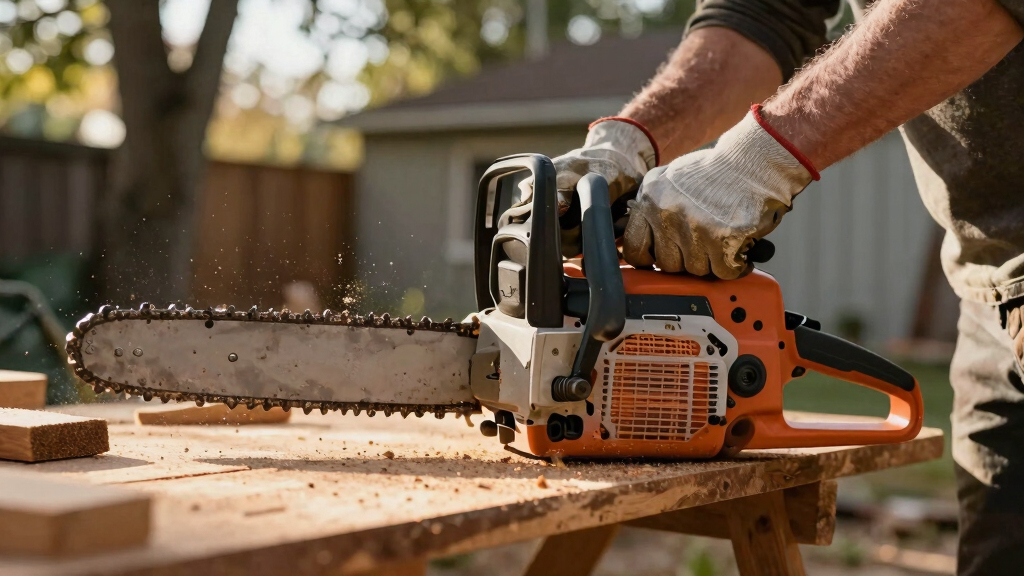
If you’ve ever felt numbness or tingling after hours of trimming or chainsawing, you’re not imagining things. Vibration from power tools isn’t just uncomfortable; it can cause serious health issues over time. Anti-vibration gloves promise relief, but do they really live up to the hype? In this guide, you’ll learn how these gloves work, their real benefits, and how to choose the right pair to keep you comfortable and safe during long days on the acreage.
Anti-vibration gloves can reduce vibration transmission by 20-30%, easing hand fatigue during prolonged tool use.
Choosing certified gloves with gel padding and good fit is essential for genuine vibration dampening.
Gloves are most effective when combined with proper tool maintenance, ergonomic techniques, and regular breaks.
They may slightly reduce tactile sensitivity, so find a balance between protection and control.
No glove can eliminate all vibration; managing exposure requires a comprehensive approach.
Field guide / vibration exposure
Anti-Vibration Gloves: Do They Help With Trimmer and Saw Fatigue?
Yes—but think of them as one layer of protection, not a cure-all. Good gloves can dampen some tool vibration and improve comfort, while maintenance, technique, lower-vibration equipment and regular breaks do the heavier safety work.
A shock-absorbing layer between tool and tissue
Padding in the palm and fingers dissipates part of the vibration energy before it travels into the hand and arm. The result can be less discomfort and fatigue—but residual vibration still passes through.
Tool vibrates
A trimmer, chainsaw or other handheld machine produces repeated mechanical oscillation.
Padding receives it
Gel, dense foam or engineered fabric compresses and shifts under the moving grip.
Energy disperses
Some energy spreads through the damping material instead of passing directly onward.
Hands receive less
Exposure is reduced—not erased—helping some users stay more comfortable for longer.
Five features that separate protection from padding
The most protective glove is the one that combines verified damping with a secure fit, usable control and enough comfort to remain on your hands throughout the job.
Tested performance
Look for vibration-specific testing such as ISO 10819, plus job-relevant PPE markings. General work-glove certification alone does not prove vibration damping.
Strategic materials
Gel inserts, dense foam and composite fabrics should cover the grip zones without creating pressure points or awkward bulk.
Secure, not tight
Loose gloves shift away from the palm; overly tight gloves restrict circulation. Fingers should flex freely and seams should stay clear of pressure areas.
Breathability
Mesh panels and moisture-wicking liners manage sweat, reducing slipping, hot spots and discomfort during long trimming sessions.
Dexterity
Articulated fingers and flexible materials help preserve trigger control. Test your grip before beginning precision or high-risk work.
Task protection
Vibration damping does not automatically provide cut resistance, water resistance or chainsaw protection. Match every rating to the actual hazard.
Do they help—or just feel good?
Anti-vibration gloves offer a measurable damping advantage, but conventional work gloves may preserve more tactile sensitivity. Neither replaces task-specific safeguards.
| Feature | Anti-vibration gloves | Regular work gloves |
|---|---|---|
| Vibration transmission | ✓ Typically 20–30% lower | ✗ Minimal or no tested reduction |
| Long-session comfort | ✓ Often improved with proper fit | ~ Depends on basic padding |
| Tactile sensitivity | ~ May be slightly reduced | ✓ Usually better |
| Cut protection | ~ Only when separately rated | ~ Varies by glove |
| Best role | One layer in a vibration-control plan | General grip, abrasion and task protection |
Performance varies by design, vibration frequency, tool condition, grip force and fit. Check the manufacturer’s test data and instructions.
The layered-control principle
The glove is the final layer—not the whole system
Fatigue and vibration exposure are best controlled by reducing vibration at its source, limiting exposure time and avoiding unnecessary grip force.
Maintain
Fix loose parts, worn components, damaged cutting equipment and unbalanced heads.
Engineer
Choose lower-vibration tools and effective anti-vibration handles where practical.
Limit
Rotate tasks, shorten continuous sessions and build recovery time into the work.
Protect
Wear tested, correctly fitted gloves while maintaining safe tool control.
What a long workday looks like with the right routine
Comfort improves when glove use is connected to tool care, relaxed handling and planned recovery—not when gloves are treated as permission to work indefinitely.
Jim’s four-hour hedge session
After numb fingers and hand fatigue, a property manager switches to properly fitted anti-vibration gloves. One month later, he reports less tiredness and fewer tingling sensations.
The improvement is meaningful, but layered: he also maintains the trimmer, loosens his grip, changes position and takes regular pauses.
The safer-work chain
20–20 habit: every 20 minutes, pause for about 20 seconds, release the grip, move the fingers and restore circulation. Longer recovery breaks may still be required.
Recurring numbness, tingling, whitening fingers, pain or reduced grip strength can indicate harmful vibration exposure. Stop, review the work setup and seek qualified medical or occupational-health advice—especially when symptoms persist.
How Anti-Vibration Gloves Actually Reduce Fatigue
Anti-vibration gloves are designed to absorb and dampen some of the vibrations transmitted from power tools like trimmers and chainsaws. They incorporate padding, gel inserts, or specialized fabrics in the palms and fingers that act as shock absorbers. These materials work by dissipating the energy from vibrations, preventing them from traveling directly into your hands and arms. The significance of this lies in the fact that prolonged exposure to vibrations can lead to conditions like Hand-Arm Vibration Syndrome (HAVS), which causes numbness, tingling, and even blood vessel damage. By reducing vibration transmission by 20-30%, these gloves can help mitigate some of these health risks. However, it’s important to understand that this reduction is partial; the gloves don’t eliminate vibrations entirely, but they can make a meaningful difference in comfort and fatigue levels. This means that while your hands may feel less fatigued during extended use, the gloves are part of a broader ergonomic approach—complementing proper technique, tool maintenance, and regular breaks. The tradeoff is that increased padding or gel inserts might slightly reduce tactile feedback, which could impact precision, so balancing protection with control is key.
anti-vibration gloves for chainsaw
As an affiliate, we earn on qualifying purchases.
As an affiliate, we earn on qualifying purchases.
What Makes a Good Anti-Vibration Glove? 5 Features to Look For
- Certified Standards: Gloves certified to standards like EN 60745 have undergone testing to verify their vibration damping capabilities. This certification ensures that the gloves deliver on their promised reduction, which is crucial because not all gloves on the market are tested or effective. Choosing certified gloves means you’re investing in gear that has been validated to perform as claimed, reducing the risk of false expectations and ineffective protection.
- Padding and Materials: Gel inserts, dense foam, or specialized fabrics are used to absorb shocks. The quality and placement of these materials matter because they determine how effectively vibrations are dissipated. For example, gel inserts can provide superior shock absorption but might be less durable if not properly integrated. The tradeoff here is that excessive padding can diminish tactile sensitivity, making delicate control harder, so look for a balance that offers protection without sacrificing feel.
- Fit and Comfort: Proper fit ensures that the damping materials sit correctly against your hands and that the gloves don’t shift during use. Gloves that are too tight can restrict circulation, leading to discomfort and potential numbness, while loose gloves fail to provide effective damping. A well-fitting glove maximizes vibration absorption and maintains dexterity, which is essential for precise control and safety during operation.
- Breathability: Materials like mesh panels or moisture-wicking fabrics help manage sweat, which can otherwise lead to slipping or blisters. Good breathability enhances comfort during extended wear, reducing fatigue caused by discomfort. Overly insulating gloves might trap moisture and heat, increasing the risk of skin irritation, so choose gloves that balance protection with ventilation.
- Dexterity: The gloves should allow enough flexibility for you to maneuver tools confidently. Stiff or bulky gloves can hinder control, increasing the risk of accidents or improper handling. Look for gloves designed with articulated fingers or lightweight fabrics that preserve tactile feedback. The importance of this feature is that it ensures safety and precision aren’t sacrificed for vibration damping—finding that balance is essential for effective work.
vibration dampening gloves for trimmers
As an affiliate, we earn on qualifying purchases.
As an affiliate, we earn on qualifying purchases.
Comparison Table: Do They Help or Just Feel Good?
| Feature | Anti-Vibration Gloves | Regular Work Gloves |
|---|---|---|
| Vibration Reduction | 20-30% less transmission | Minimal or none |
| Protection from Cuts | Often integrated | Varies |
| Comfort | Depends on fit and materials | Usually standard |
| Dexterity | Balanced by design | Typically better |
ergonomic work gloves with gel padding
As an affiliate, we earn on qualifying purchases.
As an affiliate, we earn on qualifying purchases.
Real-World Scenario: Do They Make a Difference on a Long Day?
Take Jim, a property manager who spends 4 hours every weekend trimming dense hedges and pruning. He switched to anti-vibration gloves after experiencing numb fingers and hand fatigue. After a month, he reports feeling less tired and with fewer tingling sensations. This improvement indicates that the gloves are helping reduce some of the vibration’s impact, but they are not a cure-all. Jim still takes regular breaks, adjusts his grip, and maintains his tools properly because these practices address the root causes of fatigue and vibration exposure more comprehensively. His experience underscores that gloves can be a valuable part of your safety toolkit but should not replace ergonomic habits or proper tool care. The effectiveness depends on how well the gloves fit, their quality, and how consistently they are used alongside other best practices. This layered approach minimizes health risks and maximizes comfort during long work sessions.
As an affiliate, we earn on qualifying purchases.
How to Maximize Comfort and Safety When Using Power Tools
- Choose the Right Gloves: Certified, well-fitting gloves designed for vibration damping help ensure you get the expected benefits. Proper fit maximizes the effectiveness of damping materials and maintains dexterity.
- Maintain Your Equipment: Regularly check for loose parts, worn components, or excessive vibration levels. Well-maintained tools vibrate less and reduce strain, amplifying the benefits of protective gear.
- Take Breaks: Use the 20-20-20 rule—every 20 minutes, rest for 20 seconds and stretch. This habit reduces cumulative fatigue and promotes circulation, complementing the protective effects of gloves.
- Use Proper Technique: Maintain a relaxed grip, avoid overexerting your hands, and switch hands periodically. Good technique reduces strain and prevents fatigue from poor handling.
- Combine with Ergonomic Tools: Choose low-vibration models or those with anti-vibration handles to further minimize exposure. Ergonomic design can significantly lessen the impact of vibrations, making your work safer and more comfortable.
Frequently Asked Questions
Do anti-vibration gloves really reduce fatigue when using trimmers and saws?
Yes, they can help decrease vibration exposure, which may lessen hand and arm fatigue during long sessions. However, their effectiveness depends on glove quality and fit, so they work best when combined with other ergonomic practices.Are anti-vibration gloves worth the investment?
If you regularly operate vibrating tools for hours at a stretch, they can be a worthwhile addition. They’re part of a broader safety plan, not a magic fix, so pairing them with breaks and proper tool selection maximizes benefits.Can wearing gloves affect my grip or control of tools?
Some gloves may reduce tactile sensitivity, which can impact precision. Look for models designed to balance vibration damping with dexterity, and try different pairs to find what feels best for your work.How do I choose the best anti-vibration gloves?
Prioritize gloves certified to relevant standards, consider the type of work, and test fit and comfort. A glove that fits snugly without restricting circulation offers the best protection and control.Are there any health risks associated with wearing anti-vibration gloves?
Generally, they’re safe. But poorly fitting gloves can cause discomfort or restrict blood flow. Always select gloves that fit well, and replace them when worn out for continued safety.Conclusion
Anti-vibration gloves aren’t a cure-all, but they’re a smart addition to your PPE arsenal. They help take the edge off, making long days on the acreage more comfortable and safer. Remember: good technique, proper tool care, and regular breaks are just as vital.
Next time you pick up that chainsaw or trimmer, consider slipping on a pair of certified anti-vibration gloves. Your hands will thank you — and so will your future self, still gripping strong after years of tough work.
Halloween Picks
halloween
As an affiliate, we earn on qualifying purchases.