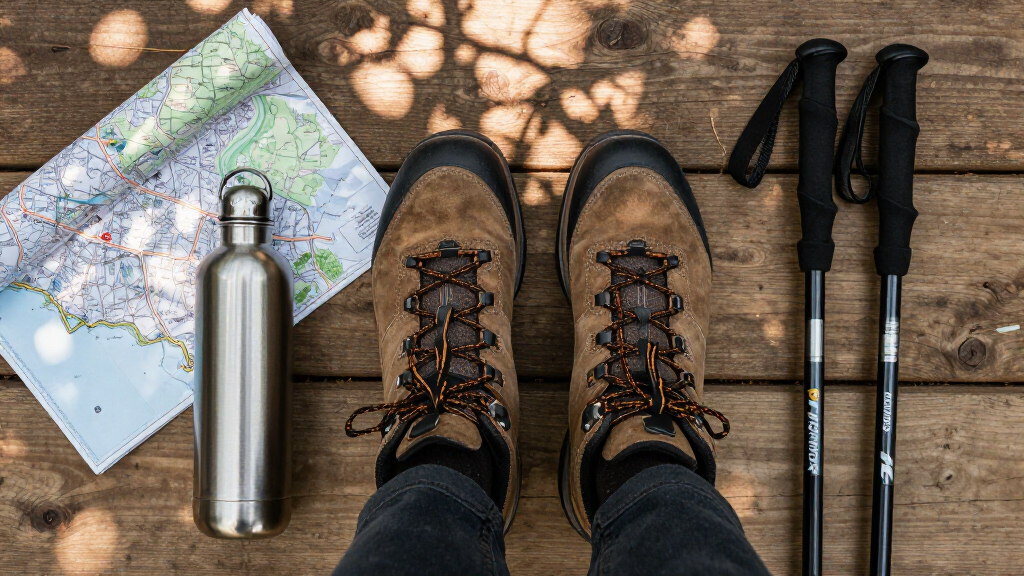

The best hiking boots balance secure footing, comfort, and weather protection without adding more weight or stiffness than your trails require. The KEEN Targhee 4 Mid is my best overall pick for hikers seeking a supportive, waterproof boot, while the Merrell Moab 3 Mid stands out as a familiar, versatile choice and the Oboz Bridger Mid B-DRY suits buyers prioritizing a more substantial build. The tradeoff is straightforward: lighter boots can feel easier on long day hikes, while stiffer, more protective designs make more sense on rough terrain or with a loaded pack. Fit, break-in, and the kind of wet conditions you face can matter as much as the boot’s feature list. Read on for the full comparison, buying advice, and picks matched to different hiking needs.

Get business pricing on tools and workshop supplies
- Business-only prices and quantity discounts
- Tax-exempt purchasing
- Multiple users, one account, clear invoices
Complete the kit


Key Takeaways
- The KEEN Targhee 4 Mid ranks first for its balance of waterproof protection, support, and everyday trail versatility; it is not automatically the best match for hikers who want the lightest feel.
- The Merrell Moab 3 Mid appears in both men’s and women’s versions, making it a versatile option to compare by fit and intended use rather than assuming one version suits every foot.
- Columbia’s Newton Ridge line offers several closely related choices; compare the men’s, women’s, and II versions carefully, since small model differences and fit should guide the choice.
- The Oboz Bridger Mid B-DRY and Timberland White Ledge Mid lean toward more substantial protection, while lightweight and ankle-high options from NORTIV 8 suit buyers who put easier movement ahead of maximum support.
- Waterproofing is a recurring strength across this lineup, but not a substitute for breathability; warm-weather hikers may prefer a less insulated, quicker-drying setup even when that means accepting less rain protection.
| KEEN Men’s Targhee 4 Mid Height Waterproof Hiking Boots |  | Best for Wide Feet and Rugged Trails | Shaft height: Mid | Waterproofing: KEEN.DRY lining | Fit: KEEN Original Fit | VIEW LATEST PRICE | See Our Full Breakdown |
| Columbia Men’s Newton Ridge Plus II Suede Waterproof Hiking Boot |  | Best for Everyday Trail Versatility | Outer material: Leather | Upper description: Waterproof suede and leather | Inner material: Cotton | VIEW LATEST PRICE | See Our Full Breakdown |
| Merrell Women’s Moab 3 Mid Waterproof Hiking Boots |  | Best for All-Round Trail Support | Shaft height: Mid | Shaft circumference: 4 inches | Waterproofing: Waterproof membrane | VIEW LATEST PRICE | See Our Full Breakdown |
| Columbia Men’s Transverse Hike Waterproof Boots | 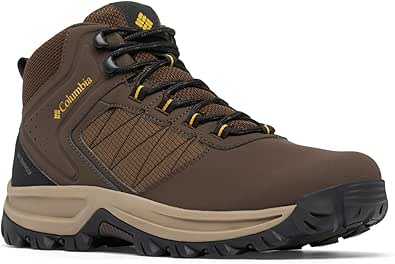 | Best Lightweight Ankle-Height Pick | Shaft height: Ankle | Waterproof technology: OMNI-TECH | Impact absorption: TECHLITE | VIEW LATEST PRICE | See Our Full Breakdown |
| NORTIV 8 Men’s Waterproof Ankle-High Hiking Boots |  | Best for Cushioned Outdoor and Work Use | Shaft height: Ankle-high | Shaft circumference: Approximately 10 inches | Waterproofing: Yes | VIEW LATEST PRICE | See Our Full Breakdown |
| KEEN Men’s Headout Mid-Height Waterproof Hiking Boots |  | Best for Roomy Toe Comfort | Upper material: Premium leather and performance mesh | Waterproofing: KEEN.DRY waterproof breathable membrane | Outsole: KEEN.ALL-TERRAIN rubber | VIEW LATEST PRICE | See Our Full Breakdown |
| Merrell Men’s Moab 3 Mid Waterproof Hiking Boots |  | Best for Long Day Hikes | Upper material: Pigskin leather and mesh | Waterproofing: Waterproof membrane | Outsole: Vibram TC5+ rubber | VIEW LATEST PRICE | See Our Full Breakdown |
| Timberland Men’s White Ledge Mid Waterproof Hiking Boots |  | Best for Durable Leather Construction | Upper material: Waterproof Timberland leather | Lining: ReBOTL fabric | Shaft height: Mid | VIEW LATEST PRICE | See Our Full Breakdown |
| Columbia Women’s Newton Ridge Plus Waterproof Hiking Boot |  | Best Lightweight Pick for Women | Upper material: Suede and leather | Waterproofing: Yes | Midsole technology: TECHLITE | VIEW LATEST PRICE | See Our Full Breakdown |
| SHULOOK Men’s Waterproof Mid-Top Hiking Boots |  | Best Lightweight Synthetic Pick | Upper material: Synthetic suede and fabric | Waterproofing: SL-TEX waterproof membrane | Weight: 1.25 lb (size 10) | VIEW LATEST PRICE | See Our Full Breakdown |
| NORTIV 8 Men’s Waterproof Lightweight Hiking Boots |  | Best for Wide Feet | Outer material: Suede and faux leather | Sole material: EVA and rubber | Shaft height: Ankle | VIEW LATEST PRICE | See Our Full Breakdown |
| Columbia Men’s Fairbanks Mid Hiking Boots |  | Best for Town-to-Trail Wear | Shaft height: Ankle | Shaft circumference: 1 inch | Sole material: Rubber | VIEW LATEST PRICE | See Our Full Breakdown |
| Oboz Men’s Bridger Mid B-DRY Waterproof Hiking Boots |  | Best for Demanding Trails | Upper material: Waterproof nubuck and durable textile | Fabric type: 100% leather | Shaft height: 4.5 inches | VIEW LATEST PRICE | See Our Full Breakdown |
| Columbia Men’s Newton Ridge Plus II Waterproof Hiking Boot |  | Best Lightweight All-Rounder | Shaft height: Ankle | Sole material: Rubber | Upper: Waterproof leather and mesh | VIEW LATEST PRICE | See Our Full Breakdown |
| hiking boot | Shaft height | Waterproofing | Insole | Sole material |
|---|---|---|---|---|
| KEEN Men’s Targhee 4 Mid Heigh | Mid | KEEN.DRY lining | Removable Luftcell footbed | — |
| Columbia Men’s Newton Ridge Pl | — | — | — | Rubber |
| Merrell Women’s Moab 3 Mid Wat | Mid | Waterproof membrane | Removable contoured insole with reinforced heel cushioning | — |
| Columbia Men’s Transverse Hike | Ankle | — | — | Rubber |
| NORTIV 8 Men’s Waterproof Ankl | Ankle-high | Yes | Removable, shock-absorbent cushioned | Rubber |
| KEEN Men’s Headout Mid-Height | Ankle | KEEN.DRY waterproof breathable membrane | — | — |
| Merrell Men’s Moab 3 Mid Water | Mid | Waterproof membrane | Removable Kinetic Fit ADVANCED | — |
| Timberland Men’s White Ledge M | Mid | — | — | — |
| Columbia Women’s Newton Ridge | — | Yes | — | Rubber |
| SHULOOK Men’s Waterproof Mid-T | — | SL-TEX waterproof membrane | Removable memory foam | — |
| NORTIV 8 Men’s Waterproof Ligh | Ankle | Waterproof construction | Removable, with arch support | EVA and rubber |
| Columbia Men’s Fairbanks Mid H | Ankle | OMNI-TECH multilayered, seam-sealed construction | — | Rubber |
| Oboz Men’s Bridger Mid B-DRY W | 4.5 inches | B-DRY waterproof membrane | Triple-density EVA | — |
| Columbia Men’s Newton Ridge Pl | Ankle | Waterproof construction | — | Rubber |
More Details on Our Top Picks
KEEN Men’s Targhee 4 Mid Height Waterproof Hiking Boots
The KEEN Targhee 4 Mid is the most protective choice here for hikers who want a roomy fit and dependable footing on uneven ground. Its KEEN Original Fit gives toes more space than a conventional, narrower-feeling boot may offer, while the rubber toe guard and bruise plate add protection on rocky routes. The KEEN.ALL-TERRAIN outsole and waterproof KEEN.DRY lining make it better suited to muddy, wet outings than a lighter ankle-height option such as the Columbia Transverse Hike. The tradeoff is weight: this supportive, protective build may feel cumbersome to hikers who prefer nimble footwear. Its wide fit can also feel too roomy for those with narrow feet. I’d choose it for demanding trails and skip it for fast, light day hikes.
Pros:- Roomy KEEN Original Fit accommodates wider feet
- KEEN.DRY waterproof lining helps keep feet dry
- All-terrain rubber outsole is suited to muddy and rocky surfaces
- Bruise plate and abrasion-resistant toe guard add trail protection
Cons:- Wide fit may feel loose on narrow feet
- More substantial build may feel heavy beside lighter hiking footwear
Best for: Hikers with wider feet who want a waterproof mid-height boot with toe protection for rocky and muddy trails
Not ideal for: Hikers with narrow feet or those prioritizing minimal weight and a nimble feel
- Shaft height:Mid
- Waterproofing:KEEN.DRY lining
- Fit:KEEN Original Fit
- Outsole:KEEN.ALL-TERRAIN rubber
- Insole:Removable Luftcell footbed
- Construction:Direct-attach
- Protection:Bruise plate and high-abrasion rubber toe guard
- Laces:Recycled PET
Our verdict“Choose the Targhee 4 for a roomy, protective fit on rugged wet trails, but look elsewhere if you want a light or narrow-fitting boot.”
Columbia Men’s Newton Ridge Plus II Suede Waterproof Hiking Boot
The Columbia Newton Ridge Plus II is a practical pick for hikers who want a classic leather-and-suede boot for mixed outdoor use rather than the more specialized protection of the KEEN Targhee 4 Mid. Its Omni-Grip traction is intended for varied terrain, while the lightweight midsole offers a more comfort-focused feel than a heavily reinforced boot. The waterproof upper adds weather protection, though it can limit airflow when conditions are warm or the pace is brisk. Columbia lists leather as the outer material and cotton as the inner material, but the supplied specs don’t identify the waterproof technology or shaft height, so buyers seeking detailed construction information may prefer the more fully specified Merrell Moab 3 Mid. This makes the most sense for general trail days and everyday outdoor wear, not hot-weather hikes where breathability is a priority.
Pros:- Waterproof suede and leather upper offers weather protection
- Omni-Grip outsole is designed for varied terrain
- Lightweight midsole supports comfortable walking
- Classic materials suit both trails and casual outdoor use
Cons:- Waterproof materials may feel less breathable in warm conditions
- Provided specifications omit shaft height and the waterproof technology
- May feel heavier than non-waterproof hiking footwear
Best for: Hikers seeking a leather-and-suede waterproof boot for moderate trails and everyday outdoor use
Not ideal for: Warm-weather hikers who need strong airflow or buyers who want detailed fit and waterproof-construction specifications
- Outer material:Leather
- Upper description:Waterproof suede and leather
- Inner material:Cotton
- Sole material:Rubber
- Traction:Omni-Grip multi-terrain outsole
- Midsole:Lightweight midsole
- Closure:Adjustable lace-up
- Origin:Imported
Our verdict“Pick the Newton Ridge Plus II for straightforward, versatile trail use in wet conditions, but choose a more breathable or more fully specified boot for demanding needs.”
Merrell Women’s Moab 3 Mid Waterproof Hiking Boots
The Merrell Women’s Moab 3 Mid balances cushioning, grip, and protection in a way that suits hikers who want one boot for varied outdoor routes. Its Vibram TC5+ outsole gives it a more explicitly trail-focused footing package than the Columbia Newton Ridge Plus II, while the lightweight EVA midsole and reinforced heel cushioning help soften repeated steps. A bellows tongue and protective toe cap add practical barriers against trail debris. The tradeoff is fit: the supplied guidance recommends sizing up, so it may take more care to find the right size than the straightforward lace-up description suggests. It may also feel overbuilt for casual walks compared with the lower, ankle-height Columbia Transverse Hike. I’d favor it for regular hikes where support and grip matter more than a lightweight, casual feel.
Pros:- Vibram TC5+ rubber outsole provides trail-ready traction
- Removable contoured insole has reinforced heel cushioning
- Waterproof design and protective toe cap suit variable trail conditions
- Bellows tongue helps keep debris from entering the boot
Cons:- Sizing guidance recommends going up, which can complicate fit selection
- More substantial construction may feel heavy for casual wear
- Mid-height build may be more boot than some light day hikers need
Best for: Women who hike varied trails and want a waterproof mid boot with cushioned support and durable outsole grip
Not ideal for: Casual walkers seeking a lightweight everyday shoe or buyers who cannot accommodate the suggested size-up fit
- Shaft height:Mid
- Shaft circumference:4 inches
- Waterproofing:Waterproof membrane
- Upper:Pigskin leather and mesh
- Insole:Removable contoured insole with reinforced heel cushioning
- Midsole:Lightweight EVA foam
- Outsole:Vibram TC5+ rubber
- Closure:Lace-up
- Protection:Bellows tongue and protective toe cap
Our verdict“Choose the Moab 3 Mid for cushioned support and trail traction across varied hikes, provided you can dial in its fit and don’t mind a more substantial boot.”
Columbia Men’s Transverse Hike Waterproof Boots
The Columbia Transverse Hike is the ankle-height choice for hikers who want waterproof protection without the taller profile of the KEEN Targhee 4 Mid. Its OMNI-TECH construction pairs waterproofing with breathability, while TECHLITE impact absorption is designed to make long stretches of walking feel less harsh. OMNI-GRIP traction adds versatility across varied surfaces. Compared with the mid-height Merrell Moab 3 Mid, its shorter shaft offers less coverage around the ankle, so it’s a better match for moderate routes than hikers who specifically want a taller boot around rough terrain. The leather-and-mesh upper balances durability and airflow, but the boot may need breaking in before longer outings. I’d choose it for day hikes where lower weight and a shorter cut take priority over extra coverage.
Pros:- OMNI-TECH construction combines waterproofing with breathability
- TECHLITE impact absorption supports comfort on extended walks
- OMNI-GRIP outsole is designed for varied terrain
- Leather-and-mesh upper combines durable material with mesh
Cons:- Ankle-height shaft offers less coverage than mid-height options
- May need breaking in before longer hikes
Best for: Day hikers who want waterproof, cushioned ankle-height boots for moderate trails and mixed conditions
Not ideal for: Hikers seeking mid-height ankle coverage or those who need a boot ready for long outings without a break-in period
- Shaft height:Ankle
- Waterproof technology:OMNI-TECH
- Impact absorption:TECHLITE
- Traction technology:OMNI-GRIP
- Upper:Leather and mesh
- Sole material:Rubber
- Hardware:Metal
- Cushioning:Responsive cushioning
Our verdict“Choose the Transverse Hike for cushioned waterproof performance in a shorter boot, but opt for a mid-height model if ankle coverage is a priority.”
NORTIV 8 Men’s Waterproof Ankle-High Hiking Boots
The NORTIV 8 Waterproof Ankle-High stands out for a comfort-focused setup that can serve on trails and during outdoor work. Its removable shock-absorbent insole gives buyers the option to replace or remove the cushioning, while a flexible EVA midsole is designed to reduce foot fatigue. Rubber soles are intended to grip wet or muddy ground. Compared with the Columbia Transverse Hike, this pair also uses an ankle-height cut but provides less specific information about waterproof technology, cushioning systems, and fit. Its nylon and faux-leather upper makes it a less traditional material choice than the leather-and-mesh Columbia. The main compromise is uncertainty: the supplied details don’t establish how its sizing runs or how its construction performs across demanding hikes. It makes more sense for mixed everyday outdoor use than for buyers seeking highly specified trail gear.
Pros:- Removable shock-absorbent cushioned insole
- Flexible EVA midsole is designed to reduce foot fatigue
- Rubber sole is intended to grip wet and muddy surfaces
- Ankle-height design suits outdoor activities and daily work
Cons:- Fit and sizing details are not provided
- Waterproof technology and construction specifics are not identified
- Nylon and faux leather offer a different material feel from leather-and-mesh options
Best for: Outdoor workers and casual hikers who want cushioned ankle-height boots for wet or muddy everyday use
Not ideal for: Hikers planning demanding, technical routes or buyers who need detailed fit and construction information before choosing
- Shaft height:Ankle-high
- Shaft circumference:Approximately 10 inches
- Waterproofing:Yes
- Outer material:Nylon and faux leather
- Sole material:Rubber
- Midsole:EVA
- Insole:Removable, shock-absorbent cushioned
Our verdict“Pick the NORTIV 8 for cushioned, wet-weather everyday use, but choose a more fully specified boot for technical hikes or fit-sensitive purchases.”
KEEN Men’s Headout Mid-Height Waterproof Hiking Boots
The KEEN Original Fit gives toes more room to spread than a close-fitting boot, making the Headout a strong choice for hikers who find many mids cramped. Its KEEN.DRY membrane pairs with leather and mesh, while the supportive shank and cushioned removable footbed add structure for uneven trails. Compared with the Merrell Moab 3 Mid, the Headout emphasizes a spacious forefoot and 4 mm lugs; the Moab specifies a Vibram TC5+ outsole and Air Cushion. That makes the Merrell a clearer pick for shoppers prioritizing its named sole and impact cushioning, while the KEEN suits those who want extra toe room. The tradeoff is leather upkeep: tough stains may call for brushing or specialized cleaner, so it is less appealing for hikers who want minimal care.
Pros:- Roomy toe box gives toes more space than a close-fitting design.
- KEEN.DRY membrane combines waterproof protection with breathability.
- Supportive shank and removable cushioned footbed add structure on rough trails.
- Multi-directional 4 mm lugs are designed for muddy and rocky ground.
Cons:- Leather may need brushing or specialized cleaner to remove tough stains.
- The spacious fit may feel loose to hikers who prefer a snug forefoot.
Best for: Hikers with wider forefeet or toe crowding who want a waterproof mid boot with a removable, arch-supporting footbed.
Not ideal for: Hikers who want a low-maintenance synthetic upper or a narrowly fitted forefoot.
- Upper material:Premium leather and performance mesh
- Waterproofing:KEEN.DRY waterproof breathable membrane
- Outsole:KEEN.ALL-TERRAIN rubber
- Lug depth:4 mm
- Shaft height:Ankle
- Closure:Speed lace system
- Footbed:Removable with arch support
- Fit:KEEN Original Fit with room for toes
Our verdict“Choose the Headout if toe room and a supportive waterproof mid matter more to you than low-maintenance materials.”
Merrell Men’s Moab 3 Mid Waterproof Hiking Boots
The Moab 3 Mid balances trail support and cushioning with a lightweight EVA midsole, removable Kinetic Fit ADVANCED insole, and Merrell Air Cushion. Its Vibram TC5+ outsole gives this model a specifically identified traction platform, while the waterproof membrane, bellows tongue, and toe cap address wet conditions and trail debris. Compared with the KEEN Headout, the Moab has a narrower listed shaft circumference and more named impact-cushioning details; the Headout instead highlights a roomy toe area and 4 mm lugs. The Merrell is a good fit for hikers after a feature-rich mid for extended outings, but it may feel heavier than trail-specific shoes and its shaft can restrict ankle movement for some. Choose a more flexible option if unrestricted ankle mobility matters most.
Pros:- Vibram TC5+ rubber outsole provides a specified traction platform.
- Removable Kinetic Fit ADVANCED insole and EVA midsole support comfort over longer hikes.
- Waterproof membrane and bellows tongue help keep moisture and debris out.
- Protective toe cap and Merrell Air Cushion add trail protection and shock absorption.
Cons:- May feel heavier than trail-specific shoes.
- Mid-height shaft may limit ankle mobility for some hikers.
Best for: Hikers planning extended day outings who want a waterproof mid boot with a removable support insole and protective details.
Not ideal for: Hikers seeking a very light, flexible shoe or who find mid-height shafts restrictive around the ankle.
- Upper material:Pigskin leather and mesh
- Waterproofing:Waterproof membrane
- Outsole:Vibram TC5+ rubber
- Midsole:Lightweight EVA foam
- Insole:Removable Kinetic Fit ADVANCED
- Shaft height:Mid
- Shaft circumference:4 inches
- Laces:100% recycled
Our verdict“Pick the Moab 3 Mid for longer hikes when waterproof protection, cushioning, and a named Vibram outsole outweigh a lighter, freer-moving feel.”
Timberland Men’s White Ledge Mid Waterproof Hiking Boots
The White Ledge Mid is the leather-forward choice here: its waterproof Timberland leather upper, gusseted tongue, and rustproof hardware are suited to hikers who want a straightforward boot built for wet outdoor use. The gusseted tongue helps limit debris entering around the laces, while the EVA footbed and midsole provide cushioning without a more elaborate support system. Compared with the KEEN Headout, the White Ledge puts less emphasis on a roomy toe fit and specified lug depth, and more on leather construction and hardware durability. The Columbia Newton Ridge Plus offers a lighter, traction-focused alternative, but the Timberland may appeal more to buyers who prefer a substantial leather upper. Its weight is a drawback on long routes, and the listed details provide less information about outsole grip than several rivals.
Pros:- Waterproof Timberland leather upper is suited to wet outdoor conditions.
- Gusseted tongue helps keep trail debris from entering the boot.
- Rustproof hardware is designed to resist corrosion over time.
- EVA footbed and midsole provide cushioning.
Cons:- May feel heavy during long hikes or fast-paced outings.
- Provided specifications do not identify outsole traction technology or lug depth.
- Limited color options may not suit shoppers seeking more choice.
Best for: Hikers who prefer a waterproof leather boot with a gusseted tongue and rust-resistant hardware for general outdoor use.
Not ideal for: Fast-moving hikers who prioritize low weight or buyers who need detailed information about lug design and trail grip.
- Upper material:Waterproof Timberland leather
- Lining:ReBOTL fabric
- Shaft height:Mid
- Shaft circumference:9.75 inches
- Outsole:Rubber
- Footbed:EVA
- Midsole:EVA
- Hardware:Rustproof
Our verdict“Choose the White Ledge if durable waterproof leather and debris protection matter more than a lighter feel or clearly specified traction features.”
Columbia Women’s Newton Ridge Plus Waterproof Hiking Boot
The Newton Ridge Plus is the lighter-feeling option in this group, with Columbia’s TECHLITE midsole and Omni-GRIP outsole aimed at cushioning and traction across varied terrain. Its suede-and-leather exterior adds a more traditional boot feel than the synthetic upper of the SHULOOK, while waterproof construction and reinforced toe and heel suit regular trail use. Compared with the KEEN Headout, the Columbia lists a narrower shaft circumference and no roomy-toe fit, so it is a better match for shoppers who do not need extra forefoot space. The tradeoff is fit precision: the supplied guidance says it may run true to size, so choosing the correct size matters, and the shorter shaft may not work for taller calves. It is less suited to buyers seeking a higher-cut boot or a notably generous fit.
Pros:- TECHLITE midsole is designed to cushion without a heavy feel.
- Omni-GRIP outsole targets traction across varied terrain.
- Waterproof suede-and-leather construction suits wet trail conditions.
- Reinforced toe and heel help protect high-wear areas.
Cons:- Sizing accuracy matters, as the boot may run true to size.
- Short shaft may be uncomfortable for hikers with taller calves.
Best for: Women hikers who want a comparatively lightweight waterproof boot with named cushioning and traction technologies for varied trails.
Not ideal for: Hikers with taller calves who need more shaft room, or buyers who want an explicitly roomy toe fit.
- Upper material:Suede and leather
- Waterproofing:Yes
- Midsole technology:TECHLITE
- Traction outsole:Omni-GRIP
- Sole material:Rubber
- Shaft circumference:Less than 6 inches
- Origin:Imported
Our verdict“The Newton Ridge Plus makes sense for women seeking a lighter waterproof boot with defined traction and cushioning, provided the shaft and sizing suit them.”
SHULOOK Men’s Waterproof Mid-Top Hiking Boots
The SHULOOK Mid-Top prioritizes a light build and cushioned feel, pairing a synthetic suede-and-fabric upper with a removable memory foam insole and EVA midsole. Its listed weight of 1.25 lb for size 10 offers a useful reference for hikers who want to avoid a heavier leather boot such as the Timberland White Ledge. A waterproof SL-TEX membrane, breathable lining, toe guard, and rubber traction outsole cover the basics for mixed outdoor use. Compared with the Merrell Moab 3 Mid, SHULOOK gives less detail about its outsole technology and support structure, but its memory foam insole and stated weight may suit buyers focused on light cushioning. The tradeoff is limited confidence about fit and performance details from the supplied specifications; the weight also applies only to size 10.
Pros:- Listed weight of 1.25 lb for size 10 provides a light-build reference.
- SL-TEX waterproof membrane and breathable lining combine weather protection with airflow.
- Removable memory foam insole and EVA midsole add cushioning.
- Rubber toe guard provides protection against trail contact.
Cons:- Weight specification applies only to size 10.
- Outsole details do not identify a specific traction technology or lug design.
- Provided specifications offer less detail about support than the Merrell Moab 3 Mid.
Best for: Hikers who want a lightweight-feeling waterproof mid-top with a removable cushioned insole for casual trails and outdoor use.
Not ideal for: Hikers who need a named technical outsole, detailed support specifications, or a weight figure matched to their shoe size.
- Upper material:Synthetic suede and fabric
- Waterproofing:SL-TEX waterproof membrane
- Weight:1.25 lb (size 10)
- Outsole:Synthetic rubber
- Closure:Lace-up
- Insole:Removable memory foam
- Midsole:EVA
Our verdict“Choose SHULOOK for a lightweight-feeling, cushioned waterproof boot if you do not need the detailed traction and support specifications offered by some alternatives.”
NORTIV 8 Men’s Waterproof Lightweight Hiking Boots
The NORTIV 8 Men’s Waterproof Lightweight Hiking Boots are a practical choice for hikers who prioritize roomier fit and protective details over a finely tuned technical build. Their waterproof construction, rubber toe cap, and reinforced heel help shield feet on everyday trails, while the removable insole gives buyers the option to adjust the underfoot feel or use a preferred insert. Compared with the Oboz Men’s Bridger Mid B-DRY, this pair has fewer specified support and tread details, so I’d favor Oboz for demanding, rocky outings. NORTIV 8’s appeal is its straightforward, wide-foot-friendly design for casual hikes and outdoor chores. The tradeoff is that it may feel heavy, and the product information does not specify a specialized traction system or shaft height beyond its ankle cut.
Pros:- Waterproof construction helps keep feet dry in wet conditions.
- Rubber toe cap and reinforced heel add protection against trail knocks.
- Removable insole allows room for a preferred insert or fit adjustment.
- Designed with wide feet in mind.
Cons:- May feel heavy compared with lightweight-focused options such as the Columbia Fairbanks Mid.
- No dedicated traction system or detailed tread performance is specified.
- Ankle-height cut offers less coverage than a higher boot.
Best for: Hikers with wider feet who want waterproof ankle boots with toe and heel protection for casual trails and outdoor errands.
Not ideal for: Ultralight hikers or people tackling technical, rocky routes who need clearly specified trail traction and a lower-weight boot.
- Outer material:Suede and faux leather
- Sole material:EVA and rubber
- Shaft height:Ankle
- Shaft circumference:30.8 cm
- Waterproofing:Waterproof construction
- Insole:Removable, with arch support
- Protection:Rubber toe cap and reinforced heel
Our verdict“Choose this pair if you need a waterproof hiking boot designed for wider feet and value protective details over a lighter, more technical build.”
Columbia Men’s Fairbanks Mid Hiking Boots
The Columbia Men’s Fairbanks Mid is the most versatile pick here for buyers who want one waterproof boot for everyday wear and moderate hikes. Its OMNI-TECH seam-sealed construction is designed to keep water out while allowing breathability, and TECHLITE cushioning helps soften impact without making the boot’s appeal depend on a heavy, rugged build. The OMNI-GRIP outsole is specified for wet and dry terrain, giving it a clearer all-around traction story than the NORTIV 8 boot. Compared with the Oboz Men’s Bridger Mid B-DRY, though, the Fairbanks is positioned more for mixed daily use than extended, demanding trail days. Its main limitation is weather range: the description points to moderate rain and snow, not prolonged severe conditions.
Pros:- Seam-sealed OMNI-TECH construction combines waterproofing with breathability.
- TECHLITE cushioning is designed to absorb impact with lightweight feel.
- OMNI-GRIP traction is specified for wet and dry surfaces.
- Versatile styling suits both trail and town use.
Cons:- Described for moderate rain and snow rather than prolonged severe weather.
- No specific fit details are provided for buyers with wide or narrow feet.
- Durability and long-distance support are not detailed as extensively as on the Oboz Bridger Mid.
Best for: Hikers and commuters who want a breathable waterproof boot for moderate trails, wet-weather errands, and everyday use.
Not ideal for: Backpackers heading into prolonged severe weather or demanding terrain who want detailed durability and extended-hike support features.
- Shaft height:Ankle
- Shaft circumference:1 inch
- Sole material:Rubber
- Waterproofing:OMNI-TECH multilayered, seam-sealed construction
- Cushioning:TECHLITE lightweight impact absorption
- Traction:OMNI-GRIP for wet and dry terrain
- Origin:Imported
Our verdict“Pick the Fairbanks Mid if you want a cushioned, waterproof boot that can move between moderate hikes and daily wear.”
Oboz Men’s Bridger Mid B-DRY Waterproof Hiking Boots
For long days on rough or wet trails, the Oboz Men’s Bridger Mid B-DRY offers the most trail-focused package in this group. The B-DRY waterproof membrane, Trail Tread HD rubber outsole, and triple-density EVA insole combine weather protection, grip, and structured cushioning—useful when the route is more than a maintained path. Its waterproof nubuck and textile upper also has a rubber toe cap and heel counter for added protection. Compared with the lighter, town-friendly Columbia Men’s Fairbanks Mid, the Bridger is better equipped for extended outdoor use, but its listed weight of 19 ounces per half pair makes it a less compelling choice for hikers counting every ounce. The 4.5-inch shaft offers mid-cut coverage, though buyers wanting a high-cut boot should look elsewhere.
Pros:- B-DRY membrane provides waterproofing with breathability.
- Trail Tread HD rubber is designed for grip across varied trail conditions.
- Triple-density EVA insole supplies cushioned support for longer outings.
- Nubuck and textile upper has a rubber toe cap and heel counter.
Cons:- At 19 ounces per half pair, it may feel heavy to ultralight hikers.
- The 4.5-inch mid-cut shaft provides less coverage than a high-cut boot.
- More trail-oriented construction may be unnecessary for buyers mainly seeking an everyday boot like the Columbia Fairbanks Mid.
Best for: Day hikers and backpackers who regularly cover rocky, wet trails and want structured cushioning, grip, and reinforced protection.
Not ideal for: Ultralight hikers or buyers who need a high-cut boot for more ankle coverage and prefer a lower-weight option.
- Upper material:Waterproof nubuck and durable textile
- Fabric type:100% leather
- Shaft height:4.5 inches
- Weight:19 oz per half pair
- Waterproofing:B-DRY waterproof membrane
- Insole:Triple-density EVA
- Traction:Trail Tread HD rubber
- Reinforcements:Rubber toe cap and heel counter
Our verdict“Choose the Bridger Mid if demanding trails and supportive cushioning matter more to you than minimizing boot weight.”
Columbia Men’s Newton Ridge Plus II Waterproof Hiking Boot
The Columbia Men’s Newton Ridge Plus II is a straightforward all-rounder for hikers who want waterproof coverage, cushioning, and multi-terrain traction without moving to the more heavily specified Oboz Bridger. Its waterproof leather-and-mesh construction balances protection with breathability, while the lightweight midsole is designed for impact absorption and energy return. The lace-up closure lets wearers adjust the fit, a useful advantage for dialing in comfort over a full day. Compared with the Columbia Fairbanks Mid, this model’s description emphasizes rugged trail use rather than town-to-trail styling; compared with Oboz, it provides less detail about its insole and reinforced upper. Fit may require careful sizing, and the available product information does not specify a shaft measurement or a particular waterproof membrane.
Pros:- Waterproof leather-and-mesh construction offers protection with breathability.
- Lightweight midsole is designed for cushioning and energy return.
- OMNI-GRIP traction system is intended for multiple terrain types.
- Lace-up closure allows fit adjustment.
Cons:- Careful sizing may be needed to achieve a comfortable fit.
- The product details do not provide a specific shaft height measurement.
- Insole construction and protective reinforcements are less fully specified than on the Oboz Bridger Mid.
Best for: Day hikers seeking a lightweight, waterproof ankle boot with adjustable lacing and traction for varied trail surfaces.
Not ideal for: Hikers who need detailed fit guidance, a specified waterproof membrane, or the reinforced support features listed for the Oboz Bridger Mid.
- Shaft height:Ankle
- Sole material:Rubber
- Upper:Waterproof leather and mesh
- Waterproofing:Waterproof construction
- Midsole:Lightweight, durable, with high energy return
- Traction system:OMNI-GRIP multi-terrain
- Closure:Lace-up
Our verdict“Choose the Newton Ridge Plus II if you want a lightweight waterproof boot with adjustable fit for varied day-hiking terrain.”

How We Picked
I compared all 14 boots through the needs that shape a hiking-boot purchase: foot and ankle support, traction, waterproof protection, expected comfort, weight, and versatility. I also looked at how each model’s design fits its likely role, from general day hiking to lighter outings or more demanding routes. Because a boot can feel secure on uneven ground yet be tiring over long distances, I treated support and weight as competing priorities rather than assuming that more structure is always better.
The ranking favors boots that offer a useful balance for a broad range of hikers, with specialized picks placed lower when their strengths serve a narrower need. Fit and intended terrain carry more weight than feature count: a waterproof membrane has little value if the boot rubs, and ankle height alone does not guarantee support. Closely related versions, including the Newton Ridge and Moab models, are distinguished by intended fit and the choice a buyer should make, not by assuming that a model name alone predicts comfort. No single boot fits every foot, so I treat trying boots on with hiking socks and checking return terms as part of the selection process.
| hiking boot | Sole material | Midsole |
|---|---|---|
| KEEN Men’s Targhee 4 Mid Heigh | — | — |
| Columbia Men’s Newton Ridge Pl | Rubber | Lightweight midsole |
| Merrell Women’s Moab 3 Mid Wat | — | Lightweight EVA foam |
| Columbia Men’s Transverse Hike | Rubber | — |
| NORTIV 8 Men’s Waterproof Ankl | Rubber | EVA |
| KEEN Men’s Headout Mid-Height | — | — |
| Merrell Men’s Moab 3 Mid Water | — | Lightweight EVA foam |
| Timberland Men’s White Ledge M | — | EVA |
| Columbia Women’s Newton Ridge | Rubber | — |
| SHULOOK Men’s Waterproof Mid-T | — | EVA |
| NORTIV 8 Men’s Waterproof Ligh | EVA and rubber | — |
| Columbia Men’s Fairbanks Mid H | Rubber | — |
| Oboz Men’s Bridger Mid B-DRY W | — | — |
| Columbia Men’s Newton Ridge Pl | Rubber | Lightweight, durable, with high energy return |
Factors to Consider When Choosing Best Hiking Boots
Boot names and feature lists can make similar-looking options seem interchangeable. I would start with the hike you actually plan to take, then use fit, terrain, weather, and pack weight to narrow the field. These choices help prevent common mismatches, such as buying a stiff boot for smooth day trails or relying on waterproofing in hot conditions where ventilation matters more.
Match Support to Terrain and Pack Weight
For maintained trails and short day hikes, a flexible boot may feel more comfortable than a rigid design that needs time to soften. Rocky, uneven routes and heavier packs can make a more supportive platform worthwhile because your feet work harder to stay stable over shifting ground. A common mistake is choosing the tallest or stiffest boot simply because it appears more protective. Ankle coverage does not replace a well-fitting heel and stable sole, and it cannot prevent every twist or fall. If possible, try boots on a sloped surface or walk on uneven ground in the shop to check whether your foot shifts inside. Match structure to the terrain you hike most, not the most demanding trip you might take someday.
Treat Fit as a Performance Feature
A boot that fits poorly can cause blisters, toe impact, and foot fatigue even if its materials and tread suit the trail. Try boots later in the day, when feet may be more swollen, and wear the socks you expect to hike in. Leave room for your toes to spread and move downhill without striking the front, while checking that the heel stays seated. Do not assume that the same size will fit across brands or even closely related models. If you use custom insoles, bring them along; they can change both volume and heel hold. When fit is uncertain, a clear return policy is more useful than guessing from a size chart alone.
Choose Waterproofing for Your Conditions
Waterproof membranes can help on wet trails, in rain, and around shallow puddles, but they can also hold warmth and slow drying after water enters over the cuff. That makes them a sensible choice for cool, damp conditions and a less automatic pick for hot, dry hikes. Consider whether you encounter persistent rain, wet vegetation, or stream crossings rather than treating waterproofing as a universal upgrade. For deep water, a mid-height boot is not a substitute for a taller barrier or careful crossing. Waterproof boots still need care: clean mud from the upper and let them dry away from direct heat. If your routes are usually dry and warm, ventilation and drying speed may matter more than a waterproof label.
Read Tread in the Context of Your Routes
Traction depends on the shape and spacing of the lugs as well as the rubber compound, and no tread pattern performs the same on every surface. Deeper, more separated lugs can shed mud more readily, while a flatter, closer pattern may feel smoother on packed paths and hard ground. Think about the surfaces you encounter most: slick roots, loose gravel, muddy climbs, or maintained dirt trails. A deep tread can feel awkward on pavement and may collect debris when its lugs are widely spaced. Also check how much of the sole contacts hard ground, since that affects comfort when you walk to and from the trail. Choose for your usual terrain rather than the most dramatic-looking sole.
Weigh Boot Mass Against Protection
More material and a supportive build can add confidence underfoot, but extra mass is repeated with every step over a long hike. Lighter boots often suit day hikers, travel, and routes where speed and ease matter more than carrying a heavy pack. A sturdier boot can make sense for rough terrain, frequent wet weather, or hikers who prefer a more protective feel. Do not judge weight in isolation: a light boot that lacks the fit or support you need may leave your feet tired sooner. Compare the complete pair in your hands, then test how the boot bends and whether its structure matches your route. Paying more for added protection makes sense only when those features solve a real need.
Plan for Break-In and Long-Term Care
Even comfortable boots may need short walks before a full day on the trail, particularly if the upper or sole feels stiff at first. Wear them around home and on brief outings, and stop if you notice hot spots rather than hoping they will disappear during a long hike. Keep the boots clean, dry them at room temperature, and follow the maker’s guidance for treating the upper so you do not damage its finish. Waterproofing can decline with wear, so inspect the boots when water no longer beads as expected. Laces, insoles, and socks can also affect comfort and can be replaced as they wear. A small amount of preparation can reveal fit problems before a remote hike does.
Frequently Asked Questions
Should I choose a waterproof boot for summer hiking?
Choose waterproof boots for summer if your routes often involve rain, wet grass, or muddy ground, especially in cooler conditions. In hot, dry weather, a waterproof membrane can trap warmth and take longer to dry if water gets in over the top. Consider the conditions you encounter most rather than treating waterproofing as a default requirement. If your hikes cross streams, remember that a mid-height boot can still let water in at the cuff. Fit and comfort remain more important than a membrane you rarely need.
How much room should I leave at the front of a hiking boot?
Your toes should have room to spread and should not hit the front when you walk downhill, but your foot should not slide forward inside the boot. Try boots with your usual hiking socks and lace them as you would on a trail. Check heel movement too: excessive lift can create rubbing even when the toe box feels roomy. Foot shape varies, so sizing up is not always the right fix for a tight forefoot. If you are between sizes or use an insole, test both options while walking on an incline if you can.
Do mid-height hiking boots protect my ankles better than low-cut shoes?
A mid-height collar covers more of the ankle, but collar height alone does not guarantee stability or prevent injury. A secure heel, a well-laced fit, and a sole suited to the terrain all contribute to how controlled a boot feels. Mid-height designs may appeal to hikers carrying a pack or walking on uneven ground, while low-cut footwear can feel lighter and less restrictive on smooth trails. The right choice depends on your comfort, route, and load. Do not choose a taller boot if its collar rubs or the fit makes your stride feel unnatural.
Can I use a waterproof mid boot for backpacking?
You can use one for backpacking if it fits securely, supports your feet under your expected load, and performs well on the terrain you will cover. The label alone does not tell you whether a boot is supportive enough for a multi-day trip. Test it with your loaded pack before setting out, since added weight can expose pressure points and foot fatigue that do not show up on short walks. Check the sole, heel hold, and comfort over several hours, not just during a quick try-on. For rough routes or heavier loads, a more supportive model may be worth the extra weight.
Is the Merrell Moab 3 Mid or Columbia Newton Ridge a better first hiking boot?
Neither model is the right first boot for everyone; the better choice is the one that fits your foot securely and suits your usual trails. The Moab 3 Mid is a versatile option to compare for everyday hiking, while the Newton Ridge line gives buyers several closely related versions to check by fit and intended use. Try the exact version you plan to buy, since model names and gender-specific designs do not guarantee the same feel. Compare toe room, heel hold, and comfort with hiking socks. A beginner is better served by a comfortable, manageable boot than by extra stiffness they do not need.
Conclusion
For a single pair to cover a range of wet-weather day hikes, I would start with the KEEN Targhee 4 Mid as the best overall choice. The Columbia Newton Ridge models and NORTIV 8 options are my value-minded picks for shoppers comparing straightforward trail use, while the Oboz Bridger Mid B-DRY is the best premium-leaning choice for hikers who want a more substantial build and are comfortable with added structure. For beginners, I would compare the Merrell Moab 3 Mid and Newton Ridge versions in person, choosing by fit rather than reputation. If you want lighter movement, consider the NORTIV 8 lightweight or ankle-high options; for a more protective feel, compare the KEEN Targhee and Oboz Bridger. The best choice is the one that fits securely and matches the weather, terrain, and pack you actually hike with.