
TL;DR
An Ideal Home report says residents in England generally have to clear leaves that fall naturally from a neighbour’s tree onto their driveway. Deliberately moving garden waste onto someone else’s property is different and may prompt council action, while wet leaves can create a safety risk for visitors.
Residents generally must clear leaves that fall naturally from a neighbour’s tree onto their driveway, according to property experts cited by Ideal Home, while deliberately moving garden waste onto someone else’s land may lead to council action. The distinction matters both for neighbour disputes and because wet leaves can create a slipping hazard for visitors.

Get business pricing on tools and workshop supplies
- Business-only prices and quantity discounts
- Tax-exempt purchasing
- Multiple users, one account, clear invoices
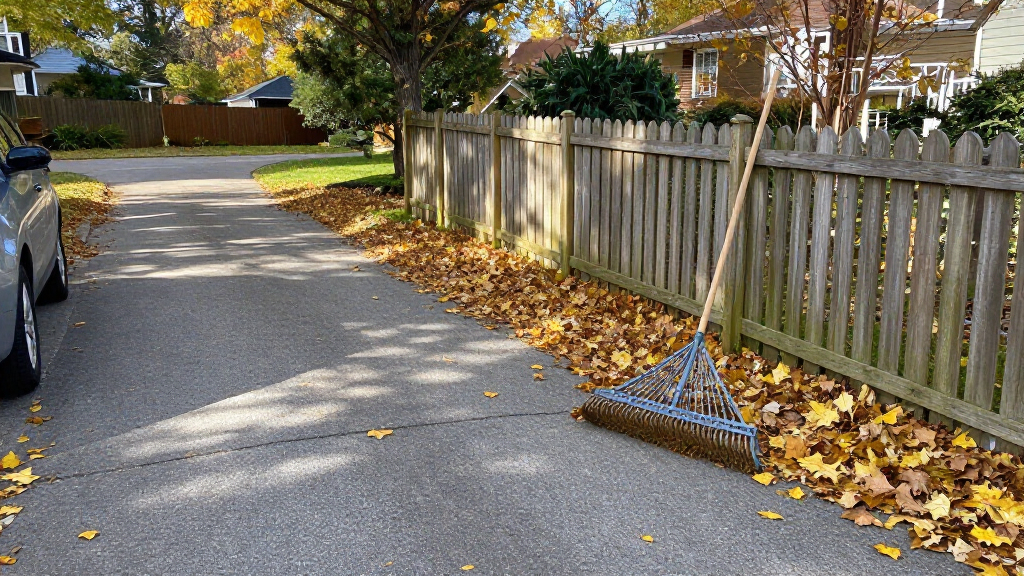
In the report, property expert Ellie says a tree owner has no legal obligation to remove leaves that fall naturally onto a neighbour’s property. The report describes seasonal leaf fall as a natural event the tree owner cannot control. That means the person whose driveway is affected should generally clear it, even if the leaves came from a tree next door.
Responsibility may change if a tree causes foreseeable physical damage, Ellie says. The report gives examples including overhanging branches repeatedly blocking gutters or drains and contributing to water damage or damp. It recommends first raising the issue politely with the neighbour and keeping a dated record and photographs if damage is occurring.
The report also distinguishes natural leaf fall from a neighbour deliberately blowing or sweeping leaves onto someone else’s land. Karl Bantleman of waste and compliance specialist Direct365 advises against moving garden waste onto neighbouring land or pavements. He recommends using council garden-waste services, composting or a licensed waste collector. For persistent dumping, the report says residents can document incidents and contact their council’s relevant team.
Who Clears Leaves and When
The distinction gives residents a practical starting point before a seasonal nuisance becomes a neighbour dispute: natural fall and deliberate disposal are not treated alike in the expert guidance cited by Ideal Home. A resident annoyed by leaves from a nearby tree may have to handle routine clearance themselves, rather than expecting the tree owner to do it.
There is also a safety reason to act. Ellie points to the Occupiers’ Liability Act 1957, saying property occupiers owe visitors a duty of care to keep premises reasonably safe. Wet leaves left on a driveway may cause someone to slip. The report does not establish that every patch of leaves creates legal liability; it warns that occupiers should take reasonable steps to address hazards.
For neighbours who intentionally deposit waste, calm communication and a record of repeated incidents can help distinguish a one-off mistake from ongoing conduct. Escalation can have consequences of its own: the report warns that a formal neighbour dispute may need to be declared on the TA6 Property Information Form when selling a home.
Popular right now

Breville Bambino Espresso Machine, Brushed Stainless Steel

Samsung 55-Inch S90H OLED 4K UHD Smart TV Bundle with Full-Motion Mount and Surge Protector

Dyson V9 Motorbar Cordless Vacuum
As an affiliate, we earn on qualifying purchases.
Natural Leaf Fall Versus Dumping
The guidance comes from an Ideal Home garden-advice report about responsibility for leaves on driveways. Its central point is that where the leaves came from is not the only issue: how they arrived matters. Leaves dropping from a tree in the ordinary course of the season are treated differently from a person using a blower or broom to put garden waste on a neighbour’s property.
The report says residents may cut branches back to the boundary line, but advises checking whether the tree has a Tree Preservation Order or is in a conservation area before doing so. It also says cuttings should be offered back to the tree owner. These cautions matter because rights to trim branches do not remove local protections or other restrictions.
For England, the article states that enforcement rules taking effect in September raised the maximum fixed penalty for fly-tipping to £5,000 and for littering to £750. The source does not identify the year of that September change. It also notes that authorities are unlikely to prosecute over a few stray leaves, while persistent dumping of large amounts of garden waste may draw attention.
“Your neighbour has no legal obligation to clear leaves that have fallen naturally onto your property.”
— Ellie, a property expert quoted by Ideal Home
Limits of the Published Guidance
The report offers general guidance, not a ruling on any particular driveway or dispute. Individual circumstances matter, including whether leaves fell naturally, whether a neighbour moved them, whether a tree caused physical damage and whether local protections apply. The article does not cite a court decision resolving a specific case.
The source also does not give the year for the England enforcement changes it says took effect in September. Readers should check current council guidance and applicable local rules before relying on penalty figures. It is also unclear whether any specific council would investigate a particular complaint; the report says persistent dumping may prompt action, not that enforcement is automatic.
Steps Before Formal Action
For natural leaf fall, residents can clear the driveway and keep it reasonably safe, particularly when leaves are wet. If branches or blocked gutters are causing damage, the report advises raising the issue politely, recording dates and taking photographs. Before cutting branches, check for a Tree Preservation Order or conservation-area restrictions and offer the cuttings to the neighbour.
If a neighbour appears to be deliberately depositing leaves, the recommended first step is a calm conversation. If the conduct continues, keep a written log and photos or video taken from your own property, then send a polite written request. The report lists council environmental health or anti-social behaviour teams and community mediation as possible routes if that does not work. A claim for professional clearance costs through the small claims court is described as a last resort. Residents should weigh escalation carefully because a formal dispute can affect what must be disclosed when selling.
Key Questions
Do I have to clear leaves that fall from my neighbour’s tree?
According to property expert Ellie, residents generally have to clear leaves that fall naturally onto their own property. The report says the tree owner is not legally obliged to remove ordinary seasonal leaf fall.
What if my neighbour blows leaves onto my driveway?
That is different from natural leaf fall. The report recommends asking the neighbour to stop, then keeping a written record and photographs if it continues. Persistent dumping may be raised with the council.
Can I cut branches that overhang my property?
The report says branches may be cut back to the boundary line, but advises checking first for a Tree Preservation Order or conservation-area restrictions. It also says to offer the cuttings back to the neighbour.
Can wet leaves on my driveway create a legal problem?
Wet leaves can be a slipping hazard. The expert cited by Ideal Home says occupiers have a duty to keep their property reasonably safe for visitors, so residents should take reasonable steps to deal with hazards.
Should I contact the council straight away?
The report recommends starting with a calm conversation and keeping evidence of repeated deliberate dumping. If the problem persists, residents can contact their council’s environmental health or anti-social behaviour team or consider mediation.
Source: idealhome.co.uk