TL;DR
An Ideal Home gardening report describes three household materials that may help deter squirrels or shield plants: used CDs, plastic bottles and chicken wire. The suggestions are practical barriers and deterrents, but the report provides no testing or evidence that they will keep every squirrel away.
Ideal Home has outlined three household items that gardeners can repurpose to discourage squirrels or protect vulnerable plants: used CDs, plastic bottles and chicken wire. The suggestions offer low-cost options for shielding young plants and newly planted bulbs, though the report does not present independent tests or claim that the methods will work in every garden.

Get business pricing on tools and workshop supplies
- Business-only prices and quantity discounts
- Tax-exempt purchasing
- Multiple users, one account, clear invoices
The first suggestion is to hang old CDs from trees, pergolas or fences. Julian Palphramand, head of plants at British Garden Centres, told Ideal Home that their movement and reflected light in the wind may deter squirrels entering a garden. The report also says the discs can be used to help protect vegetable patches from birds, although it does not describe how often they need to be moved or how effective they are.
Empty plastic bottles can be cut in half and placed over young plants as small cloches, Palphramand said. The covers are intended to shield plants from digging. The report presents this as a possible reuse for bottles gardeners already have, while also noting that ready-made cloches are available for those who do not have suitable materials.
For potted plants, the article describes covering the top of a pot with chicken wire. It recommends cutting a piece slightly larger than the pot, securing it around the rim and folding or tucking away sharp ends. Westland Horticulture shared a similar bulb-protection idea in an Instagram reel. Gardeners handling wire should use gloves and pliers, as the article advises, to reduce the risk of cuts from sharp edges.
Low-Cost Protection for Plants
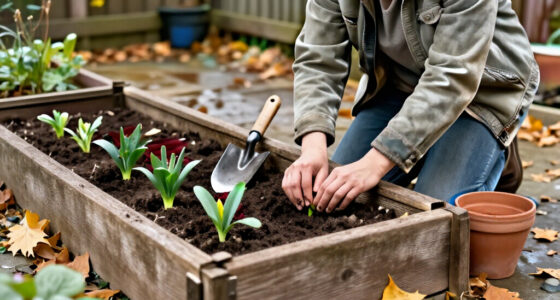
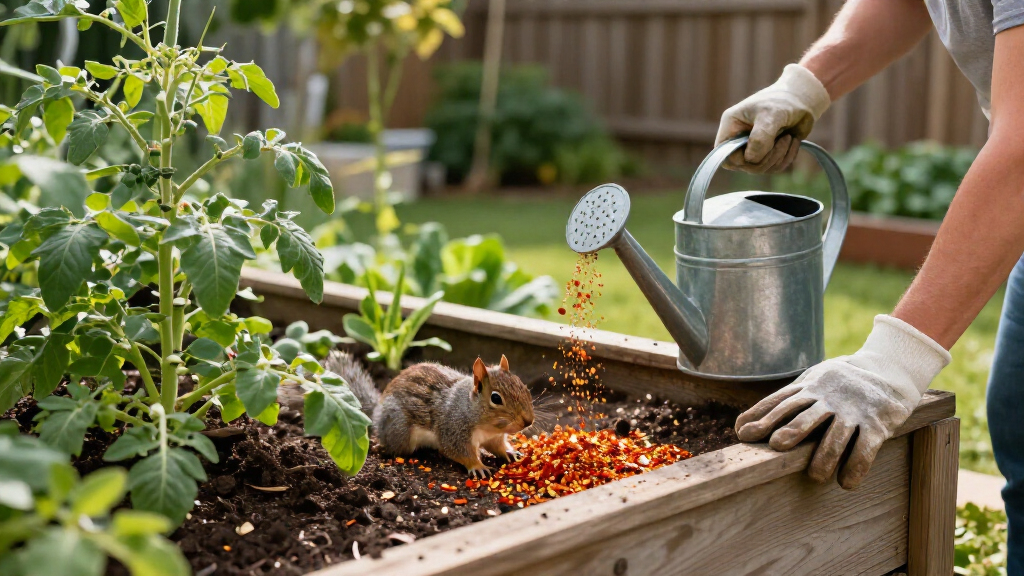
Squirrels can disturb gardens by digging in beds and pots and eating or uncovering plants, including newly planted bulbs. A physical cover may help protect a specific planting area without requiring a purchased deterrent, while reusing bottles or CDs gives common household items another use.
The approaches differ: CDs are intended to discourage squirrels through movement and light, while bottle covers and wire act as physical barriers. That distinction matters for gardeners choosing a method: a barrier can be placed directly over a vulnerable plant or pot, whereas hanging discs rely on squirrels reacting to a visual disturbance. The report offers suggestions, not comparative evidence about which is most reliable.
Popular right now

Shark PowerPro Reveal Plus Cordless Stick Vacuum, Charcoal (IZ376H)

Apple AirPods Max 2 Wireless Over-Ear Headphones, Midnight

Samsung 65-Inch M70H Series 4K Mini LED Smart TV (2026)
As an affiliate, we earn on qualifying purchases.
Three Methods in the Report
The Ideal Home article frames the advice around common garden problems, including squirrels digging up freshly planted spring bulbs and disturbing plants. Its recommendations draw on comments from Palphramand and a chicken-wire demonstration shared by Westland Horticulture on Instagram.
The report also mentions commercially available alternatives, including pre-formed cloches and squirrel baffles or feeders designed to limit squirrels’ access to bird food. Those products are separate options; the three household-item suggestions do not require gardeners to buy them, though materials and tools may be needed to make a secure cover.
“Upcycled hacks to get rid of squirrels include used CDs hanging from trees, pergolas and fences.”
— Julian Palphramand, head of plants at British Garden Centres, as quoted by Ideal Home
How Well the Deterrents Work
The source does not report controlled tests, success rates or comparisons among the three methods. It is not clear how long squirrels may respond to hanging CDs, whether results vary by garden or animal, or how well a bottle cover protects plants of different sizes. The article describes the methods as ways to deter or protect, not as guaranteed solutions.
It also does not specify the mesh size needed for chicken wire, how to secure a cover against persistent digging, or whether each approach is suitable for every plant. The practical outcome may depend on the layout of a garden and the plants being protected.
Choose a Method for the Plant
Gardeners following the report can match the approach to the problem: hang CDs near areas where squirrels enter, place cut bottles over small young plants, or fit a carefully secured wire cover over a pot. Gloves and pliers are advised when handling chicken wire, and sharp ends should be tucked away.
The source does not announce a trial or further update. Anyone trying these ideas will need to judge whether they help in their own garden and adjust or remove the covers as plants grow. The report gives no single method as a guaranteed fix.
Key Questions
What household items does the report suggest?
It names used CDs, empty plastic bottles and chicken wire. CDs may act as a visual deterrent; bottles and wire can be used as covers over plants or pots.
How are old CDs meant to deter squirrels?
British Garden Centres’ Julian Palphramand told Ideal Home that CDs hanging in the wind create movement and reflected light, which may deter squirrels. The report does not give a measured success rate.
Can plastic bottles protect newly planted bulbs?
The report suggests cutting bottles in half and using them as small cloches over young plants. It does not give a specific bottle size or confirm that this method suits every bulb or planting.
How can chicken wire be used around a plant pot?
Cut a piece slightly larger than the pot, secure it around the rim and tuck away sharp ends. Wear gardening gloves and use pliers when working with the wire, as the report advises.
Are these methods proven to keep squirrels away?
The article presents them as practical deterrents and barriers, but provides no independent testing or success-rate data. Their effectiveness in a particular garden is not established by the source.
Source: idealhome.co.uk