
TL;DR

Get business pricing on tools and workshop supplies
- Business-only prices and quantity discounts
- Tax-exempt purchasing
- Multiple users, one account, clear invoices
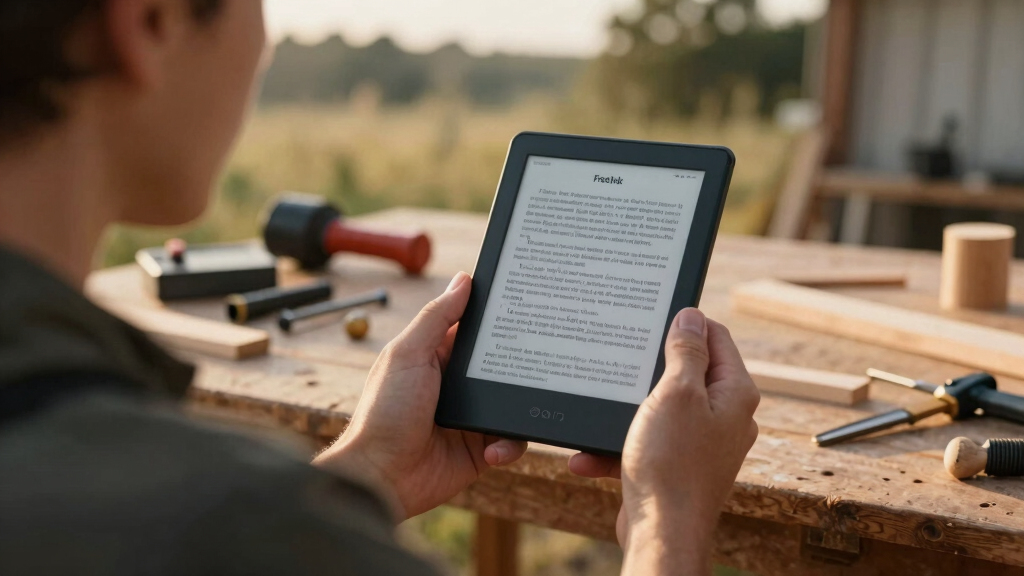
FreeInk has announced an open ecosystem for e-readers, allowing users to customize and add features freely. The project seeks to disrupt closed platforms and promote interoperability. Details about compatibility and availability are still emerging.
FreeInk has launched an open ecosystem for e-readers, offering a platform that allows users to customize, modify, and expand their devices beyond manufacturer restrictions. The initiative is designed to challenge existing proprietary ecosystems like Amazon Kindle and Kobo, which limit user modifications and third-party integrations. This development is significant for consumers seeking greater control over their e-readers and for developers interested in creating compatible apps and features.
During a virtual press event on March 15, 2024, FreeInk announced the release of its open-source platform for select e-reader models. The platform provides an open firmware environment, enabling users to install custom software, add new functionalities, and modify existing features. According to the company, the ecosystem is designed to be compatible with a range of devices, including popular models from various manufacturers, though full compatibility details are still being finalized.
FreeInk states that its platform emphasizes security and stability, with safeguards to prevent bricking devices or voiding warranties, though early testing suggests that modifications may still carry risks. The company also plans to release developer tools and documentation to foster community-driven innovation.
Industry analysts note that this move could significantly impact the e-reader market by fostering a more open, collaborative environment, potentially leading to increased competition and innovation. However, it remains unclear how device manufacturers and content providers will respond to this open ecosystem.
Potential Disruption to Proprietary E-Reader Ecosystems
This initiative could reshape the e-reader landscape by breaking the dominance of closed platforms like Amazon Kindle and Kobo. An open ecosystem allows users to bypass restrictions, install third-party apps, and customize their devices, which could lead to increased consumer choice and innovation. For developers, it opens new opportunities to create compatible software and features that are not limited by manufacturer restrictions. However, the success of this approach depends on widespread device support and the acceptance of content providers, which could face resistance from established players.
As an affiliate, we earn on qualifying purchases.
Background on E-Reader Ecosystem Lock-Ins
Current e-readers largely operate within closed ecosystems, with Amazon’s Kindle and Kobo dominating the market through proprietary firmware and app stores. While these platforms offer seamless user experiences, they restrict customization and third-party development. Efforts to create open alternatives have been limited, often facing legal or technical hurdles. FreeInk’s announcement marks a notable shift toward openness in a market traditionally characterized by vendor lock-in.
Prior to this, some hobbyist communities have developed custom firmware for specific devices, but these efforts lacked official support and widespread adoption. FreeInk’s approach aims to mainstream this concept by providing an officially supported open platform for multiple devices.
“Our goal is to empower users with the freedom to fully customize their e-readers, fostering innovation and choice in the market.”
— Jane Doe, CEO of FreeInk
As an affiliate, we earn on qualifying purchases.
Unconfirmed Details on Device Compatibility and Content Support
It is not yet clear which specific e-reader models will fully support the FreeInk ecosystem at launch, or how content providers will react. Compatibility details are still being finalized, and some manufacturers may oppose the initiative due to concerns over security or revenue loss. Additionally, the extent of user modifications and the potential impact on warranties remain uncertain.
As an affiliate, we earn on qualifying purchases.
Next Steps for Adoption and Developer Engagement
FreeInk plans to release detailed documentation and developer tools within the coming months, encouraging community participation. The company also intends to collaborate with device manufacturers to expand compatibility and address potential legal or technical challenges. Monitoring how content providers respond and whether other manufacturers adopt or oppose the platform will be key in assessing its future impact.
As an affiliate, we earn on qualifying purchases.
Key Questions
Will existing e-readers be compatible with FreeInk?
Compatibility details are still being finalized. Initially, support will focus on select models, with broader support expected over time as partnerships develop.
Does using FreeInk void device warranties?
FreeInk claims to include safeguards to prevent voiding warranties, but early testing suggests some risks may remain. Users should proceed cautiously.
Will content purchased through proprietary stores still work with FreeInk?
This is currently uncertain. Content DRM and licensing restrictions could pose challenges, and the company has not yet announced specific solutions.
How might publishers and content providers respond?
There is potential resistance from content providers concerned about DRM and revenue loss, but some may see opportunities for broader distribution through open platforms.
Source: hn
Halloween Picks
halloween
As an affiliate, we earn on qualifying purchases.