
TL;DR

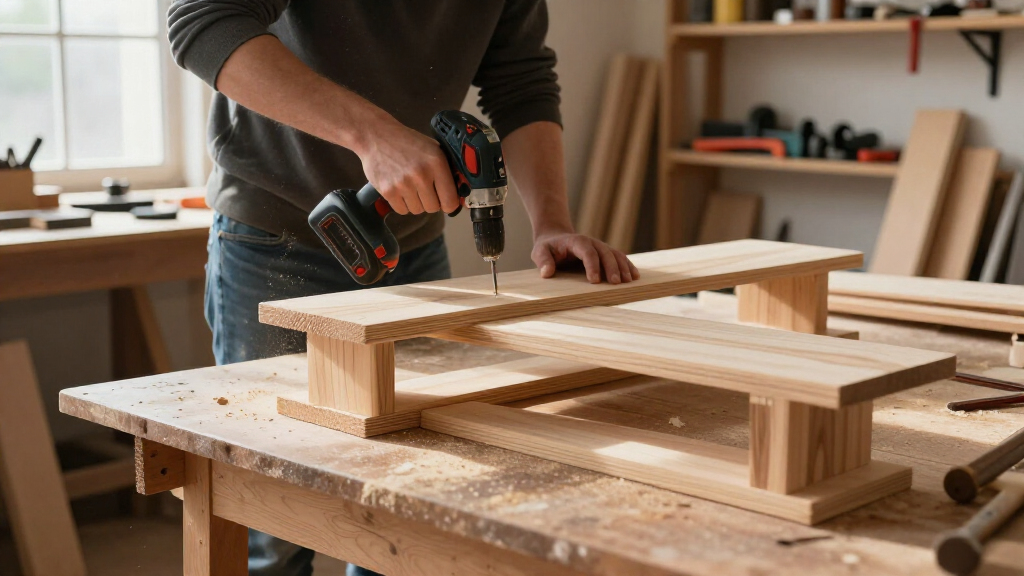
Get business pricing on tools and workshop supplies
- Business-only prices and quantity discounts
- Tax-exempt purchasing
- Multiple users, one account, clear invoices
The Counterpublic Triennial is showcasing a new form of public space focused on community engagement and decentralization. The development signals a shift in how art and urban environments intersect, with details still unfolding.
The Counterpublic Triennial has introduced a new kind of public space that prioritizes community-driven, decentralized environments for artistic and social interaction. This development marks a departure from traditional public art installations and urban planning, aiming to reshape how citizens engage with their surroundings. The initiative, which has garnered increasing attention in arts and urban development circles, is currently in the early stages of implementation, with some exhibits confirmed and many details still unfolding.
The Counterpublic Triennial is an international arts event occurring every three years, designed to challenge conventional notions of public space through experimental projects. This iteration features a focus on creating alternative, community-centered environments that blur the boundaries between art, activism, and urban life. Several projects have been publicly unveiled, including pop-up installations and temporary communal zones in various city neighborhoods. These spaces are intended to foster dialogue, participation, and a sense of ownership among local residents.
According to organizers, the concept emphasizes decentralization and inclusivity, aiming to give marginalized communities more visibility and agency within urban settings. While some of the projects are confirmed, such as interactive street murals and modular meeting points, many other elements remain in development. Officials have stated that the overall goal is to experiment with how public spaces can adapt to social and cultural needs beyond traditional civic design.
Implications for Urban Public Spaces and Community Engagement
This development matters because it signals a potential shift in how cities approach public space, emphasizing community participation and decentralization. The initiative could influence future urban planning models by integrating artistic and social functions more deeply into everyday environments. It also reflects broader trends in arts activism, where public spaces are seen as platforms for social change rather than mere infrastructure. For residents, these projects could foster greater inclusion and ownership of their neighborhoods, potentially transforming urban life and civic participation.
Popular right now

Dyson Big Ball Multi Floor Canister Vacuum, Yellow

Sony WH-1000XM6 Wireless Noise-Canceling Over-Ear Headphones, Blue, Bundle

Ninja Foodi 10-Qt DualZone Smart XL Air Fryer, 6-in-1, DZ550
As an affiliate, we earn on qualifying purchases.
Background on the Counterpublic Triennial and Its Evolving Focus
The Counterpublic Triennial has been held every three years since its inception, aiming to challenge dominant narratives about public space and art. Historically, the event has showcased provocative installations and performances designed to provoke dialogue around social justice, urban development, and cultural identity. This iteration appears to shift its focus toward decentralized, community-centered environments, reflecting ongoing debates about the role of public art in fostering social cohesion. The interest in this approach has been rising, especially amid increasing urban inequality and social fragmentation, though specific plans and projects are still being finalized.
Unconfirmed Details and Future Developments
Many aspects of the Counterpublic Triennial’s new public space concept remain unconfirmed. It is not yet clear how widespread the implementation will be across different cities, or whether these projects will become permanent fixtures. Details about funding, community involvement levels, and specific design features are still emerging. Additionally, the long-term impact of these experimental spaces on urban life and civic participation remains to be seen, with experts awaiting further developments and evaluations.
Next Steps for the Counterpublic Triennial’s Public Space Initiatives
Organizers plan to reveal more detailed project plans and community engagement strategies in the coming months. Several pilot projects are expected to open in participating cities, with ongoing assessments to gauge their social and spatial impact. The event’s organizers have also indicated that they will seek feedback from residents and urban planners to refine these models, aiming for broader adoption in future iterations. Observers will be watching to see how these spaces are received and whether they inspire lasting changes in urban design.
Key Questions
What is the main goal of the Counterpublic Triennial’s new public space concept?
The main goal is to create community-driven, decentralized public environments that foster participation, social interaction, and a sense of ownership among residents, challenging traditional urban planning models.
Are these new public spaces permanent?
It is currently unclear whether the spaces are intended to be permanent or temporary. Many projects are still in the pilot phase, with plans to evaluate their impact before making long-term commitments.
How are communities involved in these projects?
Organizers emphasize participatory design, encouraging local residents to contribute ideas and help shape the spaces. Specific involvement levels vary across projects and are still being finalized.
What challenges might these new spaces face?
Potential challenges include securing ongoing funding, ensuring inclusivity, integrating these spaces into existing urban infrastructure, and measuring their social impact effectively.
Will this approach influence future urban planning?
Many experts believe that if successful, the initiative could inspire more cities to adopt community-centered, participatory public space models, potentially transforming urban design paradigms.
Source: rss